Material
Tanning process


Tanning is the process by which animal hide acquires its resistance to water and decay. Protein fibers are converted into leather fibers in the process - a process that cannot be replicated synthetically. In addition to the nature of the raw material, the type of tanning determines the quality and properties of the leather end product: the strength, stretchability, water tolerance, hardness or suppleness of the leather are largely determined by the tanning process. Some of the tanning processes are as old as the hills; they can be divided into three basic groups according to the tanning agents used: vegetable tanning, seed tanning and mineral tanning.
Vegetable tanning
As archaeological findings show, vegetable tanning—that is, tanning using plant-based materials—was already being practiced 5,000 years ago. This process uses tannins, which are produced by nearly all plants to protect themselves from rot, mold, and browsing by wildlife. Tannins are found in bark, wood, roots, leaves, and fruits. About 40 different tanning agents are known, which are extracted, for example, from oak or spruce bark, quebracho wood, mimosa bark, tara pods, rhubarb roots, or sweet chestnuts. For the tanning process, the plant parts are dried, crushed, and processed together with water to form a tanning liquor. Vegetable-tanned leathers are produced through barrel tanning, pit tanning, or old-pit tanning, which—in that order and with increasing time required—yield increasingly firm and tough leathers.
Traditional vegetable tanning in a pit is also known as bark tanning or red tanning. It is rather rare today and is used for heavy cowhides. “Lohgare” results in a very firm, durable, and robust leather that develops a patina with use.
For vegetable tanning, we use the following terminology:
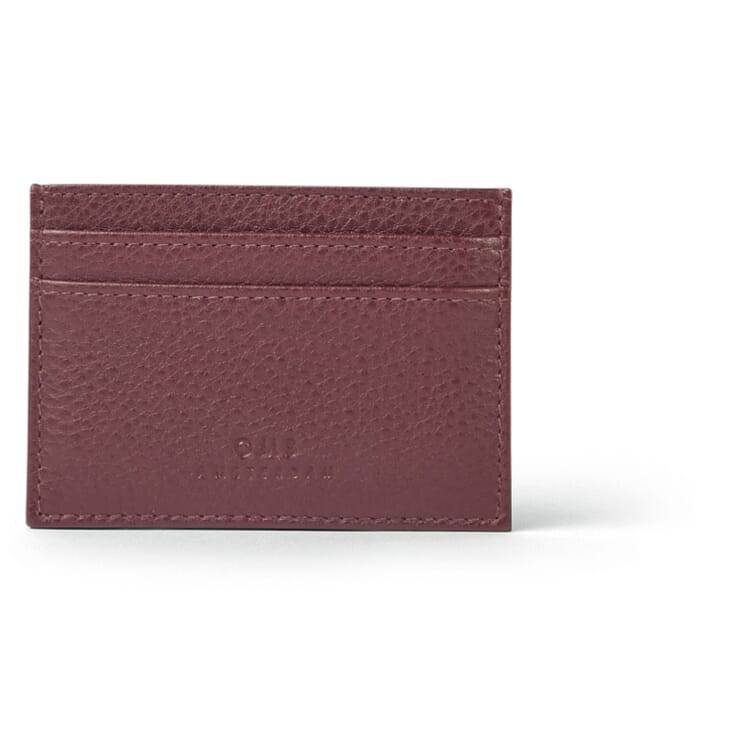
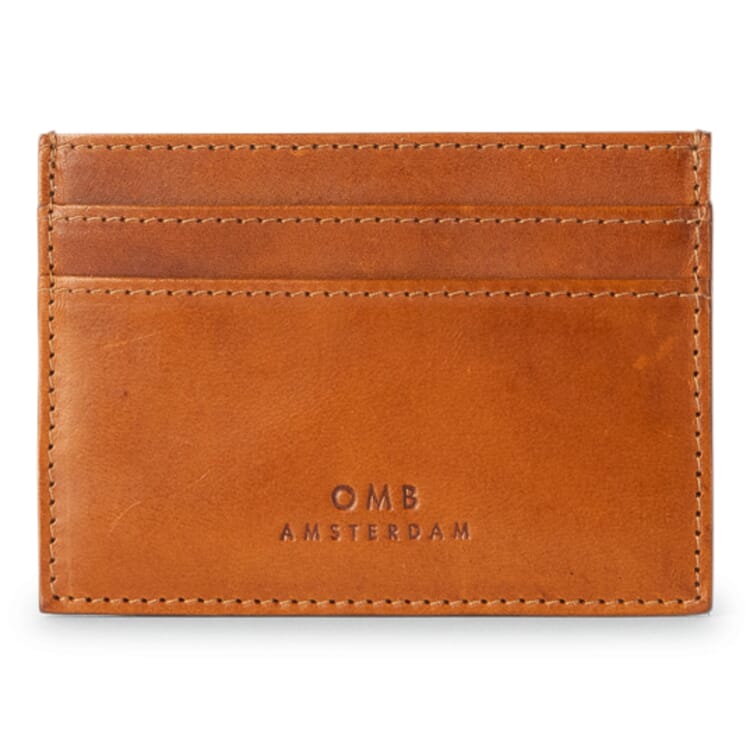
- Leather tanned with plant-based materials in a rotating tanning vat—and therefore relatively soft with a comparatively short tanning time—is referred to as vegetable-tanned.
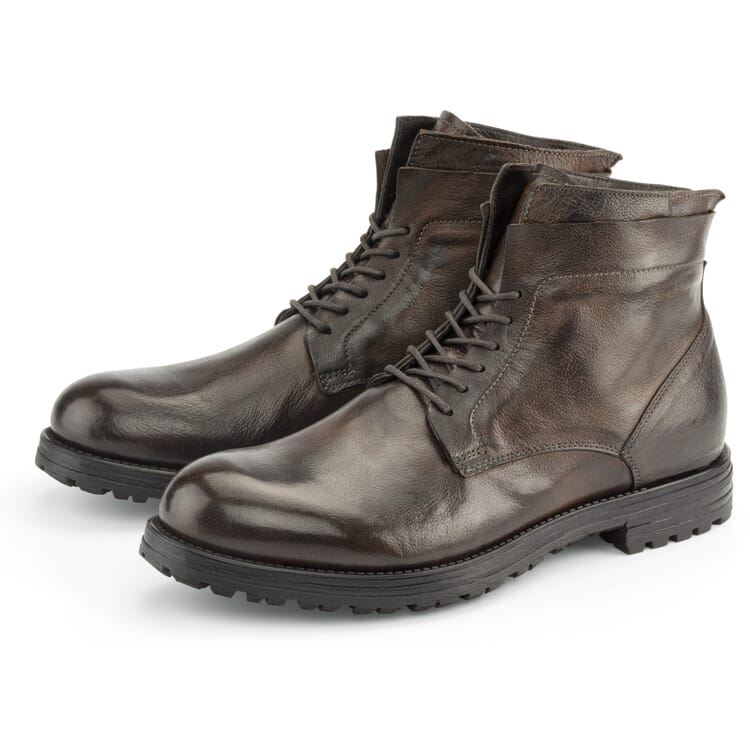
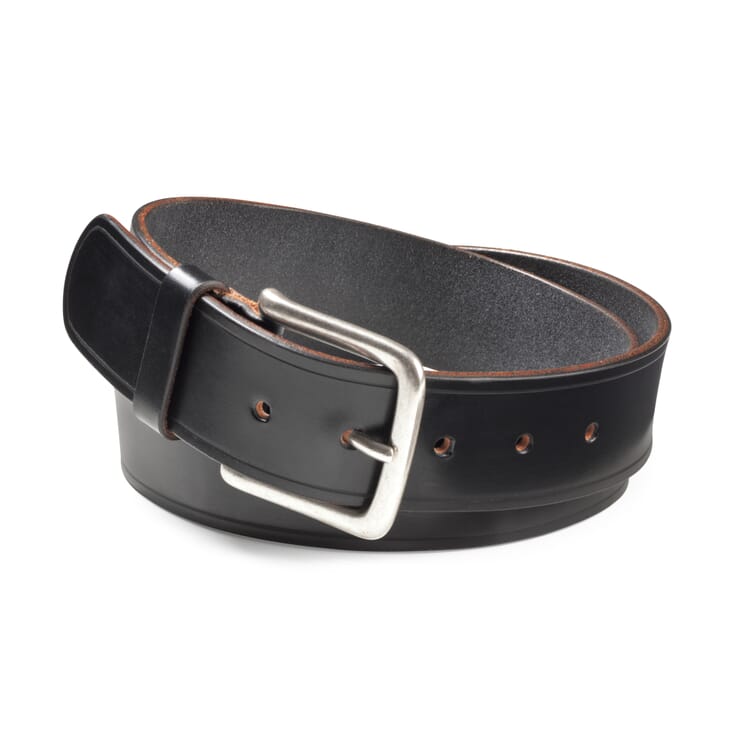
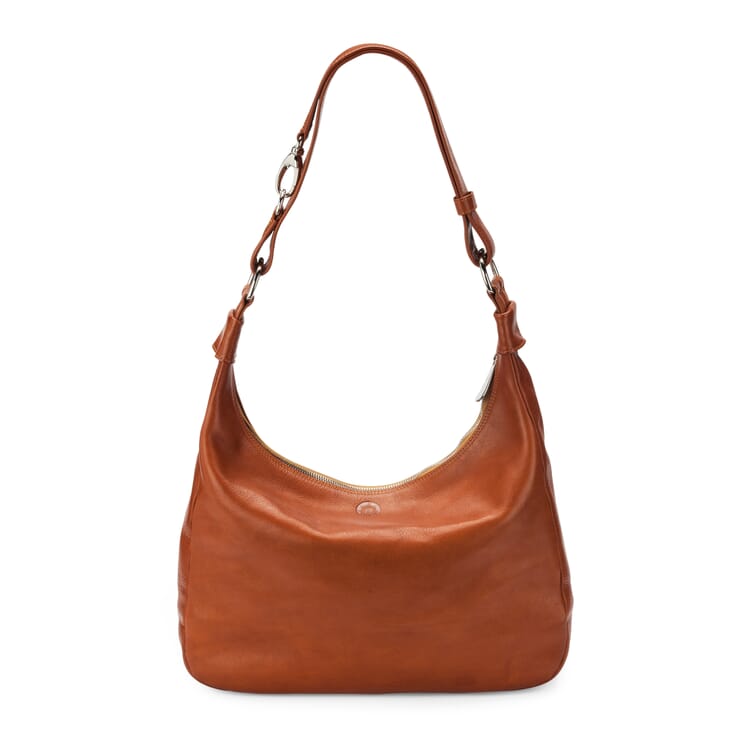
- Leather tanned using a specific form of vegetable tanning known as the “color process” (a system of six to twelve pits filled with bark broth) is what we call pit-tanned.
- Leather that has been tanned with bark in the pit over many months is called traditional pit-tanned.
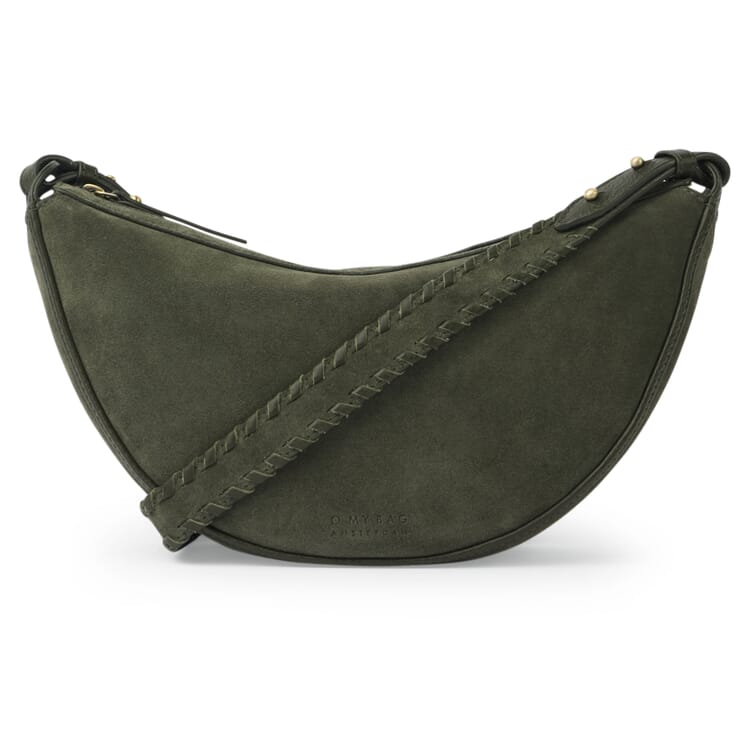
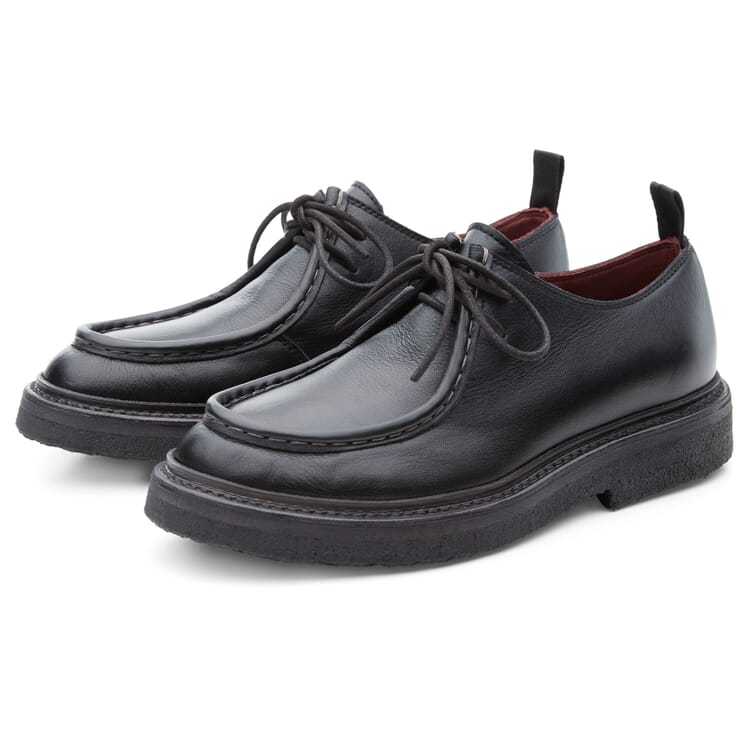
Vegetable tanned products








Pit tanned products



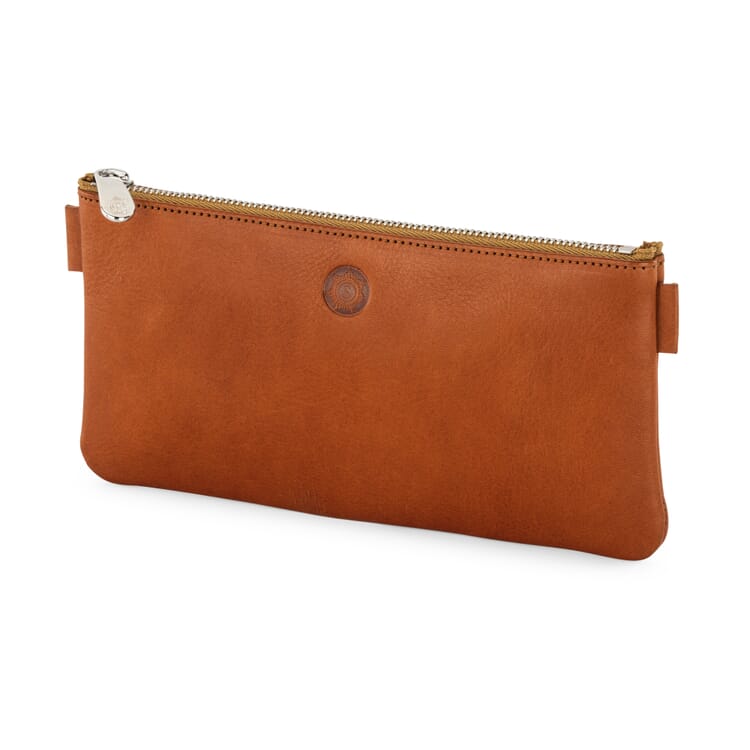

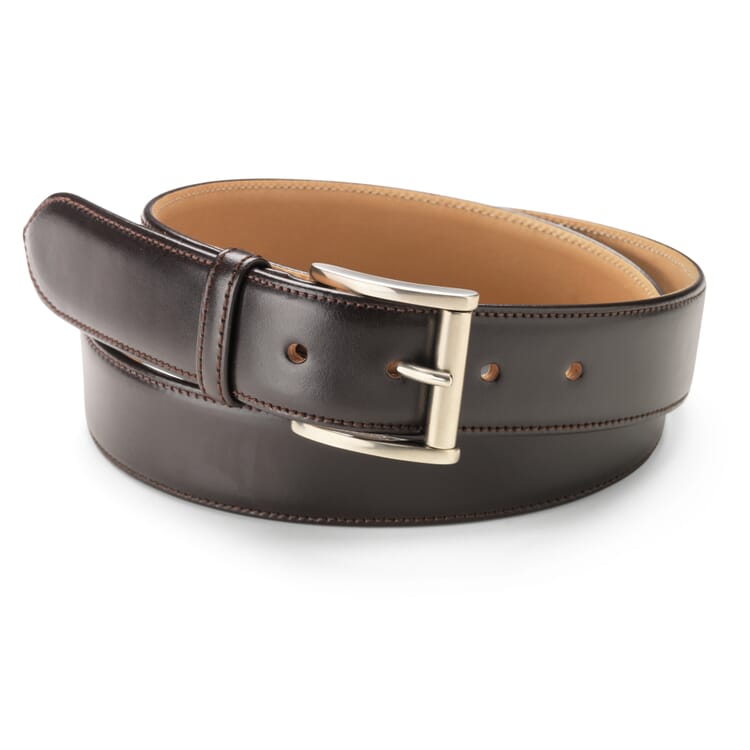



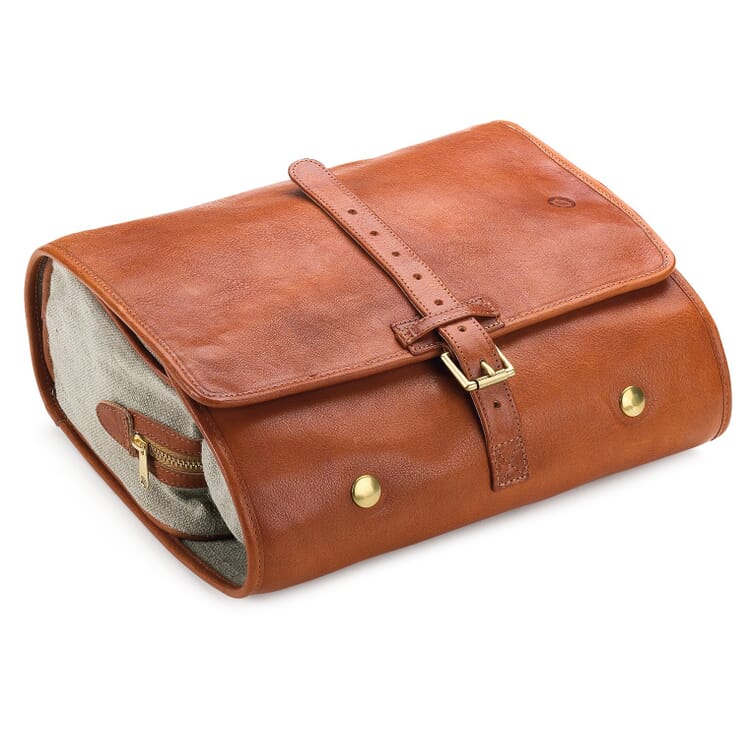


wet-green® has developed a comprehensively ecological tanning process. The basis is one of the oldest useful plants: the olive tree. Its leaves contain bitter substances that protect it against pests and rot and are also suitable as a tanning agent. For its extraction, only the olive leaves are used, which anyway accumulate during the annual pruning of the tree and would otherwise be burned. From this, the syrupy tannin is produced under food conditions, which could even be tasted if it were not so bitter. Leather tanned with olive leaf extract is very well tolerated by the skin and is absolutely harmless to humans and the environment throughout the entire product cycle. Olive leaf tanning can produce leathers with a wide variety of characteristics: From strong saddle leather to supple garment leather, everything is possible depending on the finishing and finish.
Seeded and old seeded tanning
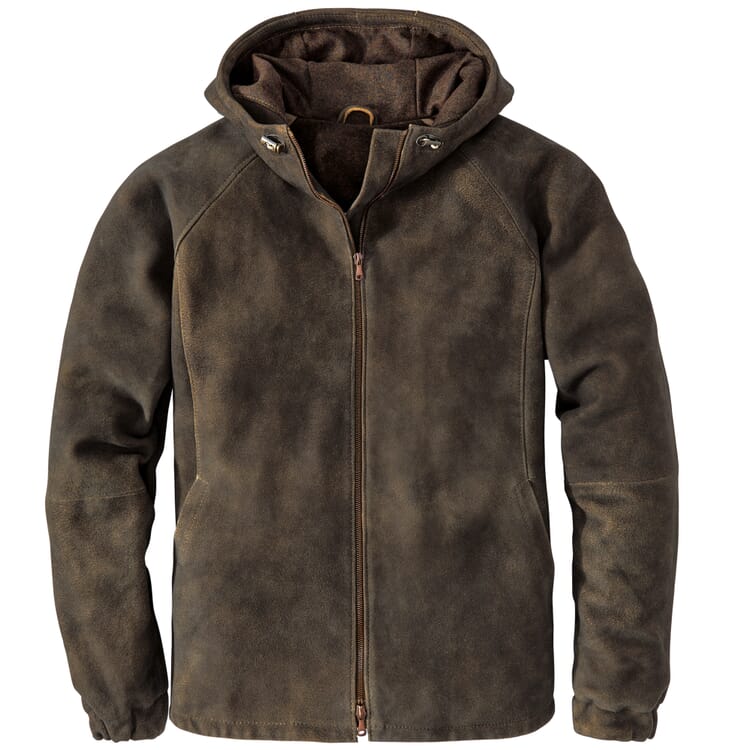
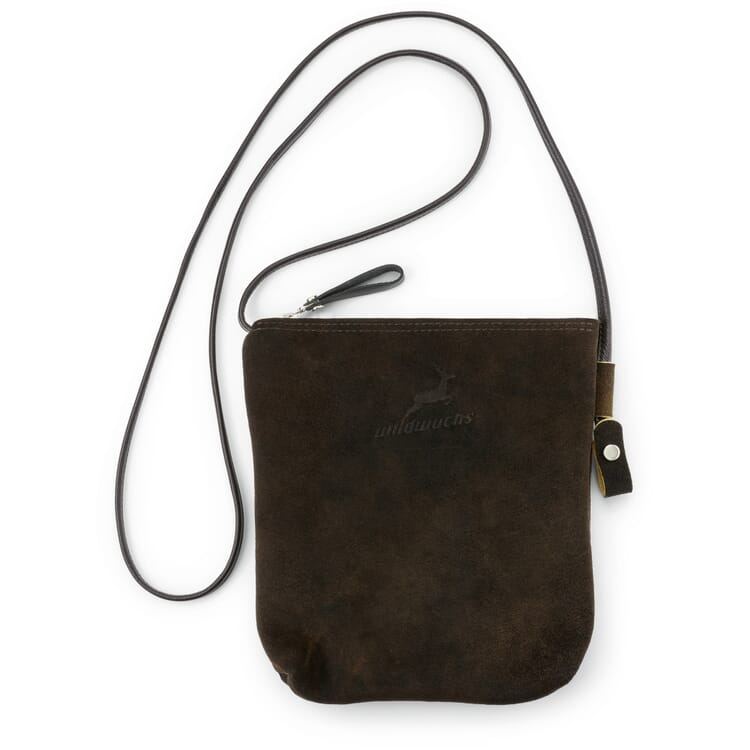
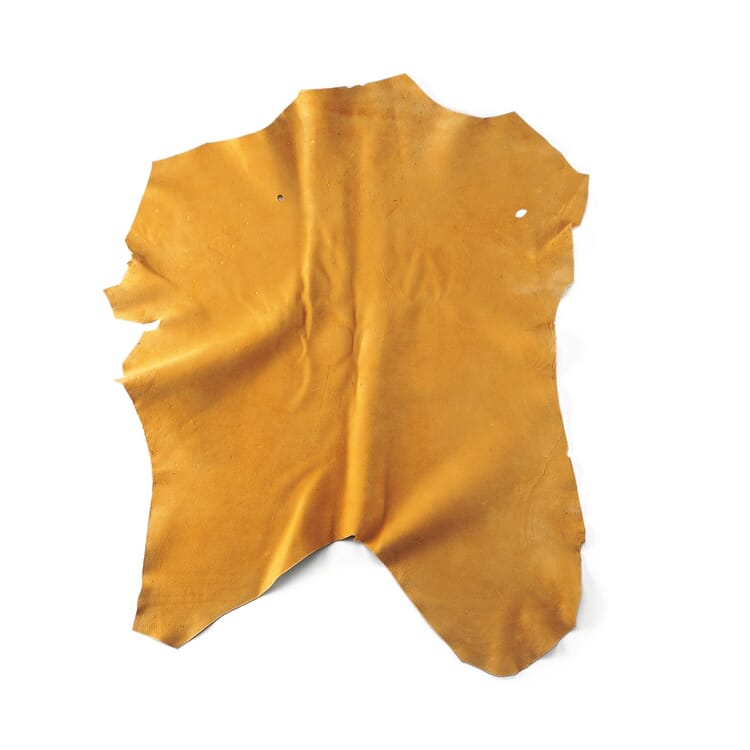
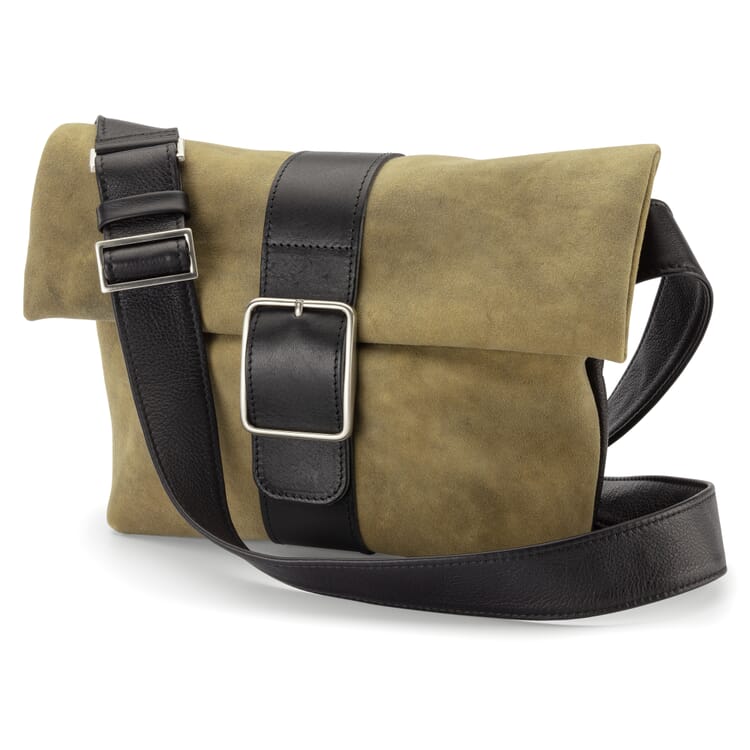
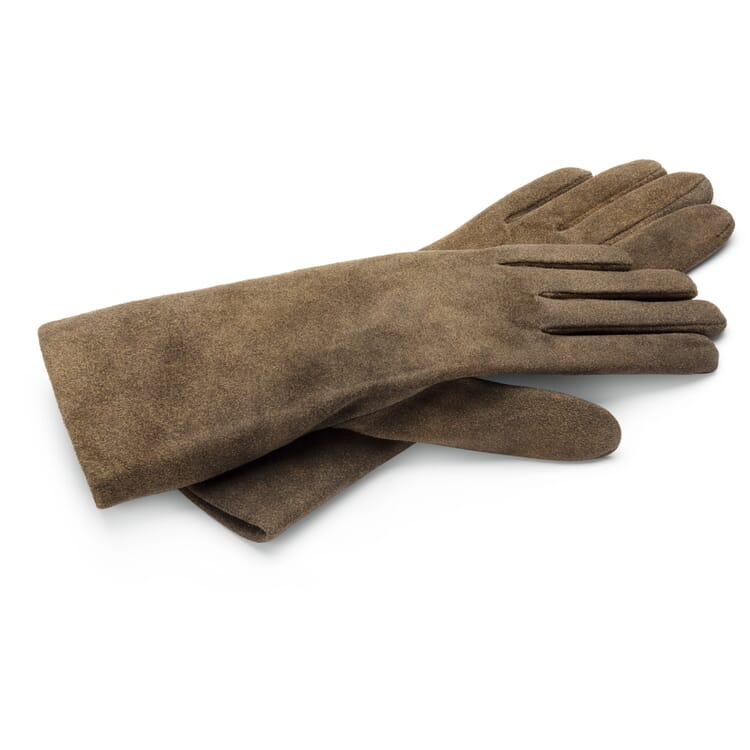
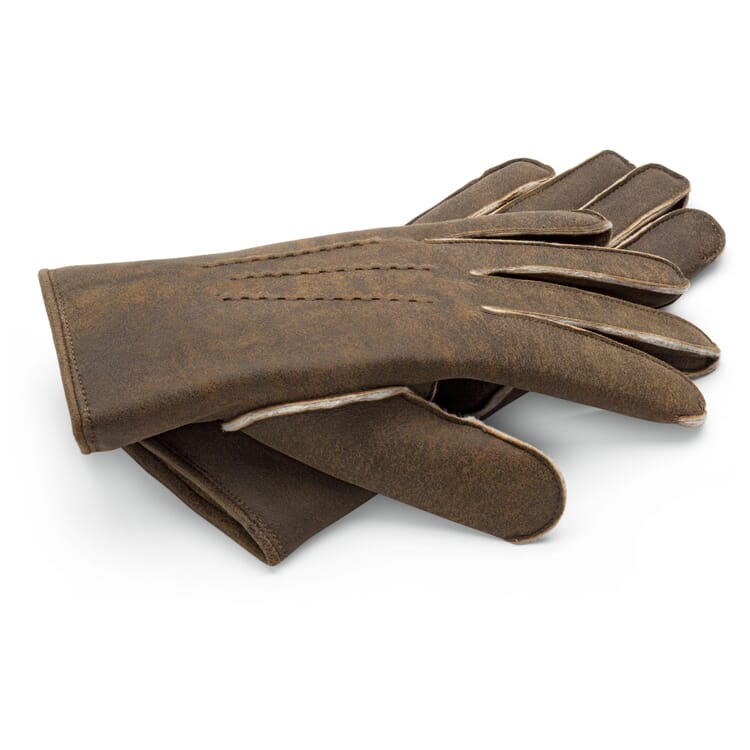
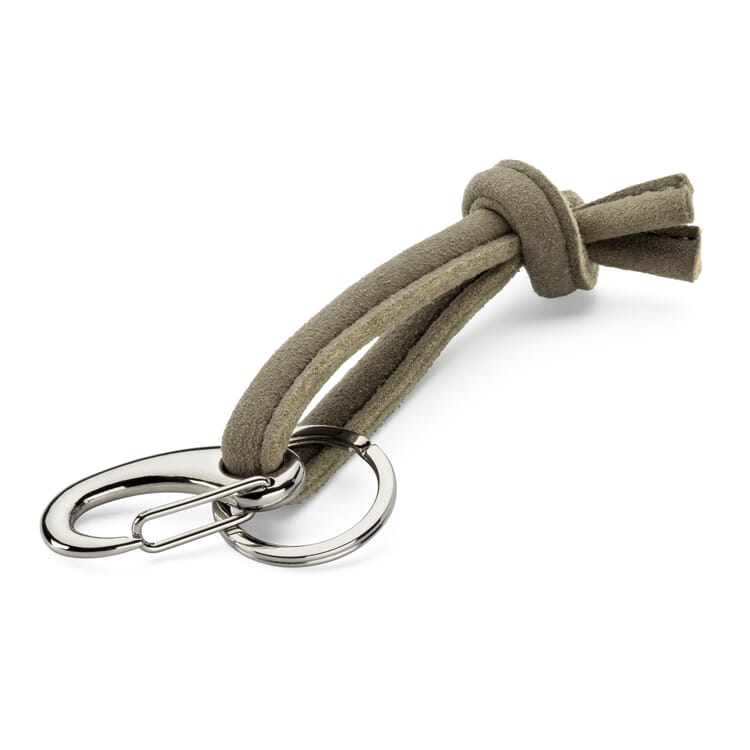
The chamois tanning - according to traditions already practiced in the 6th millennium B.C. - works with fat and grains and is mainly applied to deer, roe deer, sheep and goat skins. It is one of those ancient processes of tanning that produce unrivaled beautiful and durable leathers. The transformation of the protein fibers of the hide into leather fibers is based on the oxidation of animal fats and cranes, which are incorporated between the fibers. Chamois tanned deerskin is soft, warm, almost woolly to the touch and temperature balancing. The supreme discipline is the old-fashioned chamois tanning with cod liver oil, which Kolesch in Biberach is the last company in Germany to maintain. In a process that takes a whole year, an almost textile-like clothing leather is produced of a quality that cannot be achieved with other tanning methods.
Seed tanned products








Mineral tanning
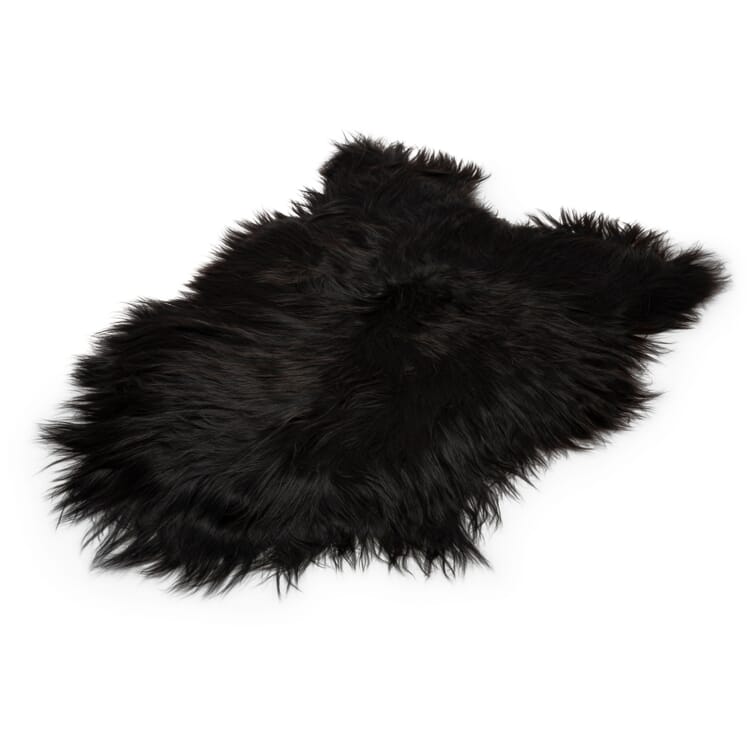
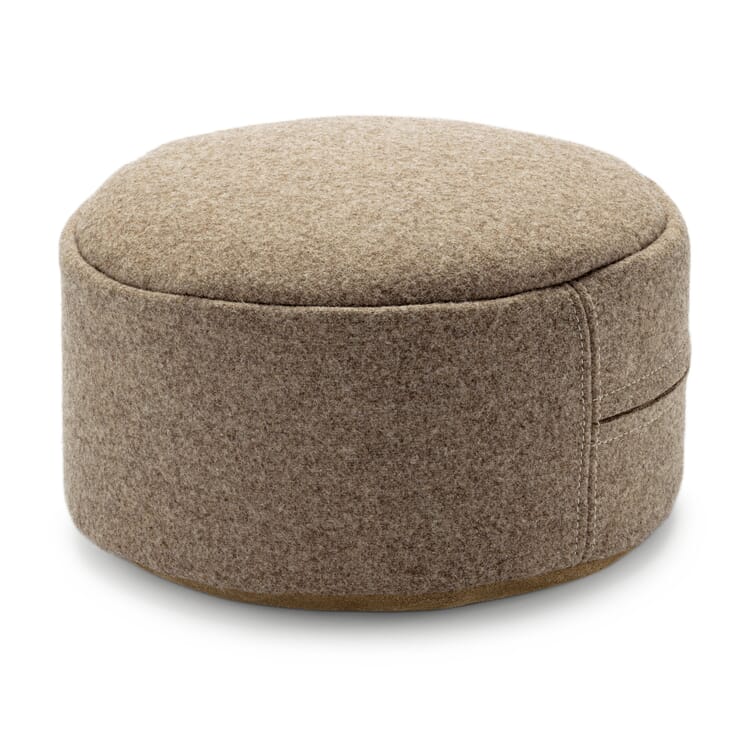
Mineral tanning includes alum or white tanning, which is one of the oldest tanning processes, and chrome tanning, which was only introduced in the 19th century - Alum or white tanning uses alum stone. It results in a light-colored leather of great softness. French white or glacé tanning with alum, salt, egg yolk, wheat flour, fats and water was traditionally done in the past, especially for gloves made of kid leather (young goat leather). Alum tanning has been largely superseded by chrome tanning and is still used today mainly for small animal skins - Chrome tanning works in Europe with trivalent chrome salts and has the advantage of very short tanning times. The result is an easy to work with, very supple, soft, cloth-like leather, which is popular today.
Mineral tanned products








Combined tanning processes
In addition to the tanning processes mentioned, there are a number of modernized and combined variants of vegetable, seed and mineral tanning in which the tanning times are significantly reduced by mechanical and chemical means. For example, leathers can be synthetically pre-tanned and vegetable retanned, or vegetable tanning is combined with chrome tanning.
Sign up for our newsletter and get a voucher for a value of 150 DKK
Recommended Topics


Our leather collection is made with sense and attention to detail, from the leather to the last seam. The small leather goods are unlined; the back of the leather thus remains - with its natural irregularities - "honestly" recognizable. Their seams are finished with an open edge. The hides of English and Scottish cattle are vegetable tanned in England using barrel tanning, i.e. in slowly rotating oak barrels in a tan broth.
View more

The following products are from Sonnenleder, based in Bodman-Ludwigshafen on Lake Constance. The company stands for consistently functional, pure design and gentle, purely plant-based finishing.
View more