Material
Cotton. The mallow among natural fibers


**The cotton plant (Gossypium) is one of the oldest cultivated plants in the world and belongs to the mallow genus. The special feature of the plant is its seed hairs, which emerge from the ripe fruit capsule like absorbent cotton. They are used to produce the coveted textile fiber cotton. The cotton plant itself prefers a dry, warm climate, so the main areas of cultivation are India, China, the USA, Brazil and the countries of sub-Saharan Africa. In Europe, Greece and Spain and in Asia Turkey are among the most important growing regions.
The properties of cotton
By nature, cotton feels pleasantly soft against the skin and has a low allergenic potential. Thanks to these exceptionally skin-friendly properties, cotton has been one of the most popular natural fibers for textile production for thousands of years. From home textiles such as towels, bedspreads, and blankets to clothing, many of our products—especially those that come into direct contact with the skin—are made from pure cotton. In addition, cotton fabrics offer many other benefits:
- Cotton from certified organic cultivation (kbA) is particularly gentle on the skin, as it contains significantly fewer harmful substances than cotton from conventional cultivation. In line with our mission to prioritize sustainability in our product selection, we carry numerous textile products in organic quality.
- This natural fiber is exceptionally absorbent. The ability of the seed fibers to store large amounts of water to enable the seeds to germinate is reflected in the fabrics made from them: they can absorb up to one-third of their own weight without dripping. This outstanding property is particularly evident in our highly absorbent pure cotton dish towels and hand towels.
- When wet, the already very robust cotton fiber becomes even more tear-resistant. This makes it particularly hard-wearing and durable and ideal for textiles that must withstand frequent wash cycles, such as bedding and underwear.
- Textiles made from cotton fibers are also very easy to care for, as they are boil-proof and can withstand high temperatures extremely well, even during ironing and mangling. This is a decisive advantage, especially when it comes to hygiene.
The longer the fiber, the higher the quality
The quality of cotton is primarily defined by its natural fiber length, known as staple length. Long-staple cotton is considered to be of particularly high quality. Thanks to the great length of its fibers, it can be spun into an astonishingly fine yet strong yarn that is hardly prone to pilling. Fabrics made from long-staple cotton are therefore exceptionally durable. Among the highest-quality cotton varieties are:
- Giza or Mako: This cotton, originally from Egypt, is known for its exceptionally long fibers. It is extremely fine and durable, which is why it is regarded worldwide as one of the finest cotton varieties.
- Pima: The long, brilliant white fibers of this cotton, traditionally cultivated in Peru, are smooth and feel pleasantly cool against the skin. Thanks to its silky sheen, this variety is rightly referred to as the “silk of South America.”
- Supima®: Supima® is synonymous worldwide with the finest quality American Pima cotton—it is one of the best extra-long-staple cottons available. Only one percent of the global harvest meets Supima® quality standards.
- Sea Island: Even rarer is Sea Island cotton, which is traditionally cultivated on the Caribbean islands off the American coast. Almost as soft as cashmere, textiles made from it caress the skin.
Weseta. Supima® cotton bathroom textiles
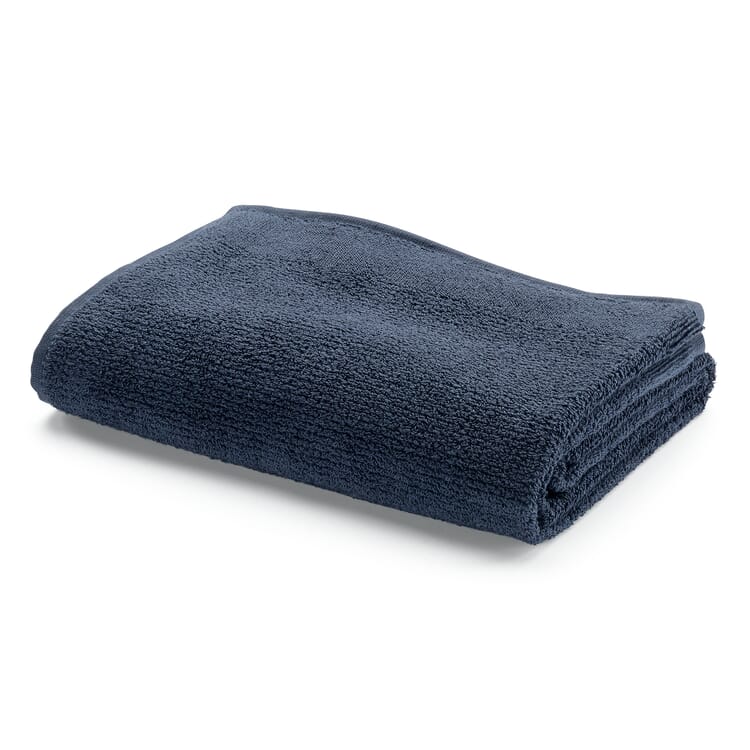
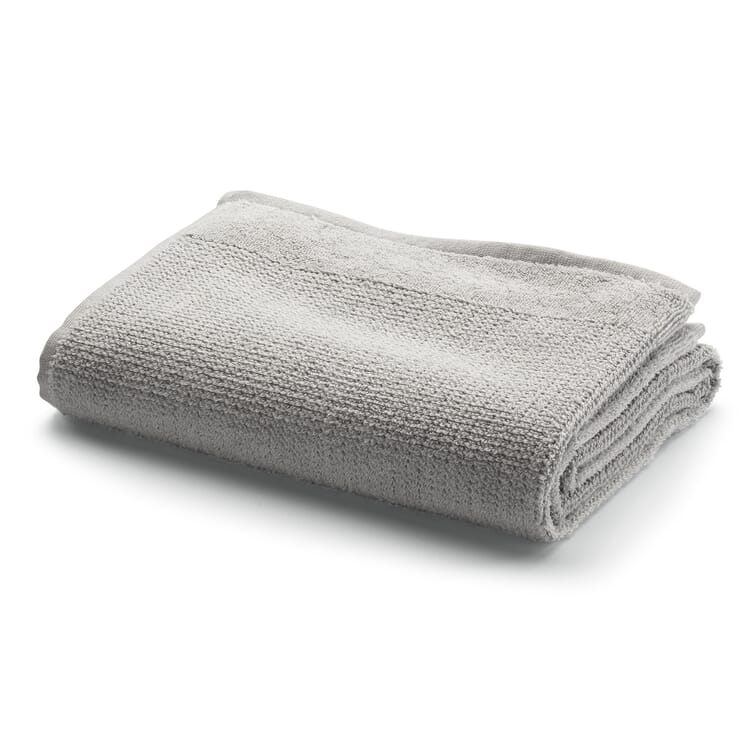
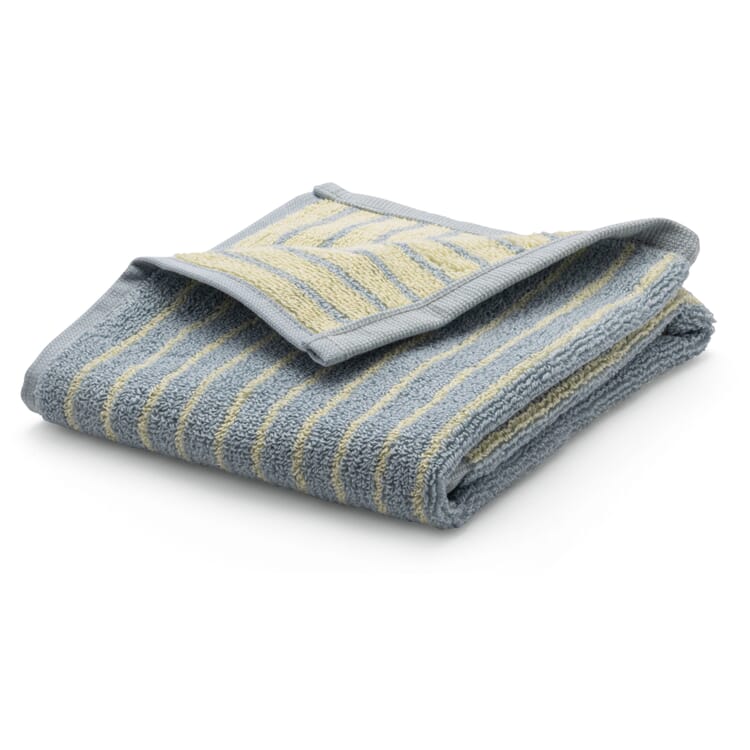
The Swiss weaving mill Weseta was able to secure a larger stock of the valuable Supima® cotton. It uses it to produce high-quality bathroom textiles that are exceptionally soft, absorbent and durable. These terry towels are truly exceptional and rare: they are woven from precisely this fine Supima® cotton from controlled organic cultivation


Zimmerli. Maco cotton underwear
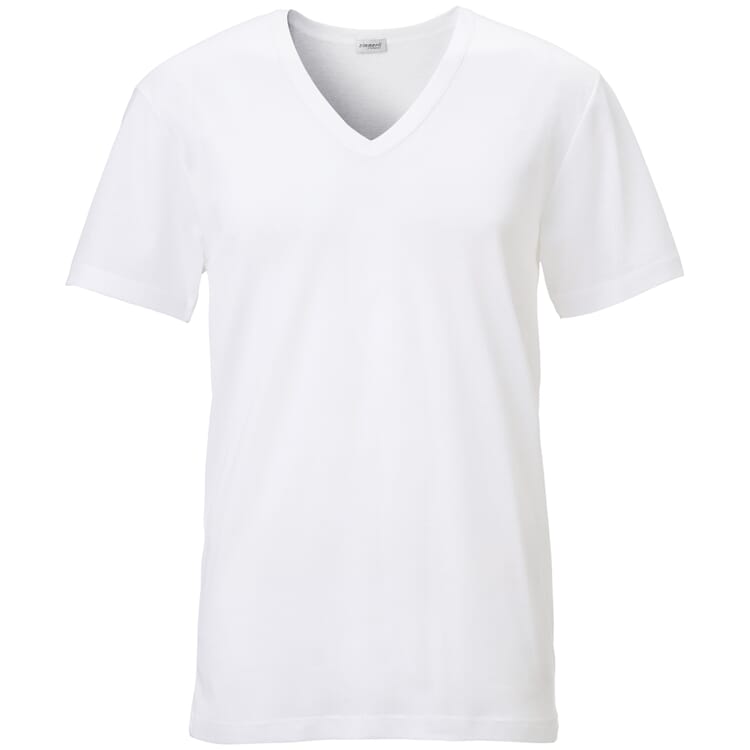
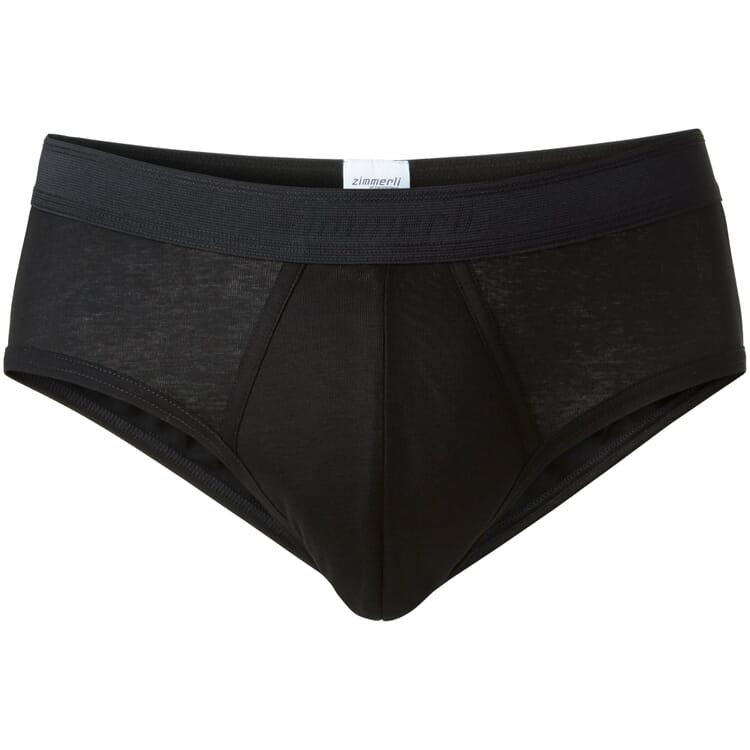
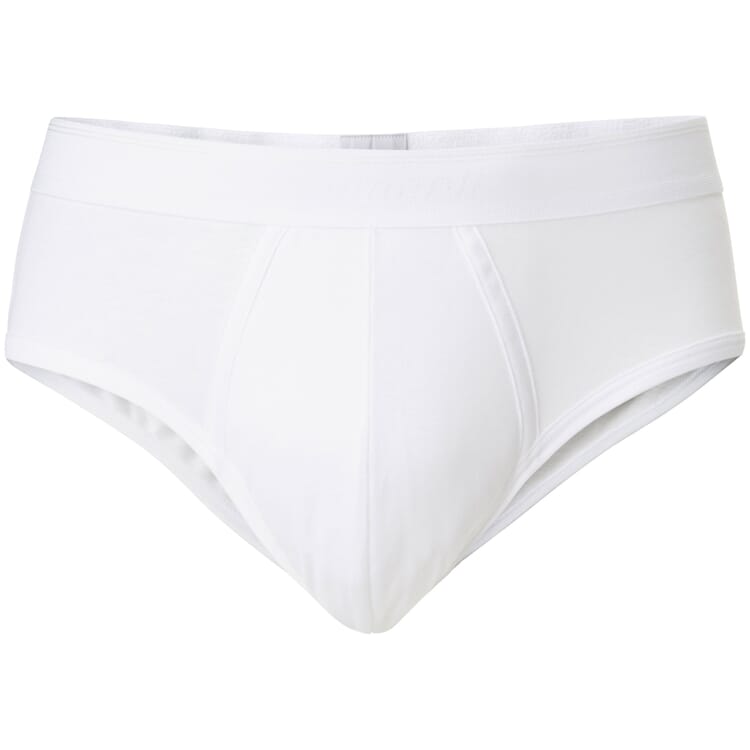
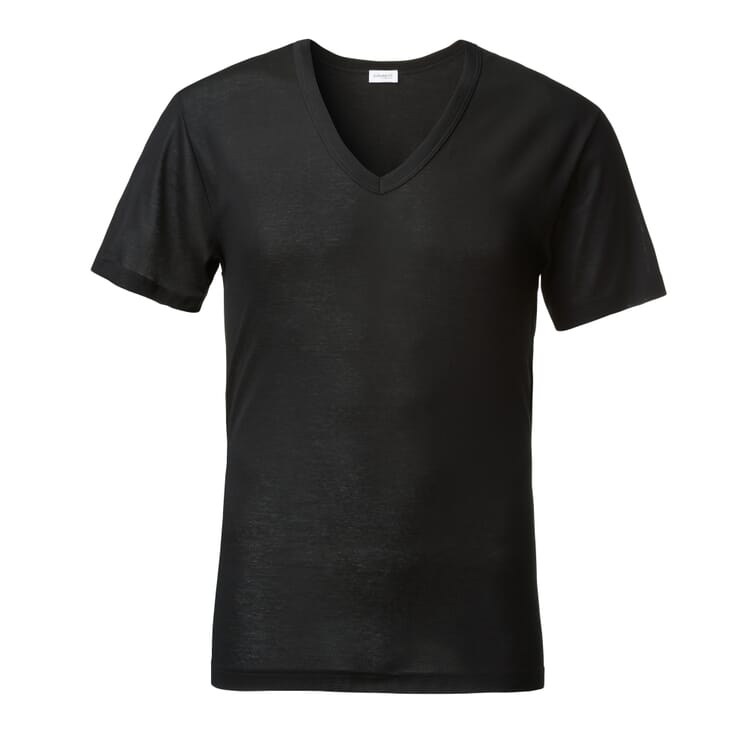
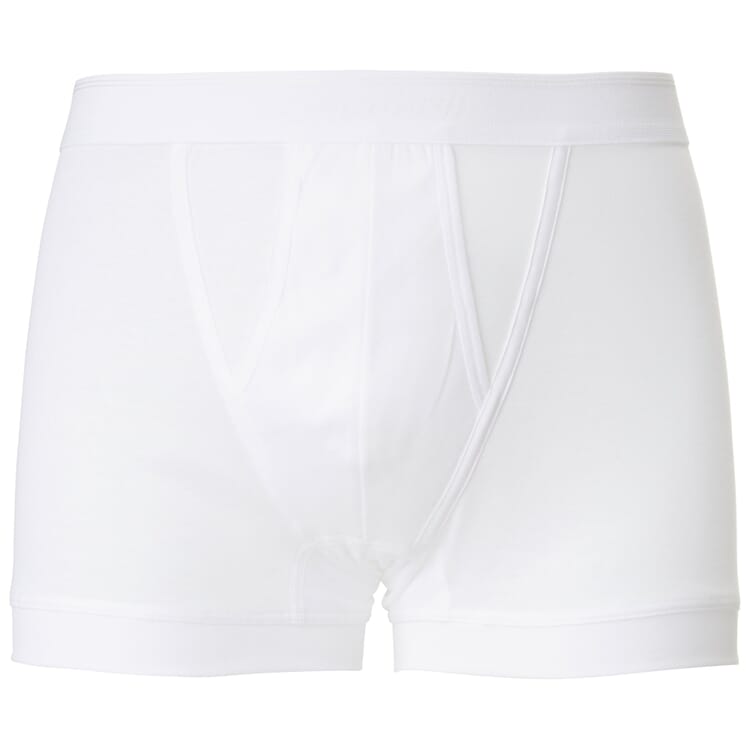
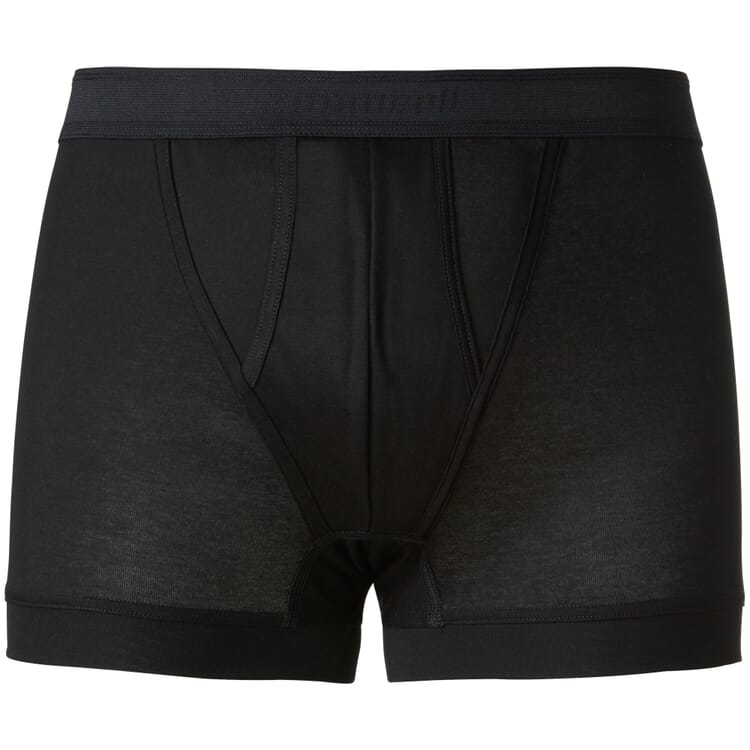
Zimmerli Textil in Aarburg, Switzerland, processes Egyptian mako cotton for its exquisite underwear line. The yarn is processed into an extremely high-twist twist and mercerized twice. This process prevents shrinkage of the ready-made underwear and also gives the product a particularly smooth surface with a unique sheen.






More cotton products




























































Recommended Topics

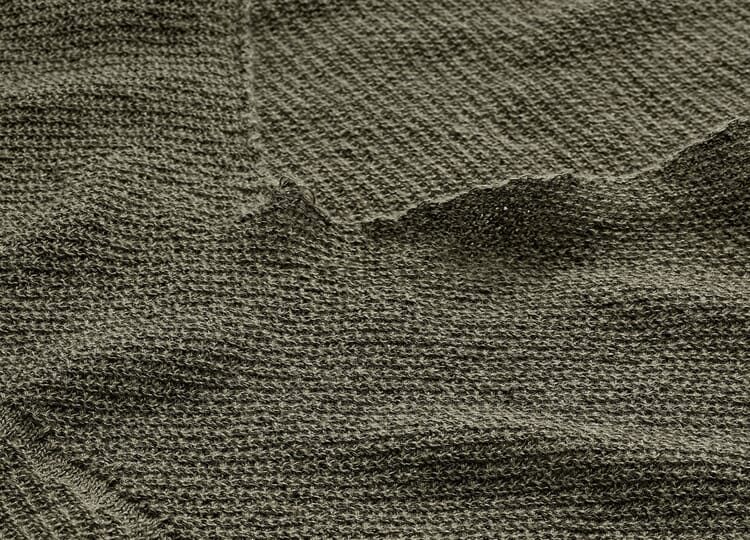
Flax is one of the oldest textile fibers in the world. Processed into high-quality linen, the fiber proves its valuable wearing properties. For example, linen feels pleasantly cool on the skin, especially in the summer months. The fiber owes this cooling effect in particular to its outstanding moisture-regulating capabilities, but it also offers many other advantages.
View more
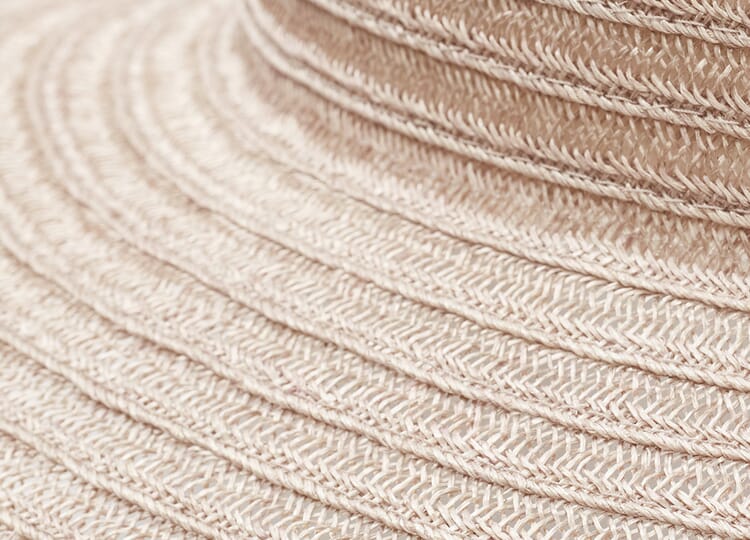
Hemp is one of the oldest useful and cultivated plants in the world and is very versatile. Long displaced by cotton, hemp fiber is now celebrating a comeback. The textile industry is once again turning its attention to the use of hemp fibers. This is a welcome development, because hemp has an excellent ecological balance sheet.
View more