Material
Horse leather. Durable, hard-wearing and with a fine sheen


Horsehide - the term "horsehide" is also commonly used - can be made from the hides of various horse species. Since horses are used less frequently in agriculture today, it is one of the rarer and more luxurious types of leather. Depending on the leather goods to be produced, different areas of the hide are used. For leather jackets and bags, the so-called horsefront leather from the animal's chest area is often used. For very high-quality leather shoes, shell cordovan is the material of choice. This exquisite leather is created from special small sections of skin (called the croup or "shells") from a particular breed of cold-blooded horse. Horse leathers are almost always processed grain side, with the exception of cordovan: here the flesh side forms the cover side.
The properties of horse leather
Horse leather is one of the toughest, most durable, and long-lasting types of leather, with high tensile strength. Compared to cowhide, horse leather is slightly stiffer, but it becomes increasingly soft and supple with use and develops a beautiful, unique patina. Since we feature Shell Cordovan in a separate article, we will refer below to horse leather that is processed as smooth leather—that is, with the grain side facing out.
- Horsehide is an extremely tough leather and has high tensile strength. As a result, it is resistant to losing its shape and can be processed even in thin gauges.
- Due to its dense and firm fiber structure, horsehide is extremely abrasion-resistant, robust, and durable.
- This strength gives horsehide its characteristic sturdiness. Compared to cowhide, it often feels slightly stiffer and more unyielding. As a result, its drape is also more angular than that of cowhide.
- A characteristic feature of horsehide is its smooth and glossy surface. The subtle sheen is created during finishing through a process called “glanzstoßen,” in which glass or agate rollers are pressed against the leather.
- When horse leather is processed as aniline leather (see nappa leather), the natural grain pattern—with its distinctive, fine-pored structure and traces of the horse’s life, such as insect bites or thorn scratches—remains visible.
- Horse leather is naturally fatty. Often, an oily or waxy layer is applied during finishing, which gives the leather a distinctive character and provides additional protection against moisture. This type of leather is referred to as oiled leather or pull-up leather.
- With each passing day, jackets, bags, and other frequently used items made of horsehide become more supple and beautiful. Wearing them is the best way to care for them, as this keeps the leather in motion and creates a distinctive patina marked by light-colored creases that tell the story of the wearer’s life.
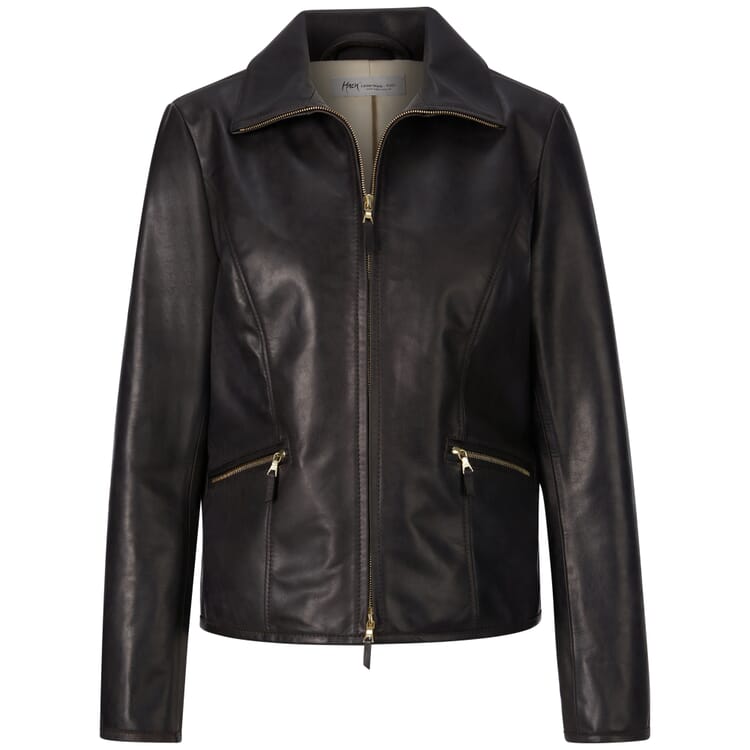
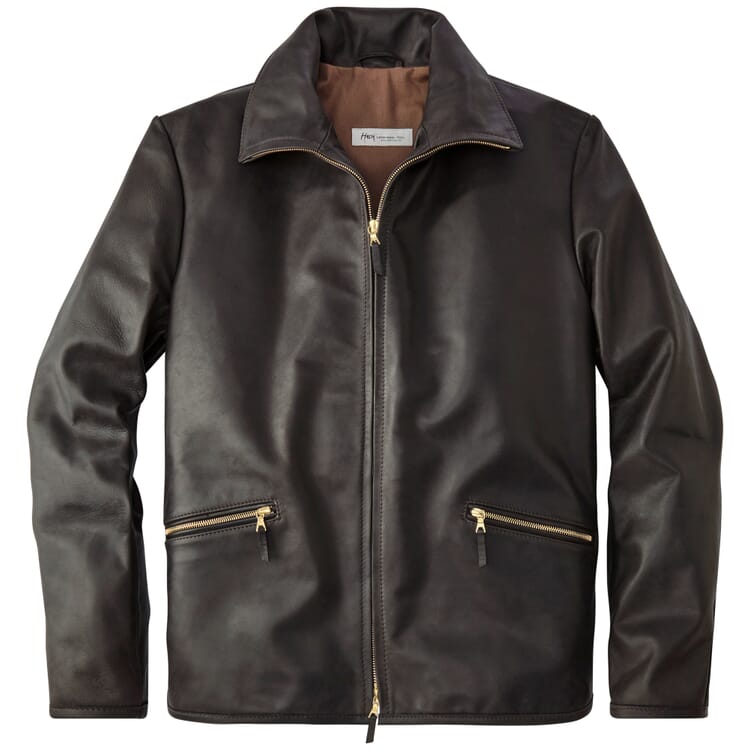
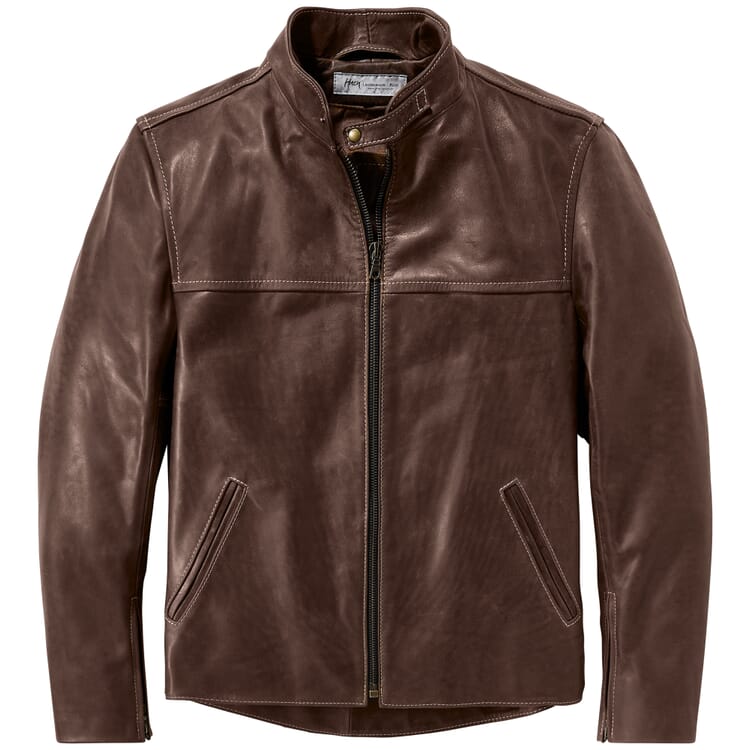
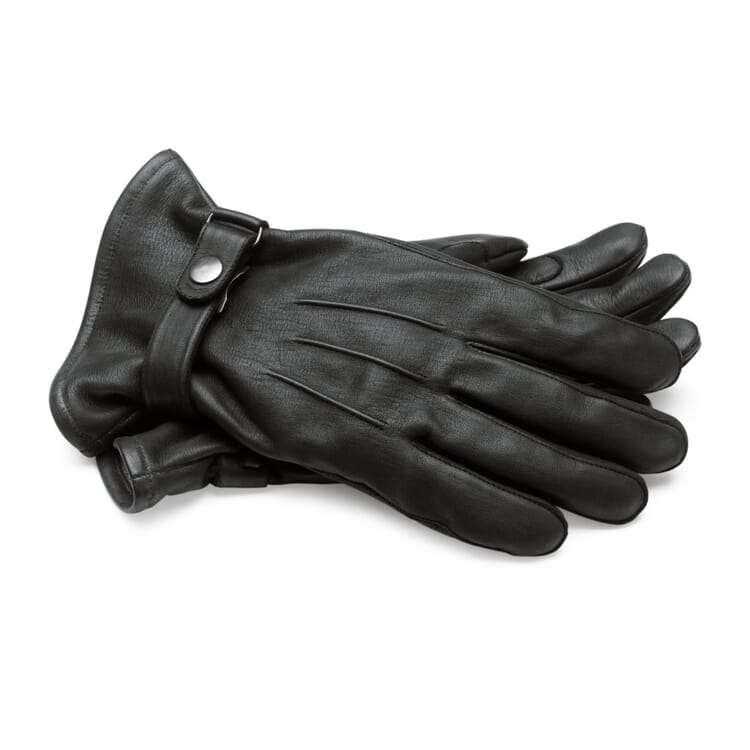
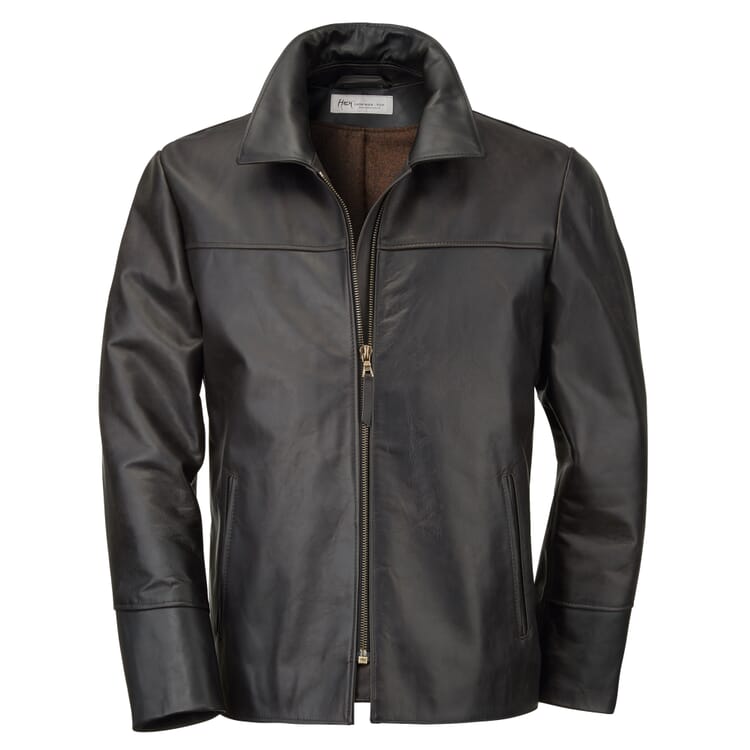
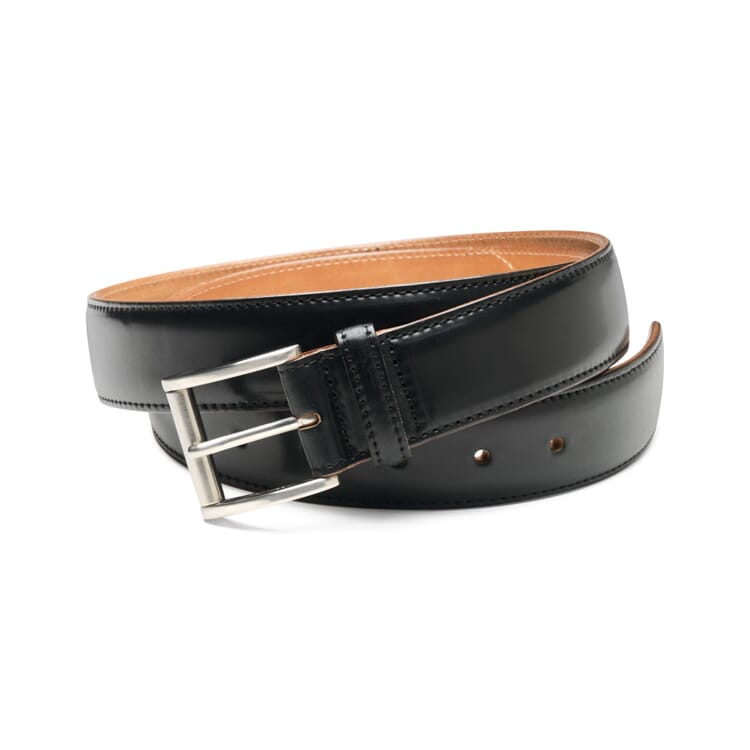
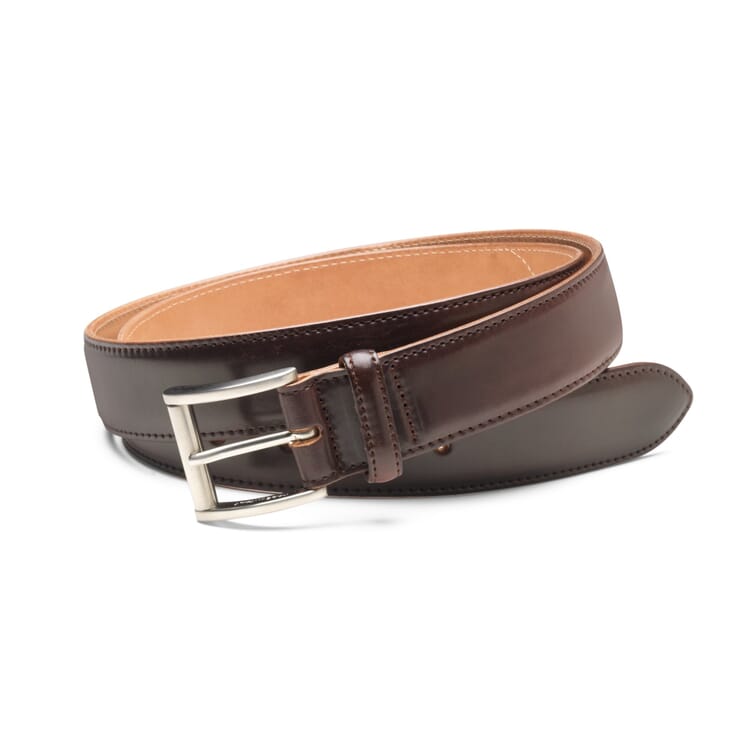
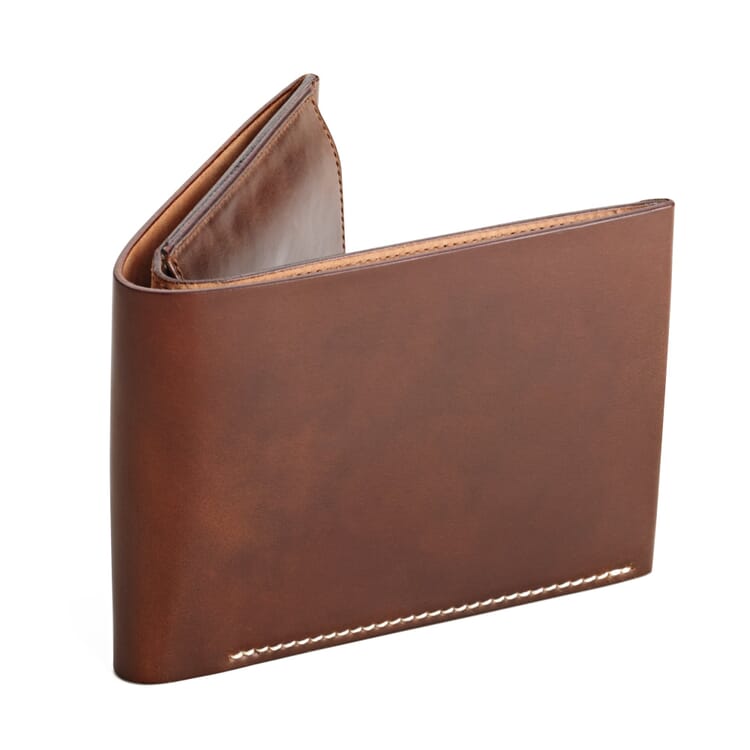
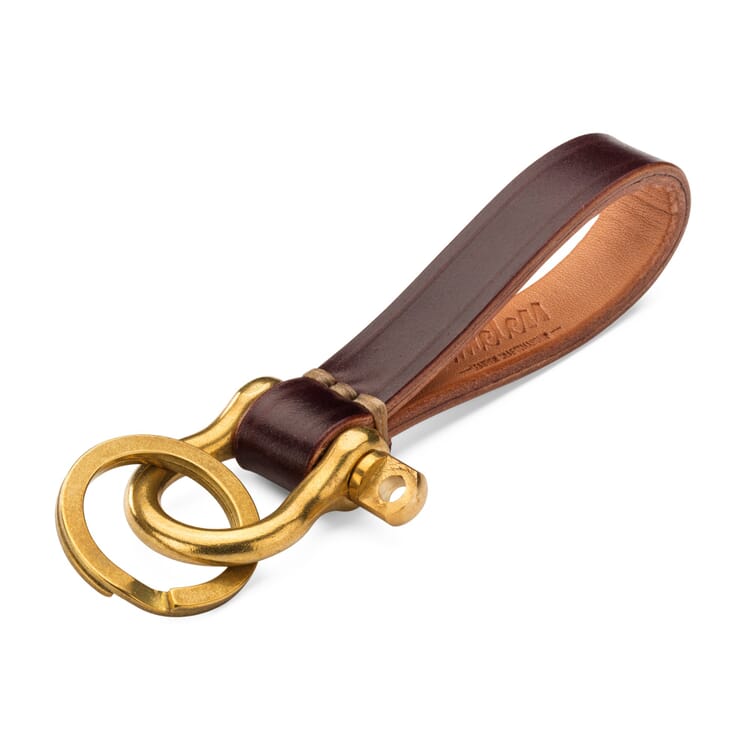
Selected products with horse leather











Recommended Topics

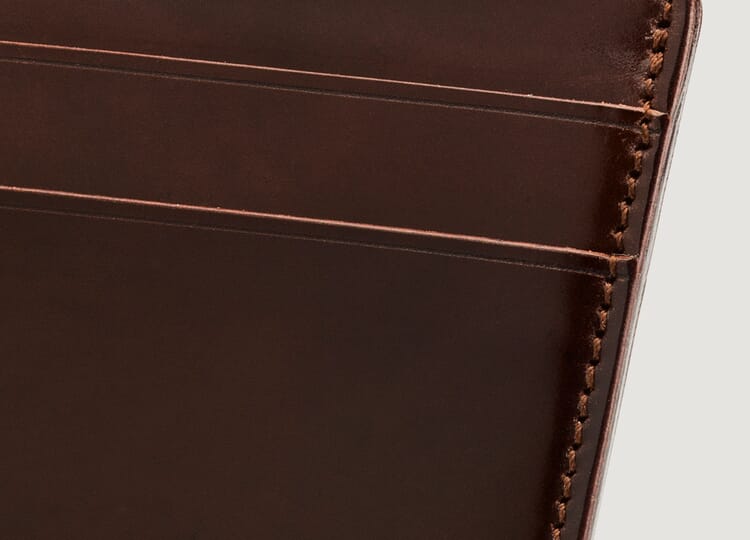
It is one of the noblest and most expensive leathers, and yet it comes not from exotic animals, but from horses. Shell Cordovan is made from the hides of a special breed of cold-blooded horse. While these were often used as draft and work horses in earlier times, they are rather rare today. Only very specific types of skin are used for shell cordovan.
View more
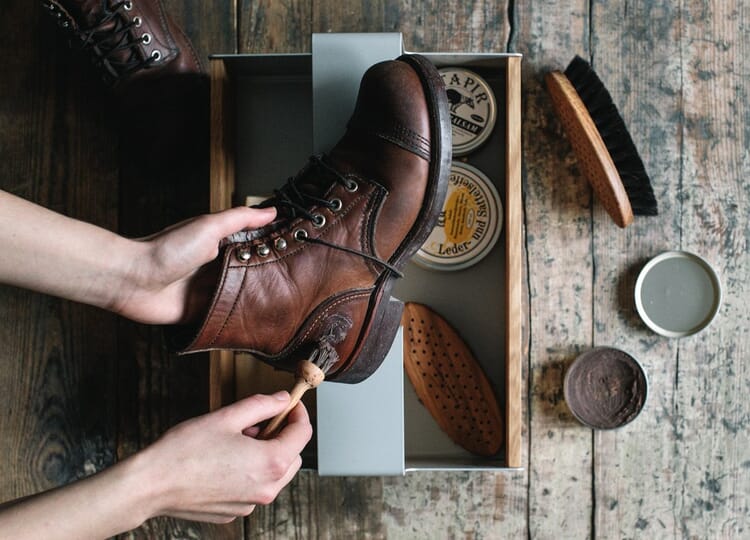
Leather lives. Treatment with greasing care products not only makes it more beautiful, but also gives it back the fluidity that ensures that friction and wear are reduced and delayed in the fiber structure of its material composition.
View more