Material
Deerskin. Soft and durable


Deerskin is obtained from the skin of various deer species such as red deer, white-tailed deer, roe deer and fallow deer, as well as elk and reindeer. Since the animals live largely in the wild on all continents, deerskin belongs to the category of suede. Unlike other leathers, it is only available in small quantities, as deer hunting is subject to strict regulations. It is therefore one of the rarer, more exquisite types of leather.
The properties of deerskin
Deer leather tanned using the chamois or old-style chamois method is soft, warm, almost woolly to the touch, and virtually indestructible. In chamois tanning, the transformation of the skin’s protein fibers into leather fibers is based on the oxidation of animal fats and tallow, which are worked into the fibers. A characteristic feature of this type of tanning is the yellow underside of the leather.
If the leather is vegetable- or mineral-tanned and only the top layer is processed, the deerskin reveals its typical grain—the natural surface of the hide with all its distinctive features. The leather often bears traces of life in the wild; insect bites, small scars from thorns, or signs of struggle attest to the material’s authenticity and give it a unique character. Above all, however, deerskin possesses unique properties that make it the preferred material for clothing, gloves, and bags:
- Deerskin is exceptionally soft, supple, and lightweight, making it ideal for clothing and ensuring high comfort.
- Thanks to the long, tightly interwoven fibers of the deer hide, the leather is both elastic and dimensionally stable. This allows it to conform perfectly to the body.
- For the same reason, it is also extremely tear-resistant, making it durable and, with proper care, very long-lasting.
- Deer leather is also permeable to water vapor and air, making it breathable.
High-quality leather requires little care. Frequent wear is enough, because the movement continuously tumbles the leather and it remains supple. With use, as well as through light and weather influences, the color and surface of the leather change: Over time, an individual patina develops, which at the same time protects the leather and should therefore not be "cleaned out". You can simply brush off dried dirt with a crepe brush. You can clean impurities caused by grease with a moistened sponge and neutral soap. Make sure that the leather is not completely soaked. Rub rough leather with a crepe brush after it has dried. This will roughen up areas that have become smooth.
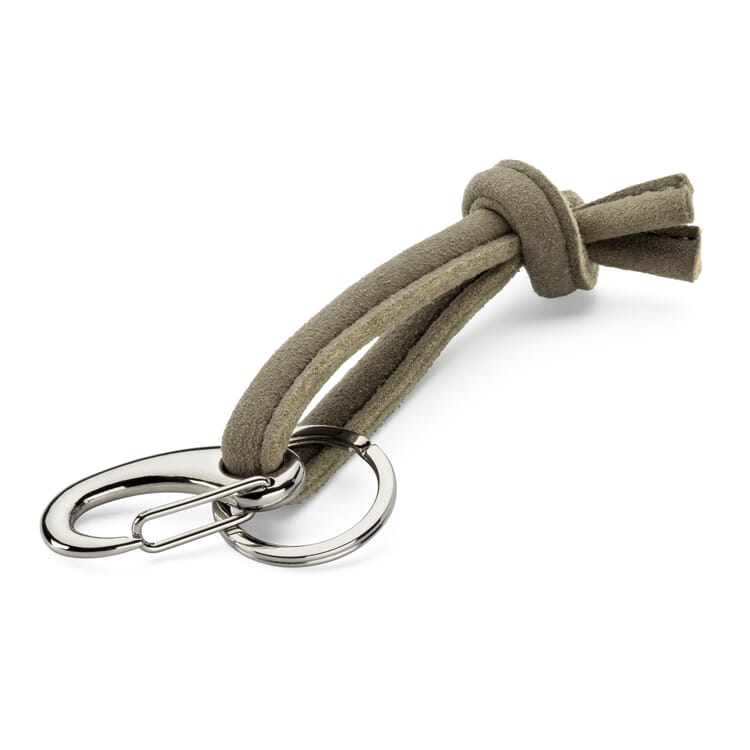
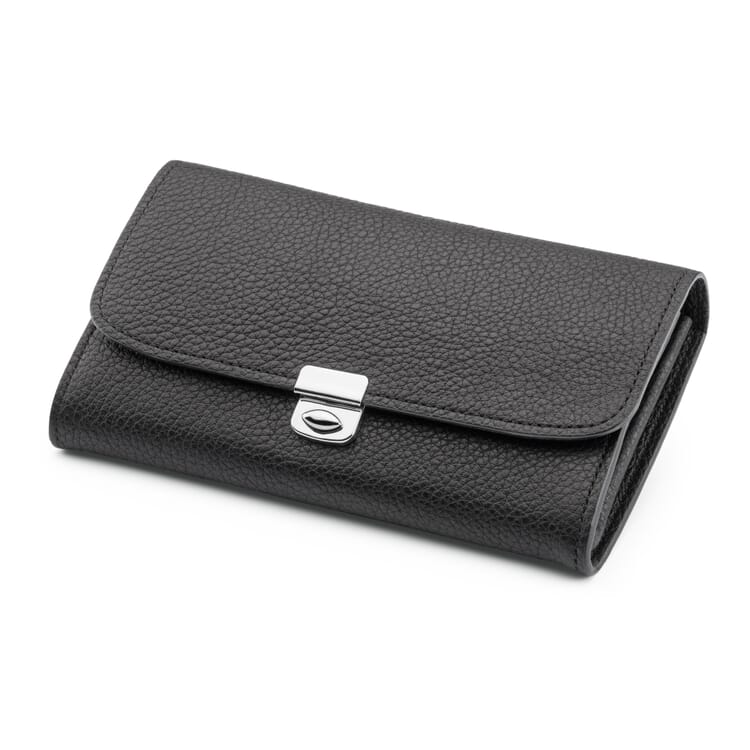
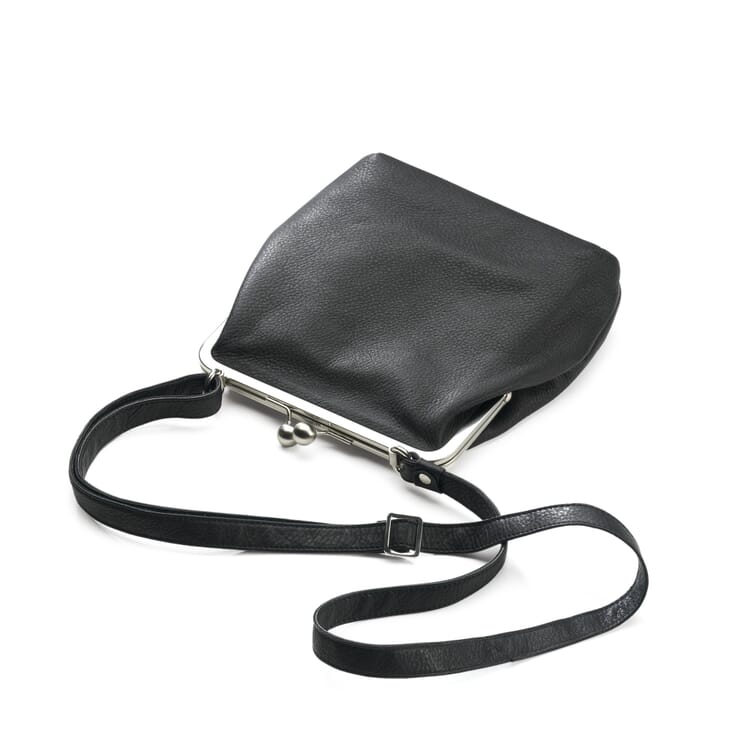
Selected products with deerskin

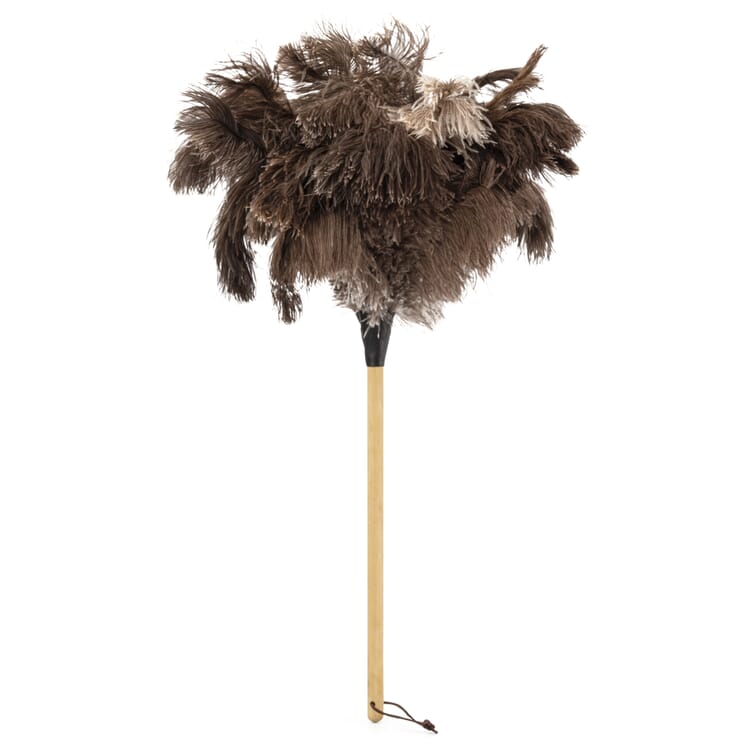

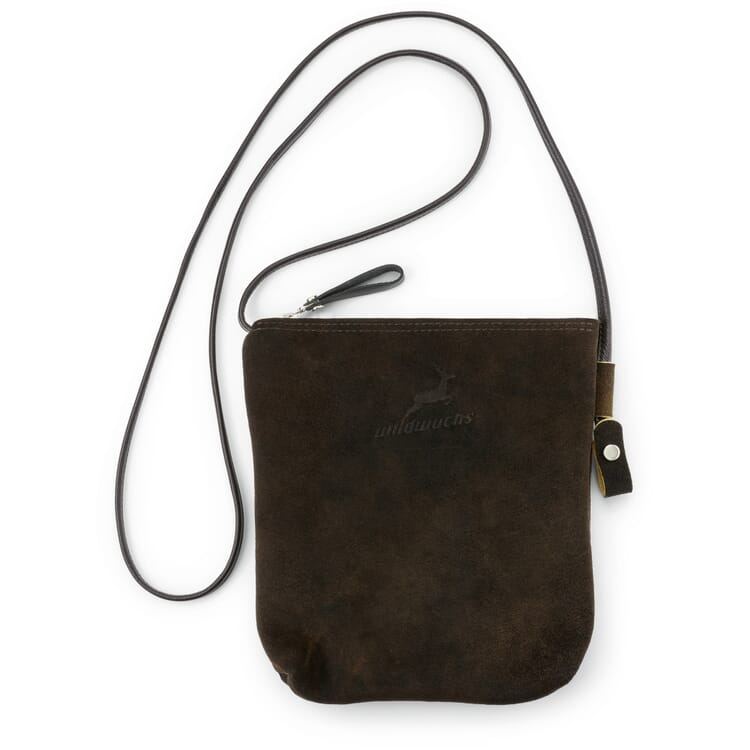

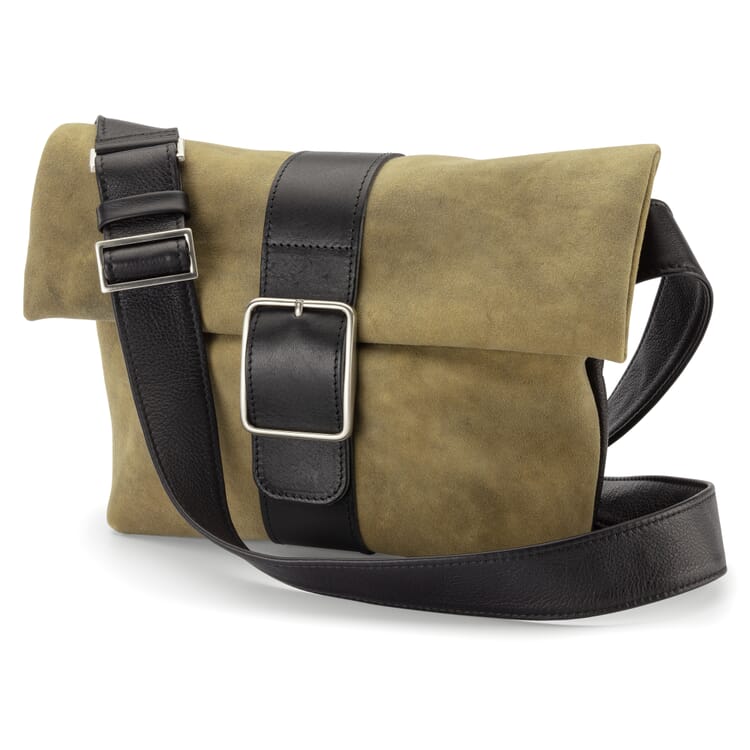

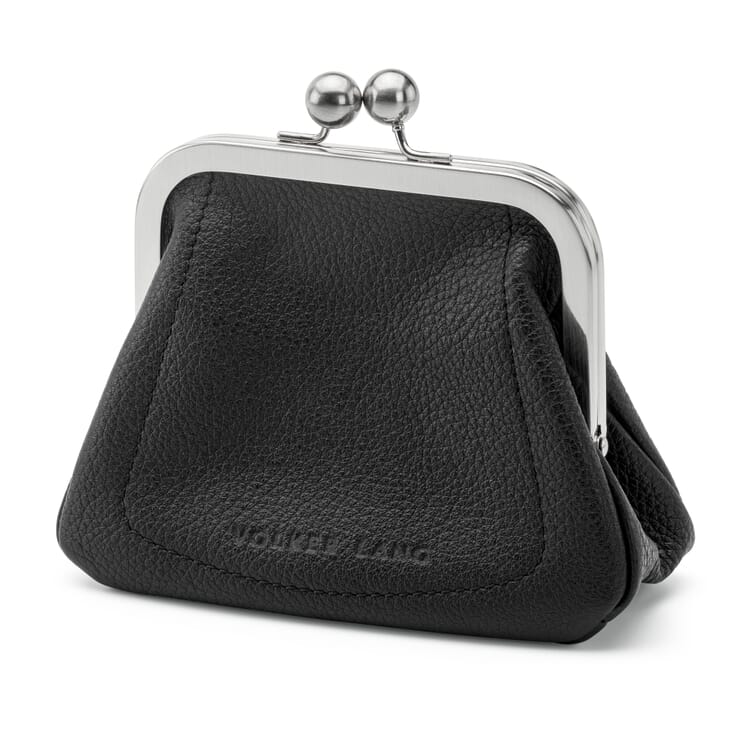





Recommended Topics

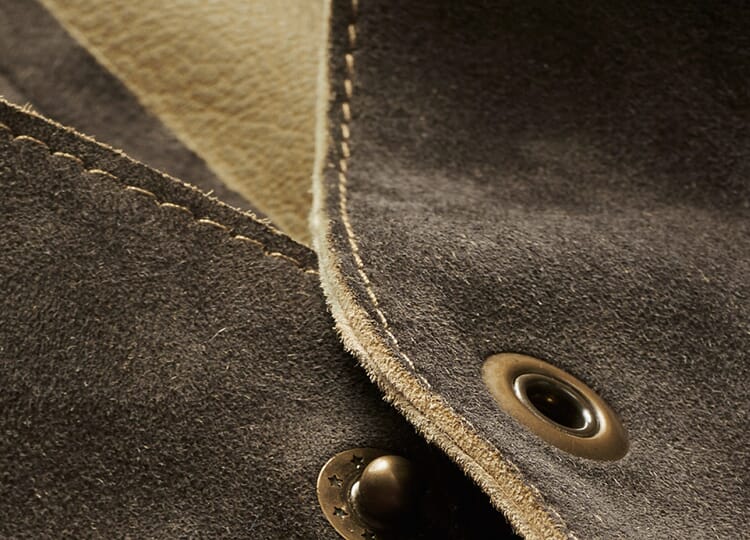
Suede leather, also known as "suede" in the English-speaking world, is one of the rough leathers and is made from the hides of various animal species. It usually comes from domesticated animals such as cattle, calves, pigs, goats or sheep, and somewhat less frequently from wild game such as deer.
View more
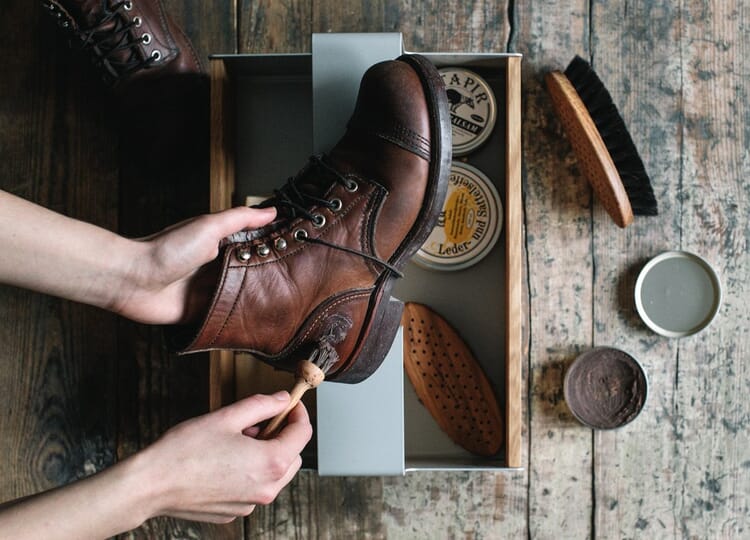
Leather lives. Treatment with greasing care products not only makes it more beautiful, but also gives it back the fluidity that ensures that friction and wear are reduced and delayed in the fiber structure of its material composition.
View more
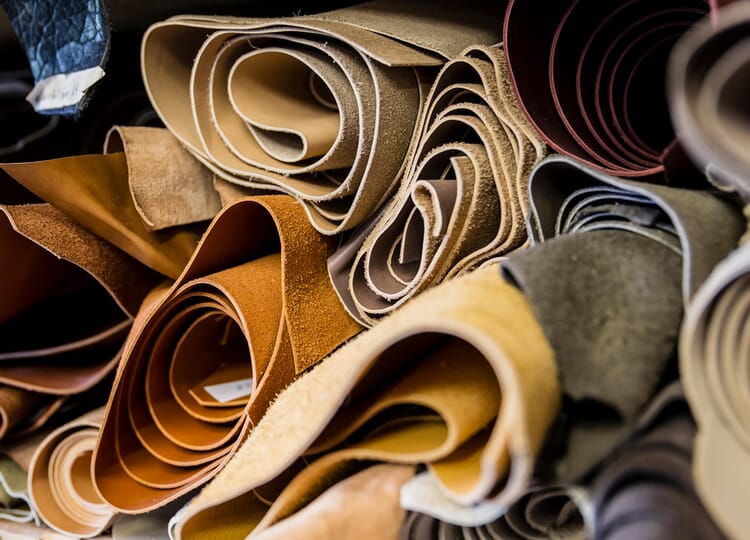
Tanning is the process by which animal hide acquires its resistance to water and decay. Protein fibers are converted into leather fibers in the process - a process that cannot be replicated synthetically. In addition to the nature of the raw material, the type of tanning determines the quality and properties of the leather end product: the strength, stretchability, water tolerance, hardness or suppleness of the leather are largely determined by the tanning process.
View more