Material
Leather care tips


How much care a leather needs depends on various factors - for example, the particular leather goods and leather type, the use and wearing habits and also significantly on the quality of the leather. For high-quality leather jackets, for example, frequent wearing is the best care. This is because the leather is continuously tumbled and kept supple by the movement. With any leather, the color and surface change with use, as well as through light and weathering. Thus, a beautiful, individual patina develops over time, which at the same time protects the leather and should therefore not be "cleaned out". Whichever leather care product you choose, look at the ingredients. Because products made from natural ingredients are not only good for the leather, but also for the environment.
Care of smooth leather
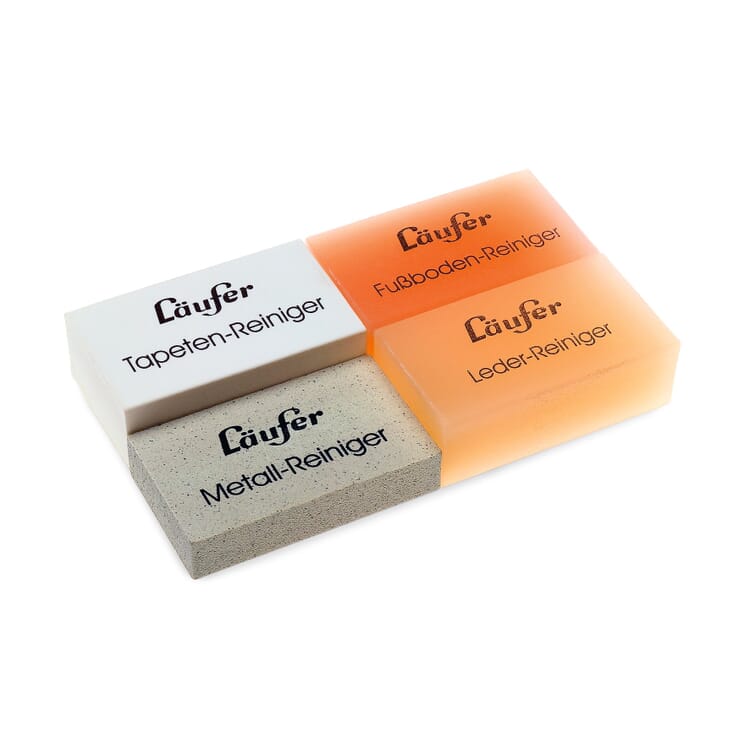
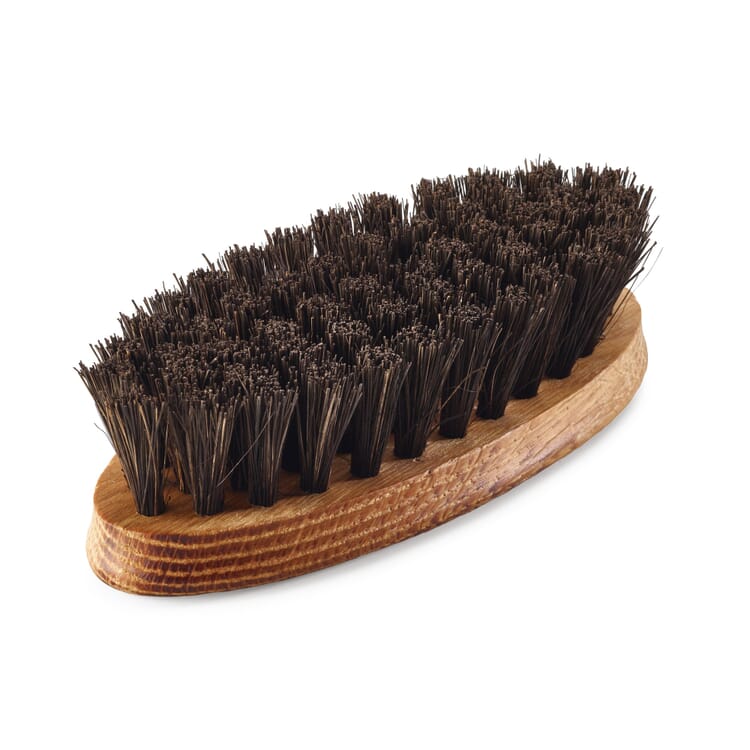
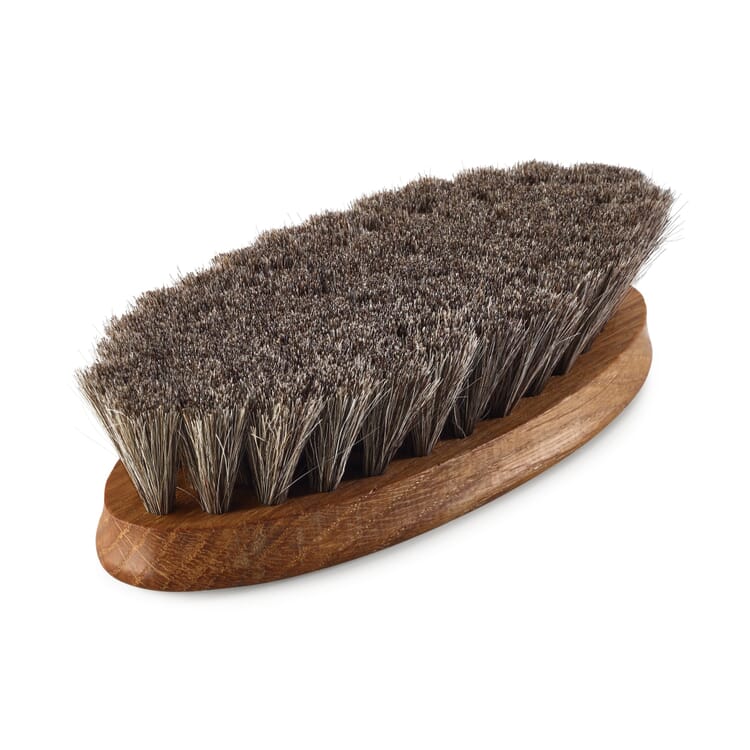
- You can easily **remove dried dirt with a horsehair brush. Minor stains can be effectively removed with a leather eraser.
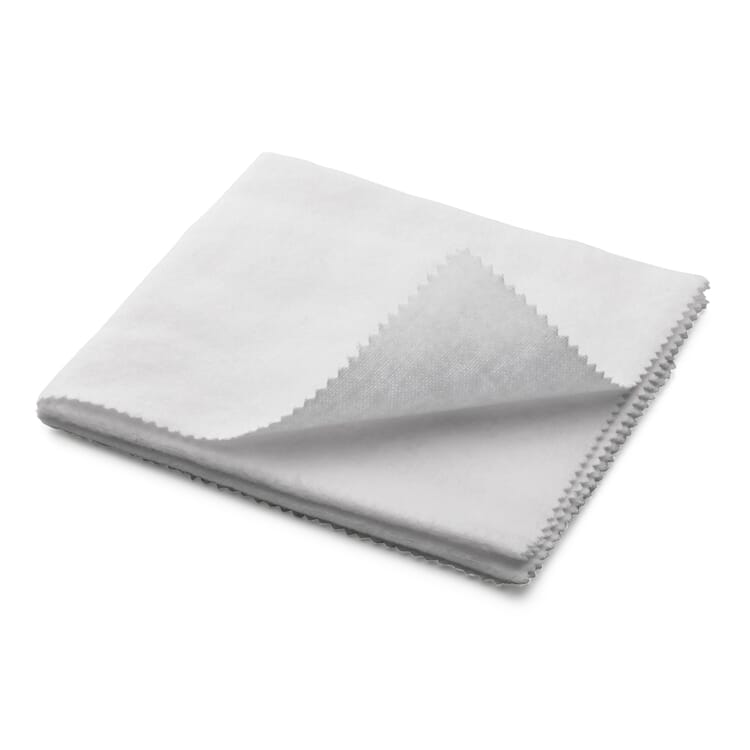
- Grease stains can be cleaned with a damp sponge and mild soap. Be careful not to let the leather become completely saturated. Then wipe the damp area with a lint-free cloth and let it dry.
- If your leather jacket or leather bag gets caught in the rain, it’s best not to let the droplets sit; instead, use a lint-free cloth to spread them evenly across the surface. Then let it dry thoroughly on a wide hanger in a well-ventilated area.
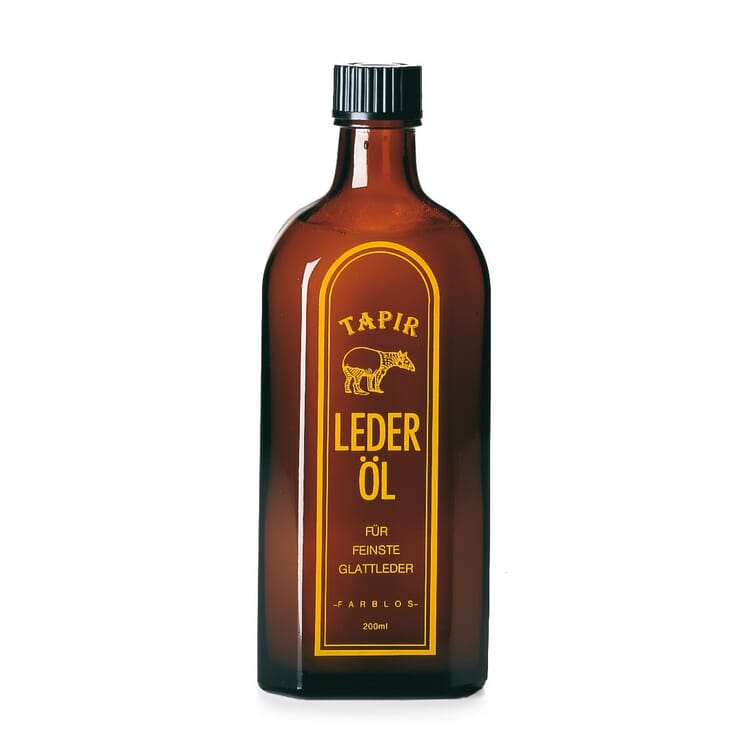
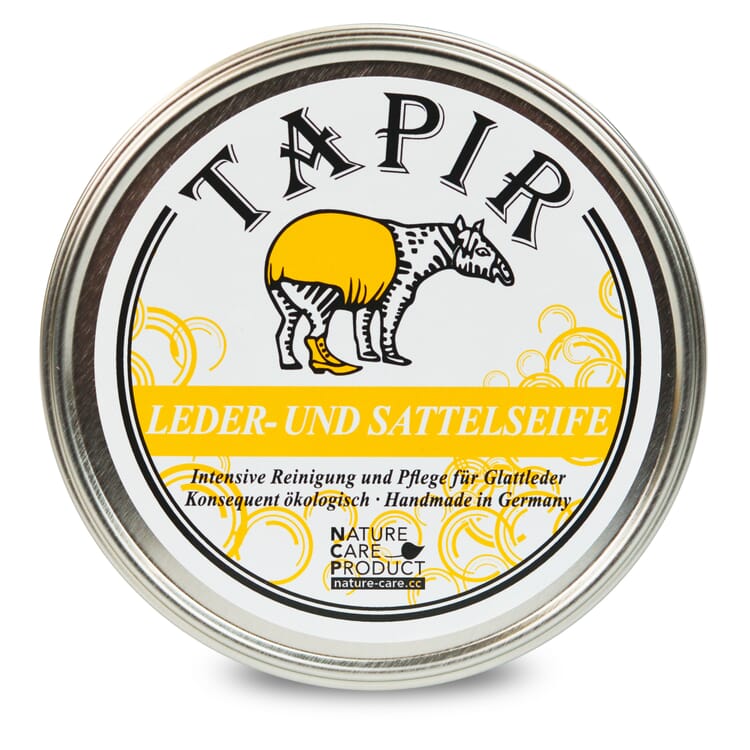
- Leather bags often have to withstand more wear and tear in daily use than leather jackets. For dirt and stains, we recommend either leather and saddle soap (for sturdy, heavy-duty leather) or a cleansing and conditioning leather oil (for finer leathers).
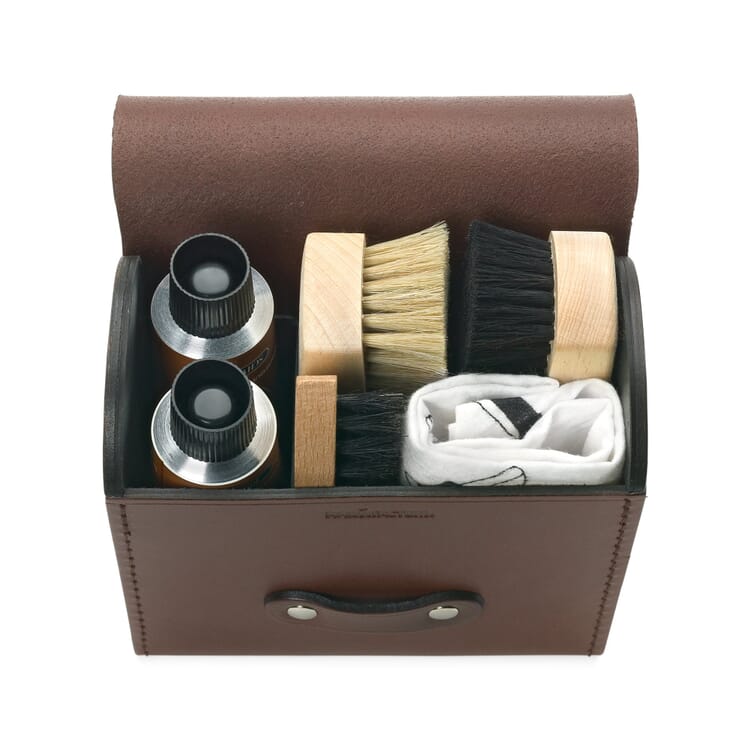
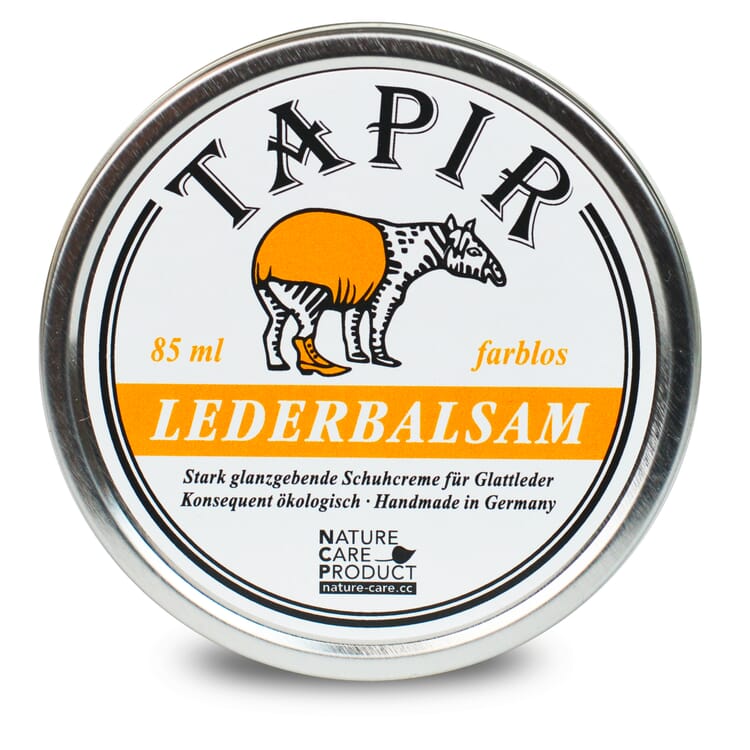
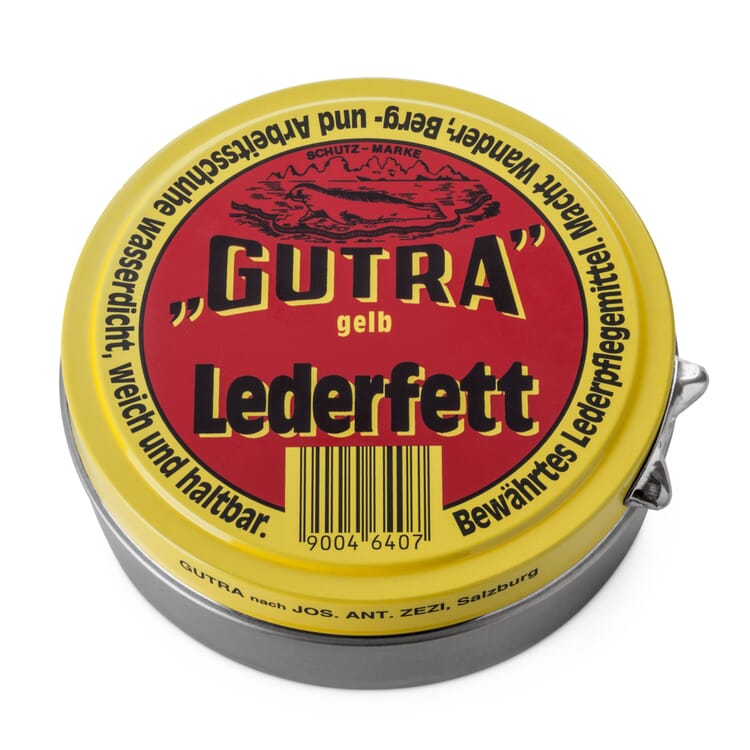
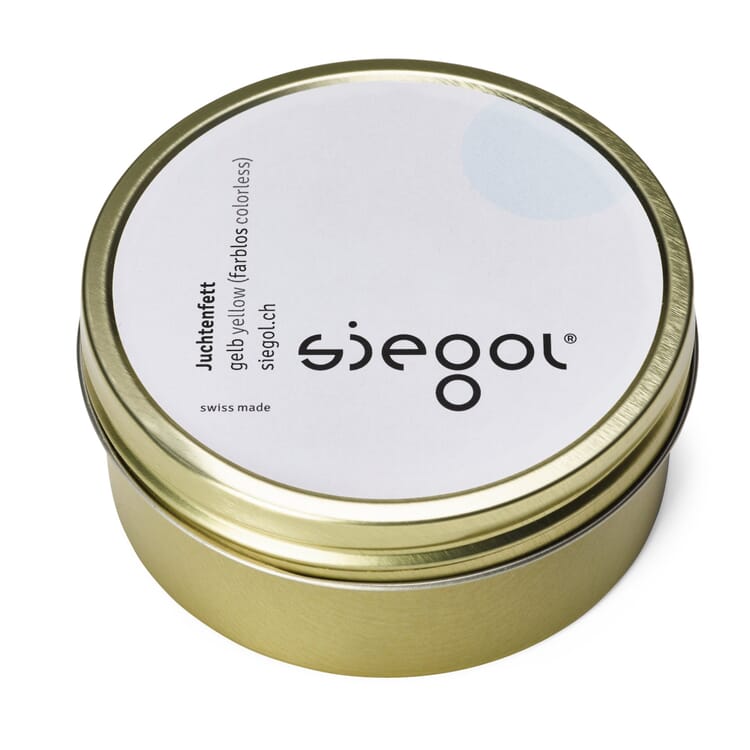
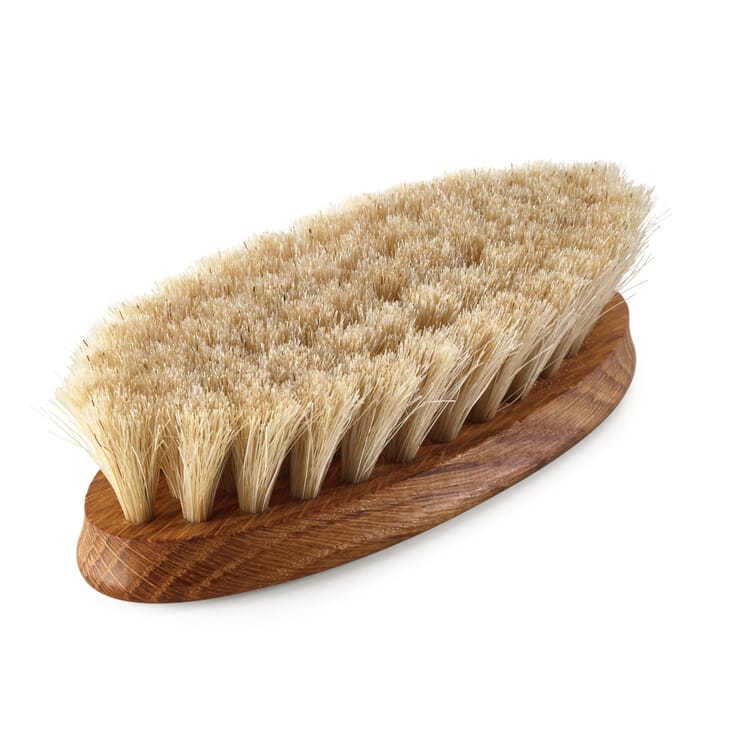
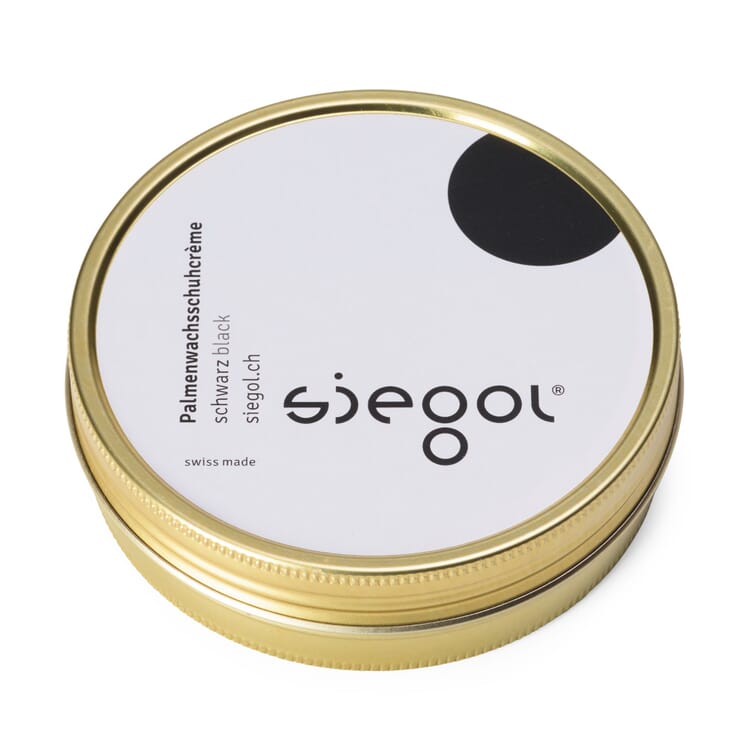
- With shoes, the leather can dry out from frequent wear, especially in wet weather. To restore its suppleness and shine, you can apply leather conditioners, shoe creams, or waxes and then polish the leather with a shine brush.
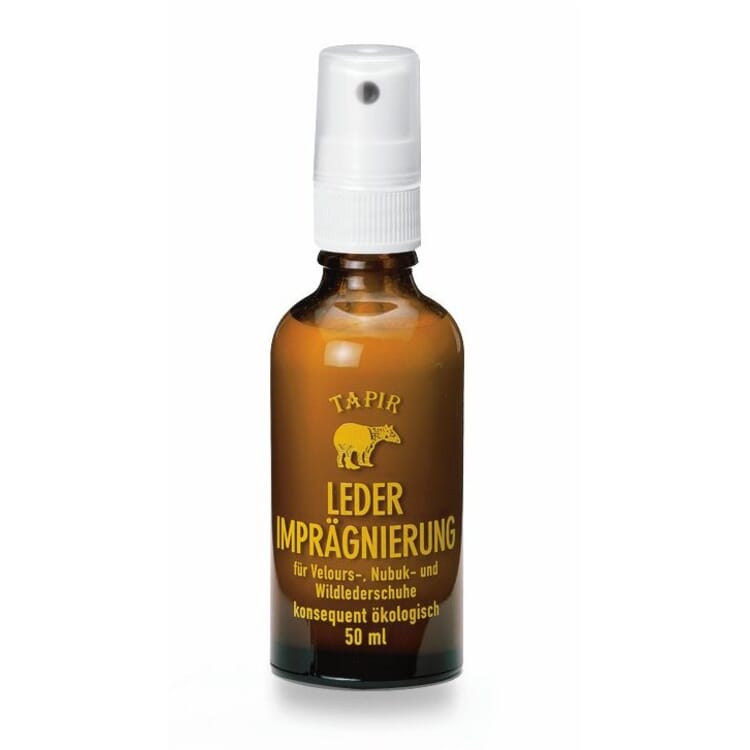
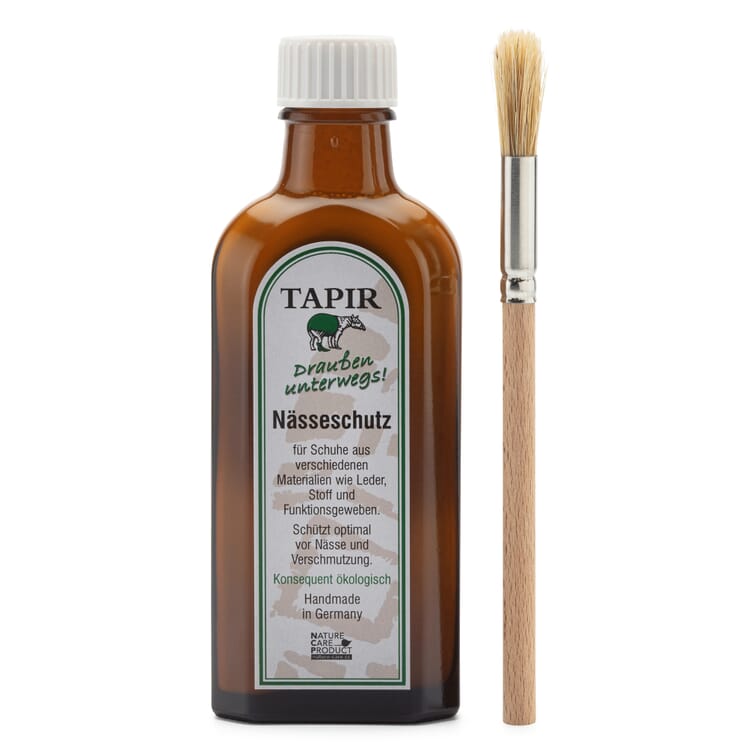
- Use waterproofing agents sparingly, as too much can clog the pores of the leather and impair its breathability. Make sure to apply the product evenly to avoid streaks. Any residue can be easily removed with heat—such as from a hair dryer—and a lint-free cloth.
Suede leather care
- Regular care is essential for suede and nubuck leathers; the most important tool is the crepe brush. It not only removes dust and dirt but also helps restore the texture of sticky, greasy areas.
- You can tackle individual stains and greasy spots with a leather eraser. Or you can use a mild soap, shampoo, or a (shoe) cleaner specifically designed for suede to remove stains.
- To preserve the open-pored surface and prevent the fibers from sticking together, avoid care products that are high in grease or wax.
- To prevent moisture from penetrating too deeply into the leather, you can treat suede from time to time with a special waterproofing agent for suede. However, the material remains sensitive to moisture, so your suede shoes, jackets, or bags are much better off at home during rainy weather.
By the way, you can find more tips on caring for smooth and suede leather shoes in our guide Cleaning and Caring for Shoes.
Shell cordovan shoes care
- For shoes made of Shell Cordovan, the rule is: Less is more. To ensure the shoes retain their characteristic Cordovan sheen and you can enjoy them for a long time, you must never over-condition the leather. Too much shoe polish can actually damage the shoes, as the leather itself is already very rich in natural oils. Above all, you should absolutely avoid using solvent-based care products.
- For cleaning and care, it’s best to use a horsehair brush and a soft polishing cloth. Even so-called grease blooming—a whitish film that can form on Cordovan shoes due to fluctuations in temperature or humidity—can be easily brushed back into the leather.
- You can polish away small scratches or scuffs, for example, using the back of a spoon in circular motions.
- A final fine polish with a goat-hair polishing brush brings out the shine even more clearly.
- As a general rule for many leather shoes: Don’t wear them every day; instead, wear them every other day so the leather can dry thoroughly. It’s recommended to use shoe trees after wearing them and during care.
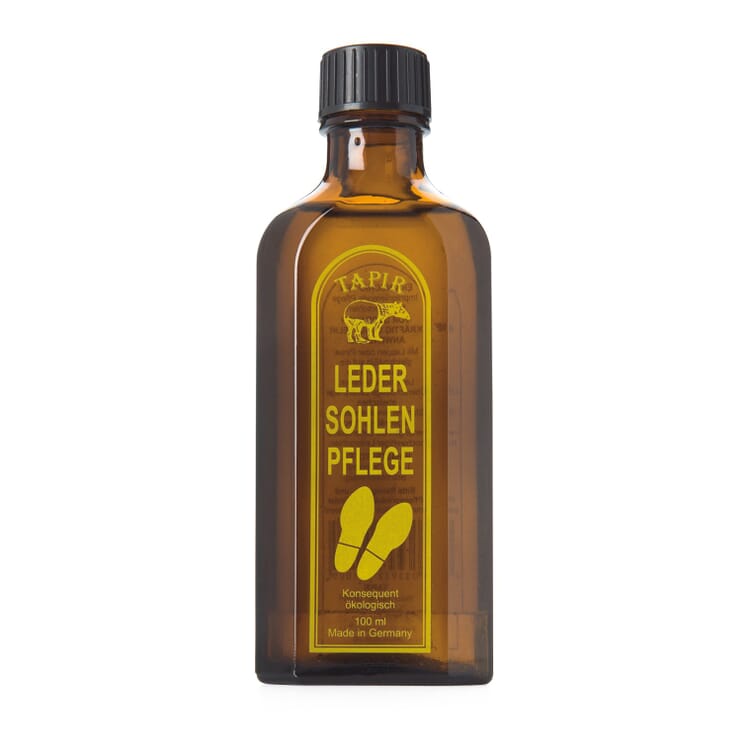
Selected products for leather care

















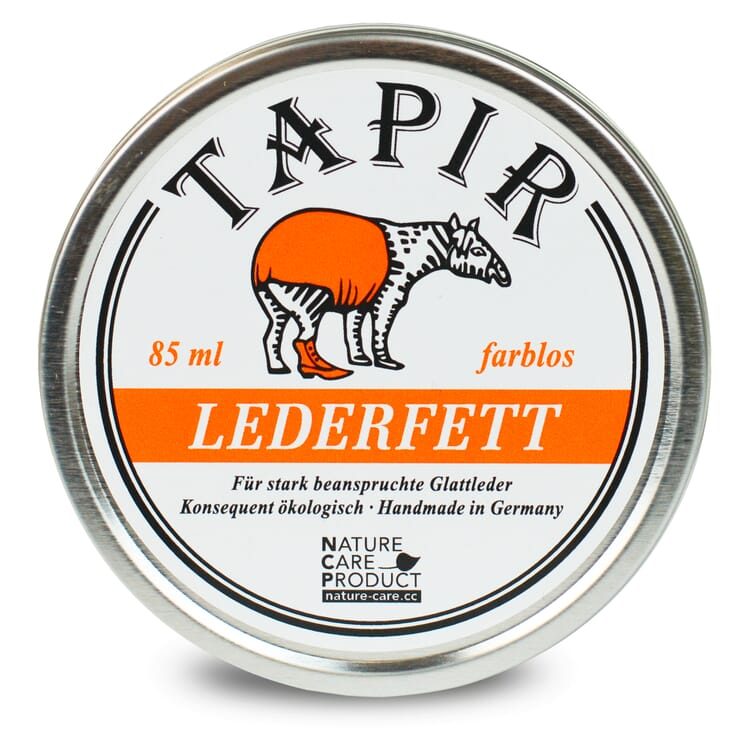

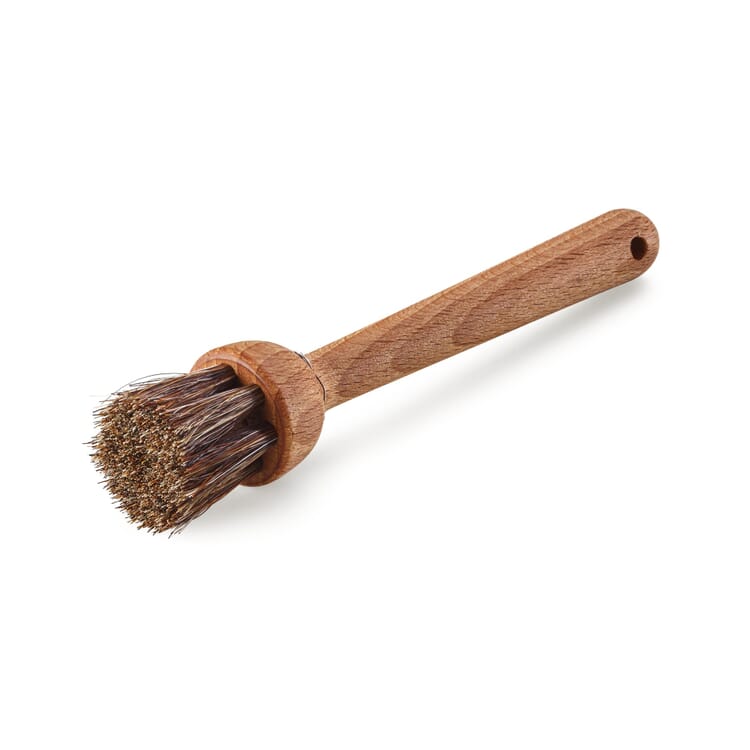
Recommended Topics

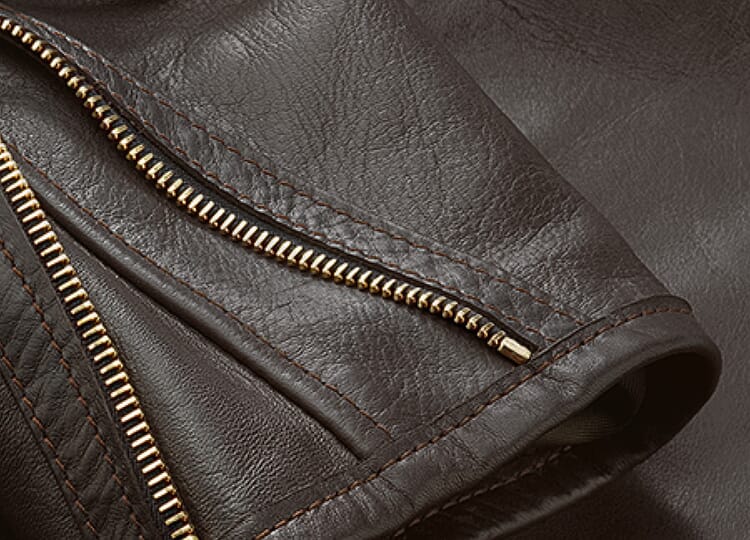
Horsehide - the term "horsehide" is also commonly used - can be made from the hides of various horse species. Since horses are rarely used for agricultural purposes today, it belongs to the rare and luxurious types of leather. Depending on which leather goods are produced, different areas of the hide come into question.
View more
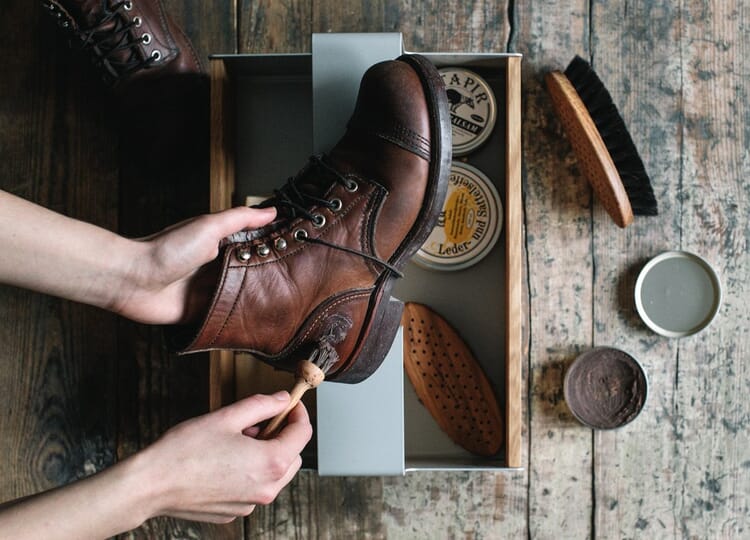
As we all know all too well: finding beautiful and comfortable shoes is a real challenge. Once you've found what you're looking for and don't want to take them off, it's a good idea to think about proper shoe care.
View more