Material
Silk. Skin friendly and soft flowing


Real silk** or cultured silk is obtained from the cocoons of the Maulbeaver silkworm (Bombyx mori), which consist of a silk thread up to three kilometers long. This is also referred to as the only continuous fiber found in nature. In a complex process, the threads are carefully unreeled from the cocoon, degummed and spun. Silk was probably discovered in China in the 3rd millennium before our era. The extraction process remained a closely guarded secret for a long time. It was not until the 6th century of our era that silkworms came to Europe. Soon the first silk metropolises were founded in Italy and France. Today, silk is primarily produced in China, Japan and India. But Italy also wants to revive the old glory days: In Veneto and, more recently, in Calabria, silk production is being revived.
The properties of silk
Silk is one of the most luxurious and delicate fabrics. Few fabrics feel as pleasant to the touch or drape as softly and smoothly against the skin. And even though it may not seem so at first glance, silk is actually extremely durable. Below, we explain the specific benefits of this precious fiber and how you can care for your silk garments:
- The term “silky sheen” is no coincidence. Silk is characterized by its soft, lustrous surface with a slightly iridescent sheen.
- Silk can be stretched by about 15 percent without tearing. And as fine as the wafer-thin threads are, they are actually stronger than steel in relative terms. This makes silk both tear-resistant and elastic, which ensures that silk clothing retains its shape exceptionally well.
- The silk fiber consists of fibrin, a horn-like protein whose chemical structure resembles that of human skin. In addition, the fiber is particularly light due to its low density. These factors make silk exceptionally gentle on the skin and therefore also very well suited for people with allergies.
- Thanks to its smooth surface, silk is not only incredibly supple but also stain-resistant and resistant to odors.
- Silk is breathable. The fiber can absorb up to 30 percent of its own weight in liquid without feeling damp. It dries quickly and is virtually wrinkle-free.
- Silk has a climate-regulating effect. At higher temperatures, silk fabrics feel pleasantly cool against the skin, while they keep you warm in cold weather.
- Blends of silk and virgin wool or silk and alpaca hair are ideal for people with skin sensitive to wool. These blends combine the skin-friendly properties of smooth, durable silk with the exceptional warmth of wool or alpaca hair. Cotton blended with silk is an excellent combination for light, airy summer fabrics.
When caring for silk fabrics, you should proceed carefully and first follow the instructions on the label. For wet cleaning, a special alkali-free detergent for silk is recommended. To do this, you should only gently move the garments back and forth in lukewarm water for a short time and then rinse them in cold water with a teaspoon of vinegar. This removes soap residue, smoothes the fibers, keeps the fabric supple and freshens the colors. Since silk is very delicate when wet, only gently squeeze the fabric, but do not wring it out. Then allow the garments to air dry on a shaping iron, but avoid direct sunlight, otherwise the colors may fade and the fabric may become brittle.
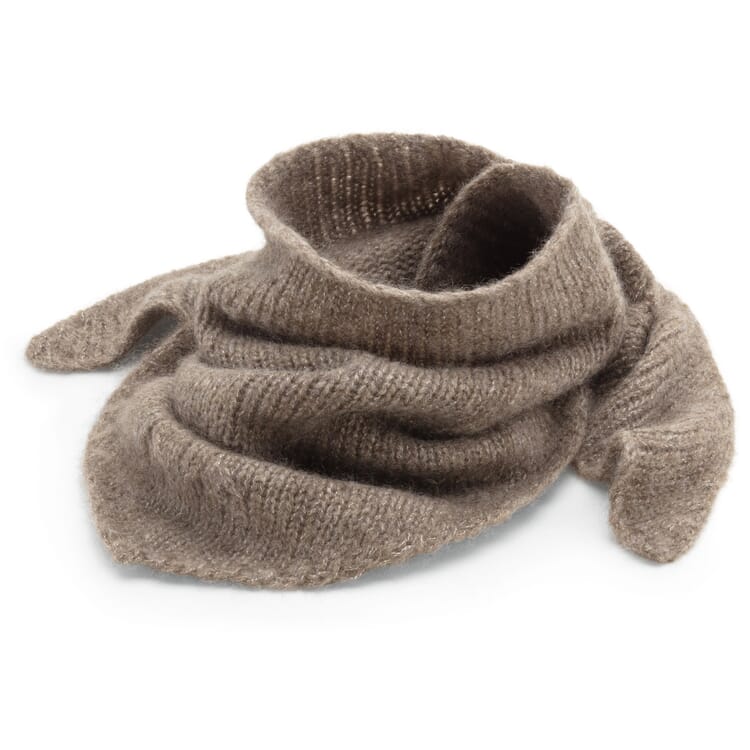
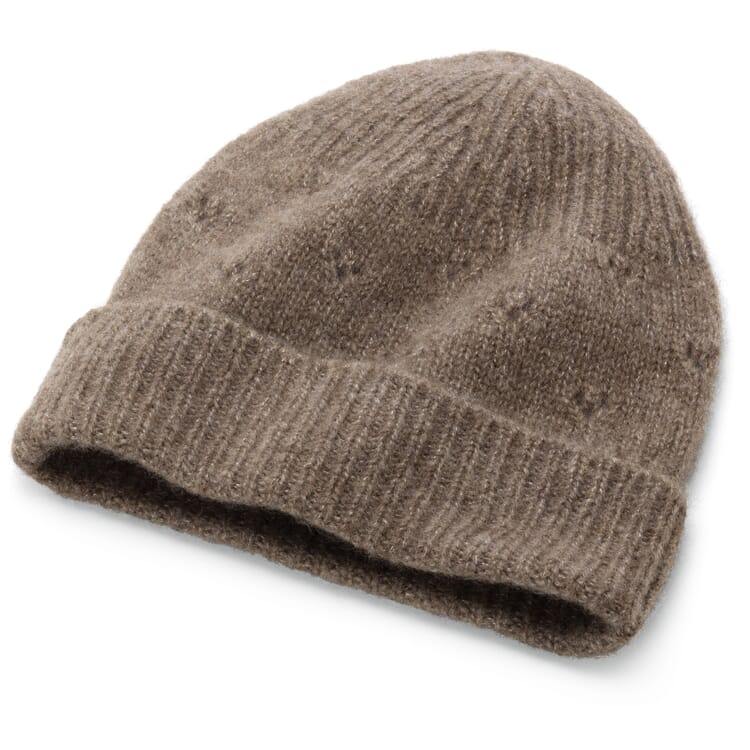
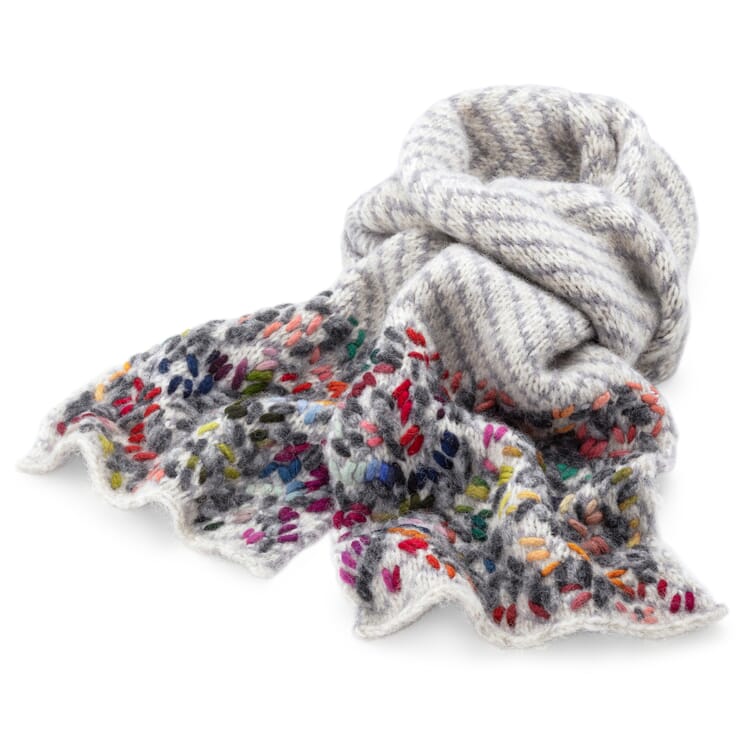
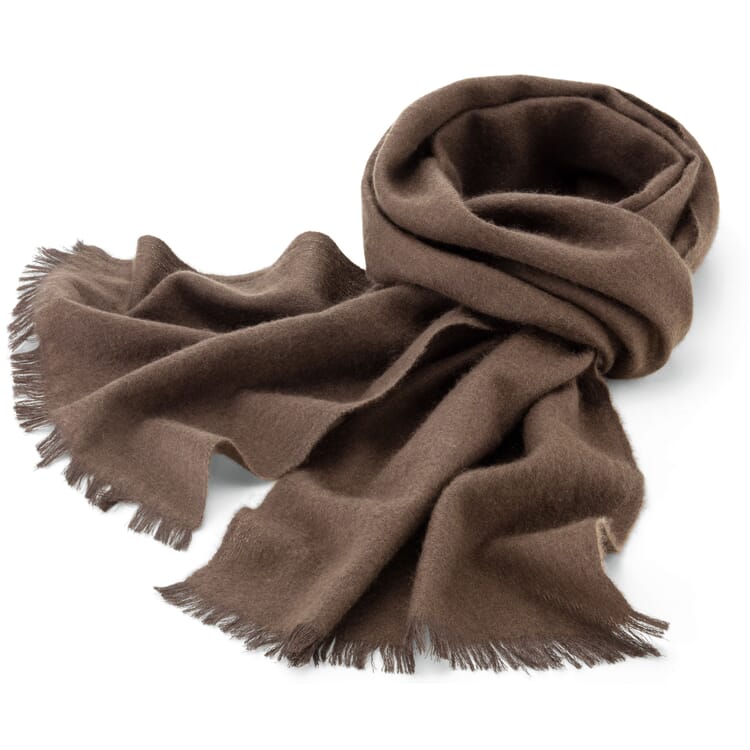
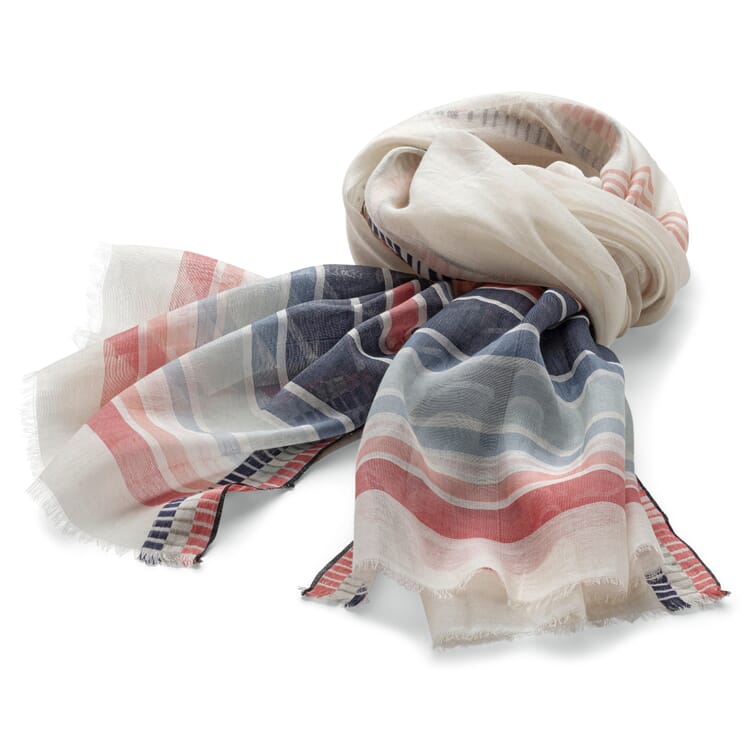
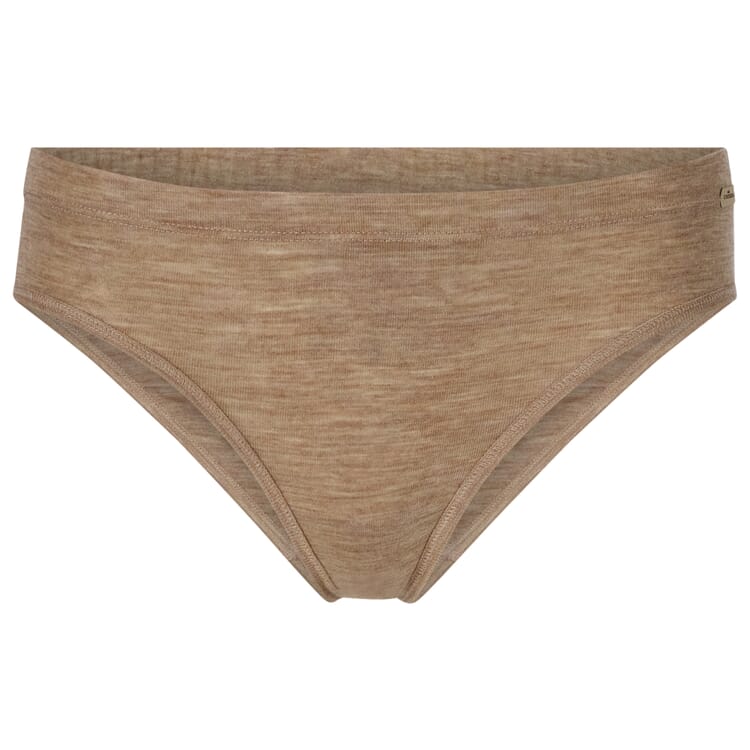
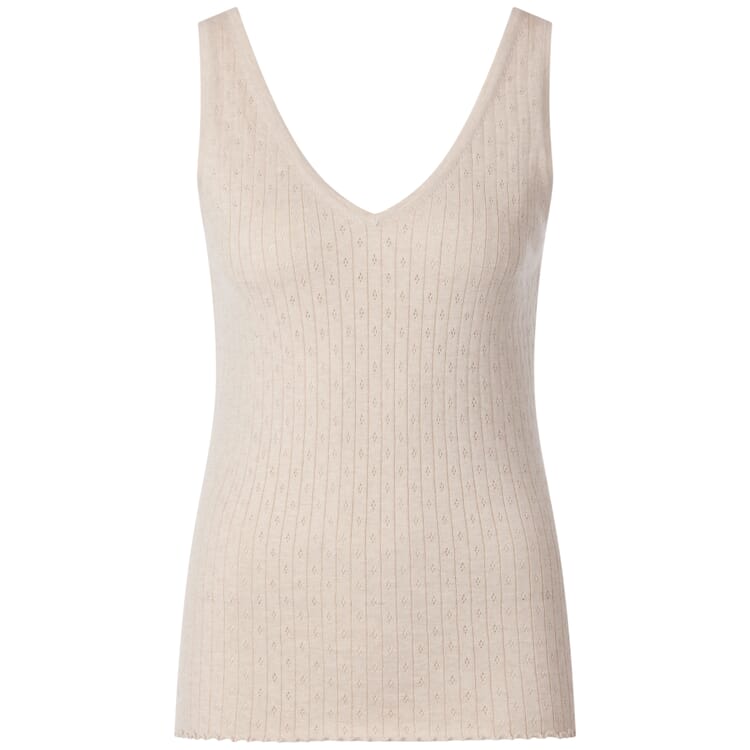
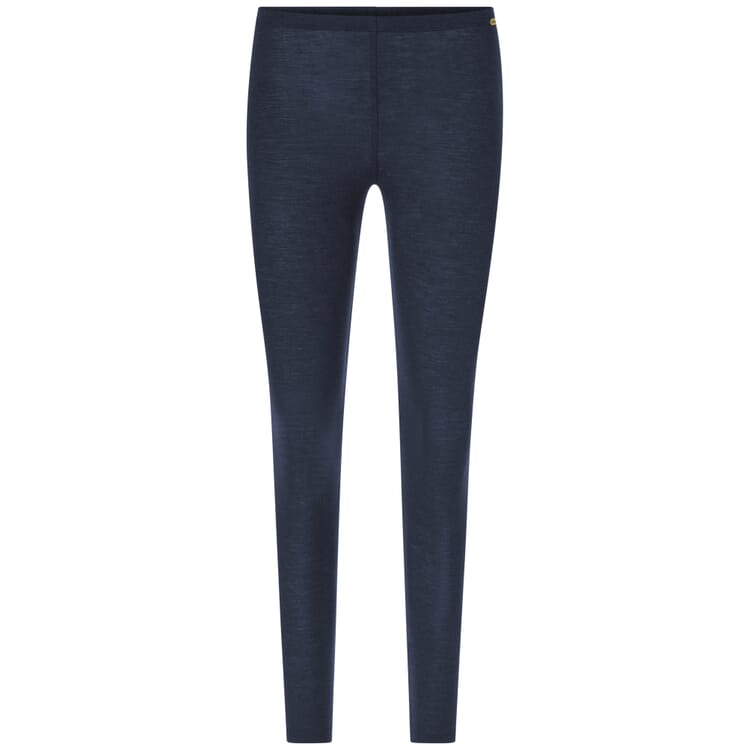
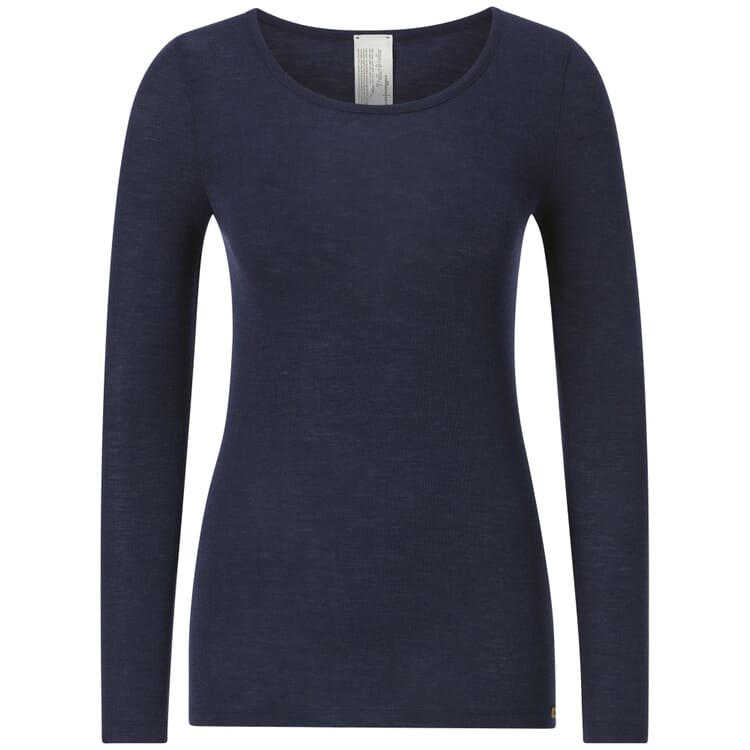
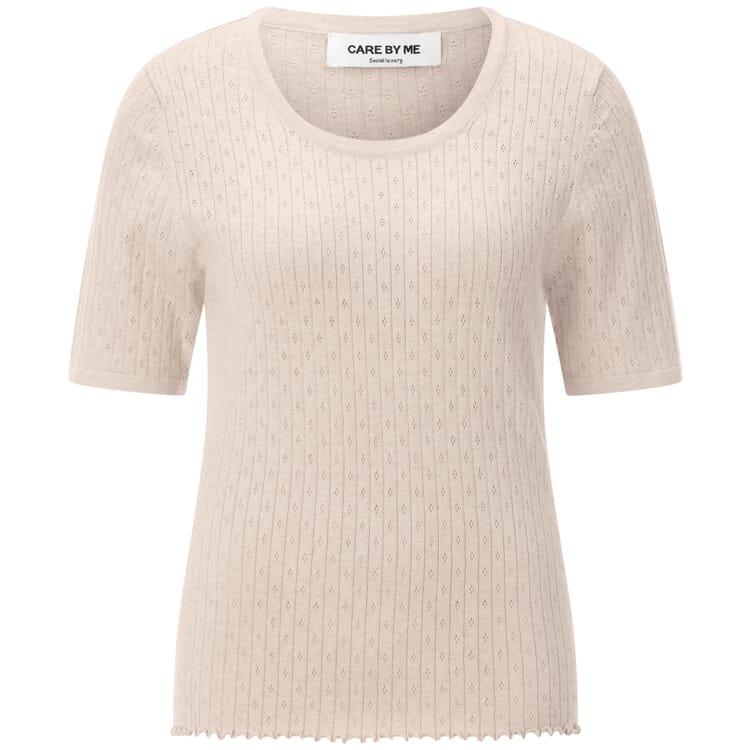
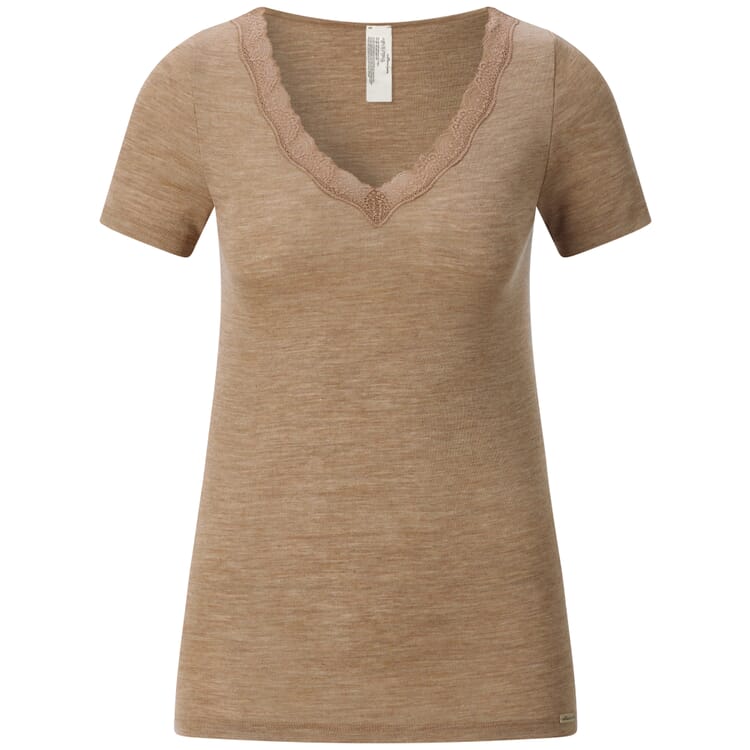
Selected products with silk





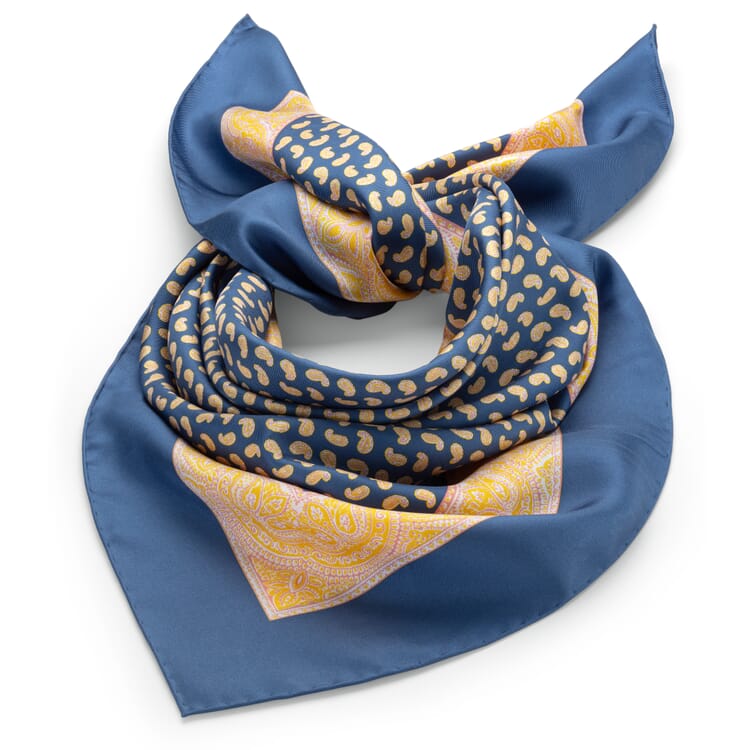

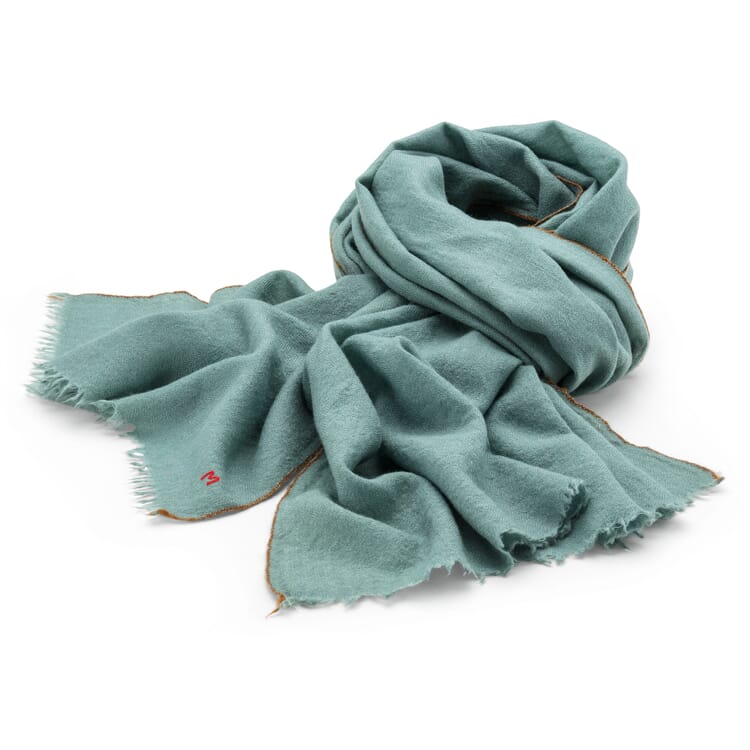


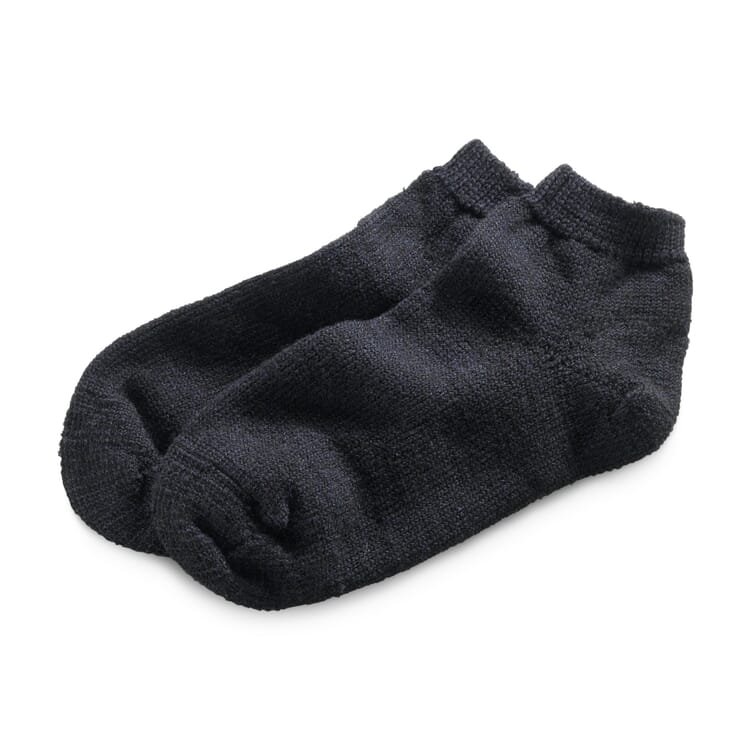


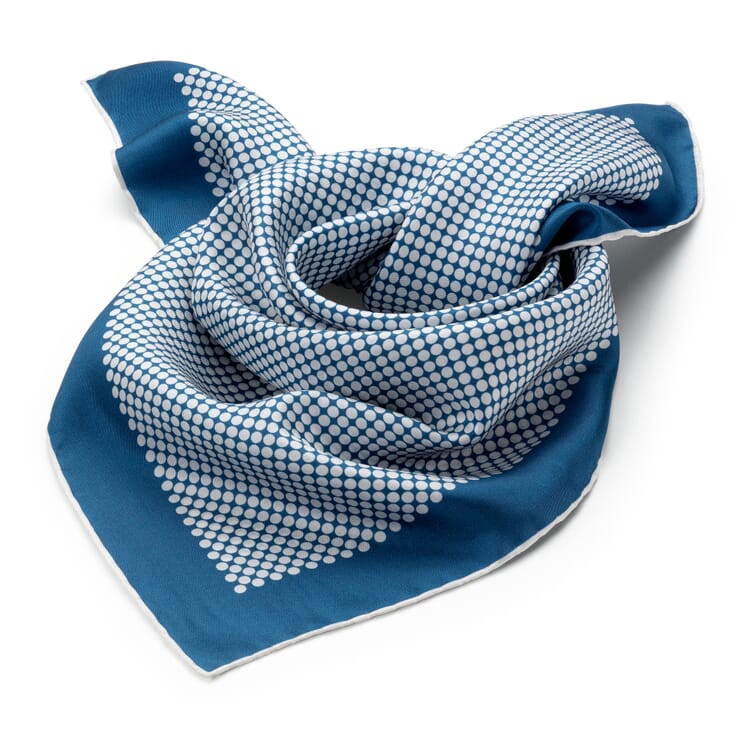








Recommended Topics

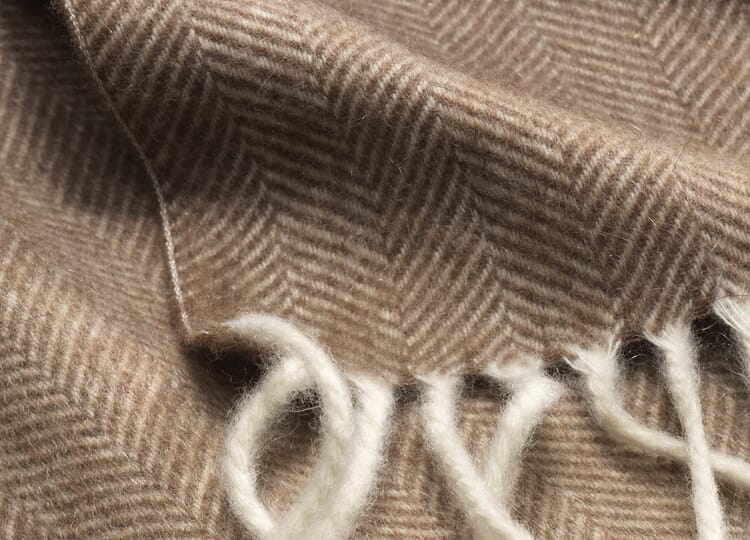
Cashmere, like alpaca, yak and camel hair, belongs to the noble hair. Cashmere is one of the softest, finest and lightest animal fibers, but also one of the most expensive. Depending on the quality, a kilogram of cashmere raw material can achieve a market value of up to 200 euros: the longer and finer the hair, the lower the proportion of remaining awn hair and the lighter the color, the higher the price.
View more
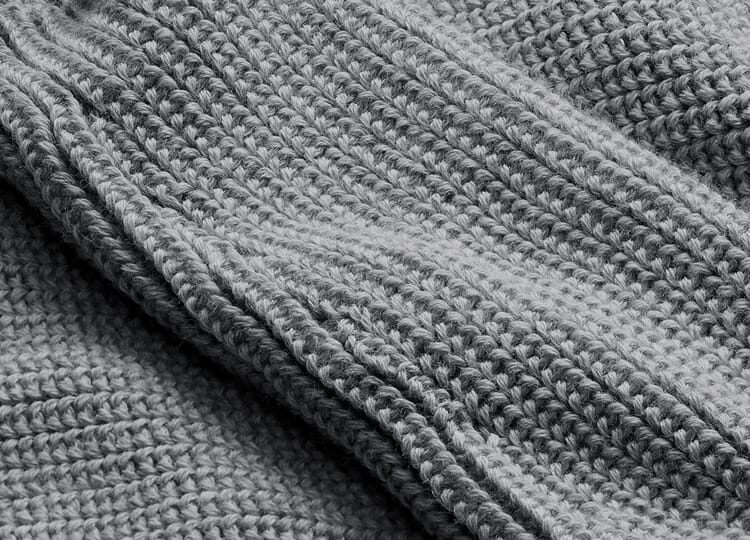
It warms in winter, is pleasantly cool in summer, and flatters the skin - merino wool is a unique, sustainable natural product with numerous highly functional properties. The extremely fine virgin wool comes from merino sheep, which are among the oldest and most resilient sheep breeds in the world. Their original home is the mountainous regions of North Africa. There they have to withstand sometimes extreme temperature differences
View more