Material
Coconut fiber. Extremely durable and robust


As a classic palm plant (Arecaceae family), the coconut palm is mainly native to the coastal regions of the tropical belt. Coconut palms do not form a crown, but rather bear their pinnate palm leaves at the tip of the slender, flexible and unbranched trunk as a so-called crested tree. Their drupes are called coconuts, although they are not nuts. The sea can carry them long distances to remote coasts and islands, where the coconuts can germinate even after many days in salt water. The coconut palm is cultivated in Sri Lanka, India, Indonesia, Thailand, Malaysia, Vietnam, Papua New Guinea, Africa, Mexico and Brazil.
The properties of coconut fiber
In many cultures, the coconut palm is known as the “tree of life” because every part of the plant—from the roots to the coconut to the palm fronds—can be fully utilized: for food and cosmetic products, as a building material, or as firewood. Coconut fibers, also known as coir, can be used to make everyday items such as rugs, doormats, shoe soles, and brushes. The natural fibers are extracted from the outer husk (mesocarp) of the coconut using the water-rusting process, stored in water for several months, and then dried. Due to their valuable properties, products made from coconut fibers are durable, long-lasting, and highly sought after:
- Since all substances susceptible to decay are broken down during the soaking process, coconut fibers are extremely rot-resistant and durable.
- Coconut fibers are both elastic and strong, giving products made from them good dimensional stability.
- Since coconut fibers tolerate moisture, they are weather-resistant. They are therefore suitable for use both indoors and in covered outdoor areas.
- Because coconut fibers are exposed to extreme conditions in nature, they develop a correspondingly high level of resilience. Coconut rugs and runners are therefore well-suited for use in high-traffic areas such as hallways or entryways.
- In addition, coconut fibers are flame-retardant, sound- and heat-insulating, and breathable, making them an excellent choice as a raw material for interior design.
- Furthermore, products made from coconut fibers, such as our runners and rugs, help regulate the indoor climate thanks to their ability to regulate humidity.
Coconut fibers are antistatic and therefore attract less dust.
Do not clean coconut fiber products wet, as they will become brittle. Allow the dirt to dry before vacuuming, gently beating or brushing it out.
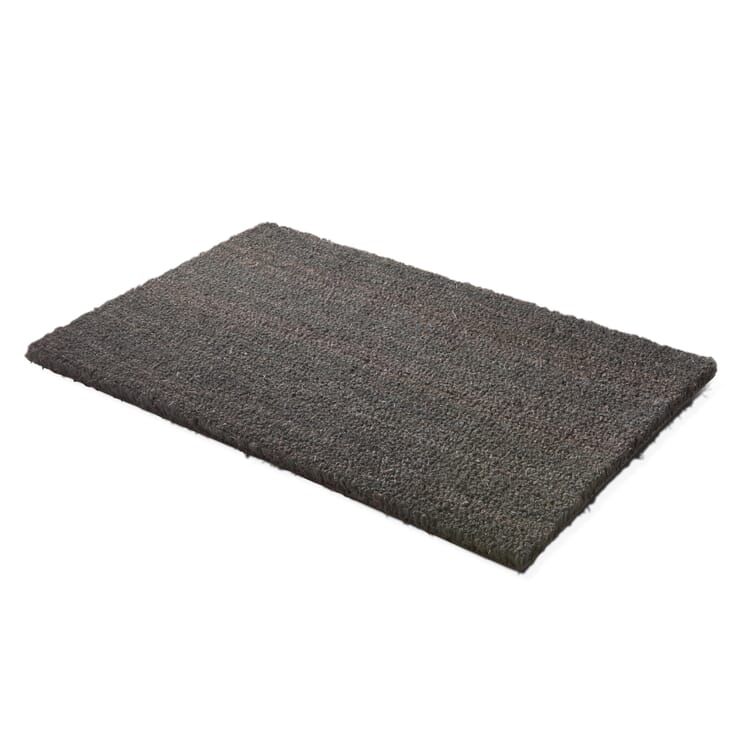
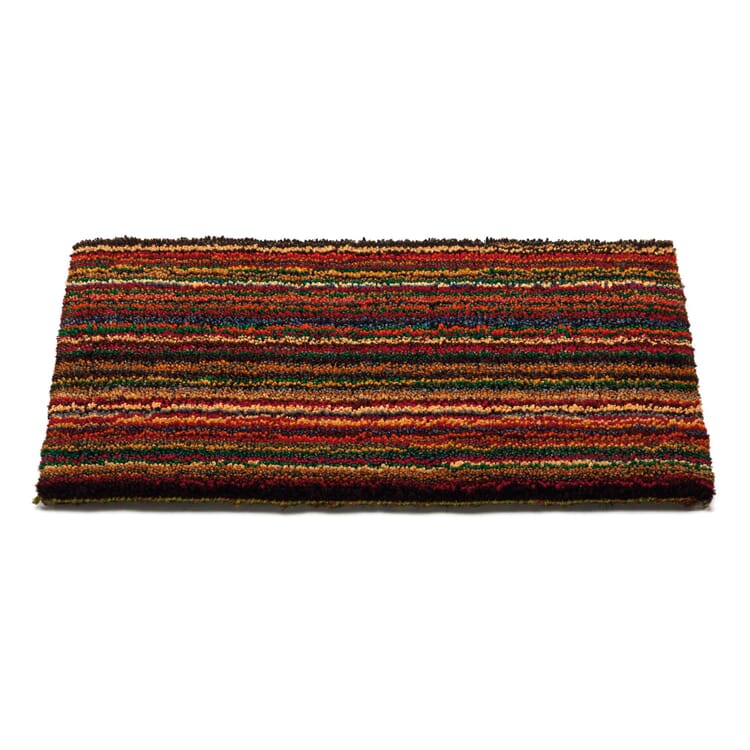
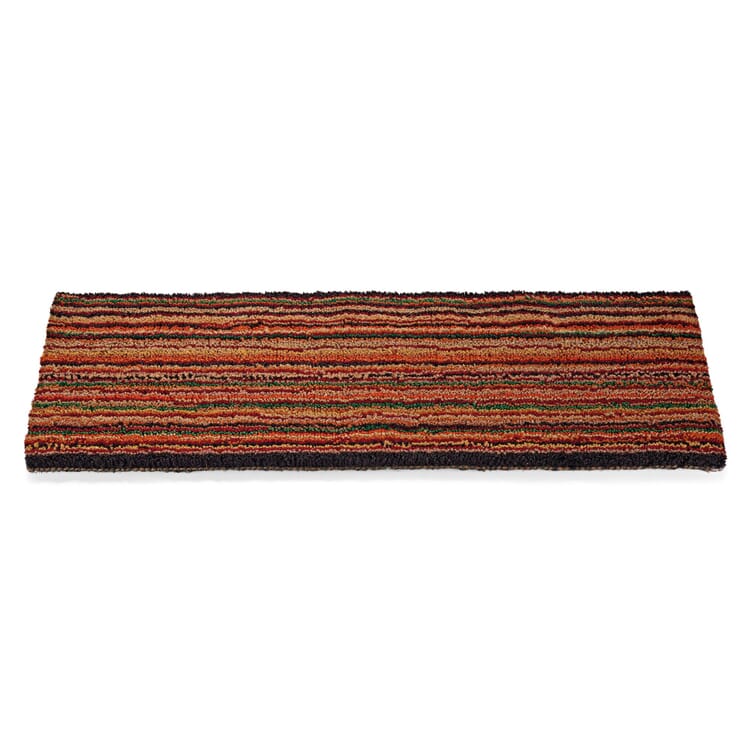
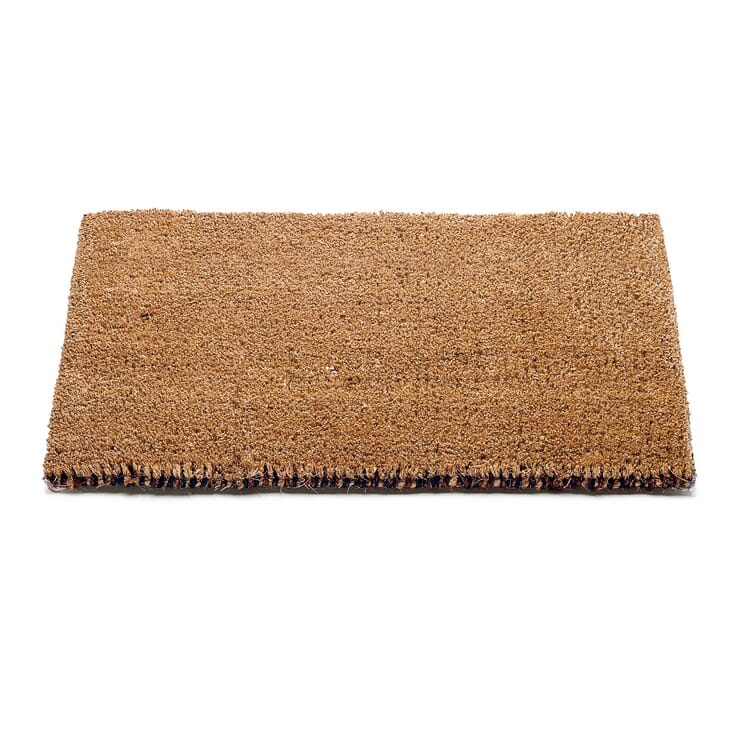
Selected products with coconut fiber





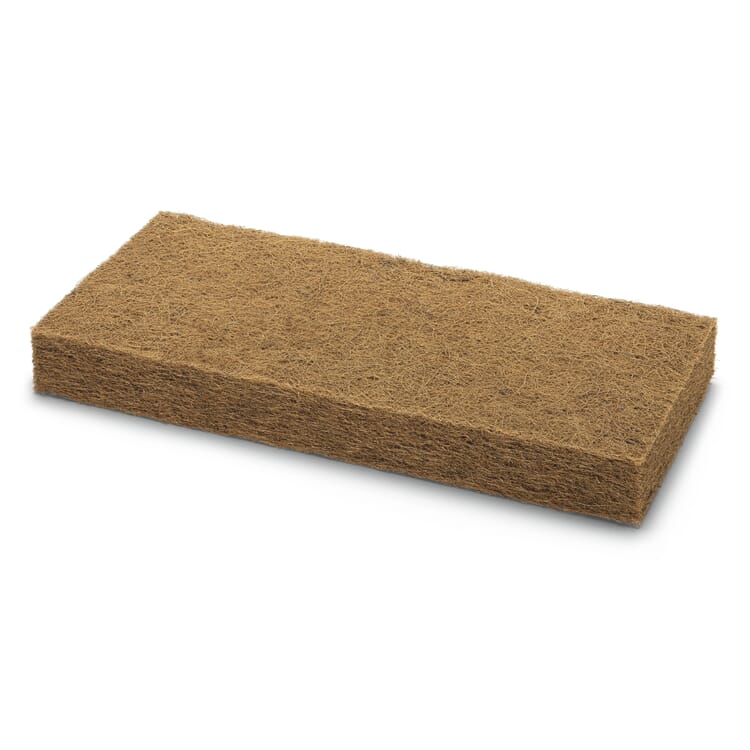

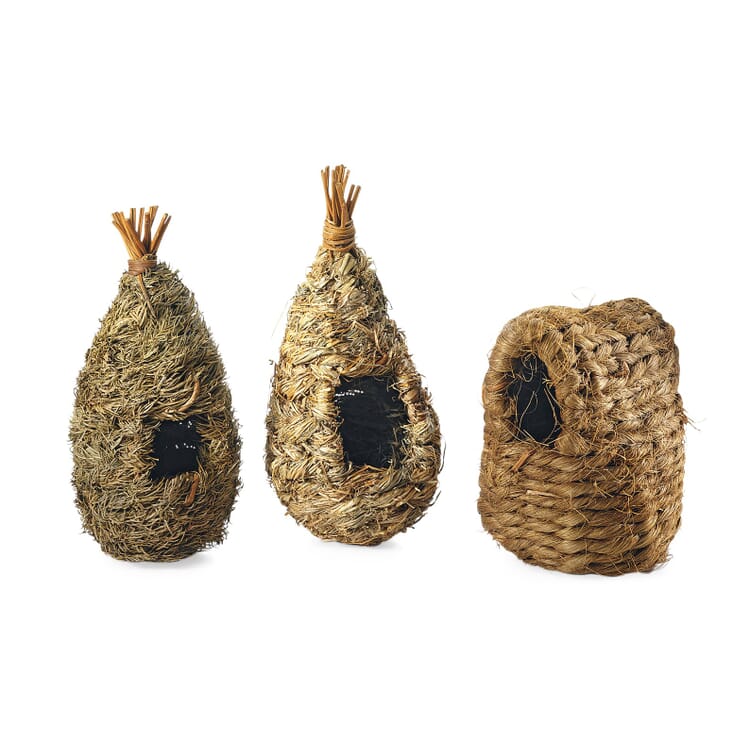

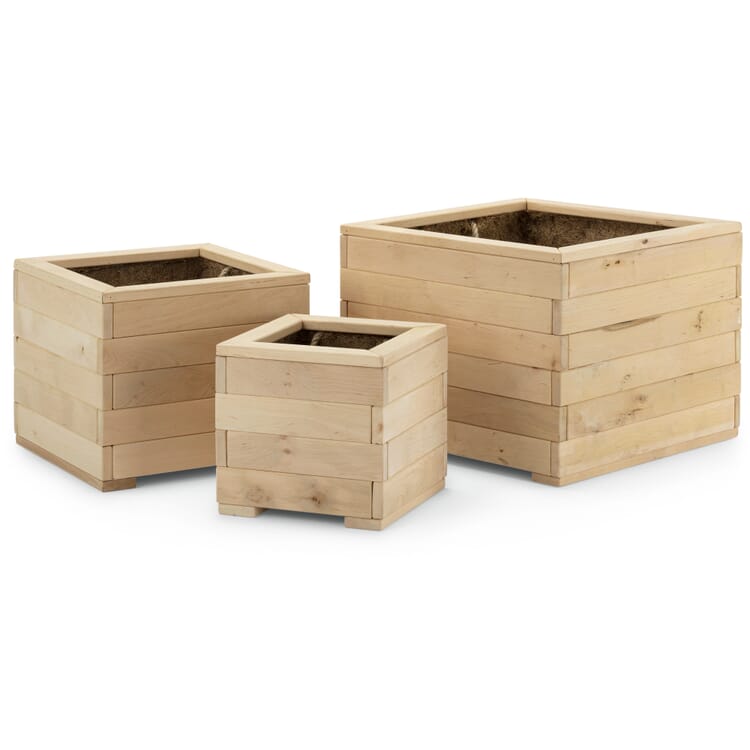

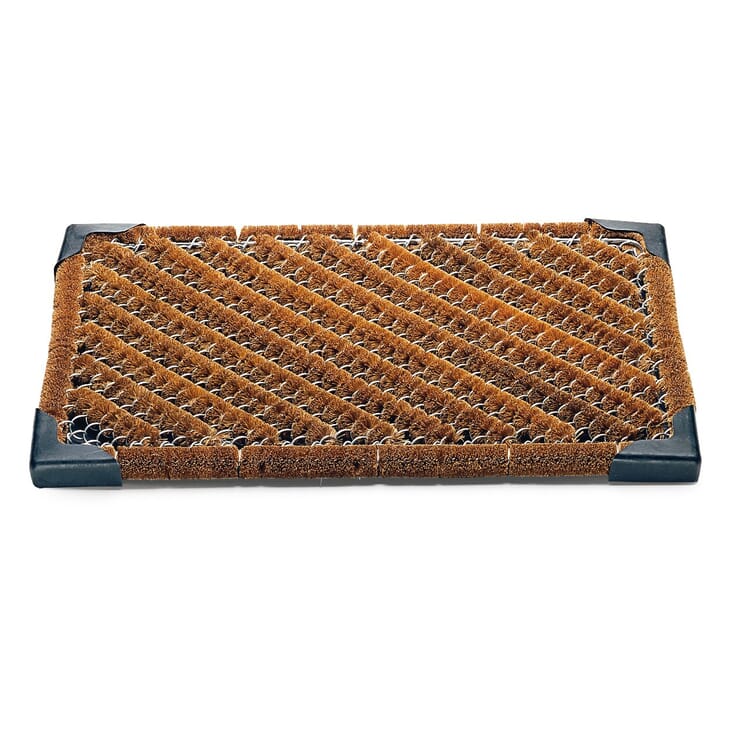
Recommended Topics

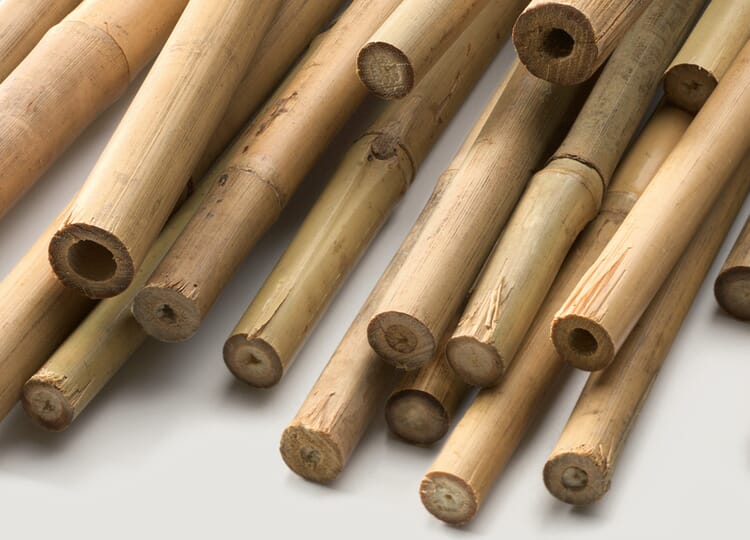
Due to its structure, bamboo cane is very light, yet at the same time extremely resistant to bending and tension, and therefore in some cases even superior to European construction timber. If bamboo lamellas are glued into panels, they can be processed like conventional wood materials and in just as many ways. Whether processed as a whole tube, in parts or as a bamboo panel, bamboo has a wide range of applications: from garden furniture to kitchen utensils, as personal care articles or handicraft tools.
View more
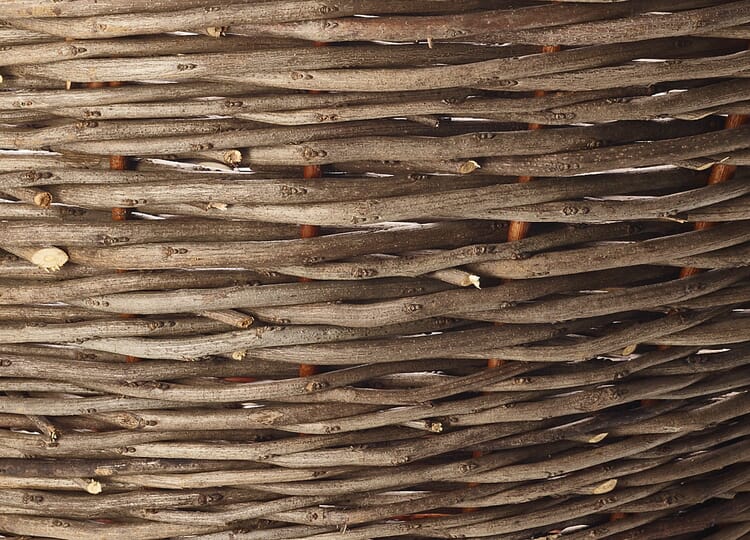
Robinia wood is one of the toughest and most valuable European timber. In its technical and physical properties, it is very similar to oak - in terms of gross density, compressive strength, tensile and flexural strength, it even surpasses the robust oak. And its high resistance to weathering virtually predestines it for use in garden furniture making and in the field of garden equipment.
View more