INSTRUCTION
Planting flower bulbs


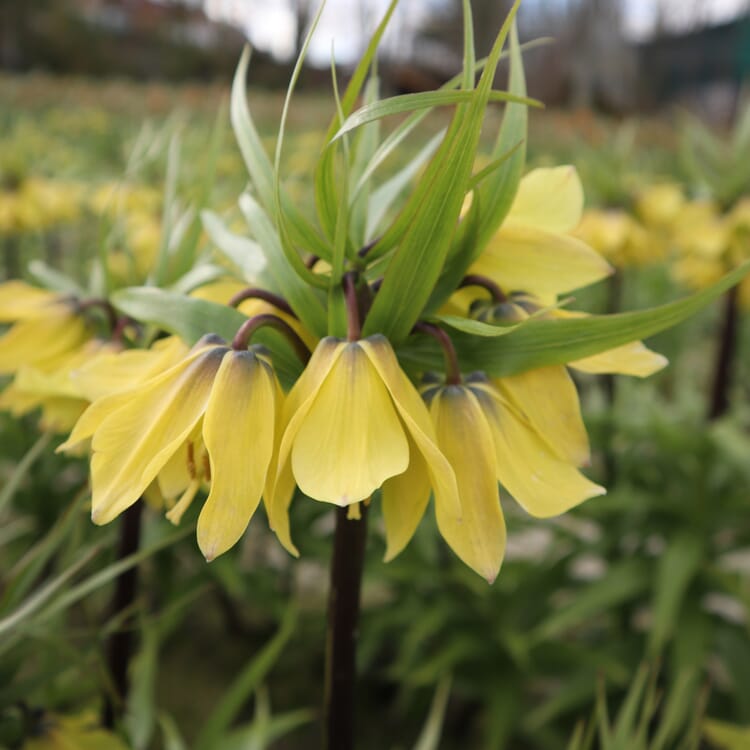
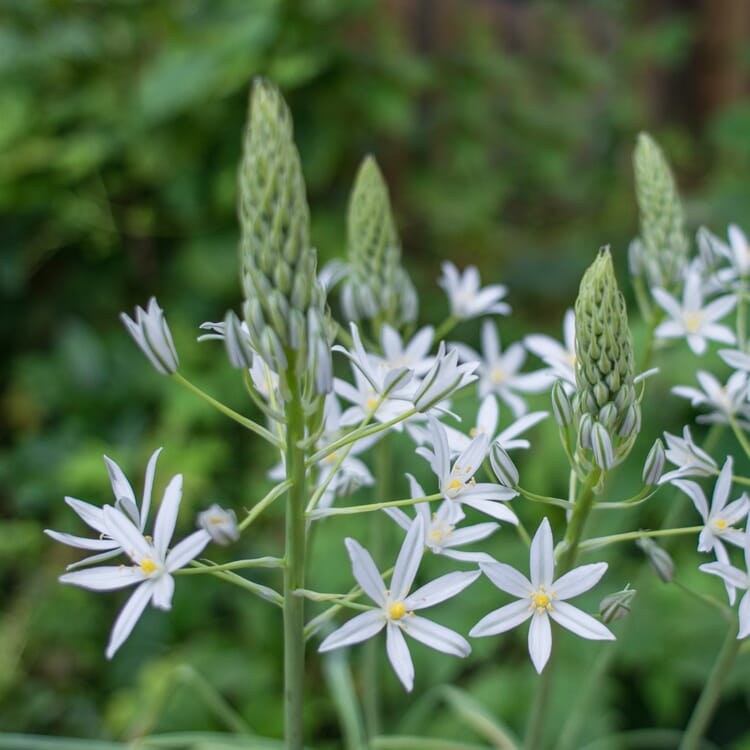
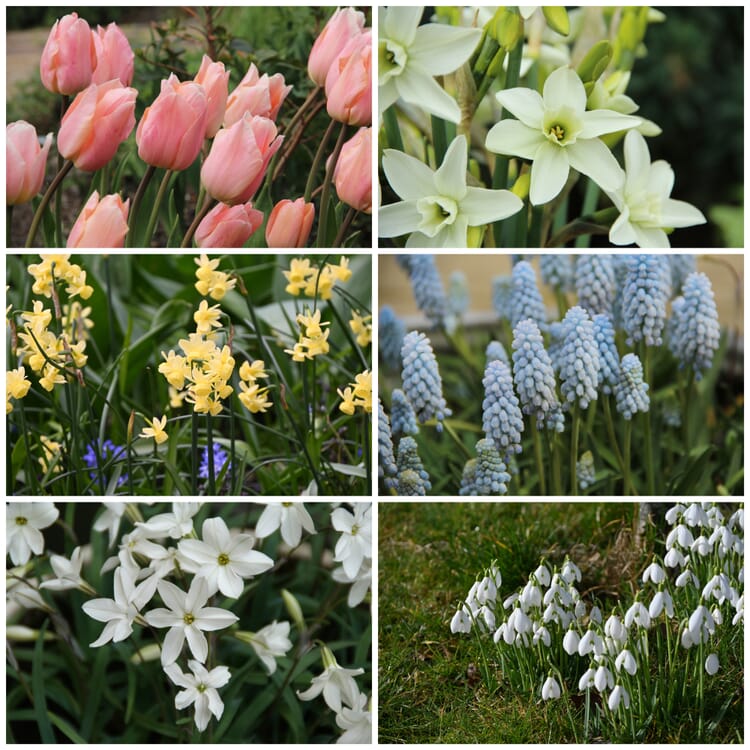
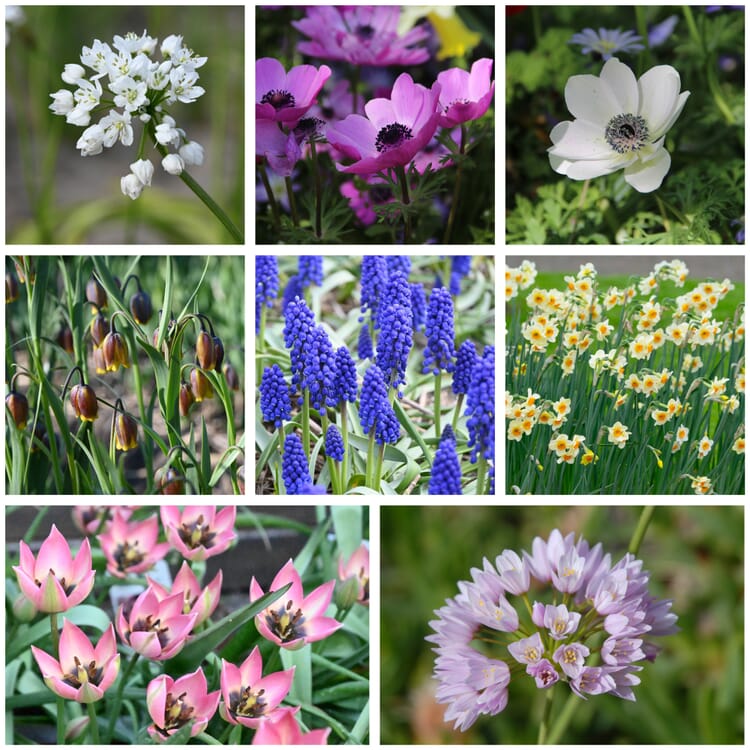
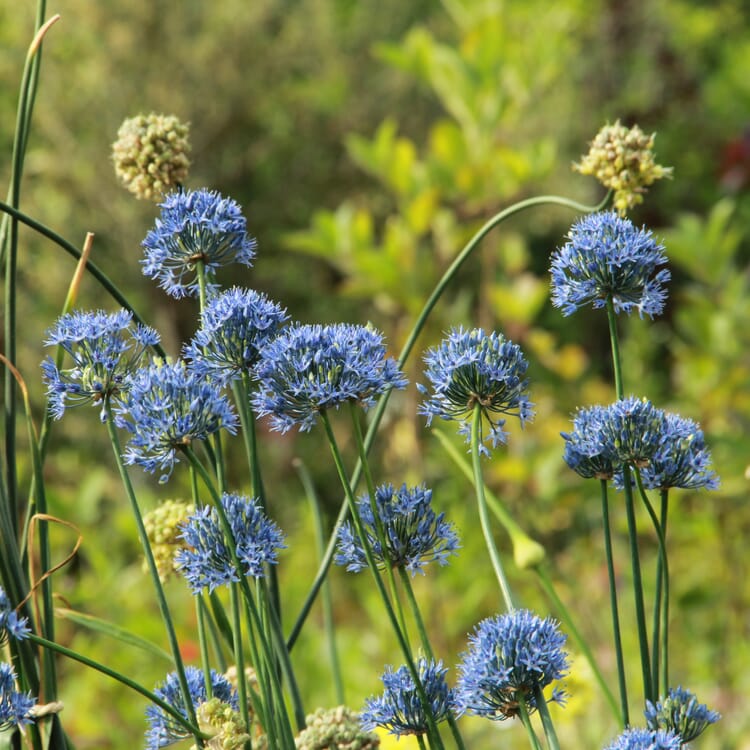
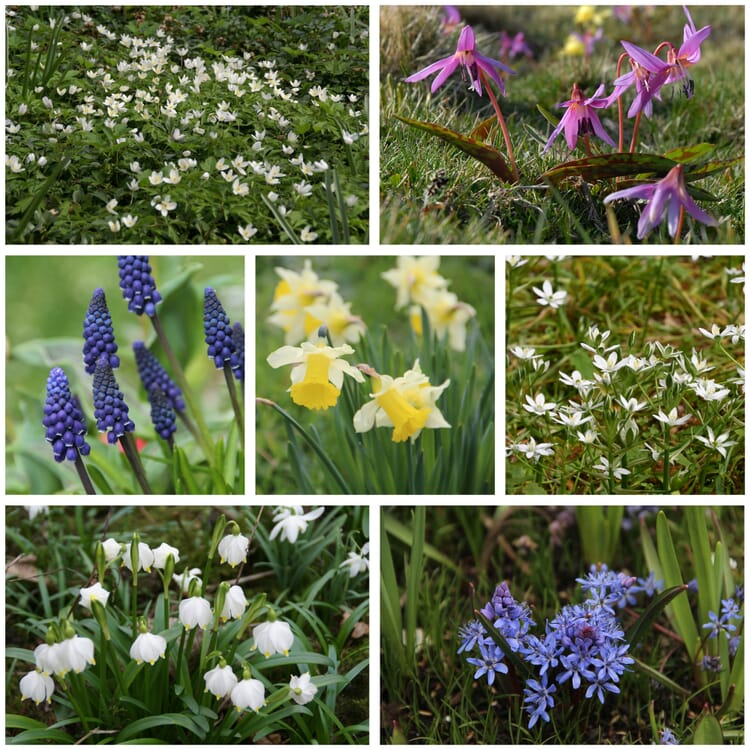
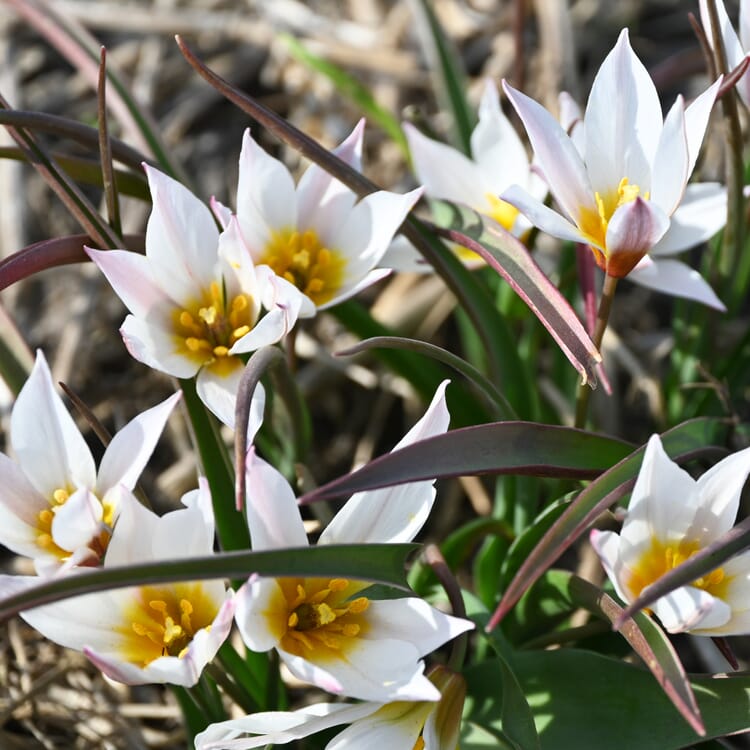
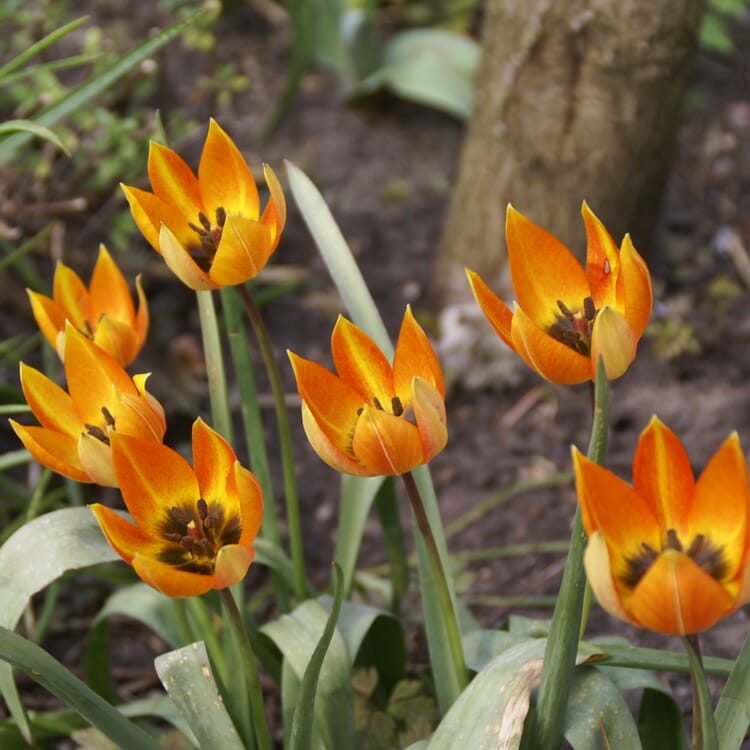
The spring-flowering bulbs are planted from September. As the soil is still warm from the previous summer, they soon put down roots, survive the cold season well and show their first flowers the following spring - some as early as late winter from February. Bulbs look best when they are planted in small groups. Tulips and daffodils can be placed together in groups of five or ten, tall species such as ornamental leeks or imperial crowns are better in groups of three.








Onion or bulb

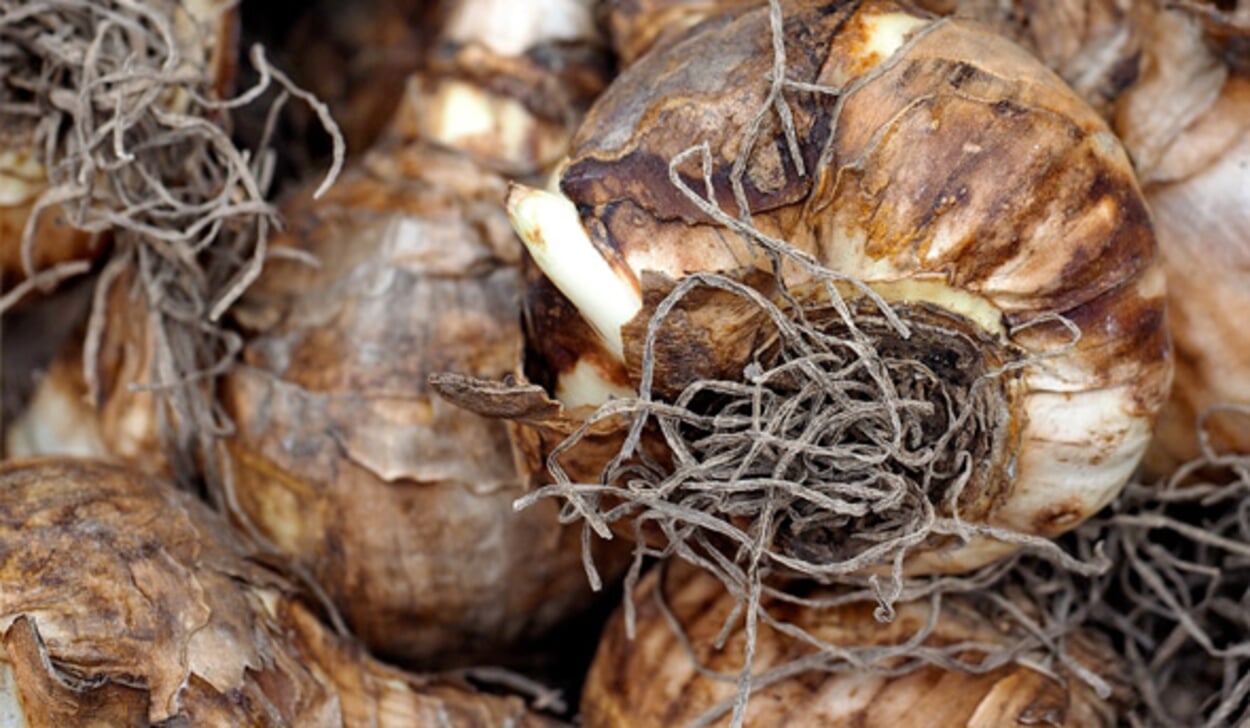
Onion The onion is a comparatively complicated storage organ: it not only stores reserves, but is basically a complete plant. Under the fleshy onion leaves, the plants store all the above-ground parts of the plant. The roots grow from the base of the bulb.

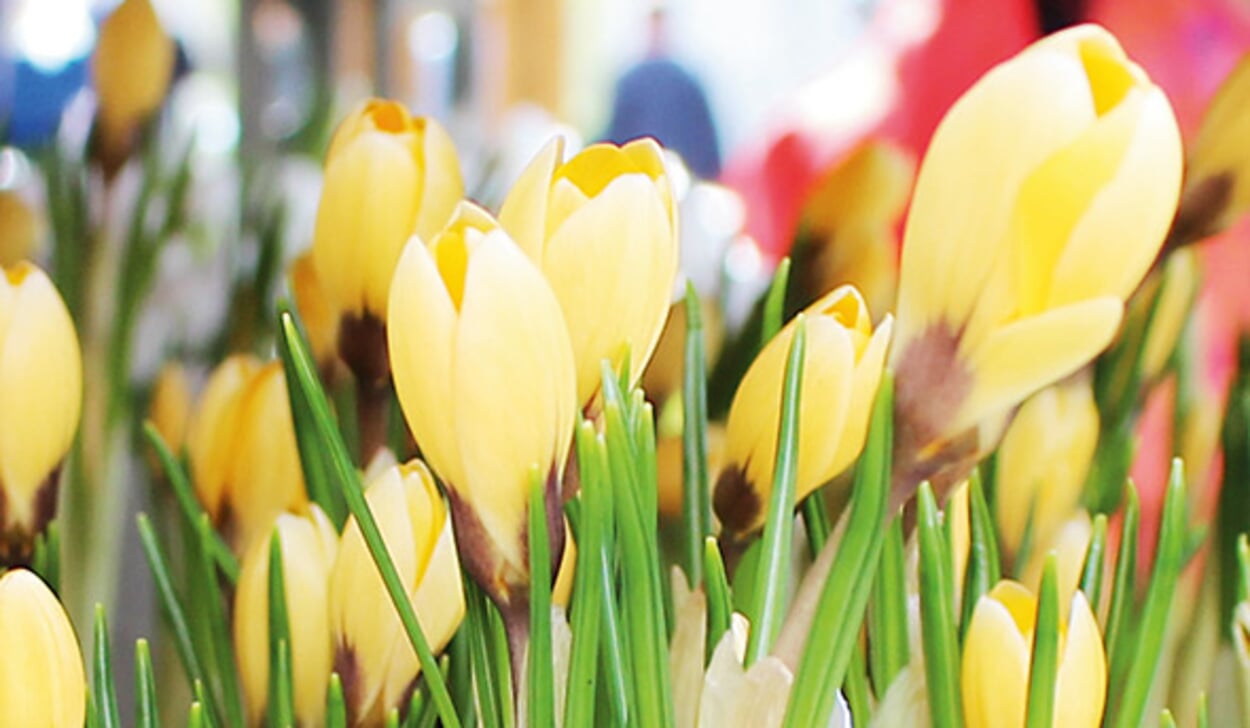
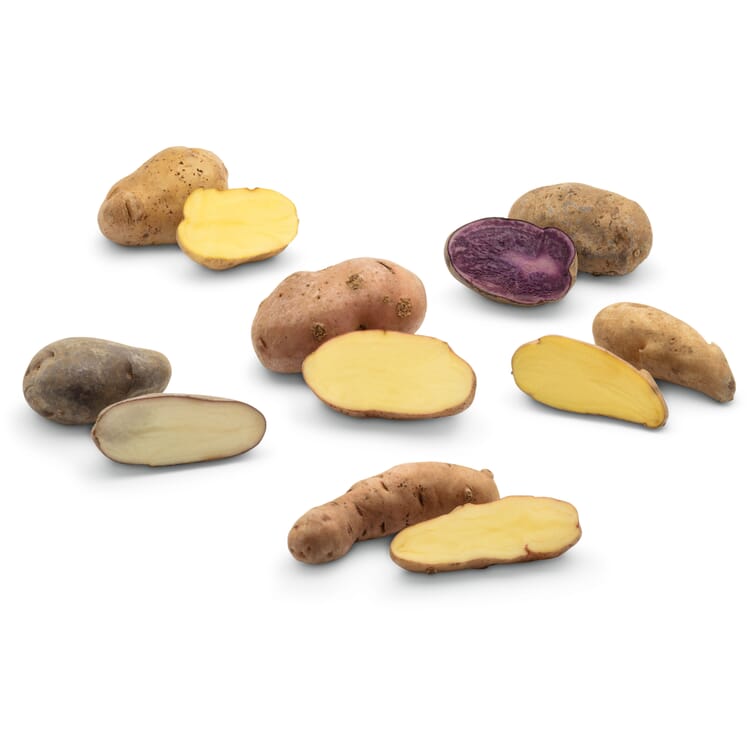
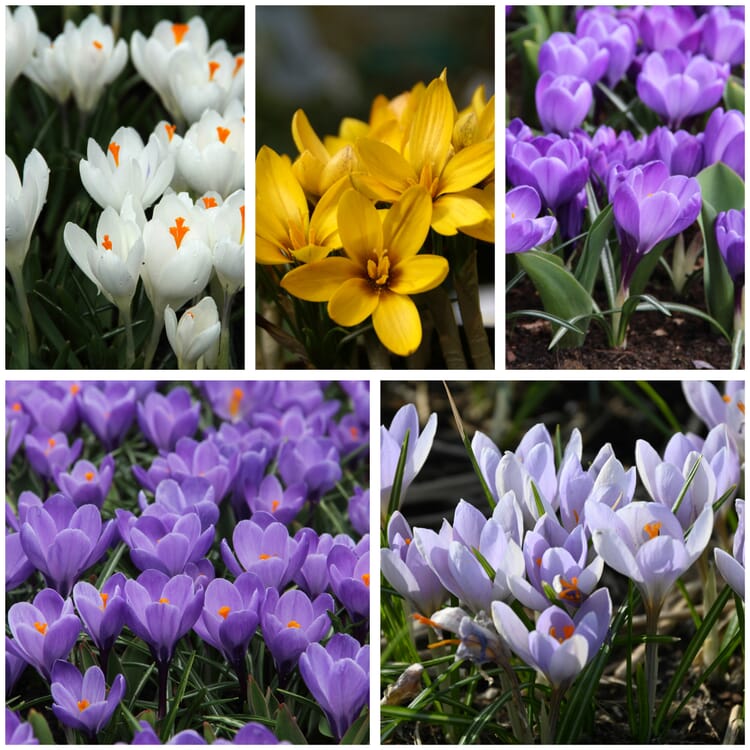
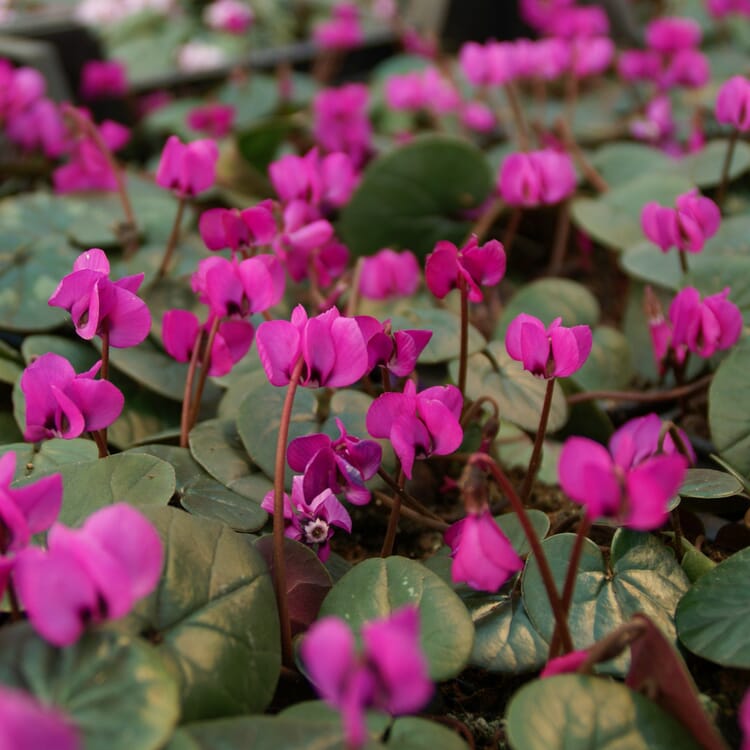
Tuber A tuber is nothing more than the thickened base of the sprout and the simplest form of plant nutrient storage. It is usually flatter than a bulb and generally has a corky, thickened skin that offers little protection against drying out. Typical examples are crocus and cyclamen.
Our product suggestions for planting

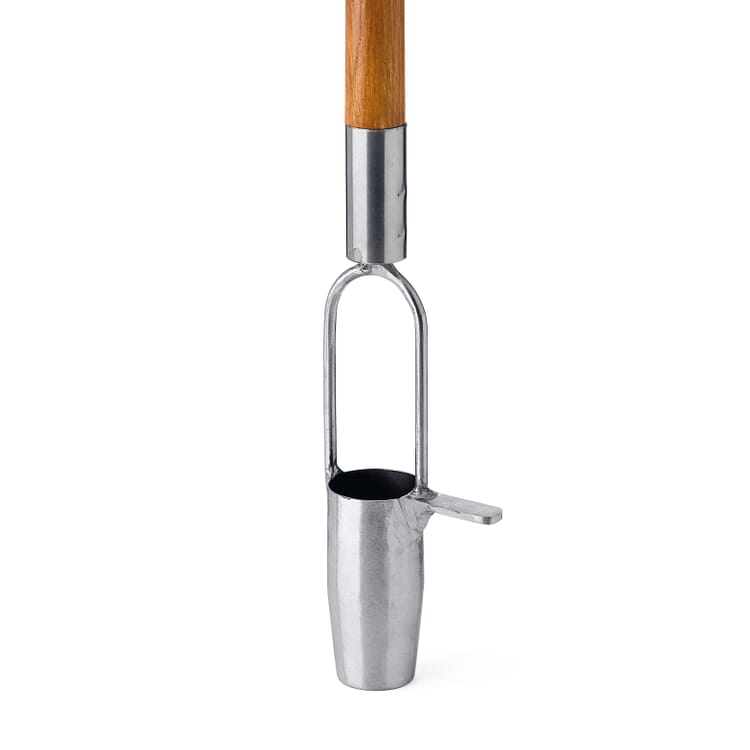

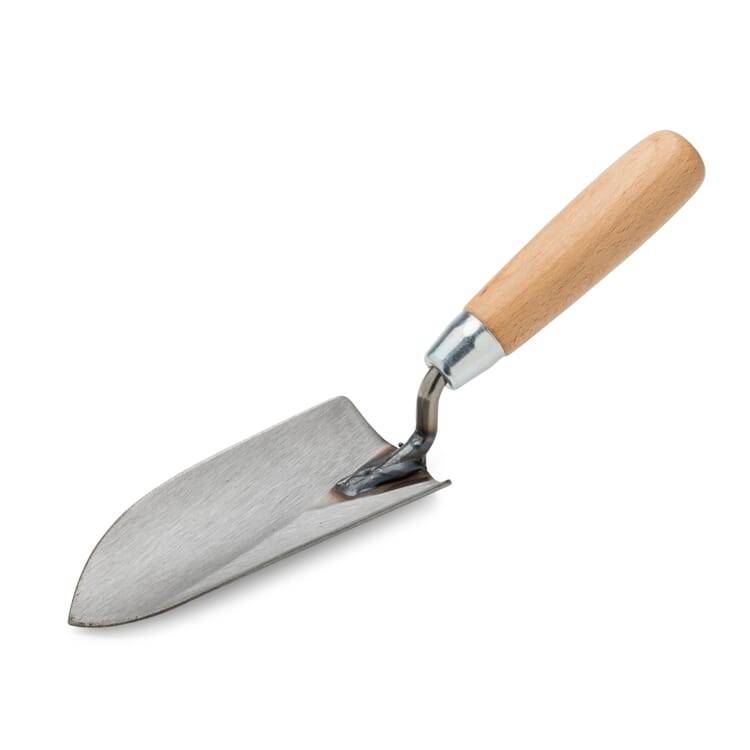
Planting flower bulbs correctly. Choosing the right planting site

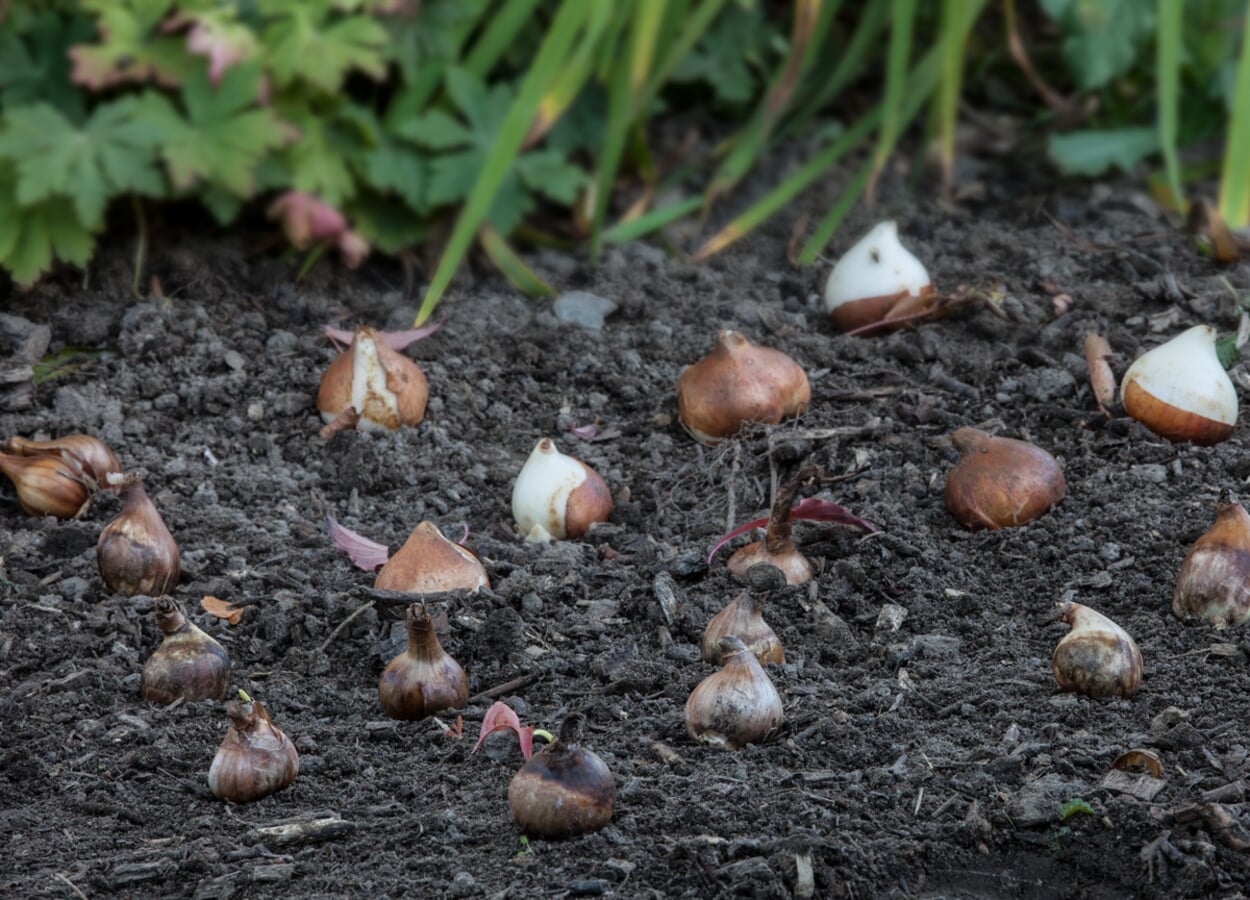
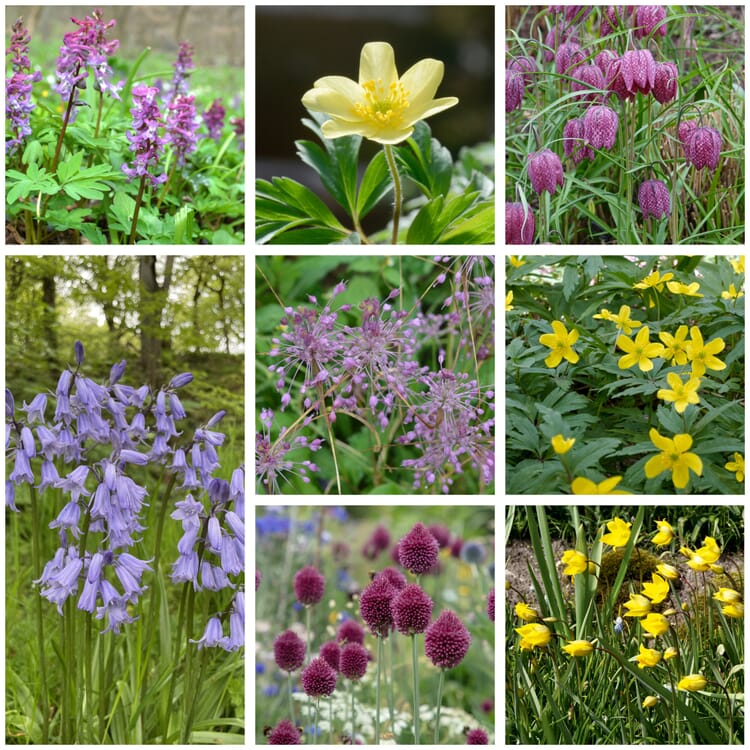
For larger planting quantities, lay out the bulbs on the surface first so that you can check combinations of different species and planting distances. Bulb flowers should be able to store reserves for the following year during their above-ground vegetation cycle of up to three months and should not suffer from a lack of light. Ideal neighbors are perennials or grasses that sprout late - for example coneflowers or coneflowers for sunny locations, funkia or astilbes for semi-shady locations. Early bloomers such as bluebells or wood anemones grow ideally under deciduous shrubs, which only shade the ground once the bulbs have moved back in.
Prepare the floor

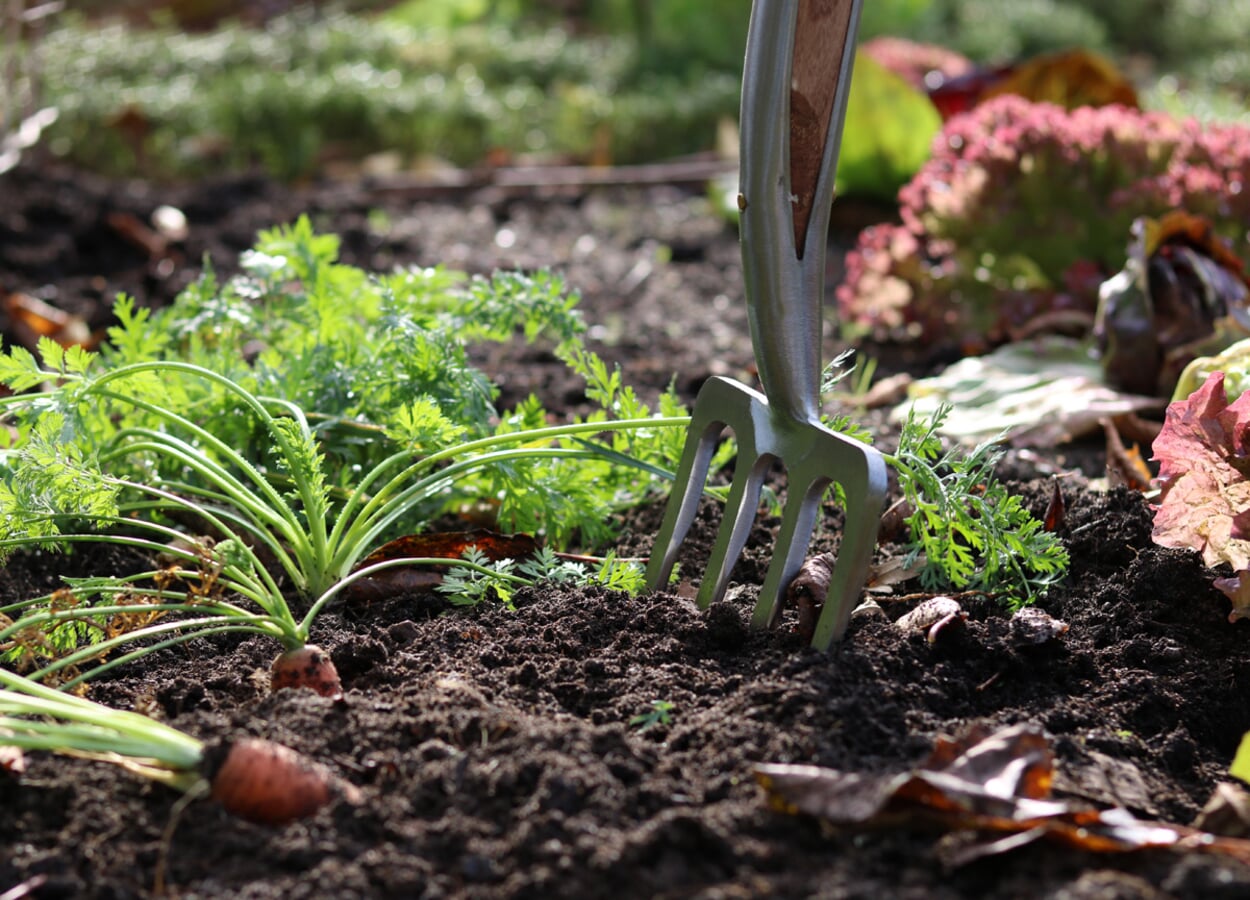
Depending on the different site requirements of the bulbs, the soil can be improved with compost, lime or sand before planting. Thorough loosening with a cultivator (see illustration) or a digging fork makes the subsequent planting work much easier, as does the removal of stones and root weeds from the bed.
Insert the onions

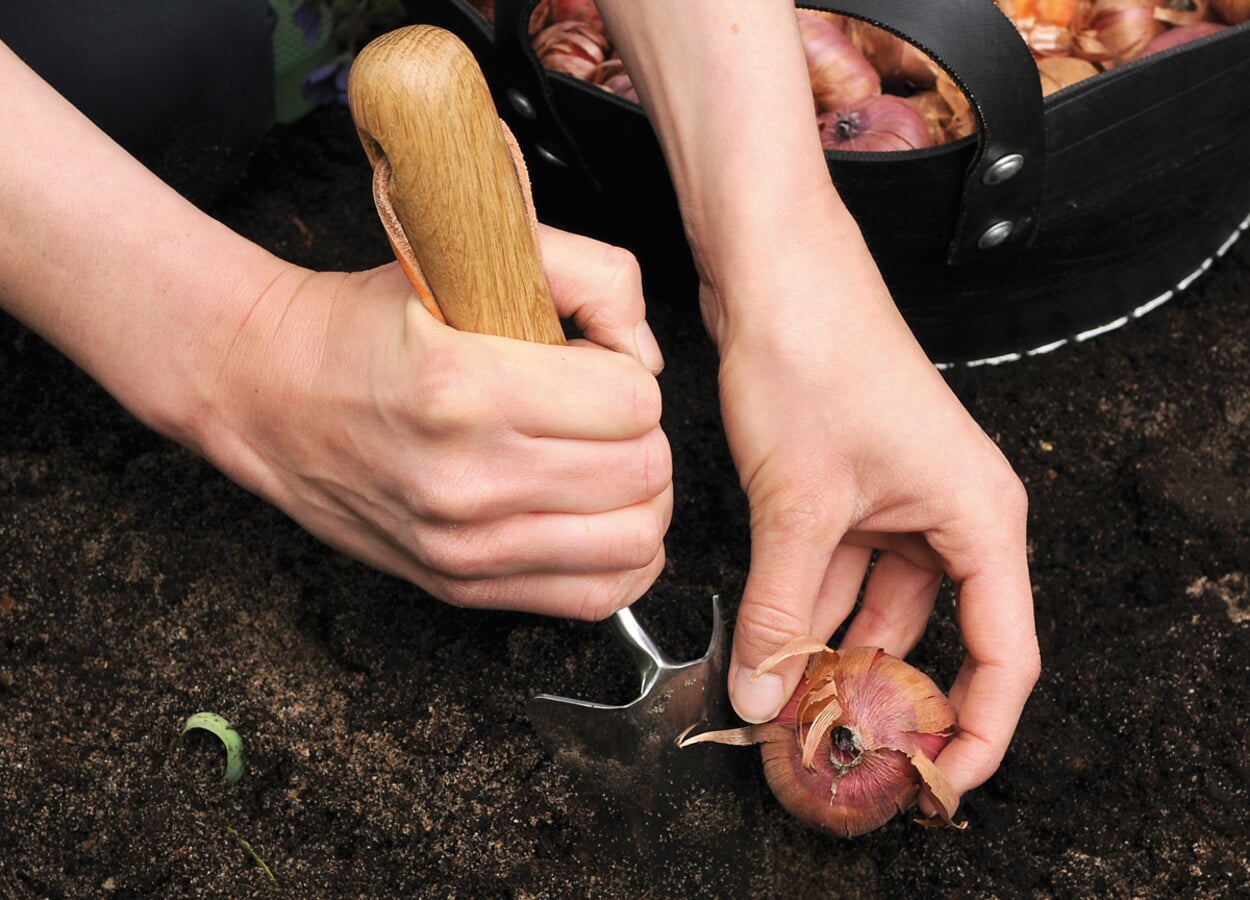
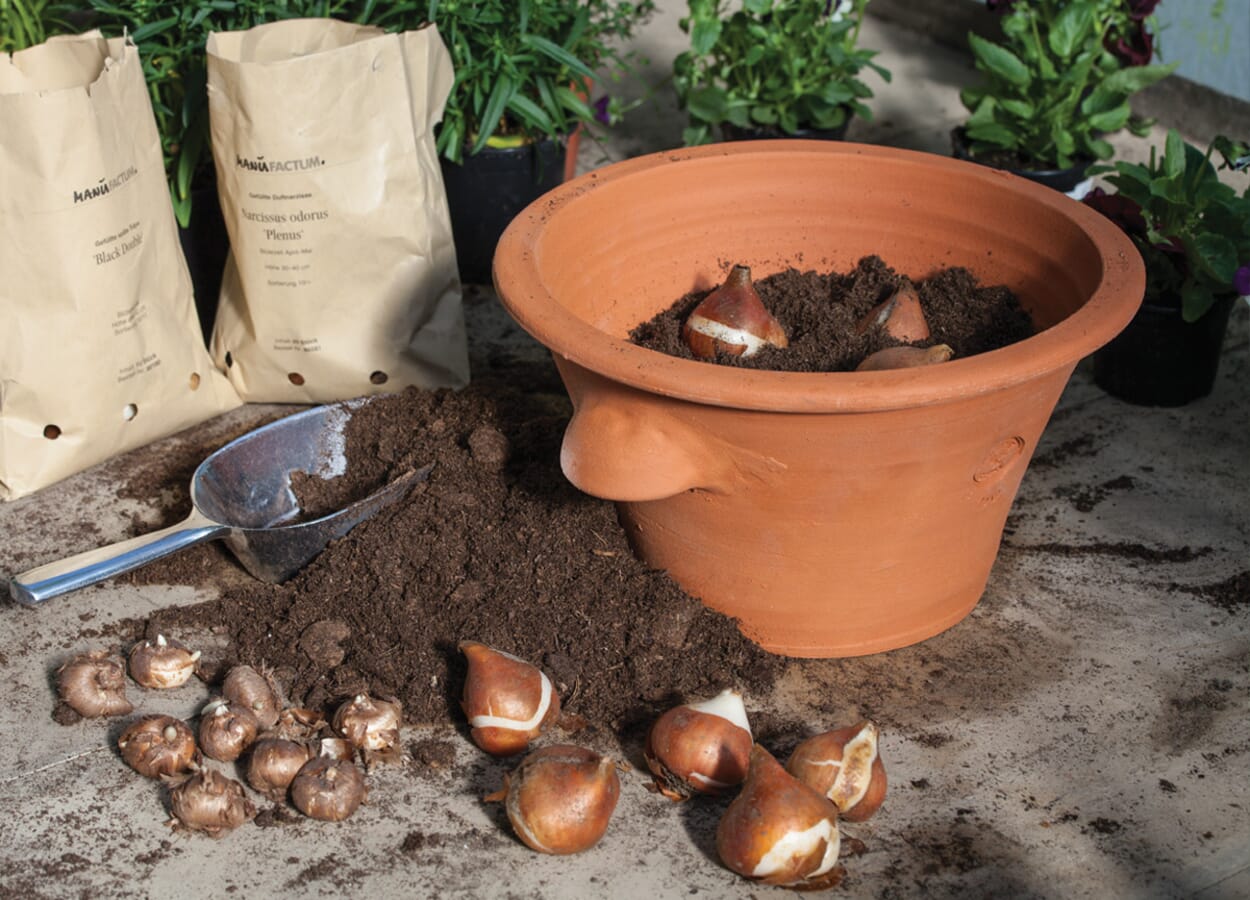
Use planting wood, a planting trowel or a flower bulb planter to make suitable holes. The correct planting depth depends on the nature of the soil and the size of the bulb. Plant approximately two to three times as deep as the height of the bulb. The sandier the soil, the deeper you should plant to prevent the bulbs from drying out. In moist soil, the bulbs can start rooting immediately after planting. You can tell whether you have planted them the right way up by the bulb tip pointing upwards. Although bulbs planted upside down will also grow, they will take longer to break through the soil.
Tiered planting in a container

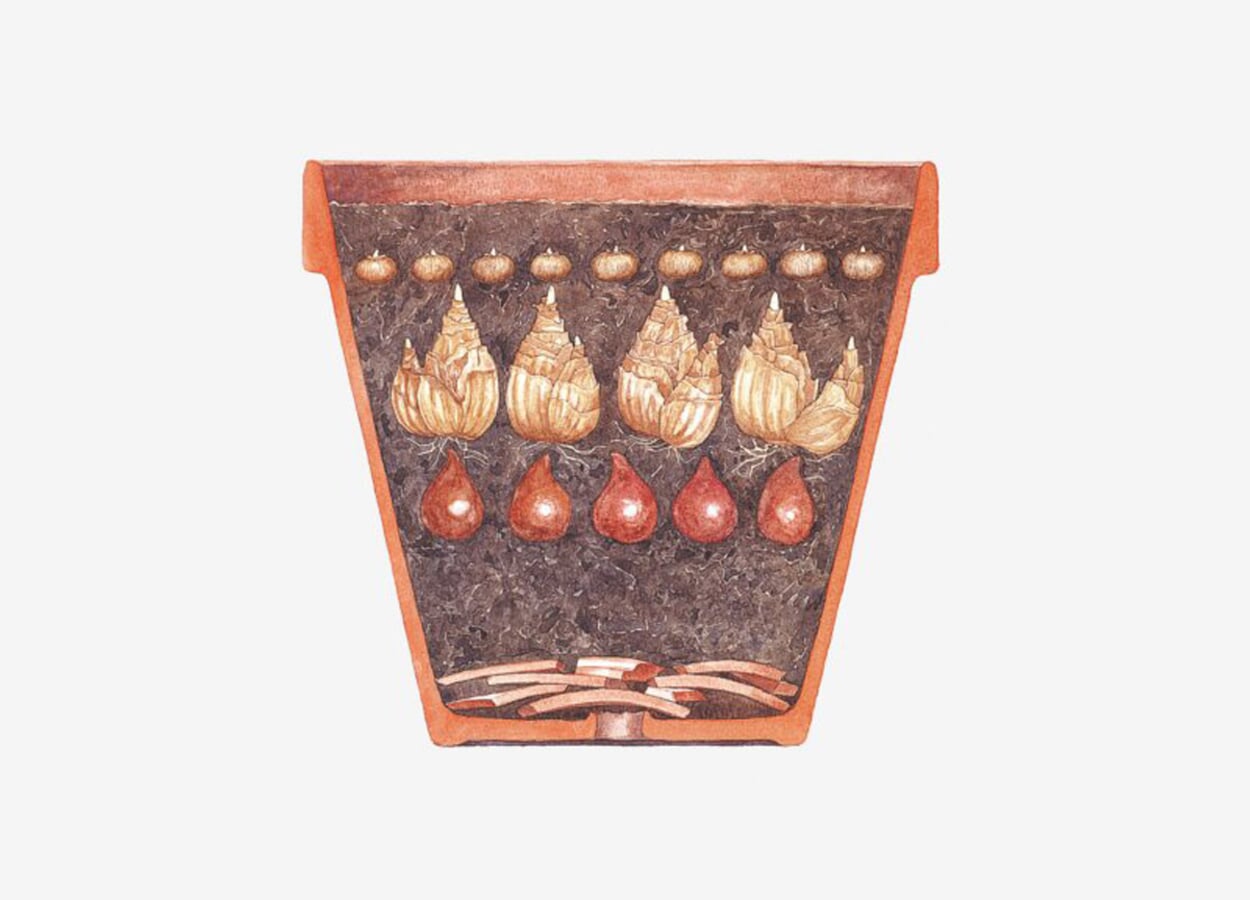
If necessary, fill in a drainage layer. First add a layer of fresh, loose potting soil on top of this, preferably without peat. Additional fertilizer is not necessary. The bulbs are then placed next to each other in the container at different depths depending on their size. As with planting in the bed, plant two to three times as deep as the height of the bulbs. (Daffodils therefore always sit a little lower in the pot than crocuses.) If you want to create a mixed planting with different types of bulbs, you can plant in layers, starting with the taller growing ones, which in this case are placed at the bottom of the pot.
The best time to fertilize bulb flowers is in September and October, when the bulbs are sprouting new roots after the summer dormancy. Alternatively, the period from February to March is possible as soon as the first green tips appear. Potassium is particularly important for good bulb firmness and is usually present in sufficient quantities in normal garden soil. If this is not the case, you can fertilize with a potassium-rich fertilizer, wood ash or comfrey manure. Otherwise, a thin layer of compost or a good, balanced organic fertilizer is the best way to fertilize.
Additional tips
As a general rule, since flower bulbs only root shallowly - but look particularly attractive when planted in small groups - it is advisable to choose bowls, pots and boxes with a large diameter and a relatively low height. Make sure that all containers have good drainage and, if necessary, add a drainage layer of broken clay, gravel or expanded clay before planting the bulbs to prevent waterlogging in the winter months.
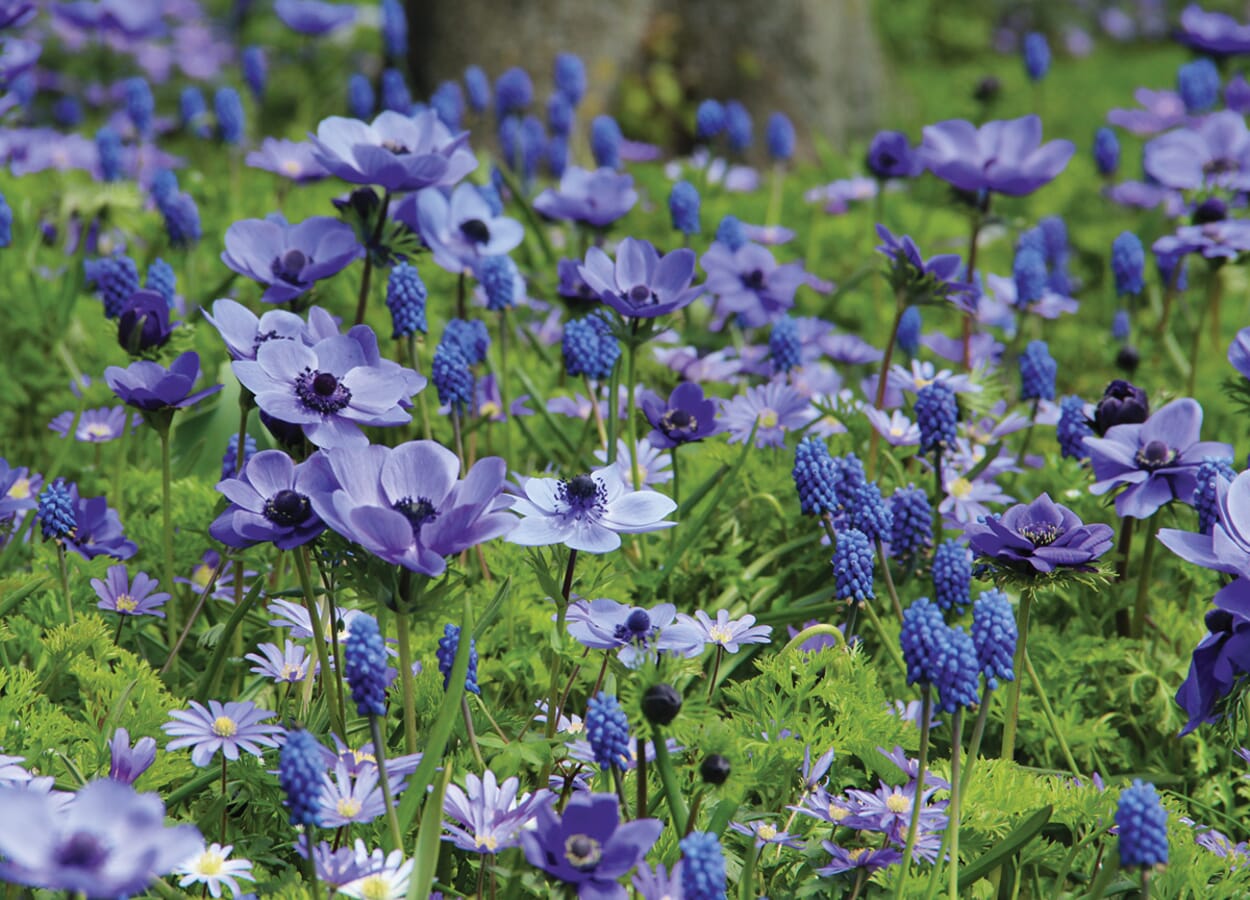
Creating a garden "tone on tone" is a particularly attractive task. In various shapes and heights, the flowers in this mixture shine in a variety of shades of blue - from delicate lilac to cobalt blue - and are surrounded by lush green, beautifully shaped foliage. The wood anemone starts flowering in March, followed in April by the garden anemone and grape hyacinth, which bloom until May.