Garden Year
Last cut of the lawn

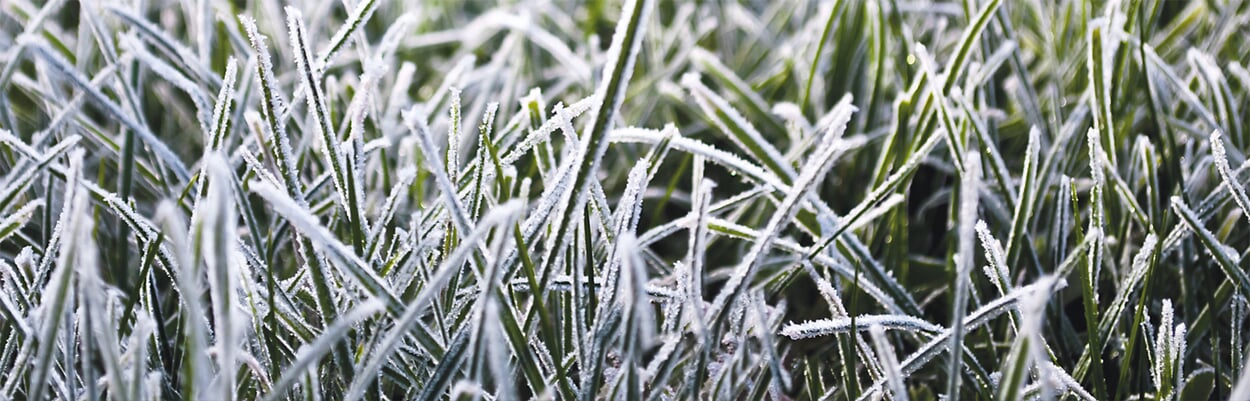
In mild weather, the last cut of the lawn may not be necessary until mid-November. A cutting height of around four centimetres is the best way for the grass to survive the winter; at the same time, the remaining fallen leaves can be removed from the area and, if necessary, fertilized and limed.
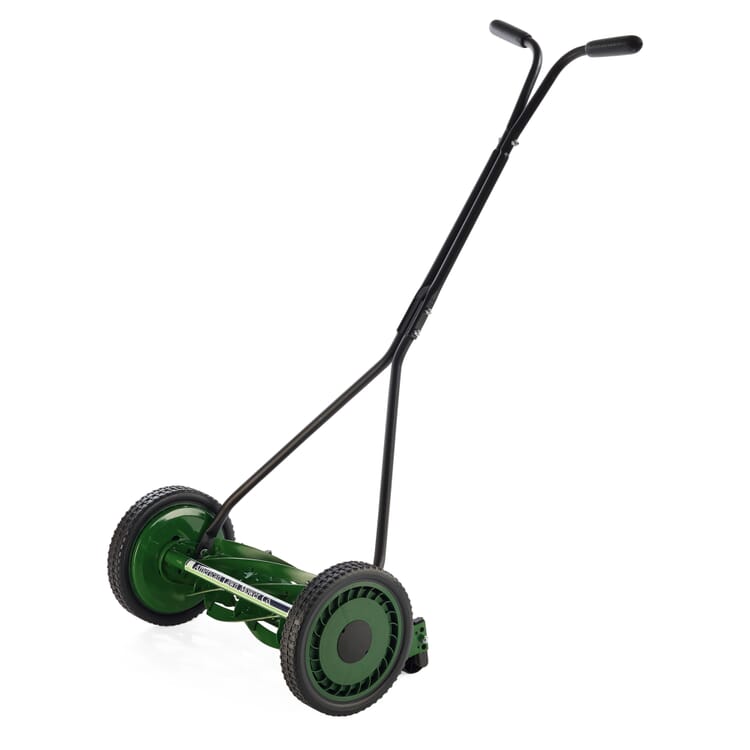
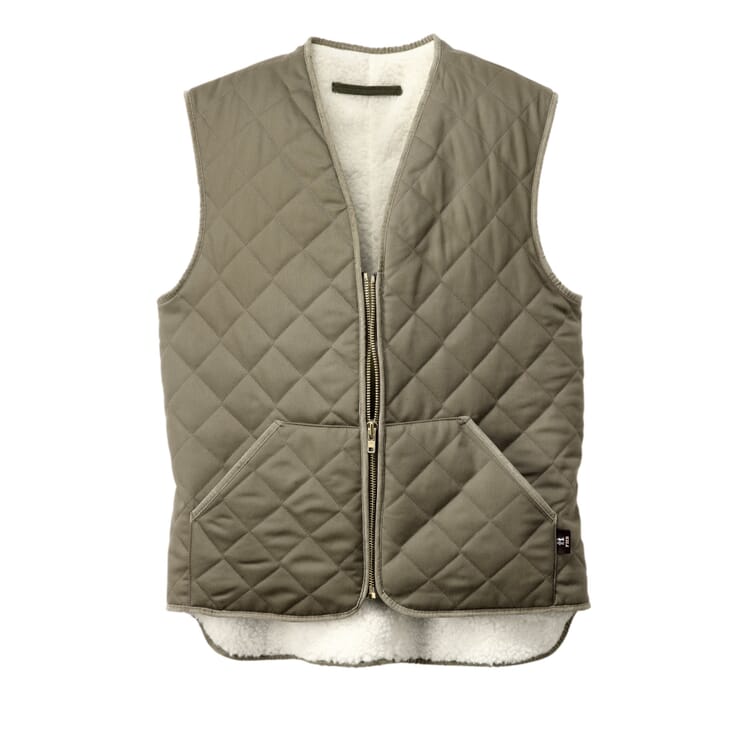
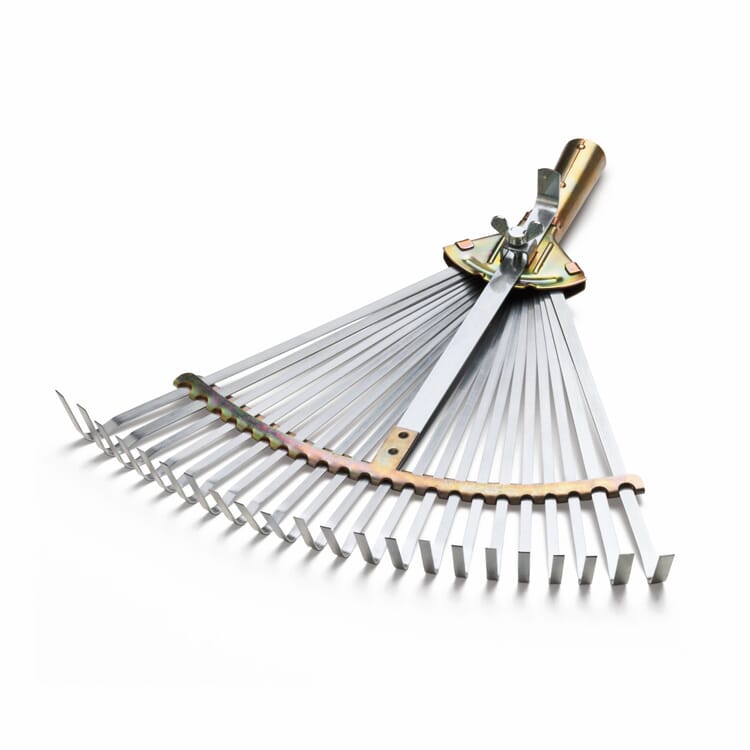
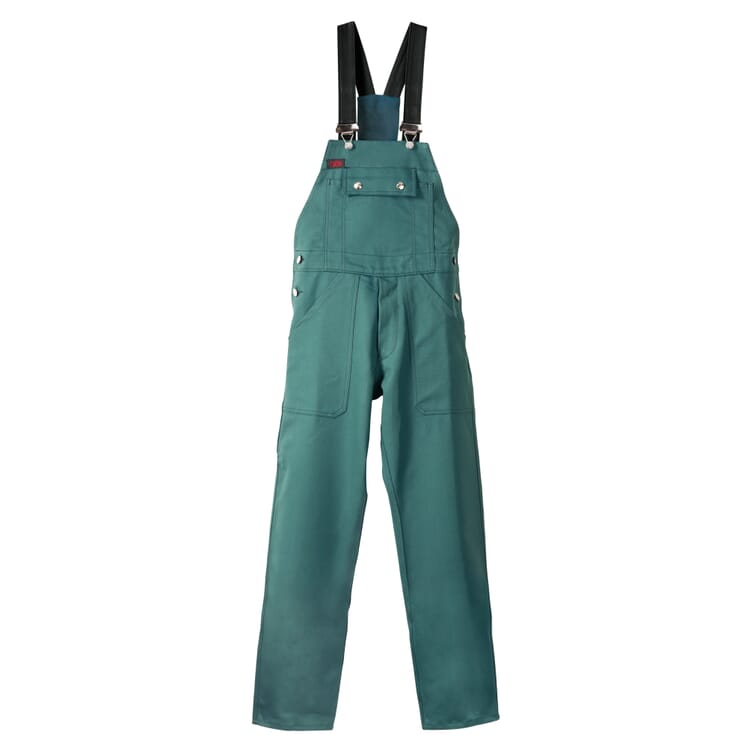
You will need: 1. tools: lawn mower, leaf brush, shovel, rake, fertilizer/lime spreader if necessary (can also be borrowed from a good specialist dealer), hand chute. 2. accessories: collection and transport containers for lawn cuttings, leaves and compost if necessary, work gloves, soil analysis or pH value quick tester (available from specialist dealers).
Tools and accessories for pre-winter lawn care




Instruction
- Before the start of the snow and frost period, shorten the lawn to a height of around four centimetres If the blades are too long, they may buckle under a closed snow cover and subsequently rot. If they are too short, moss can spread over the winter - Carefully rake up the clippings and remove them from the area so that the lawn underneath does not rot over the winter. **The mowing process has shredded and mixed it with the grass clippings, making it an excellent mulch (e.g. for areas under berry bushes) or a very good material for composting - **If necessary, apply an autumn lawn fertilizer (potassium-based) **The high potassium content makes the plants more tolerant to frost. Alternatively, spread a thin layer of finely sieved, mature compost over the lawn using a rake - **If the lawn shows signs of low pH (e.g. moss formation), apply lime **Spread evenly over the surface; it will be washed into the soil with snow and rain in the coming weeks. It is best to apply lime in a targeted manner **after a soil analysis or individual pH value measurement ** (Alternatively, lime can be applied in early spring, before the start of the growing season).

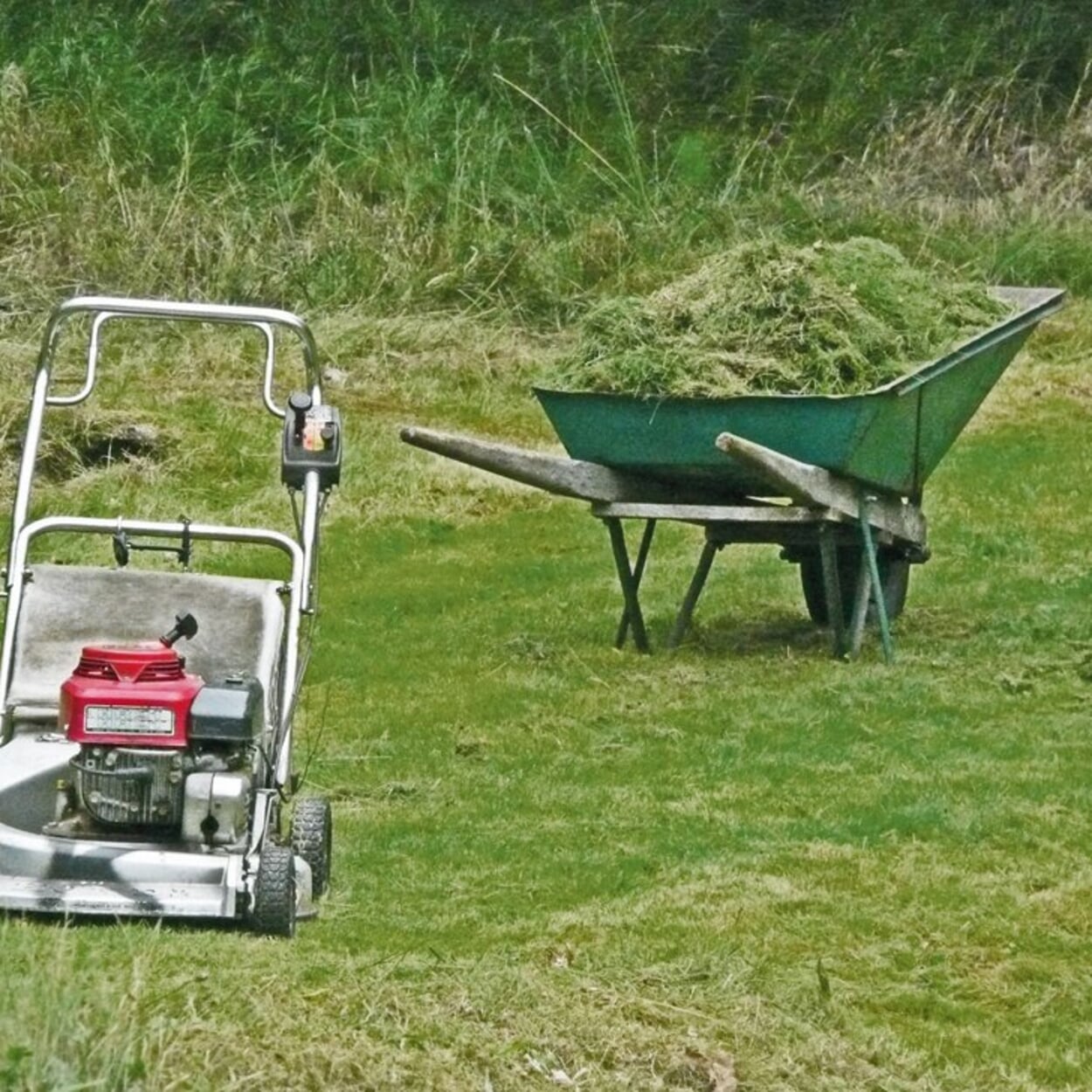
Carefully remove all clippings from the area

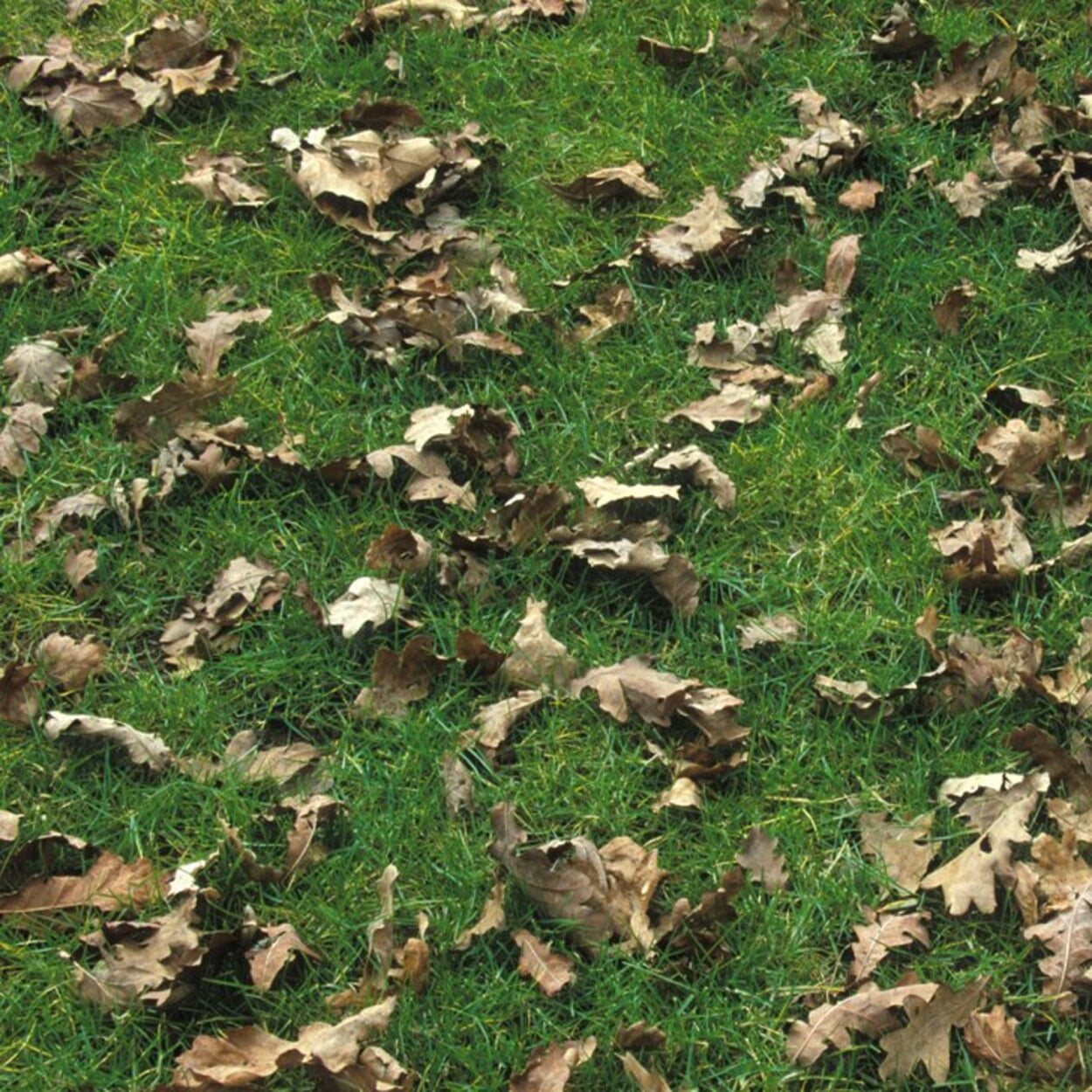
Small amounts of leaves can be "mowed" and composted with the grass clippings

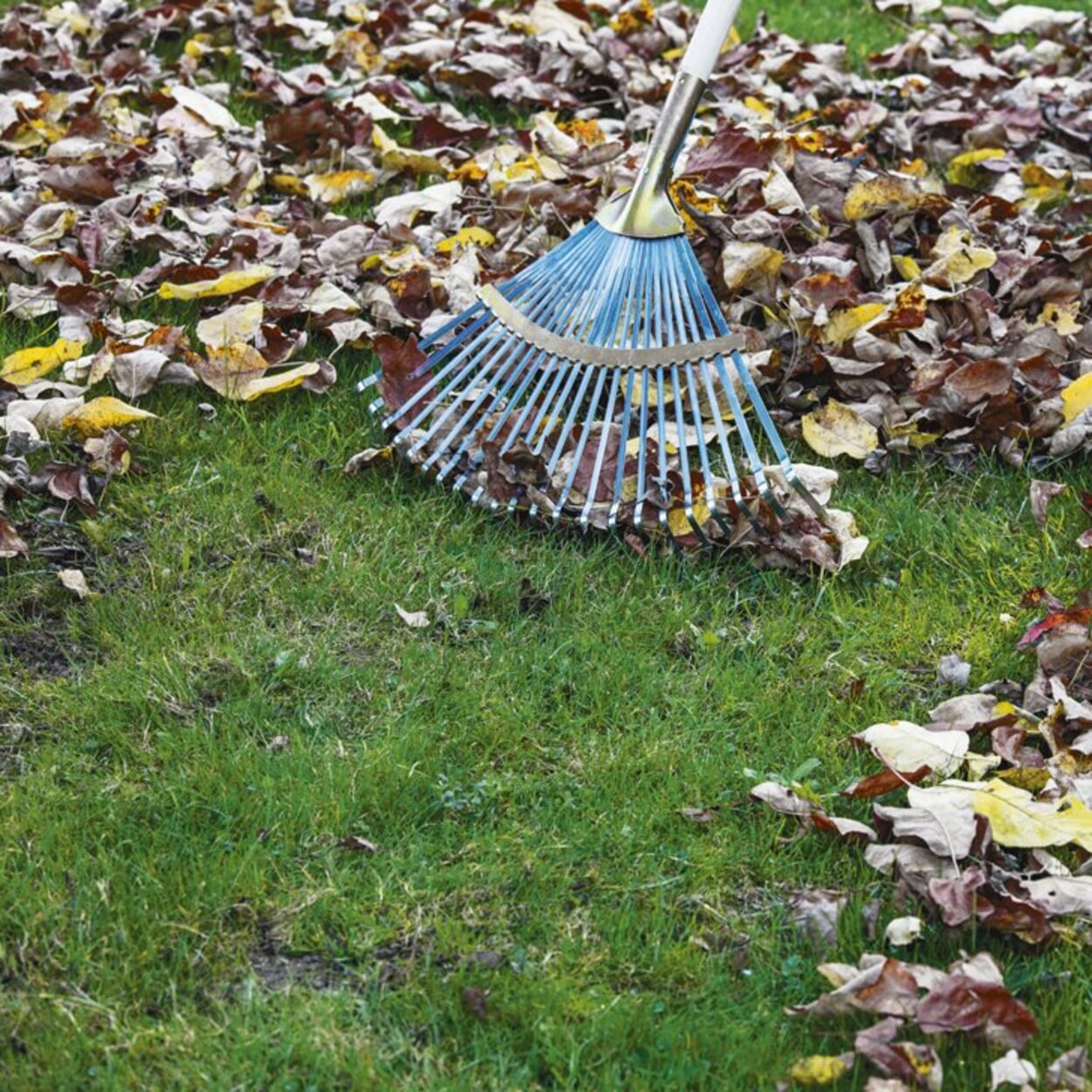
Remove large quantities of leaves from the area before mowing
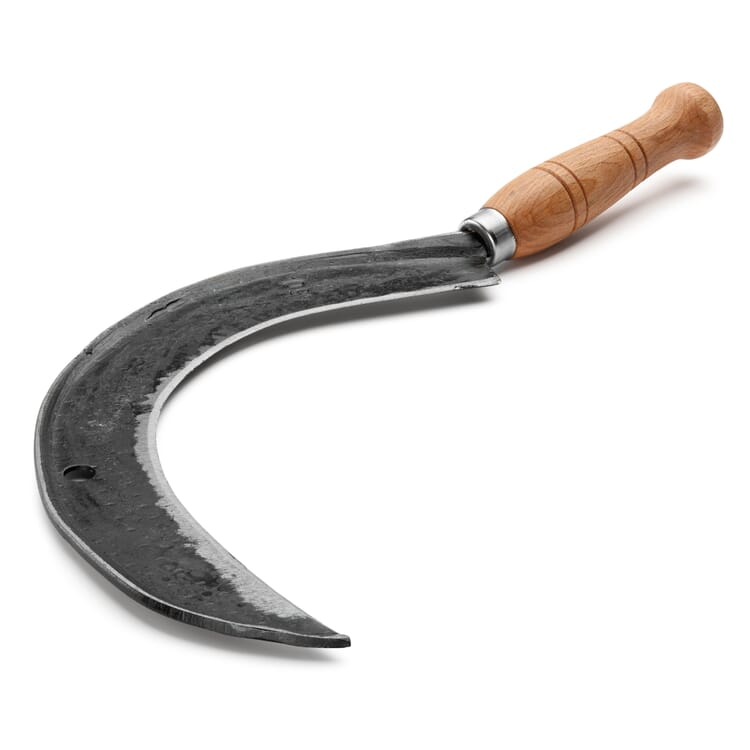
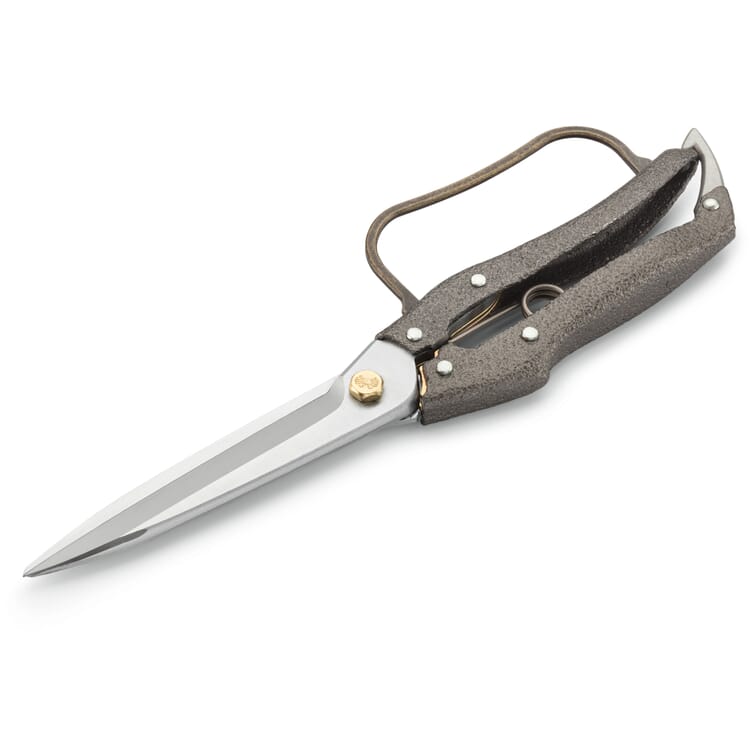
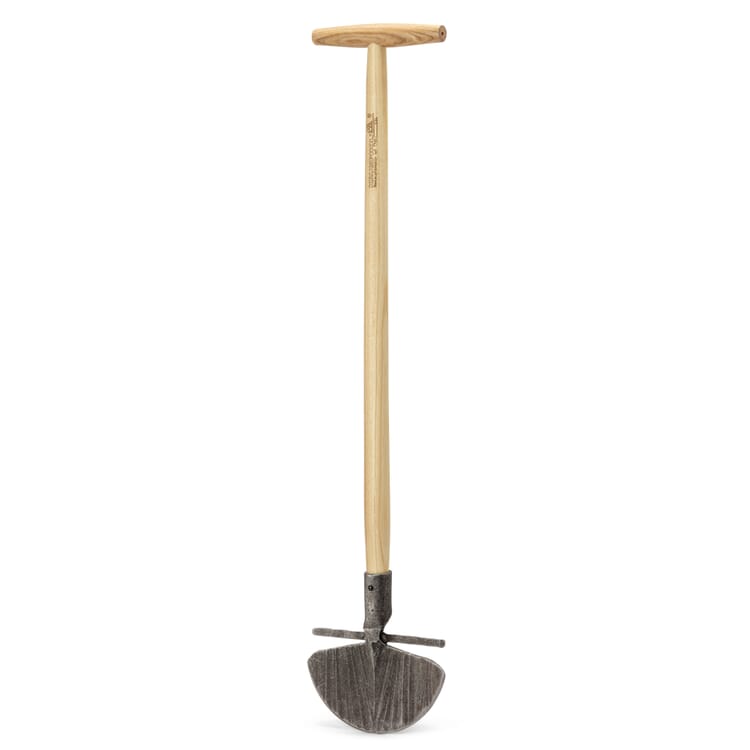
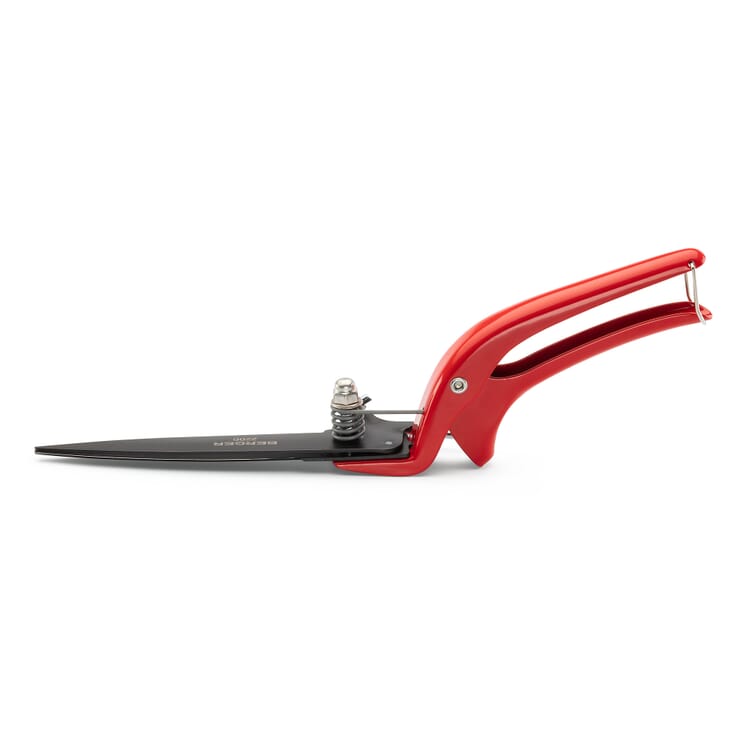
Other accessories and garden tools for lawn care






Recommended Topics

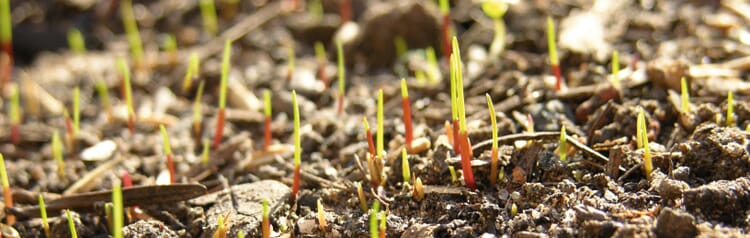
September is the best time to establish a new lawn, because the soil is still warm, but the air is already cooler. Also, the existing lawn should be regenerated now after the heavy strain in the past summer months - due to high temperatures, longer dry periods and intensive use of the area - so that the lawn grasses can go into the winter well strengthened.
View more
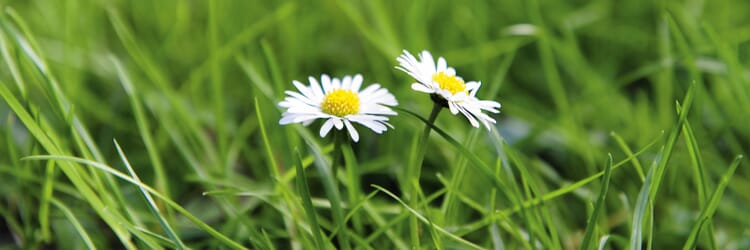
Towards the end of the month, in most areas, the lawn can be mowed for the first time. In addition, it is advisable to thoroughly maintain the lawn after the past winter to give the grasses a good start to the coming season.
View more
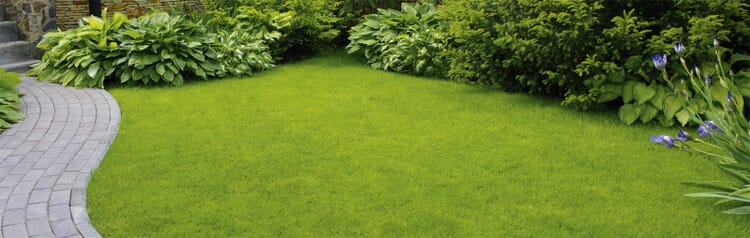
Now the lawn grows particularly fast; it should now be mowed regularly, about once a week, to create an even, dense surface. The recurrent cutting causes the grasses to branch at the base, and the growth becomes dense and remains uniform. A guideline for mowing frequency is every seven days, possibly more frequently in May and June when the grasses are growing particularly quickly.
View more