Lawn care after winter















Recommended Topics

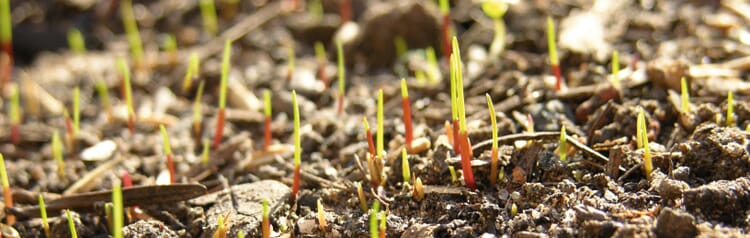
September is the best time to establish a new lawn, because the soil is still warm, but the air is already cooler. Also, the existing lawn should be regenerated now after the heavy strain in the past summer months - due to high temperatures, longer dry periods and intensive use of the area - so that the lawn grasses can go into the winter well strengthened.
View more

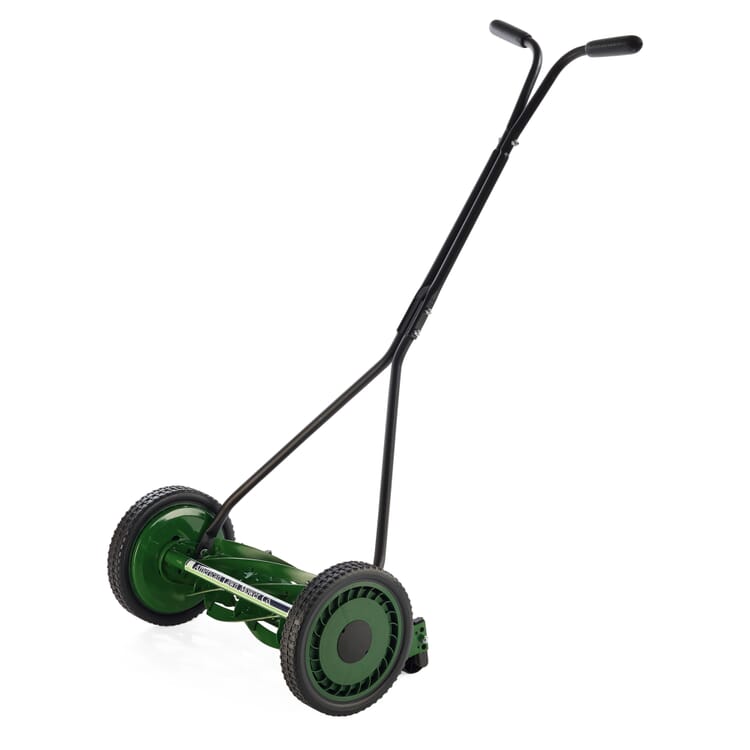
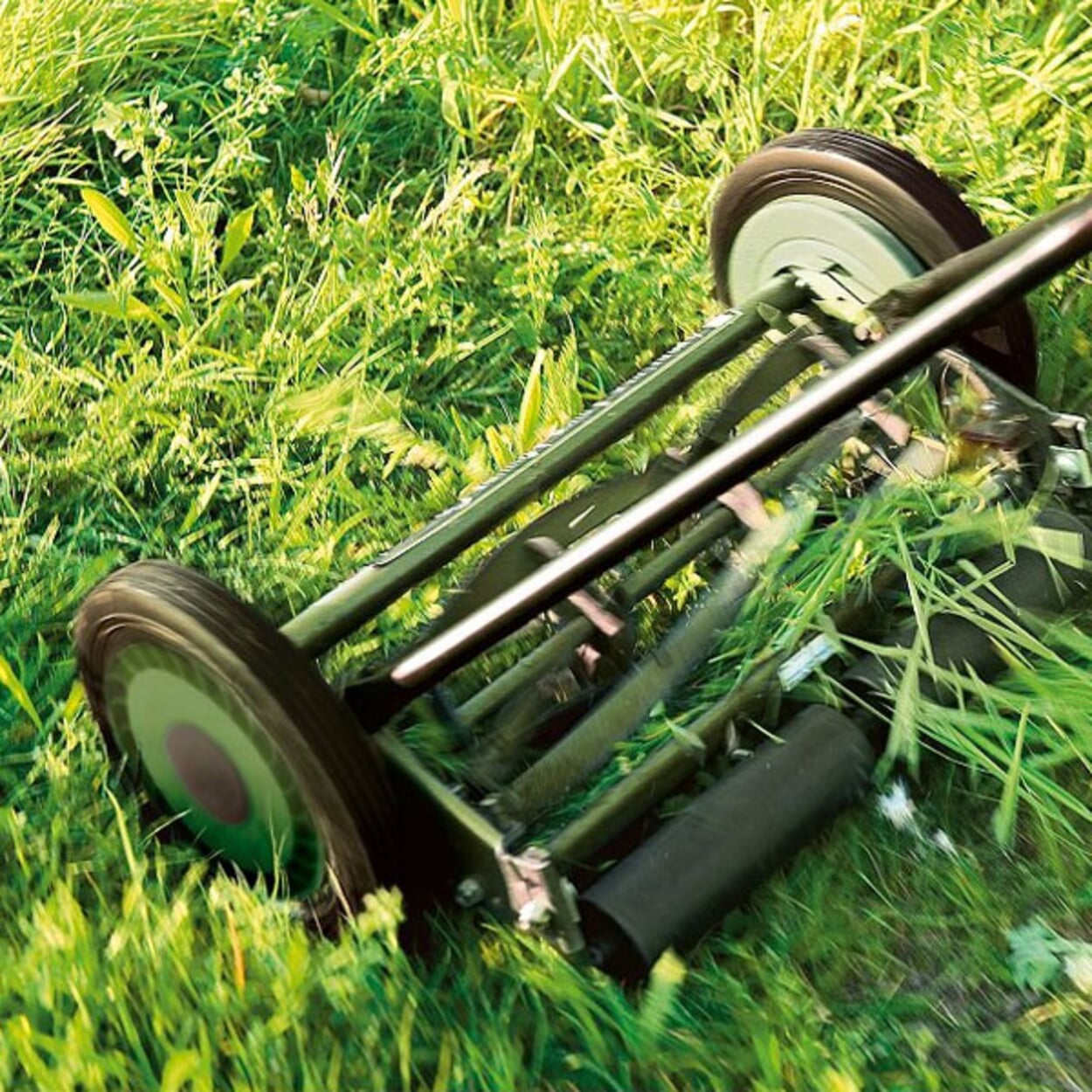
Now the lawn grows particularly fast; it should now be mowed regularly, about once a week, to create an even, dense surface. The recurrent cutting causes the grasses to branch at the base, and the growth becomes dense and remains uniform. A guideline for mowing frequency is every seven days, possibly more frequently in May and June when the grasses are growing particularly quickly.
View more
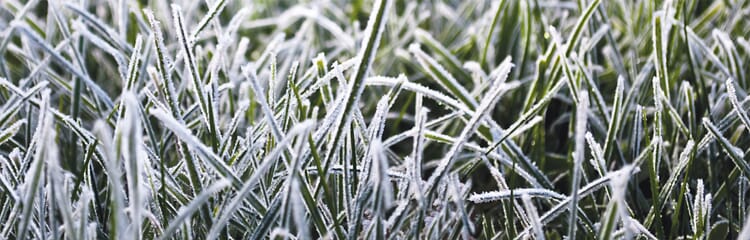
In mild weather, the last cut of the lawn may not be necessary until mid-November. With a cutting height of about four centimeters, the grasses survive the winter best; at the same time, the remaining fallen leaves can be removed from the area and, if necessary, still fertilized and limed.
View more