Garden Year
Cut back, plant or sow herbs

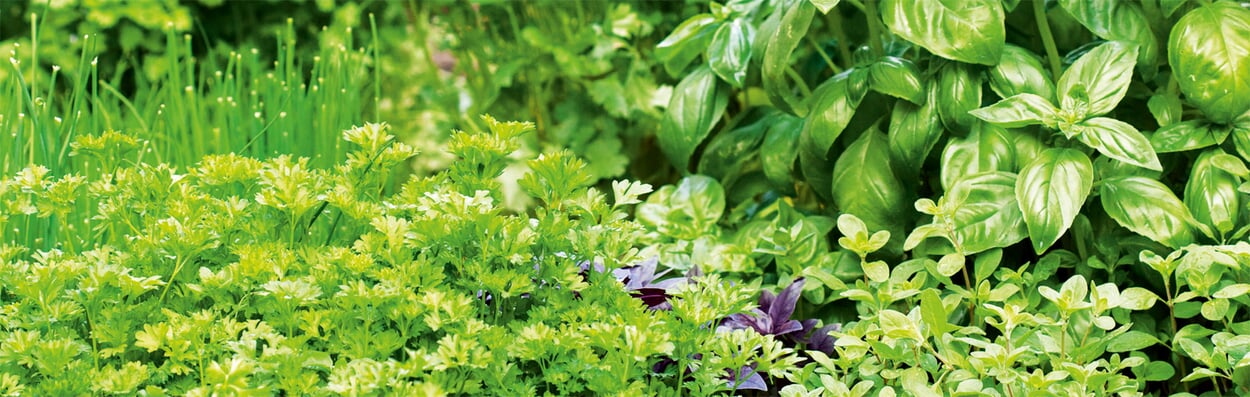
April is the right time to plant perennial herbs such as thyme, sage, mint, rosemary, mountain savory or oregano, as well as annual herbs such as chervil, cress or dill directly into the open ground. In addition, herbaceous perennials already present in the garden must be cut back before they begin to sprout more. This maintains the vitality of the plants and promotes a compact and bushy growth habit.
What is needed:
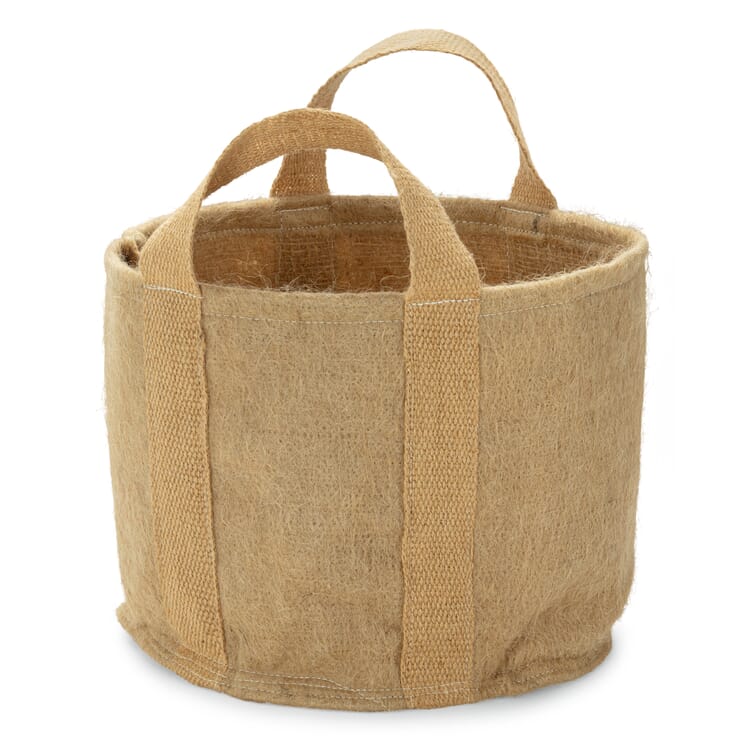
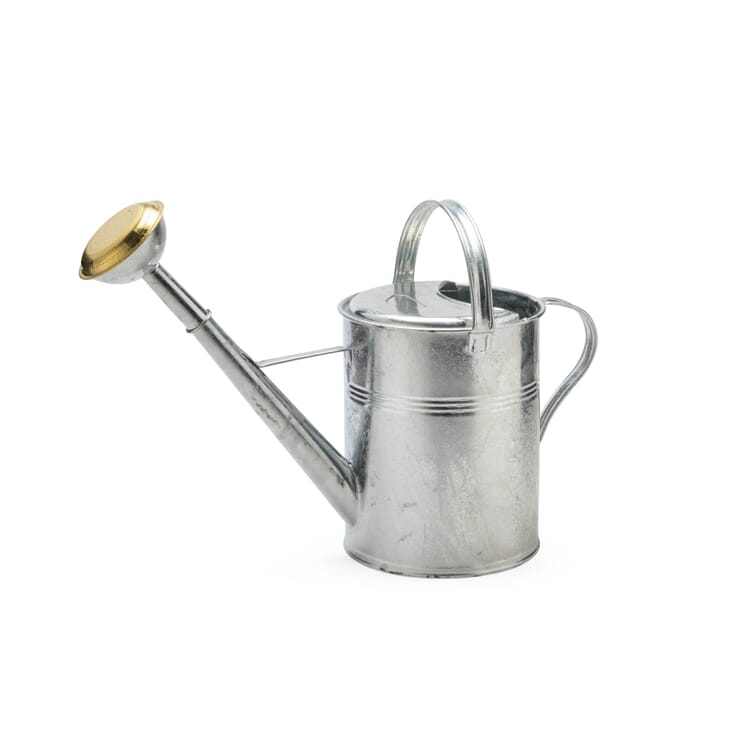
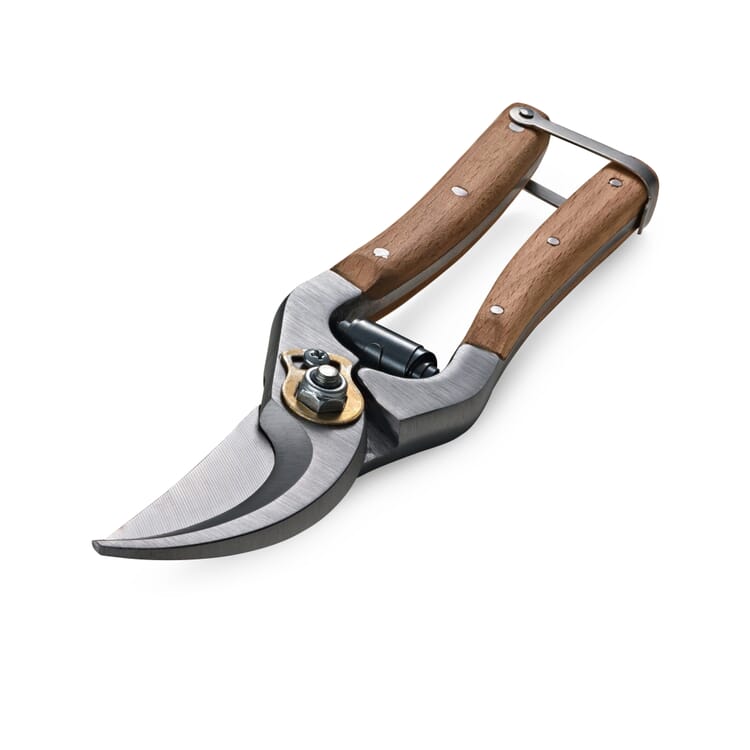
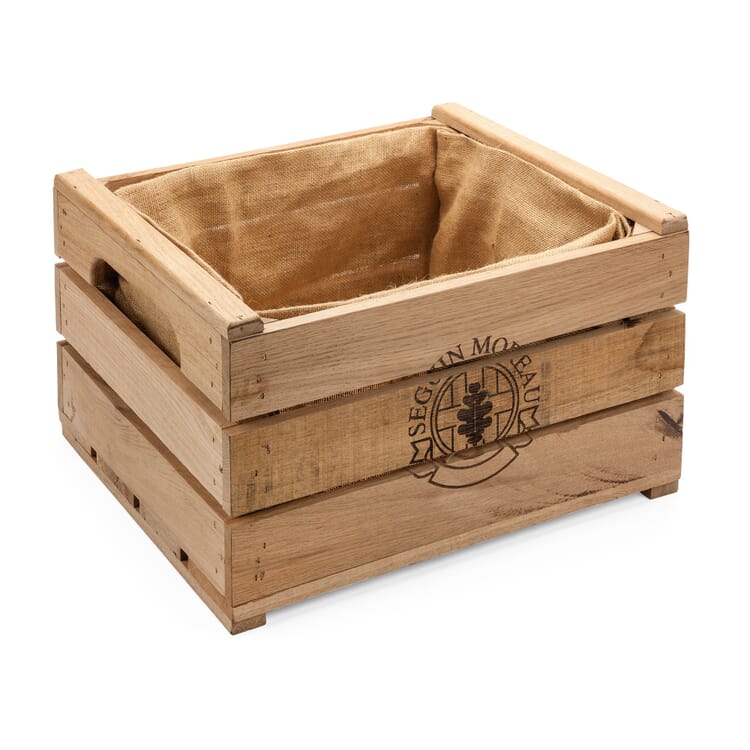
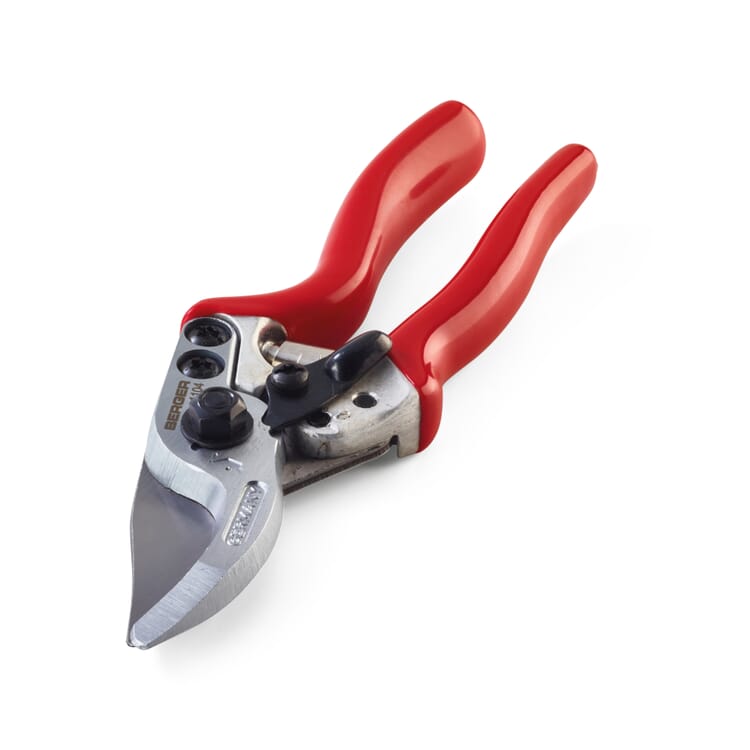
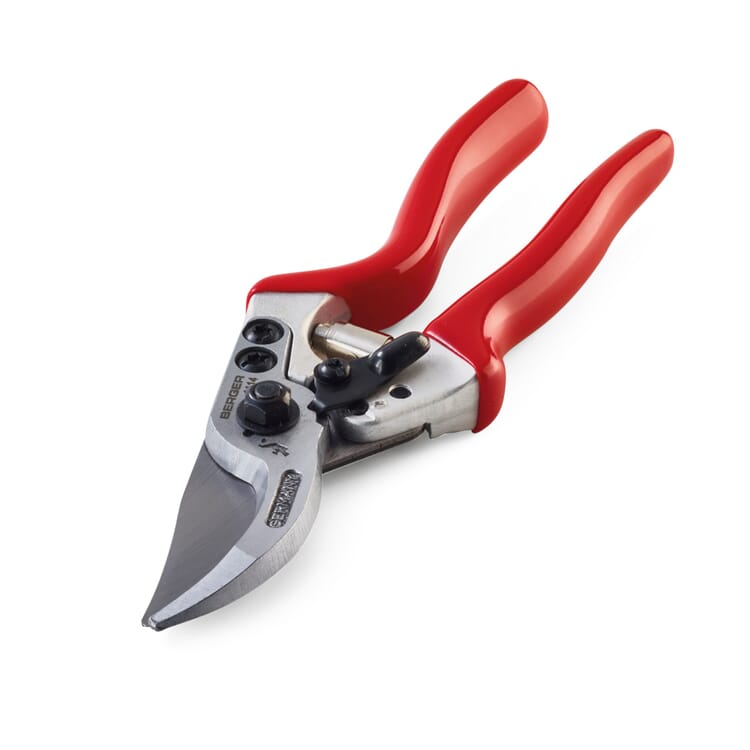
- tools: planting hoe or trowel, rolling cultivator, cultivator or hand harrow and rake to prepare seedbeds, sharp, clean cutting tool (depending on the size of the plant bypass scissors with short blades or smaller hedge shears). 2. accessories: planting string, plant labels if necessary, watering can, well-fitting work gloves, container for cuttings, suitable planters and substrate if necessary.
Tools and accessories for cutting, planting and sowing herbs








Instruction

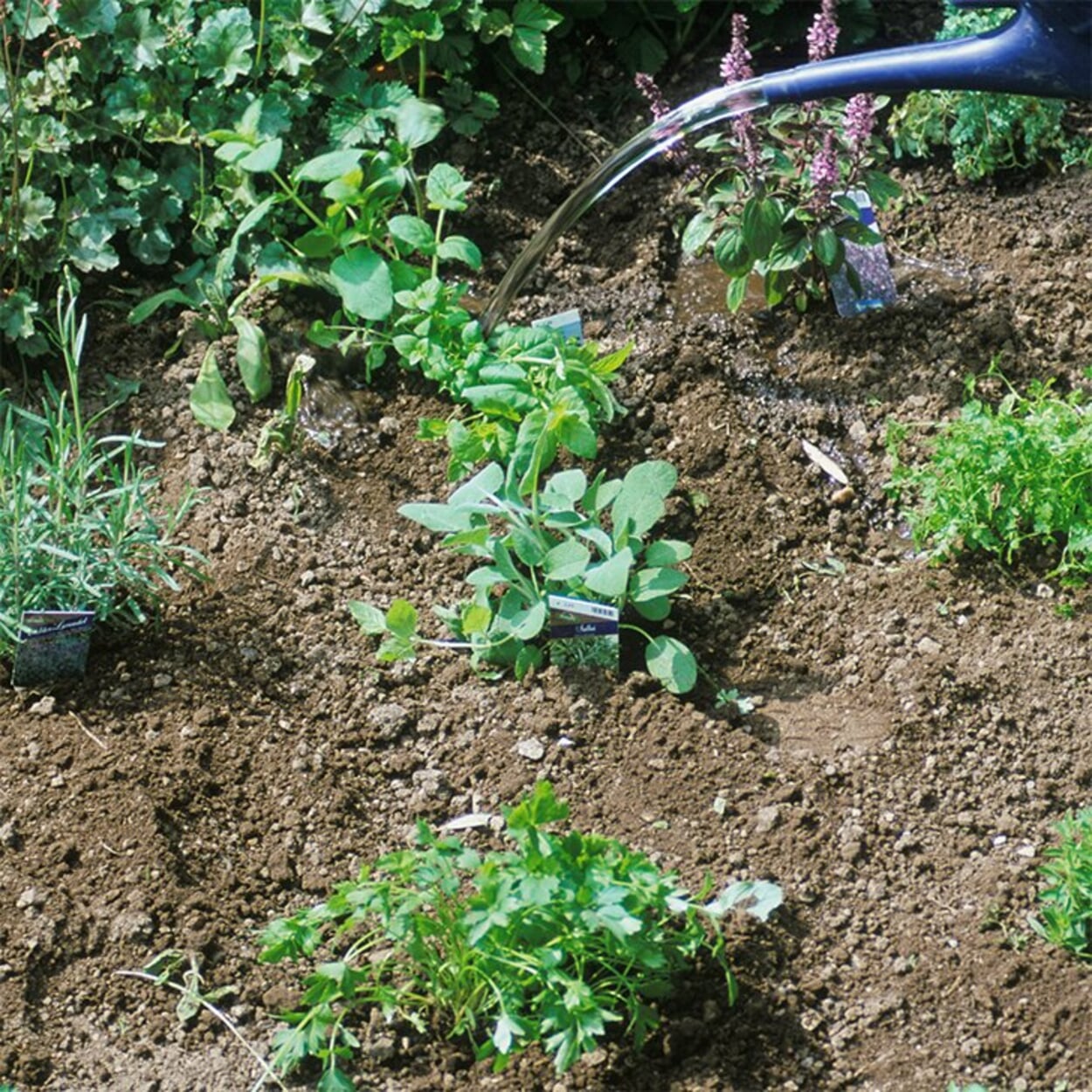
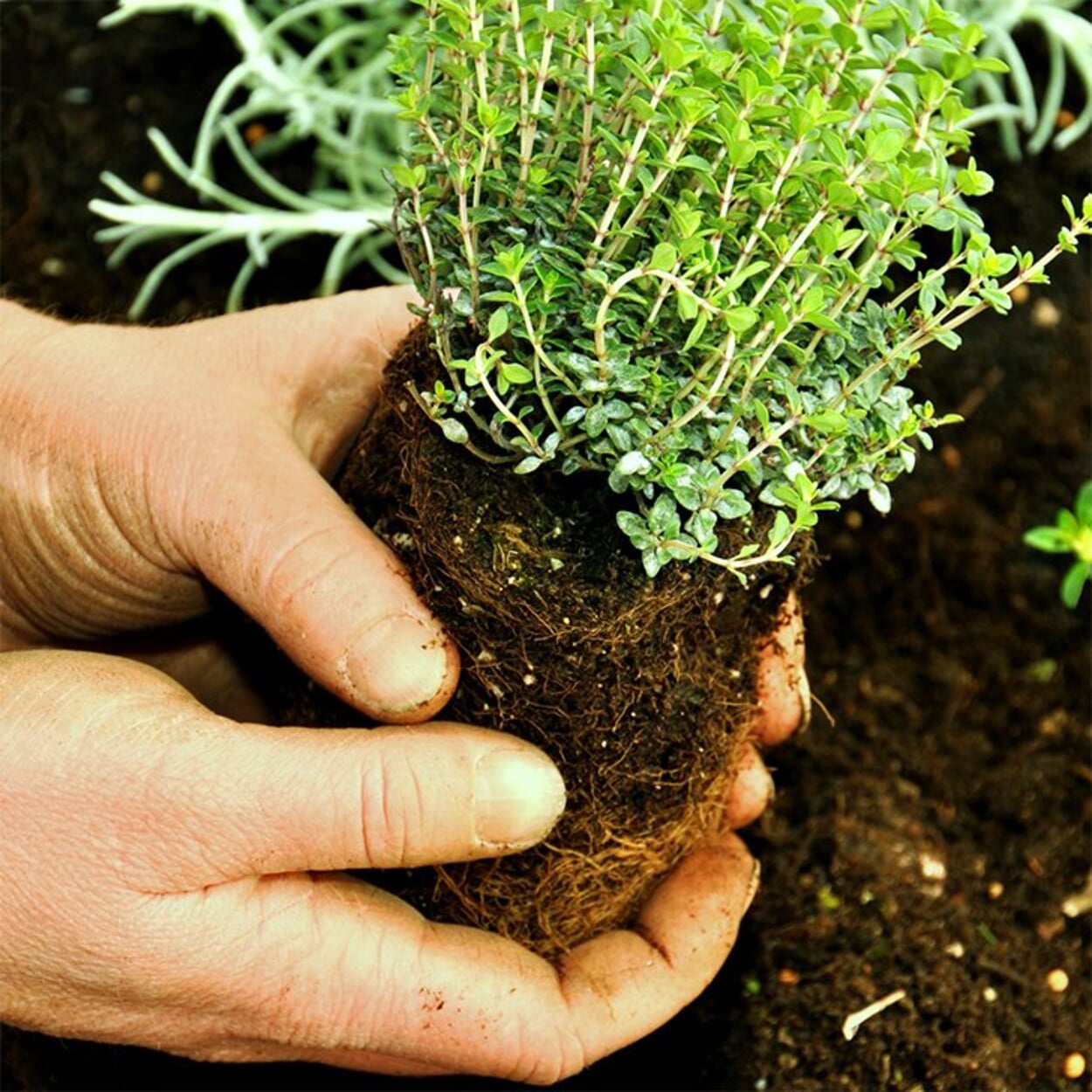
- Plant purchased herb plants in the bed or in containers. Note the specific requirements of the location (sunny or semi-shady) and the soil: rather nutrient-rich or lean, rather loamy or sandy, rather dry, fresh or moist? - Dip the pot ball before planting in water until it is completely soaked. Then plant, press well and water. When planting in containers, make sure that there is good drainage, as most Mediterranean herbs are sensitive to waterlogging.** For this purpose, it is best to fill the bottom of the container with a sufficiently strong drainage layer of gravel or expanded clay.
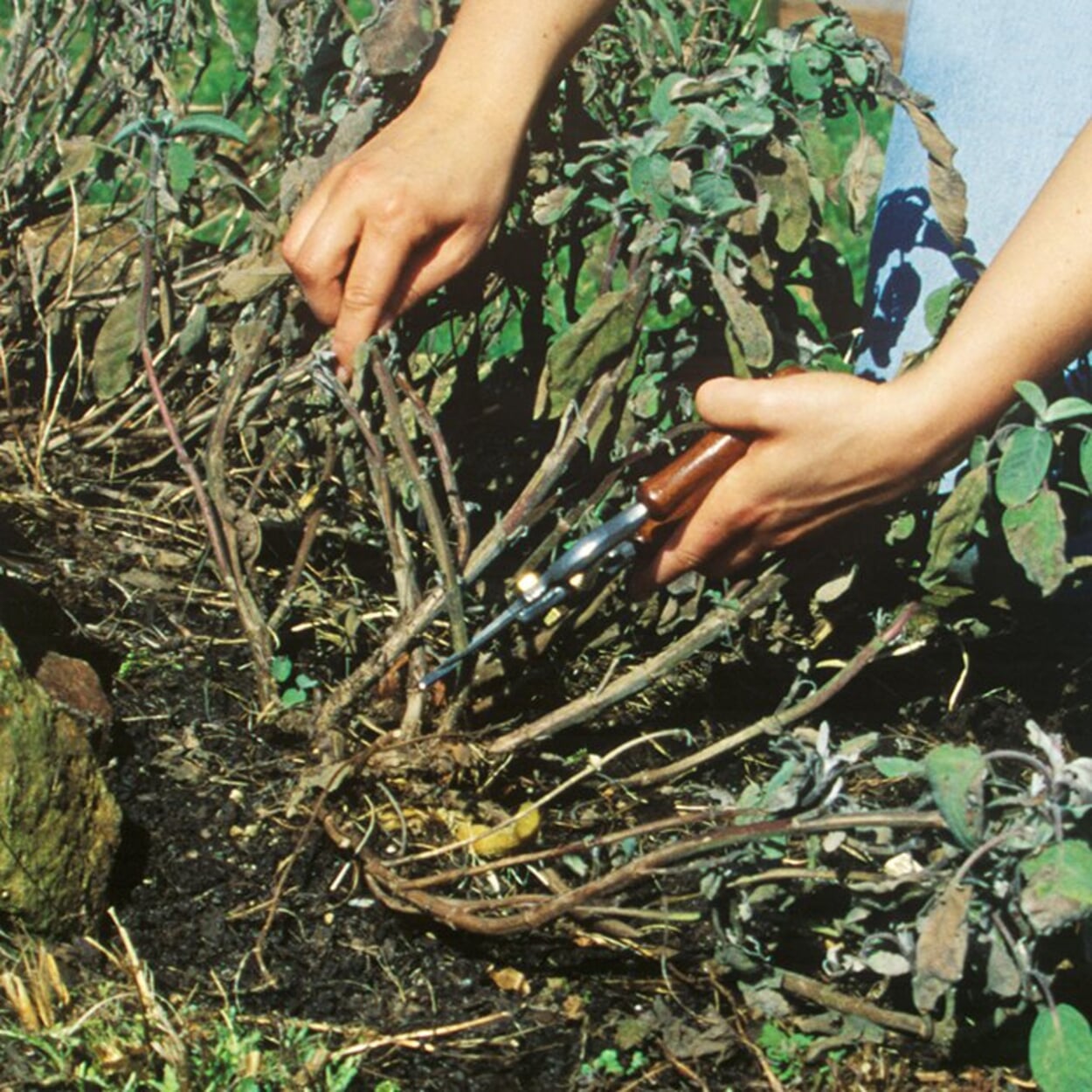
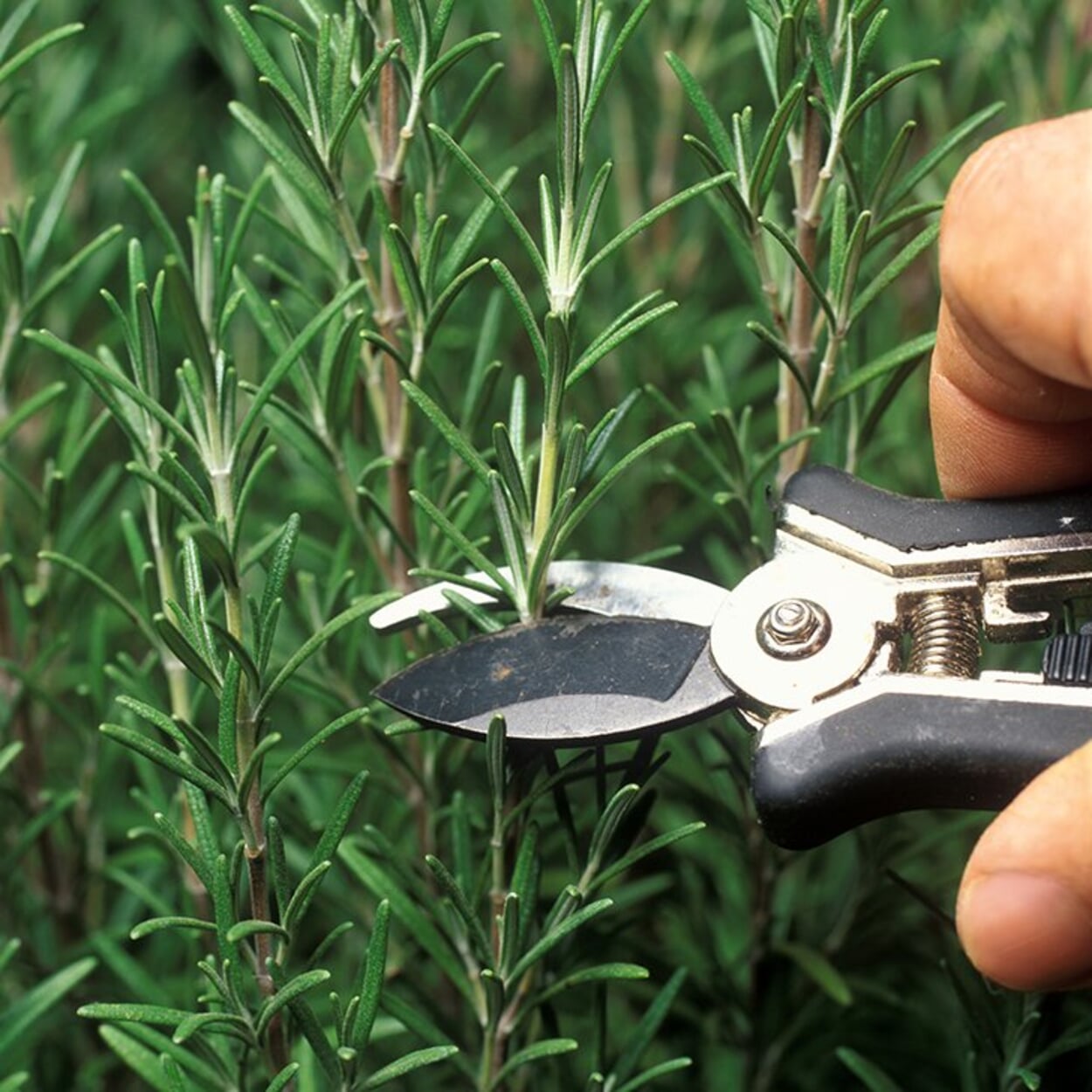
- When sowing, note that there are an unusually large number of so-called light germinators in the group of herbs. In these species, the seed must not be covered with soil, because for germination (in addition to moisture and heat) is also necessary light. Light germinators are, for example, basil, savory, cress, dill, chervil, caraway or thyme. - Cut back perennial, partly woody herbs such as thyme, lavender, sage, mountain savory, rosemary or oregano in April. This promotes a compact, dense growth habit and prevents plants from becoming senescent, barren, and overly woody - Cut thyme, lavender, sage, mountain savory, or oregano one to two handbreadths above the ground. For rosemary, trim only the shoot tips, just inside the woody branches. Under no circumstances should these (evergreen) plants be pruned as early as fall; the longer, leafy branches provide good protection from freezing or drying out - Remove senescent, kinked and frostbitten shoots entirely and clean out the dried foliage.
- If the fresh, soft shoots are already somewhat higher, there is a risk of cutting them off or damaging them - The dry part of herbaceous plants (for example, lemon balm) **In April, cut off everything dry just above the young shoots - Especially with the more frost-sensitive herbs such as rosemary, sage or thyme, make sure **that you do not cut when night frost is still announced ** Then wait until May if necessary. This is because pruning removes the replacement buds, from which the plants could resprout if the shoot tips are damaged by late frosts.



Recommended Topics

In summer, perennial herbs such as sage, rosemary, oregano, mint, tarragon, (perennial) savory or thyme can be propagated via head cuttings. With constant heat and plenty of light, they now root quickly and develop into small plants by the end of the season.
View more
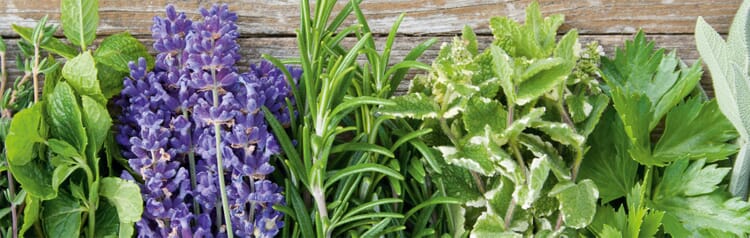
Many herbs have reached the peak of their development in July, are now particularly rich in seasoning power and healing substances - and are available in abundance. To stock up for the winter, they are now harvested, dried and stored in suitable containers.
View more
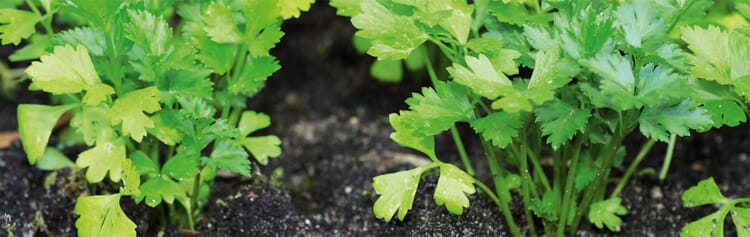
In July and August, the biennial herbs are sown, which remain green over the winter and can then be harvested. These include parsley, spoonwort, Barbara herb (winter cress), winter purslane, dandelion and caraway.
View more