Garden Year
Maintaining perennial beds

Before the first perennials start to sprout, some maintenance work should be carried out in the perennial bed. Mulch material that served as winter protection should be removed so that the March sun can warm the soil. Overgrown, overaged perennial shrubs should be divided and an application of organic fertilizer will ensure a good start to the new season.
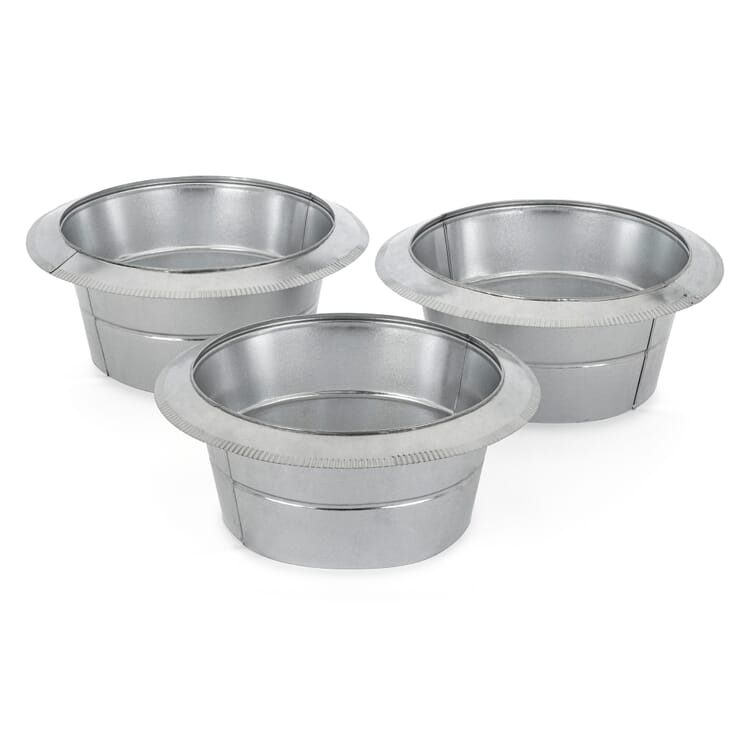
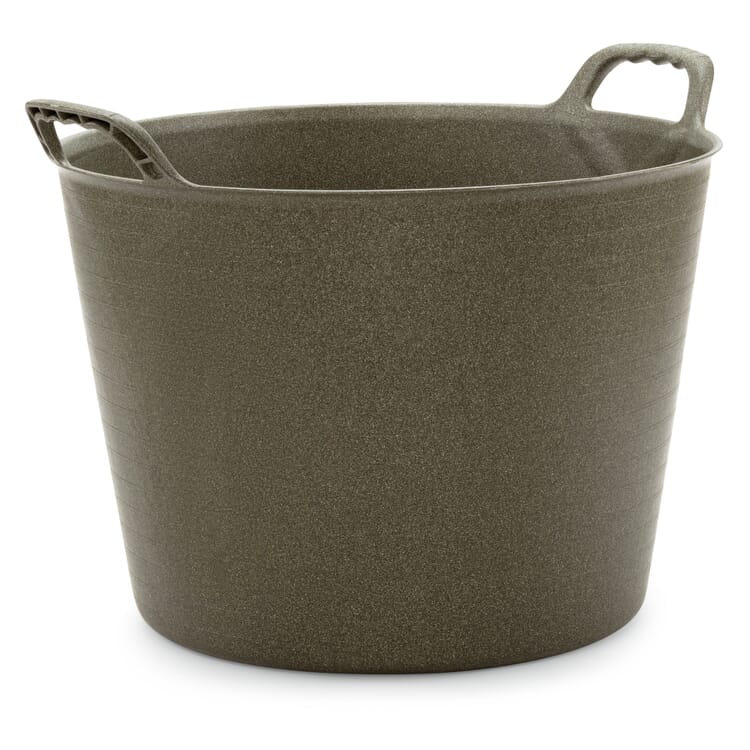
You will need: 1. tools: bypass shears with short blades ("rose shears") or small sickle with a strong blade, rake, leaf broom, digging fork, root spade or planting knife, compost sieve, shovel, wheelbarrow. 2. accessories: collection container for weeds and clippings, snail protection, moisture-resistant work gloves.
Tools and accessories for shrub care




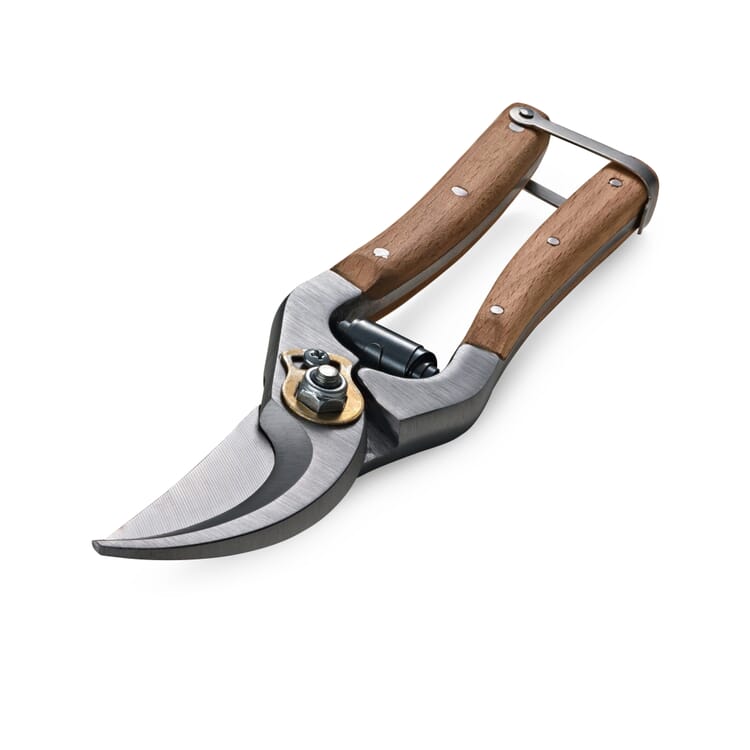


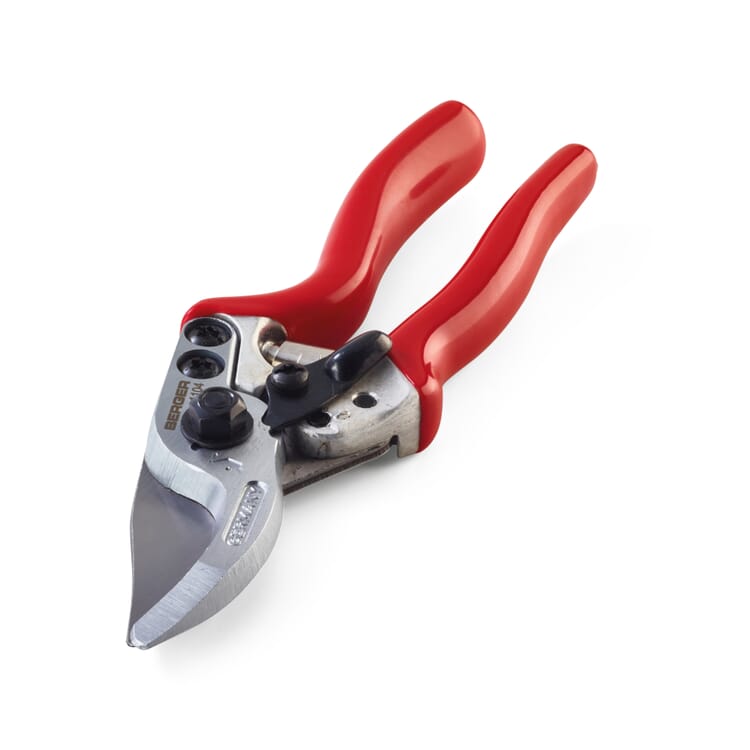


Instruction

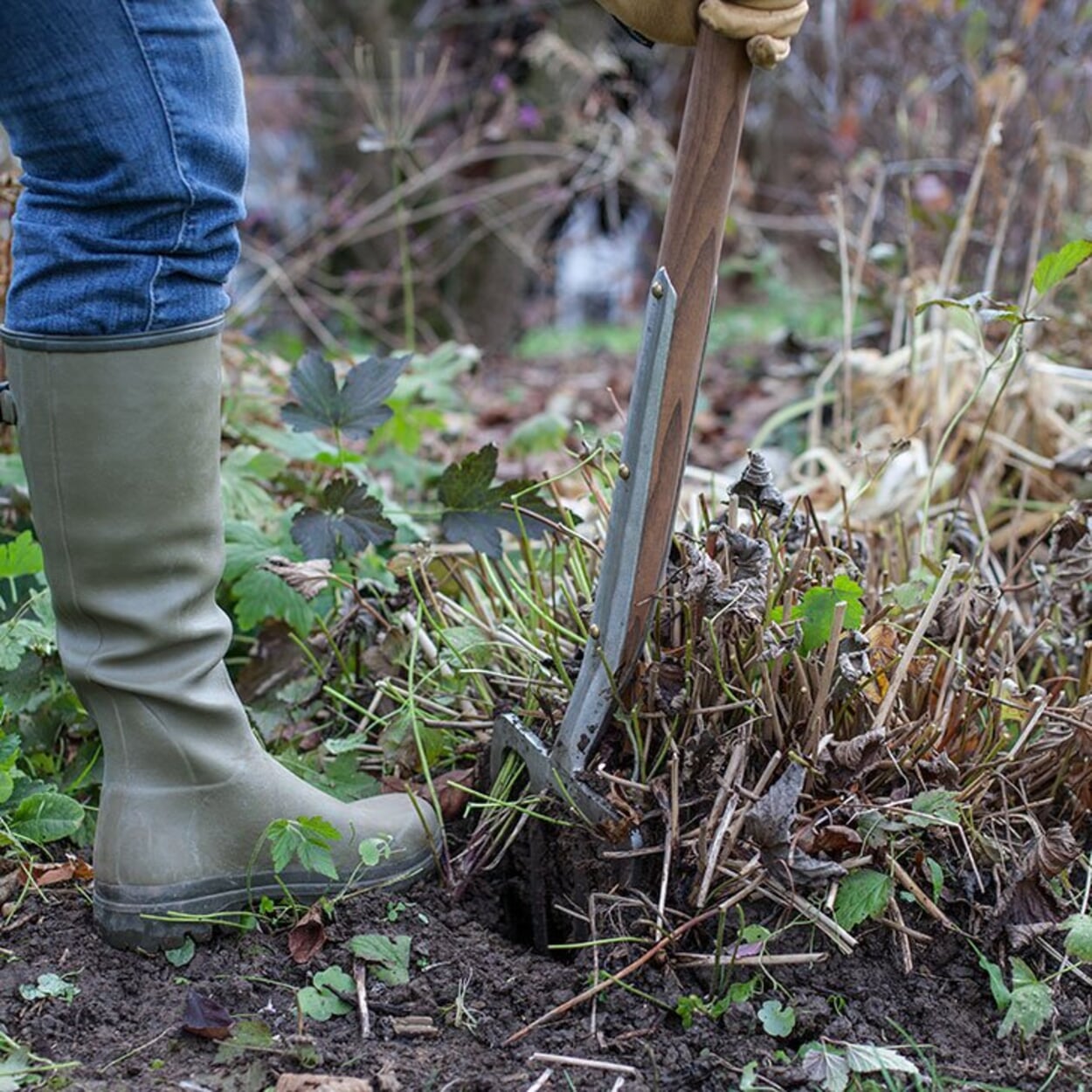
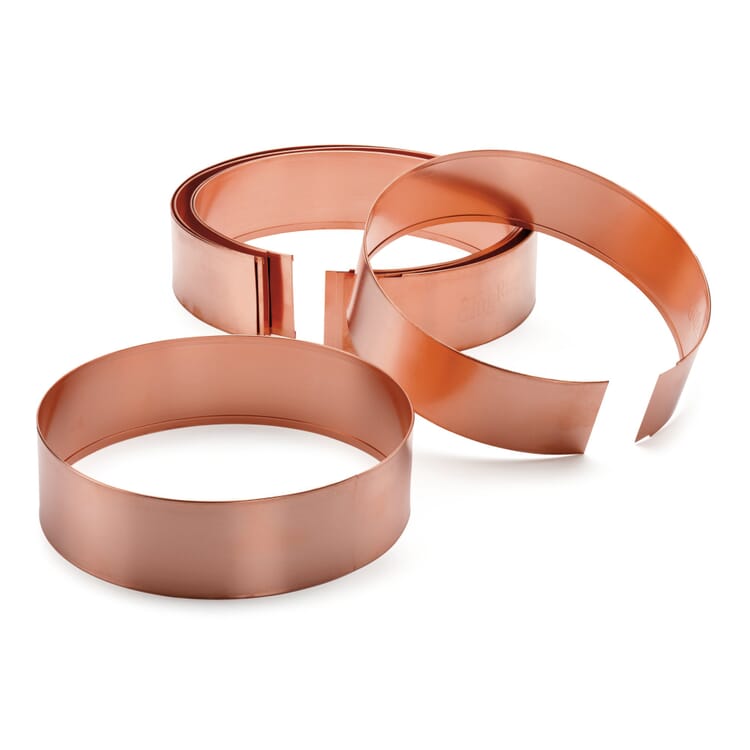
- If winter protection was applied to more sensitive perennials in the fall, remove it by the middle of the month. Also remove the leaves that were applied as a protective ground cover before winter from the beds now. They now prevent the March sun from warming the soil and can make it more difficult for the smaller early bloomers to emerge. However, do not put the leaves and other material in the organic waste garbage can, but in the compost, so that the many organisms that have overwintered in them (for example the beneficial ladybug) are preserved for the garden - At the end of the month, remove the stems, inflorescences and leaves from the previous year's bed and put them in the compost ** If March is very cold, this work must wait until April, so that all the insects that have overwintered in them have enough time to hatch. With many perennials, it is easier to simply pull out the dry stems and leaves than to cut them - Check newly planted perennials in the fall that do not yet have a dense root system to see if they have frozen over the winter. If this is the case, press the plant firmly back into the ground with both hands - Protect newly sprouting delphiniums or lupines, generally perennials that are particularly "infested" by snails, from being eaten with suitable means. If you do not want to use slug pellets, a ring made of plastic, copper or sheet steel will provide reliable protection for the first few weeks - once the plants have reached a certain size, they are usually less at risk - **Divide overgrown, flower-decaying or over-aged shrub clumps ** Carefully pick up the plant with a digging fork, shake the loose soil from the roots and divide the root ball with a sharp knife or spade. Root weeds such as ground elder or couch grass can be removed from the root ball and disposed of in the organic waste garbage can. Then put one half (or a section in the case of very large clumps) of the shrub back into the planting hole together with some mature compost. **A typical sign of ageing is that the new shoots are mainly formed at the edges and the inside of the perennial is dying back. In this case, only replant the outer pieces of the perennial and put the inner ones in the compost. Spread a layer of compost about **finger-thick on the perennial bed as spring fertilizer. The compost should be weed-free and not too coarse, so sieve the material before applying it.

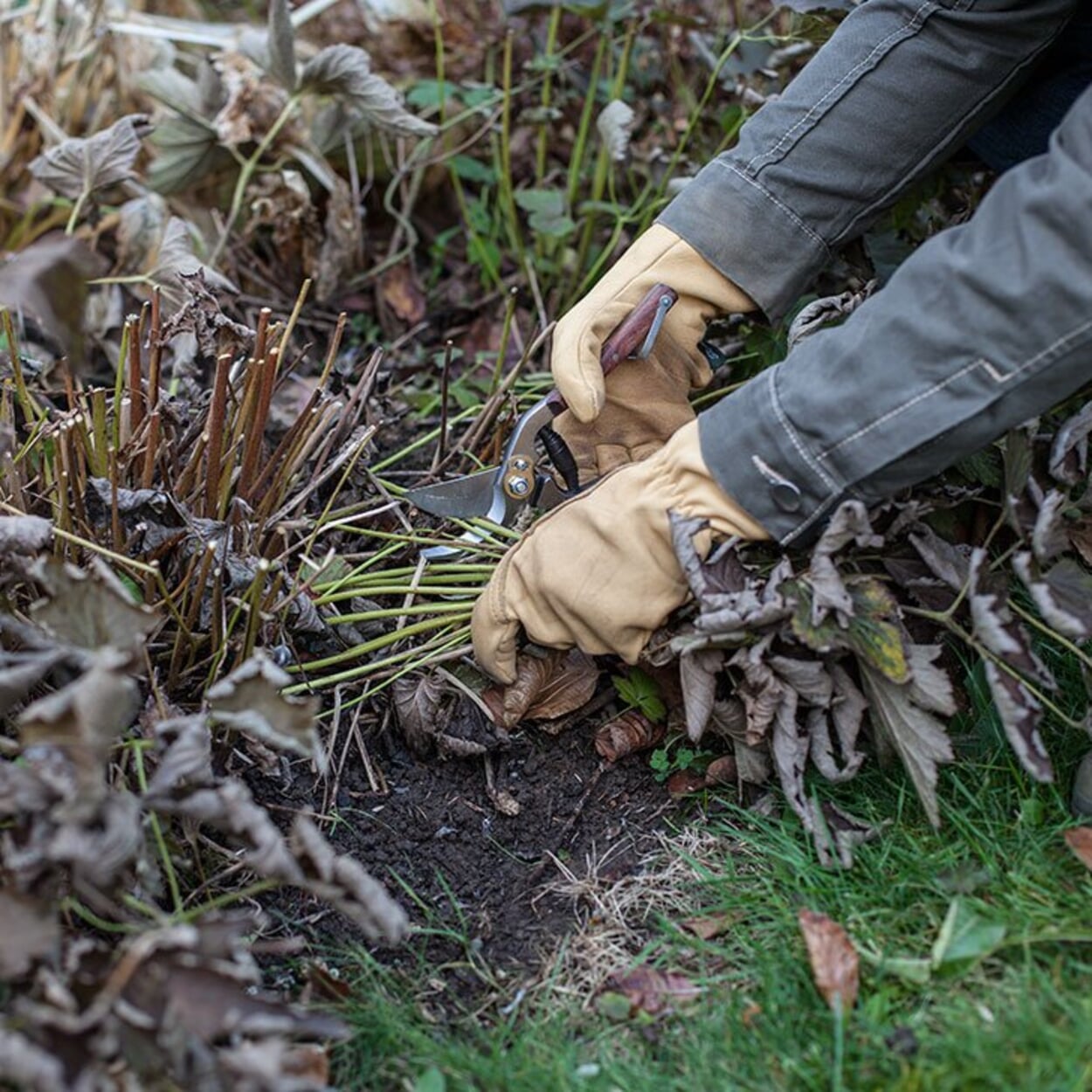
Remove last year's leaves and remove foliage from the beds

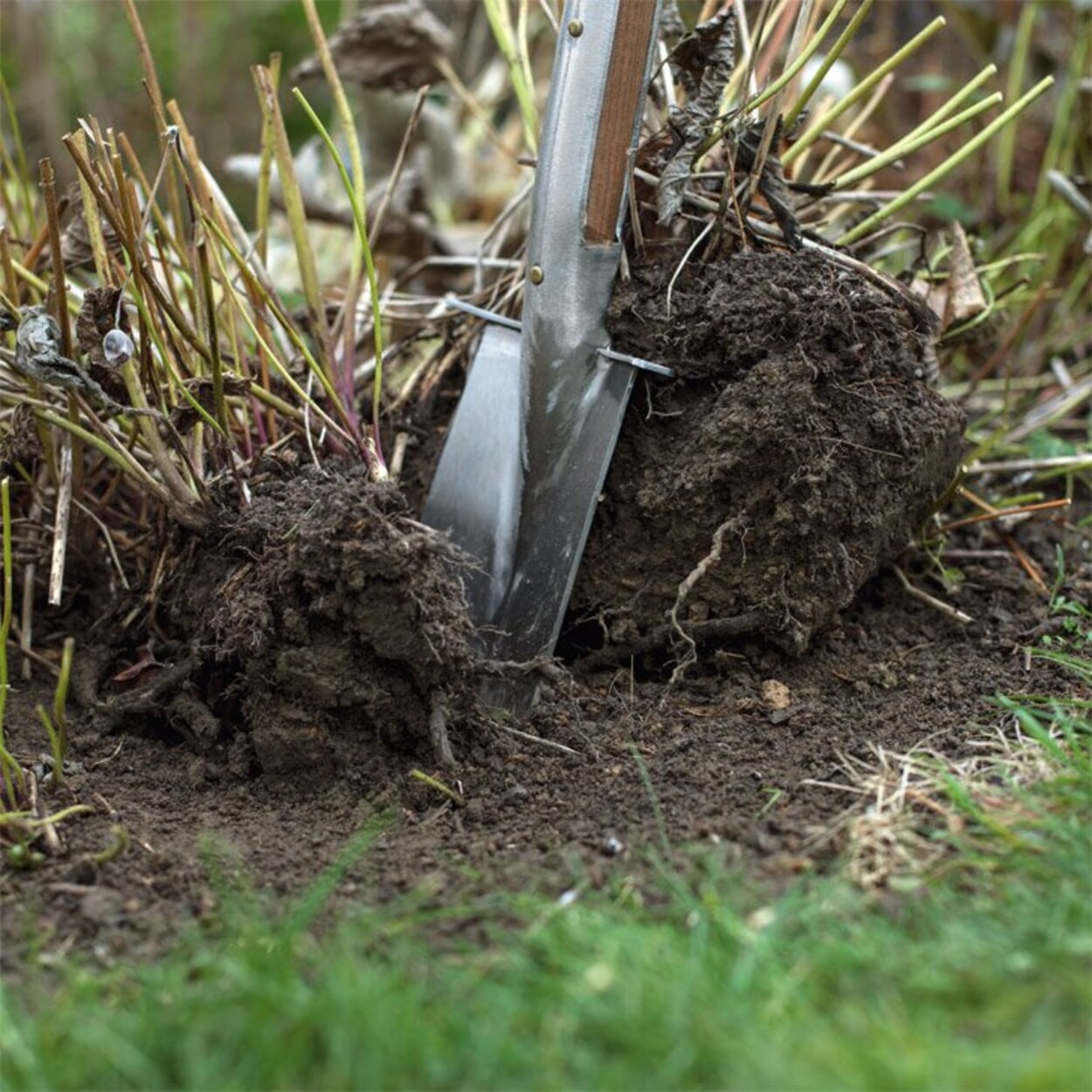
Pick up and divide overaged shrub clumps

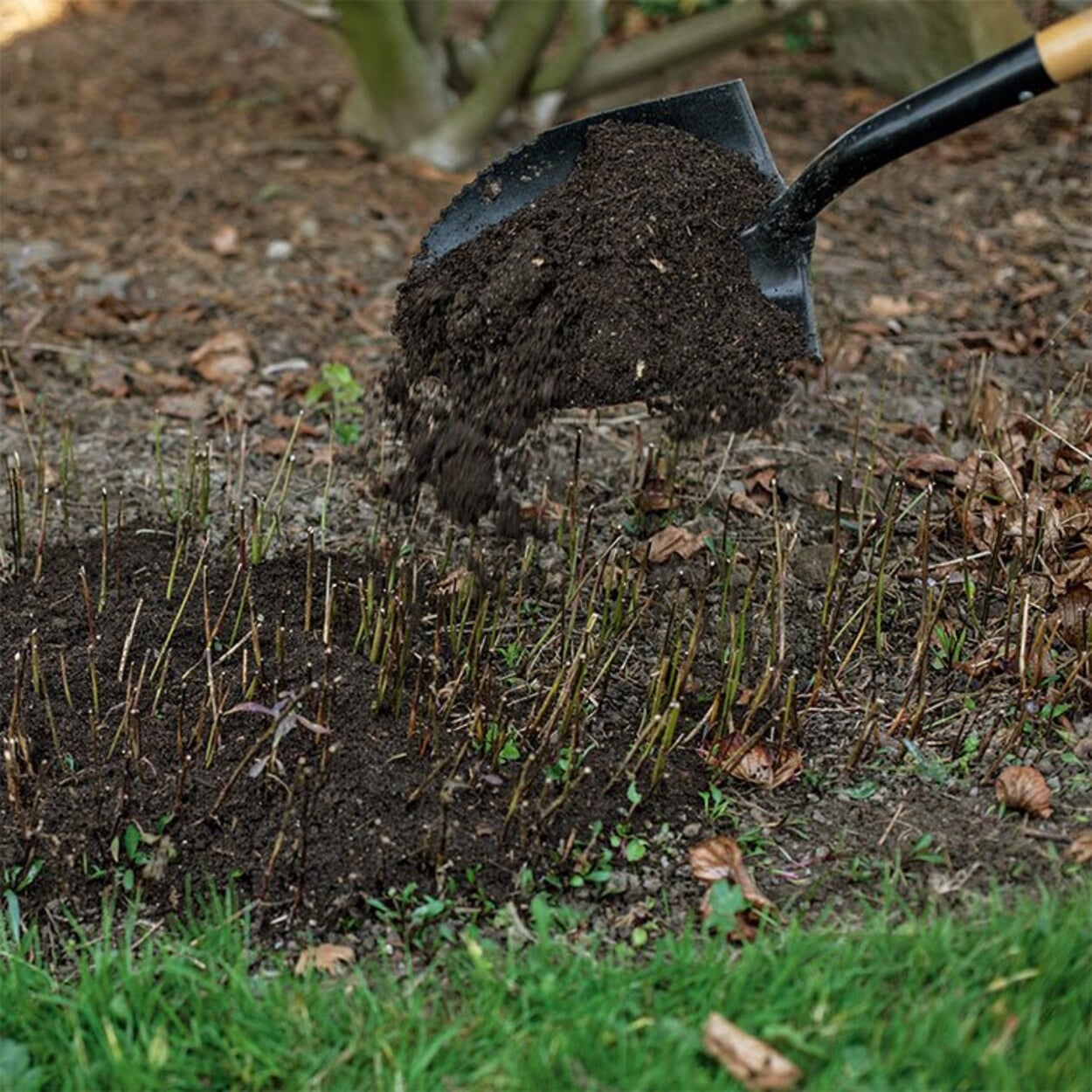
Spreading compost
Perennials and flower bulbs







Recommended Topics

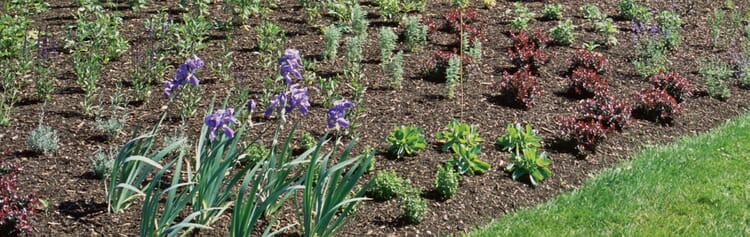
Early fall is the ideal time for planting most perennials. The plants have largely completed above-ground growth and can now tolerate a change of location much better than would be the case during the growing season. In addition, the soil is still warm now, so the plants grow quickly and are well rooted by winter.
View more
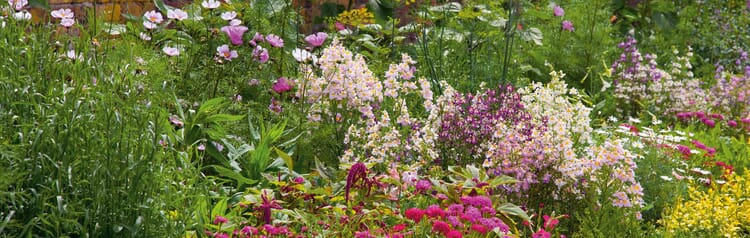
Besides autumn, spring is a suitable time to plant perennials. For some species even only this date is recommended: Grasses, ferns or late-flowering perennials such as autumn chrysanthemums should first be allowed to root well over the year before going into their first winter.
View more
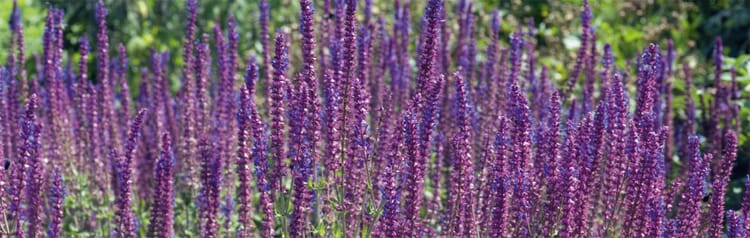
With the exception of just-flowering and late fall perennials, perennial clumps that are too dense or over-aged can be divided now and planted in a new location. A typical sign of overaging is that new shoots are formed mainly at the edges and the perennial becomes bare on the inside; in addition, flowering performance and vigor decline.
View more