Garden Year
Divide and transplant perennials

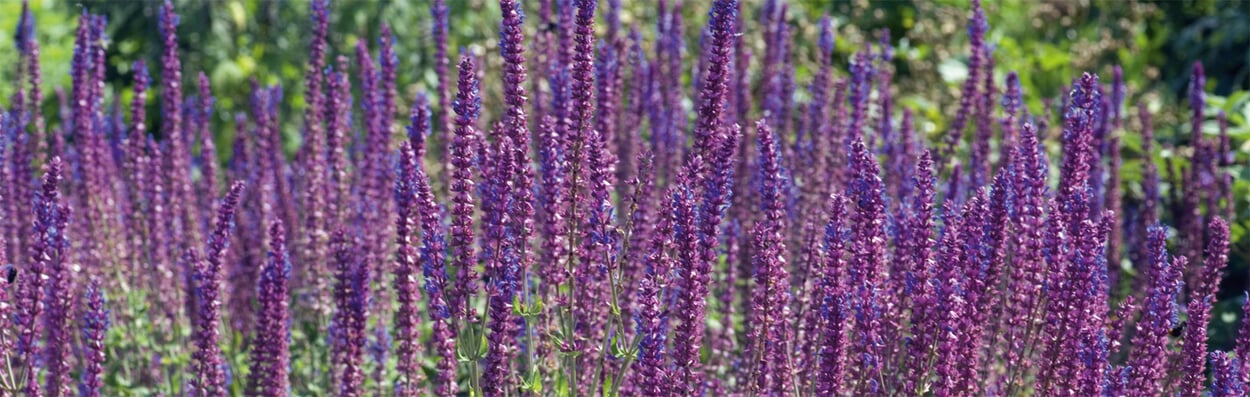
With the exception of just-flowering and late fall perennials, perennial clumps that are too dense or over-aged can be divided now and planted in a new location. A typical sign of overaging is that new shoots are formed mainly at the edges and the perennial becomes bare on the inside; in addition, flowering performance and vigor decline.
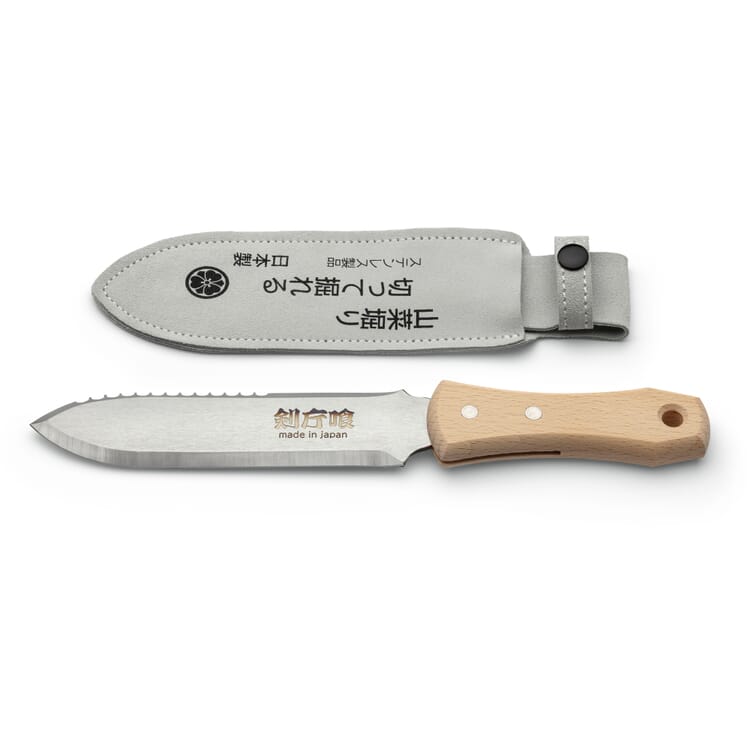
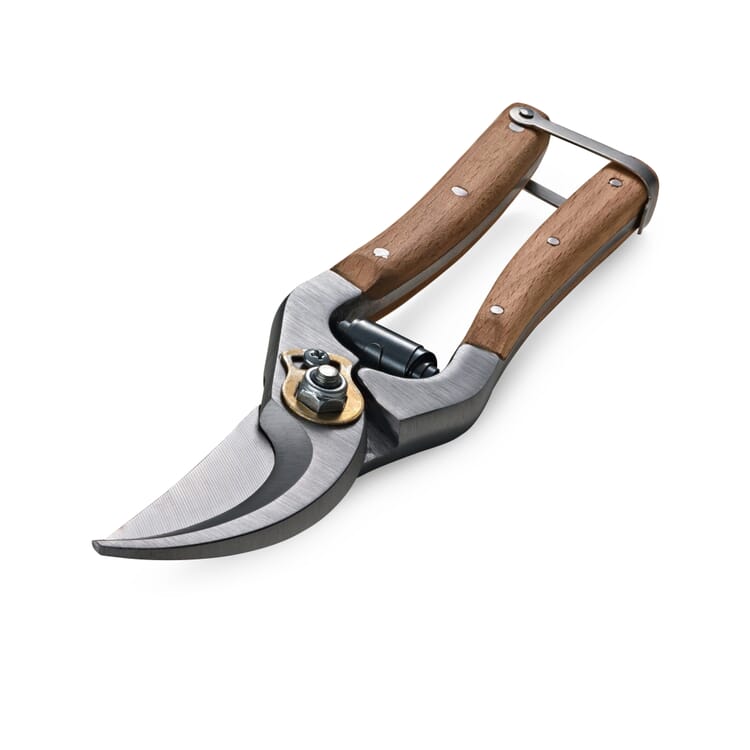
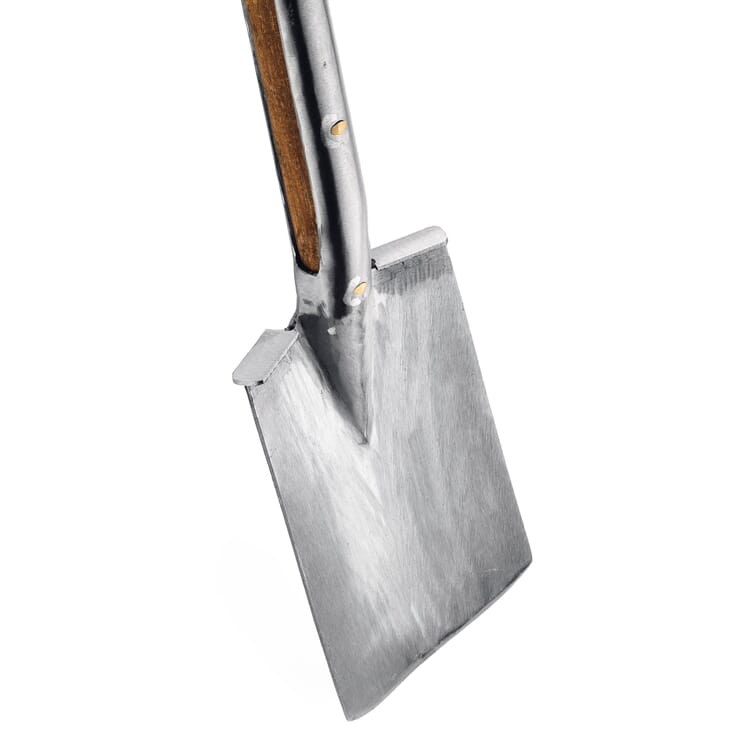
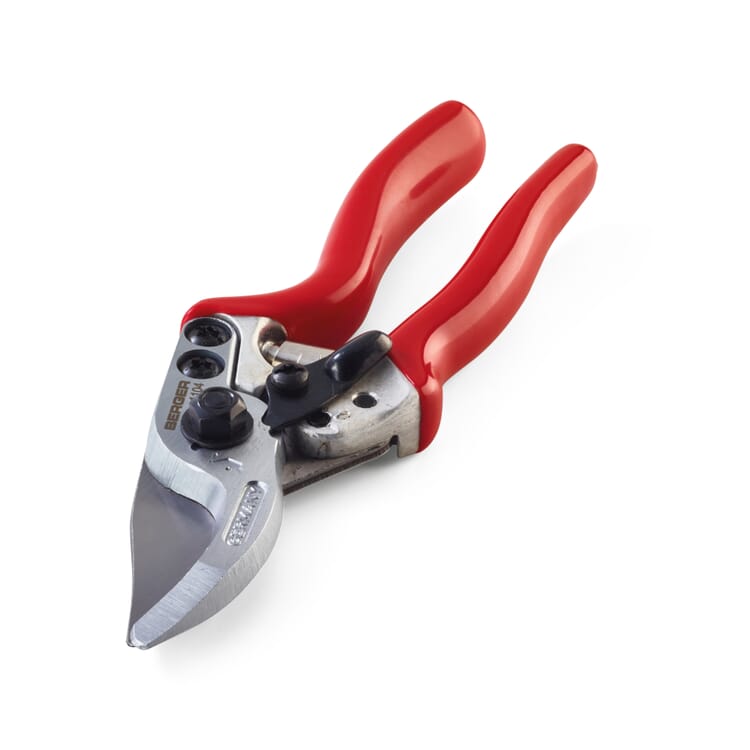
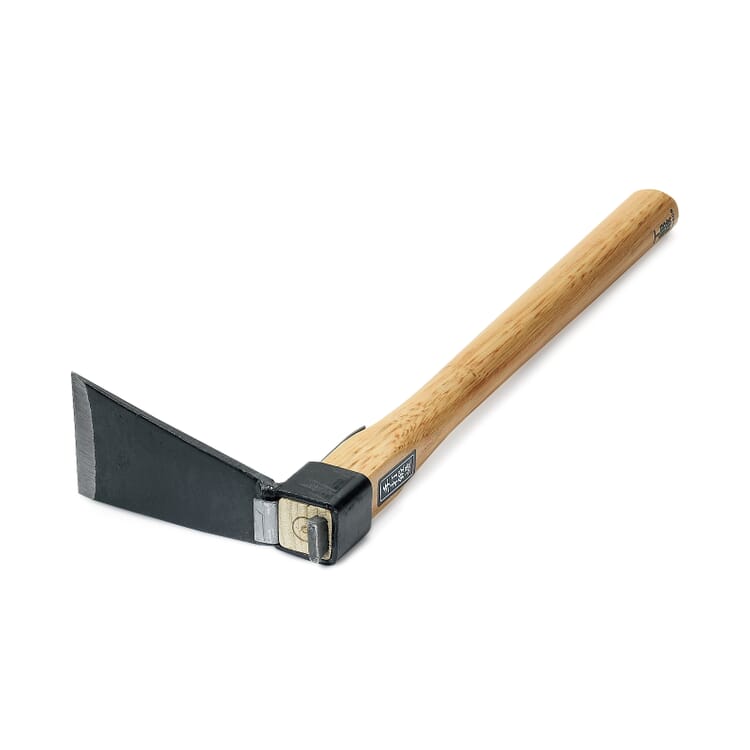
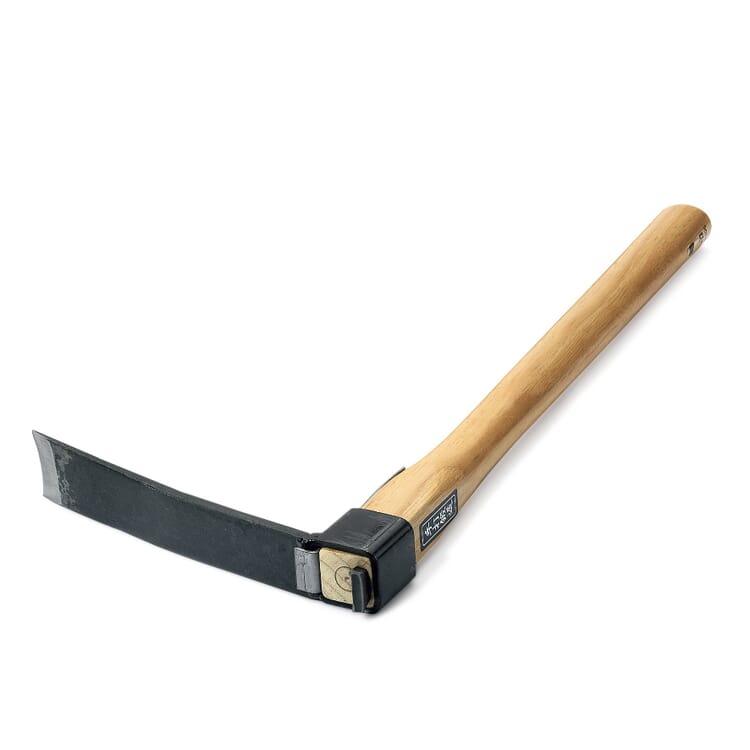
It is needed: 1. tools: digging fork, shovel, spade or knife, scissors with short blades ("rose scissors"), planting hoe or spade. 2. accessories: collection container for stones or weeds, fine composter or throw-through sieve, watering can, work gloves, mature compost, horn shavings or other organic fertilizer.
Tools and accessories for dividing perennials








Instruction

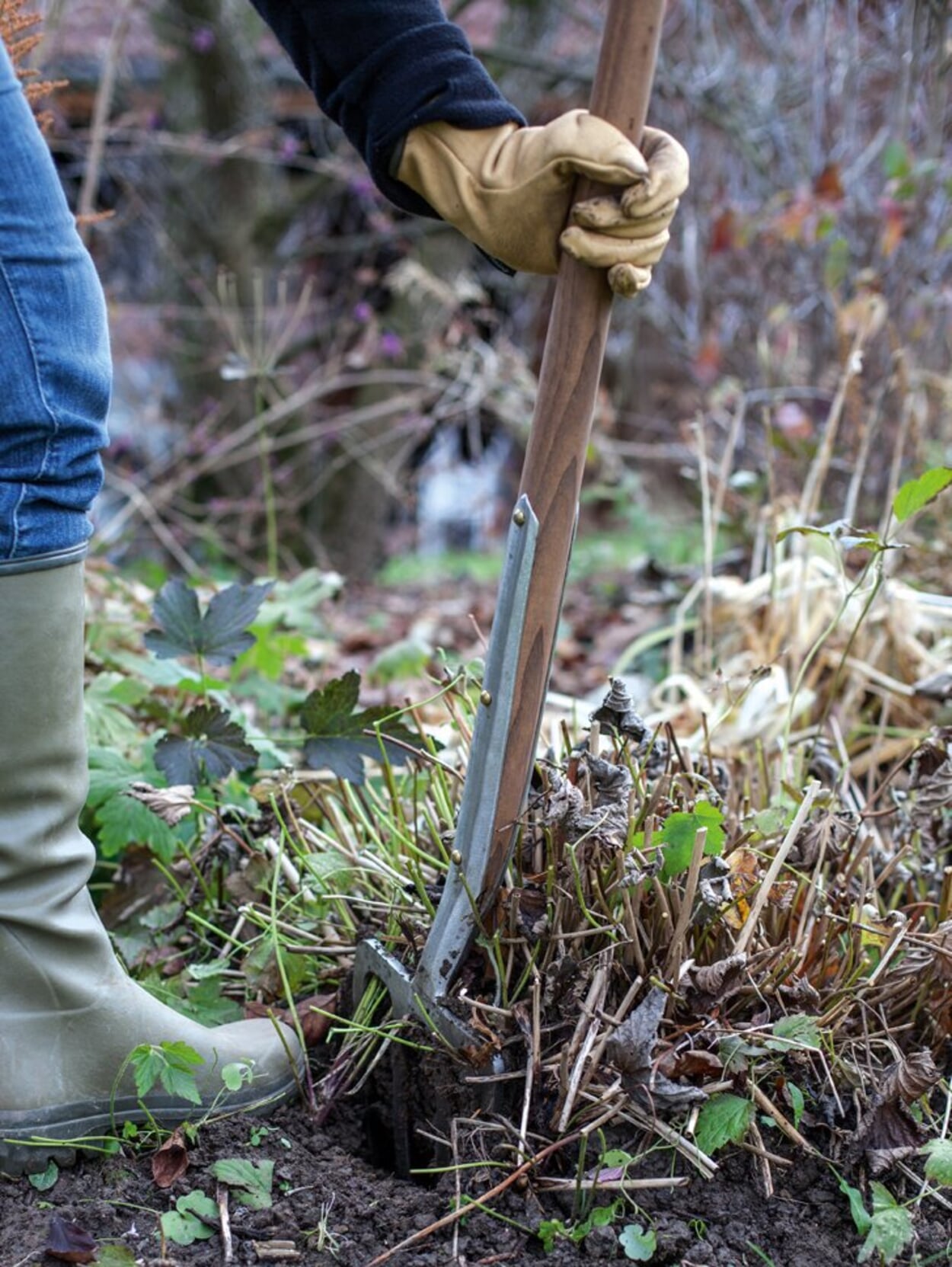
- Cut off the above-ground parts of the plant just above the ground - **Carefully pick up the perennial with a digging fork and shake the loose soil from the roots - **Separate large and firmly grown root balls with a spade; **For smaller plants, a knife is better suited. Flat or loose root balls (for example, of perennial sunflowers) simply pull apart with your hands - When doing so, carefully remove root weeds such as goutweed or couch grass from the root ball, so that they are not propagated with the newly planted perennials in the garden. It is best to dispose of them in the organic waste garbage can - Trim the roots of the perennials with scissors or a knife - this usually stimulates increased new growth - Put one half (or a section in the case of large clumps) of the perennial back into the planting hole or new location along with some mature, preferably screened compost, horn shavings or other organic fertilizer. The planting hole must be slightly larger than the cutting, so that the roots enter the soil vertically. Press well with both hands and water thoroughly - In case of old perennial bushes that are already bare inside, replant only the outer pieces and better put the inner ones on the compost - In the next weeks Water regularly in sunny, dry autumn weather so that the freshly planted perennials take root quickly and well and thus get through the winter without any problems.

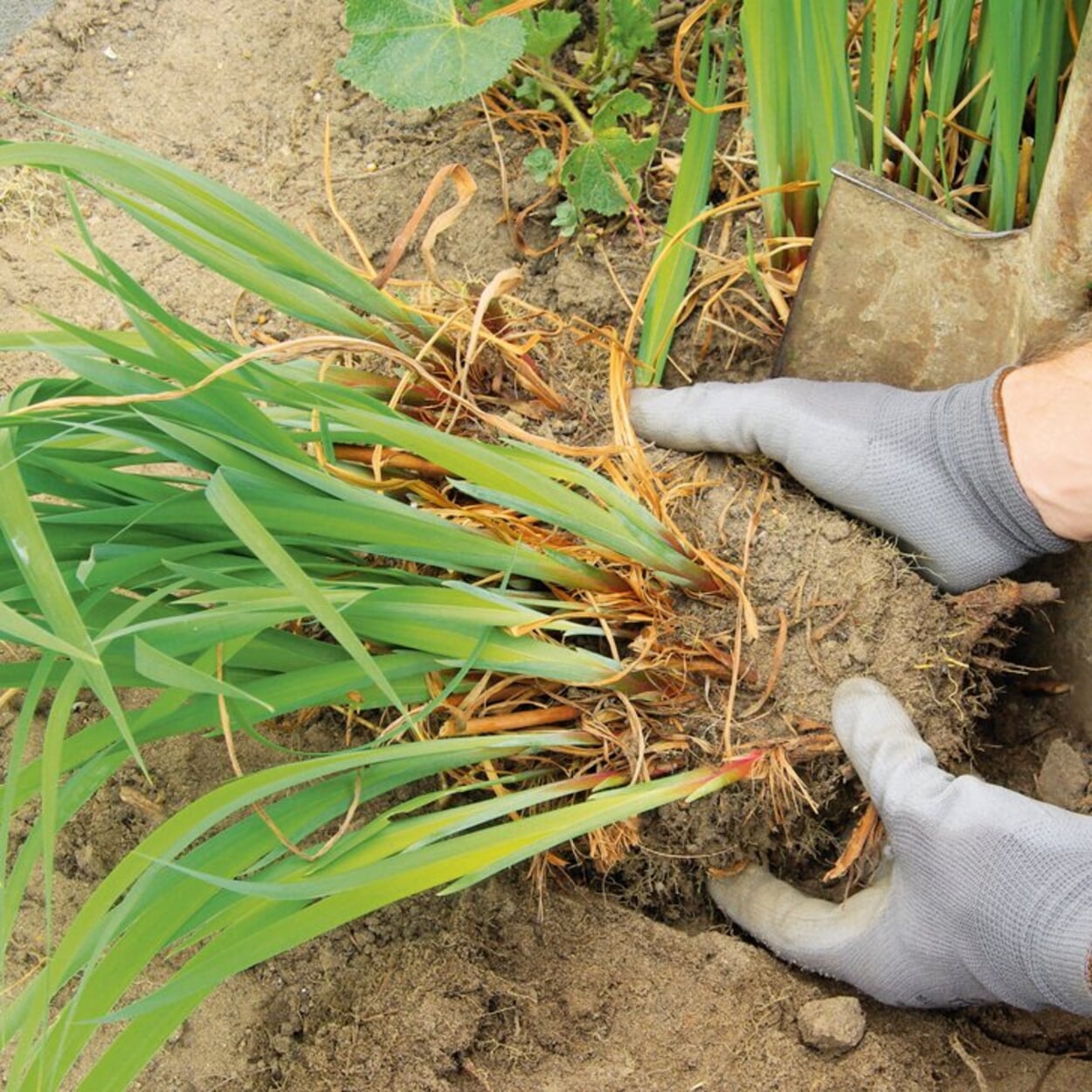
Pull apart loose root balls with your hands

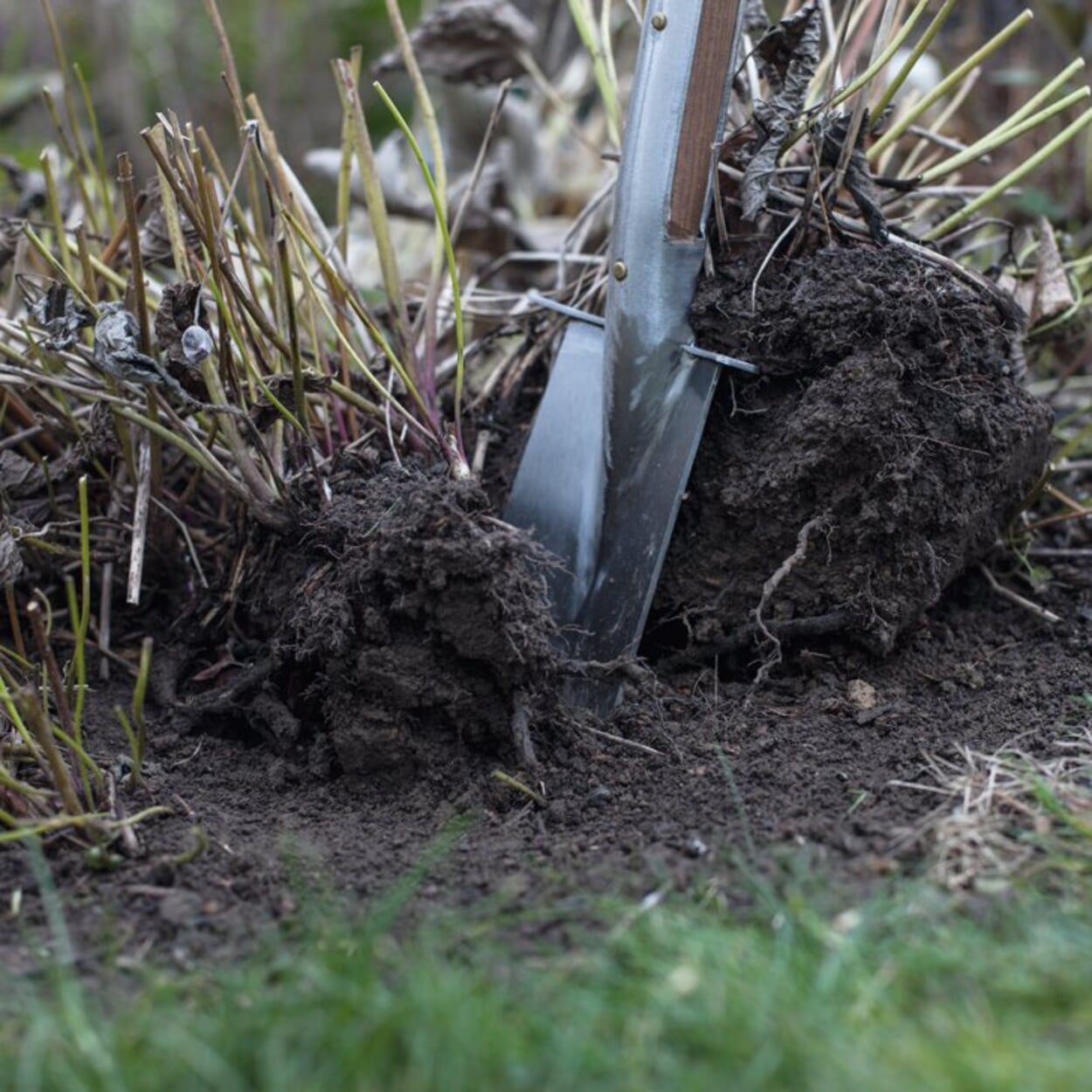
Cut through large, tightly grown bales with a sharp spade

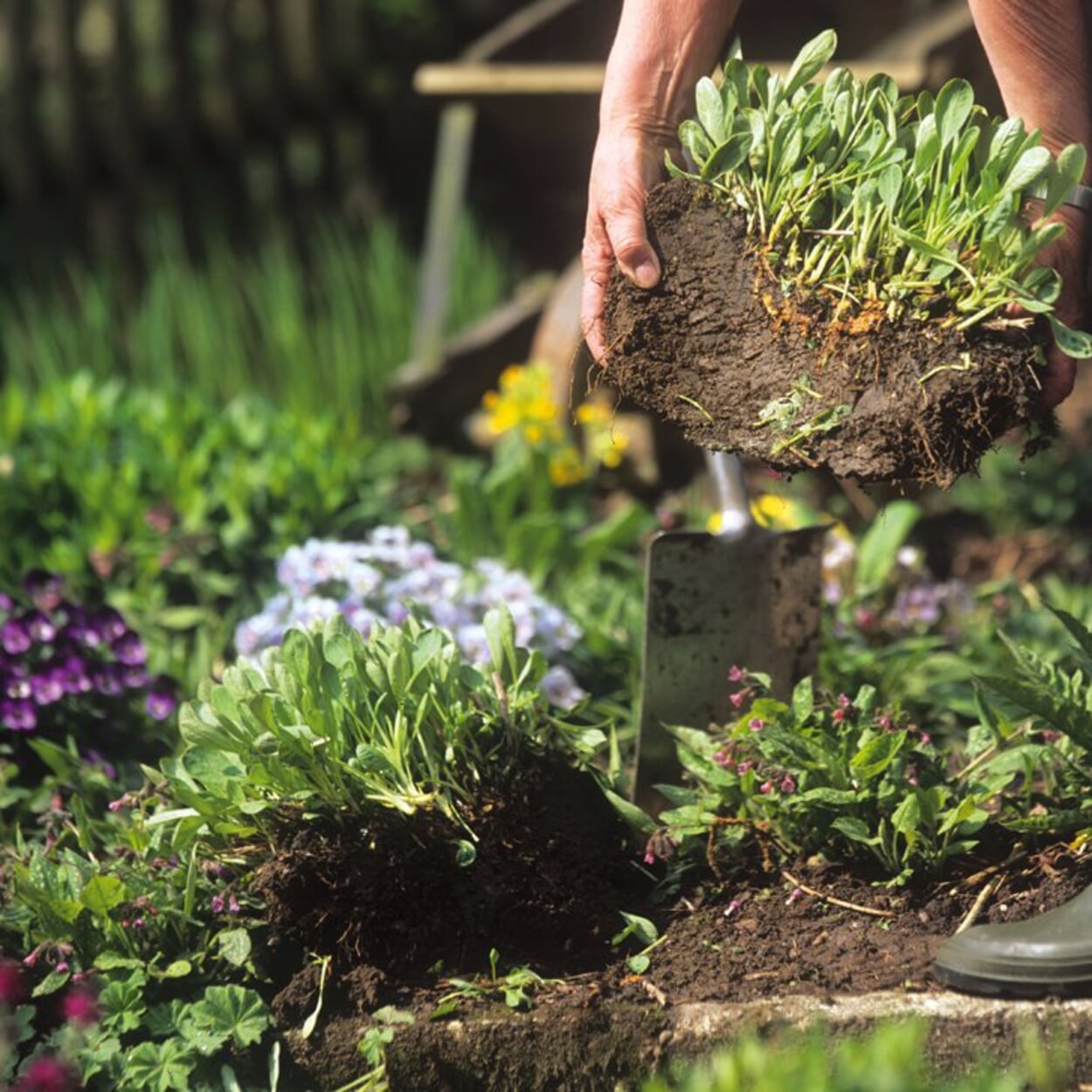
Place the sections in different locations

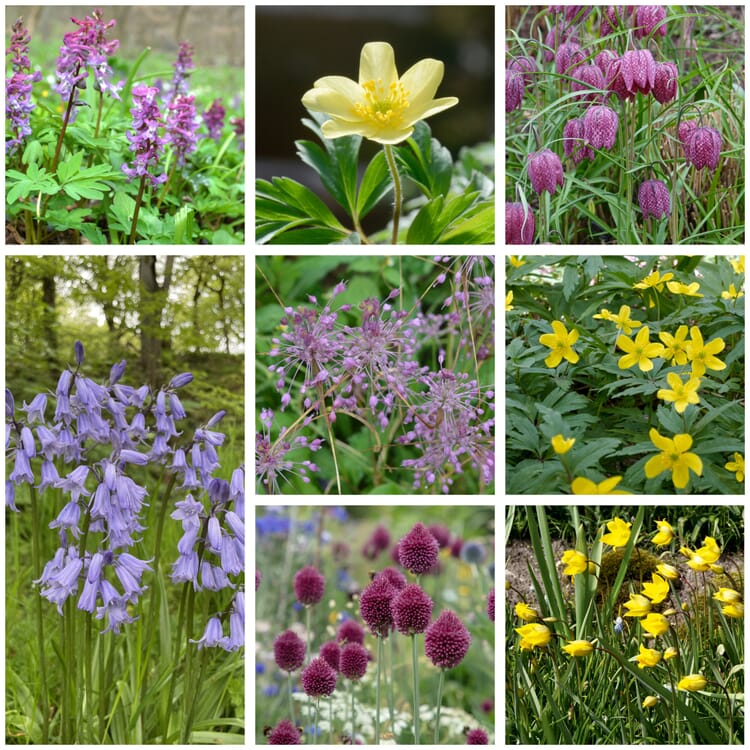






Recommended Topics

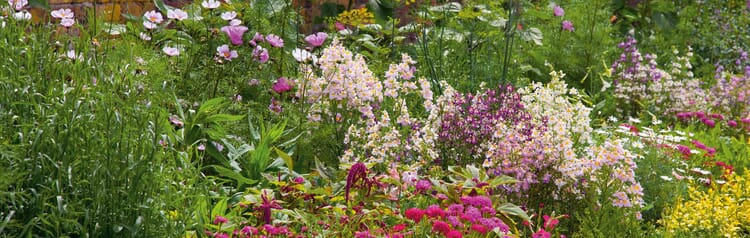
Besides autumn, spring is a suitable time to plant perennials. For some species even only this date is recommended: Grasses, ferns or late-flowering perennials such as autumn chrysanthemums should first be allowed to root well over the year before going into their first winter.
View more
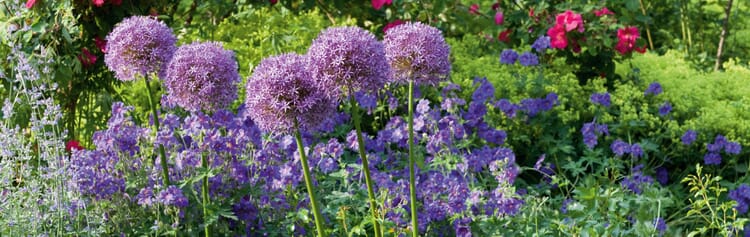
Before the first perennials begin to sprout, the perennial bed should be "tidied up". The plant residues left over from the previous year must now be removed to create space, light and air for the new shoots. They have served their purpose over the winter: Birds fed, insects harbored, the perennial protected from frost and not least decorated the winter garden.
View more
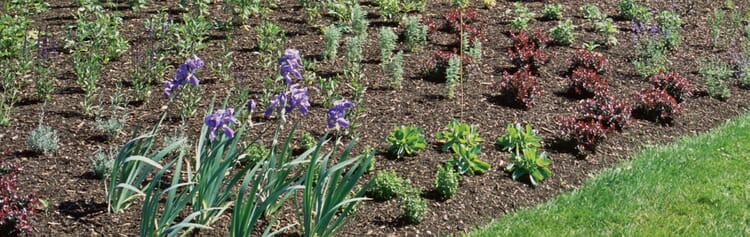
Early fall is the ideal time for planting most perennials. The plants have largely completed above-ground growth and can now tolerate a change of location much better than would be the case during the growing season. In addition, the soil is still warm now, so the plants grow quickly and are well rooted by winter.
View more