Garden Year
Plant and divide rhubarb

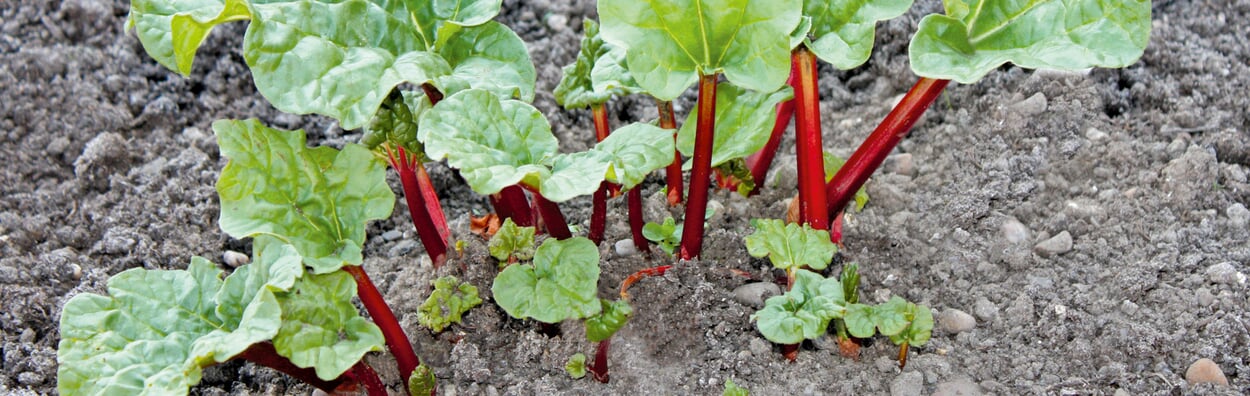
Freshly planted rhubarb takes about three years to become vigorous enough to produce a bountiful harvest. If the perennial is planted in September or October, it gives it a head start on growth and the first stalks can be harvested after just one and a half years.
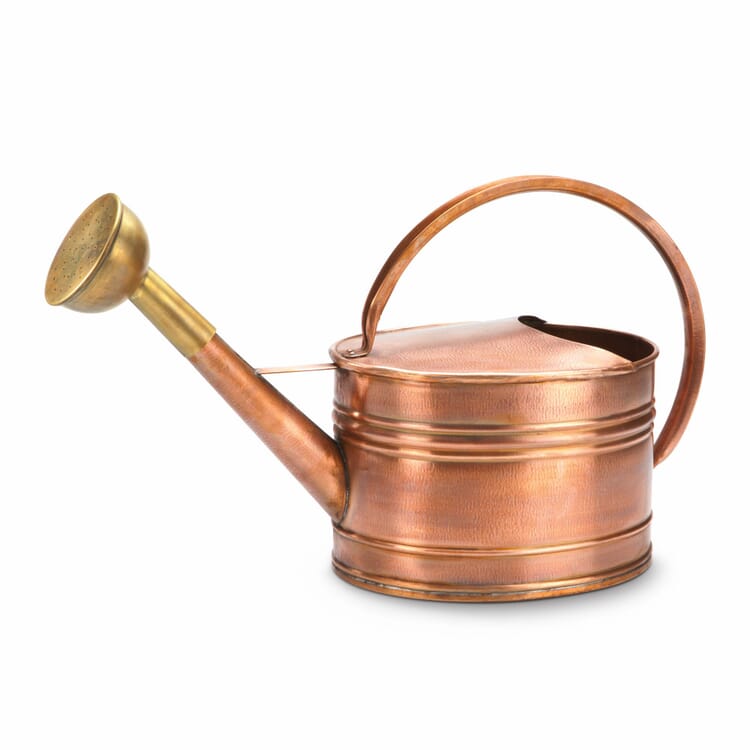
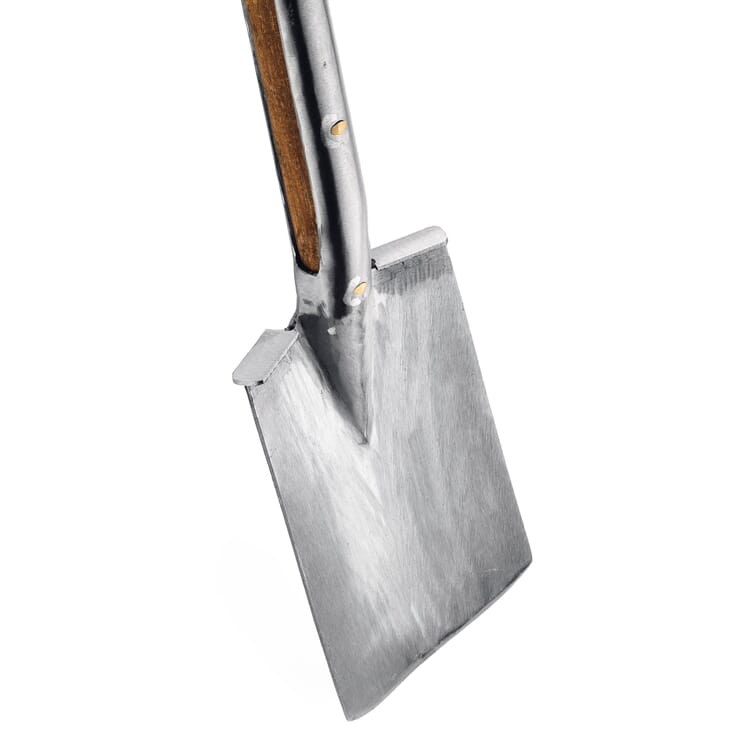
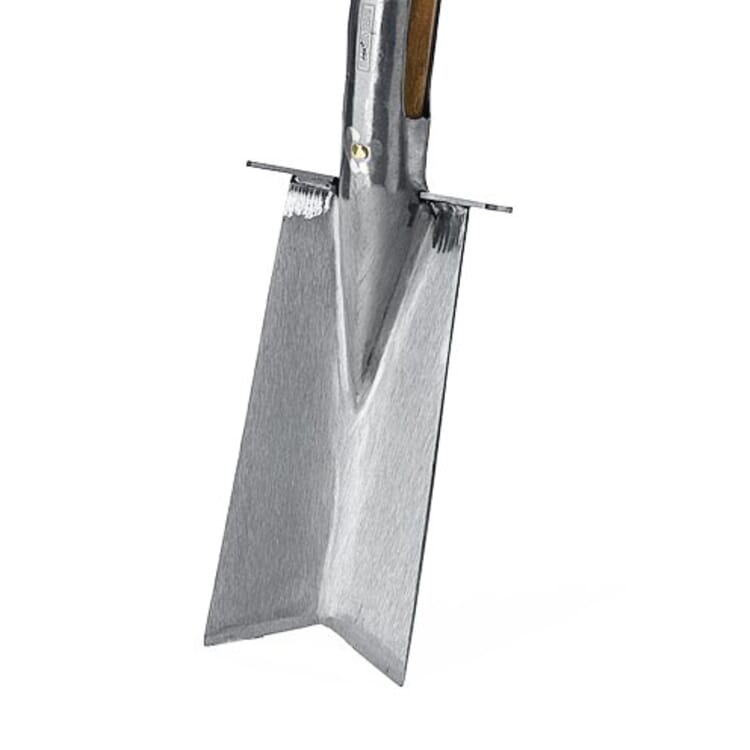
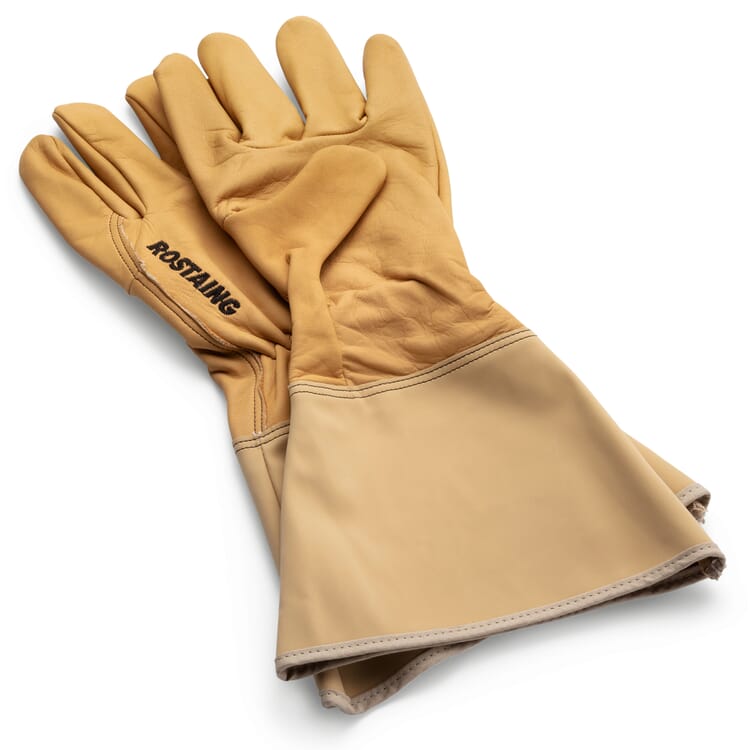
It is needed: 1. plants: healthy rhubarb plants, at least in a 2-liter pot. 2. tools and accessories: spade, spade shovel, mature compost, rotted manure or other organic fertilizer, watering can with removable shower, work gloves.
Matching products




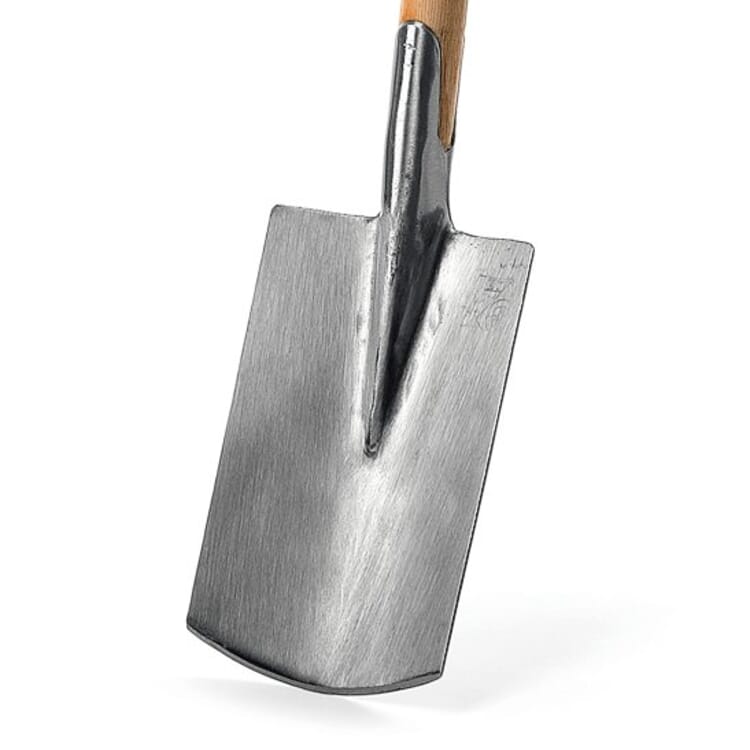

Instruction

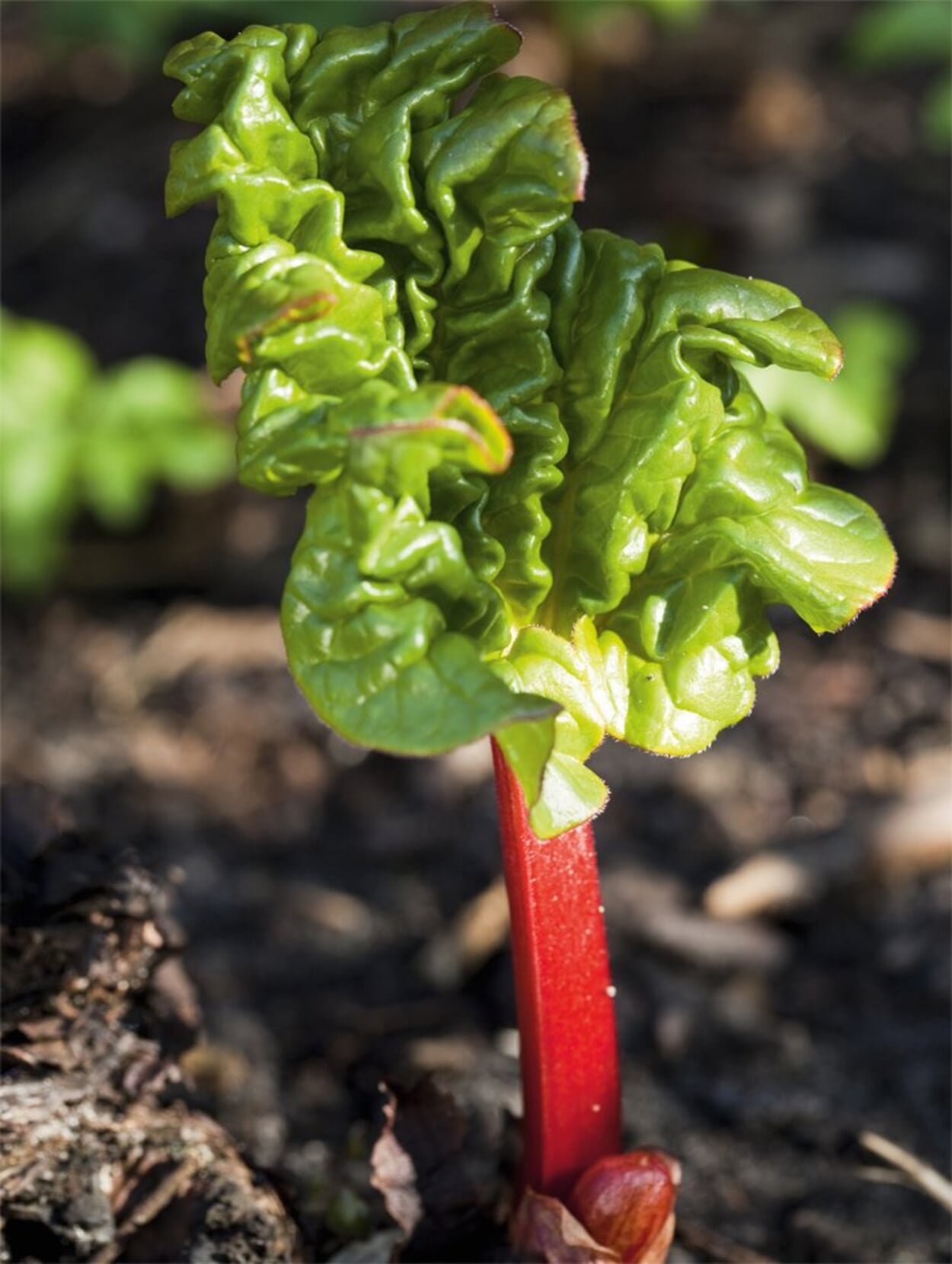
- Rhubarb can stand for a good 10 years in the same location; therefore, when planting, choose a location with sufficient space: an area about one and a half meters in diameter or a space with a distance of about 1 m on all sides - Do not choose the location of an old rhubarb planting, but change the location - Rhubarb prefers fresh, deep, well-drained and nutrient-rich soil in a sunny or semi-shaded position. Before planting, improve the soil with compost, rotted manure or other organic fertilizer. - Dig a large enough planting hole with a spade or spade shovel and plant the rhubarb clump so that **the eyes sit a few inches below the soil surface.**Then press or tread down well and water thoroughly (with a pitcher without a watering spray) - Older rhubarb plants, which have grown too large or have lost vigor, divide now in October and set in a new location - To divide, dig up the rootstock and carefully cut off a side section with a spade with as sharp a blade as possible. Each section should be about one kilogram in weight and have at least one bud. Before replanting, allow the sections or their "cut edge" to dry so that the plant does not rot in the soil.
Other garden utensils











Recommended Topics

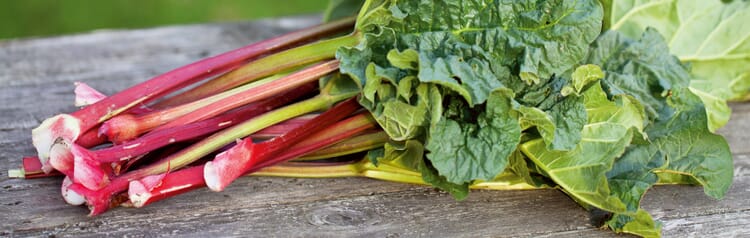
The first rhubarb stalks were harvested as early as April, May is the main harvesting season, and from St. John's Day (June 24) the rhubarb season traditionally comes to an end. Towards summer, the oxalic acid content in the stalks increases steadily; moreover, the plant, which has formed an enormous leaf mass since early spring, now needs a phase of regeneration.
View more