Garden Year
Harvest and store walnuts

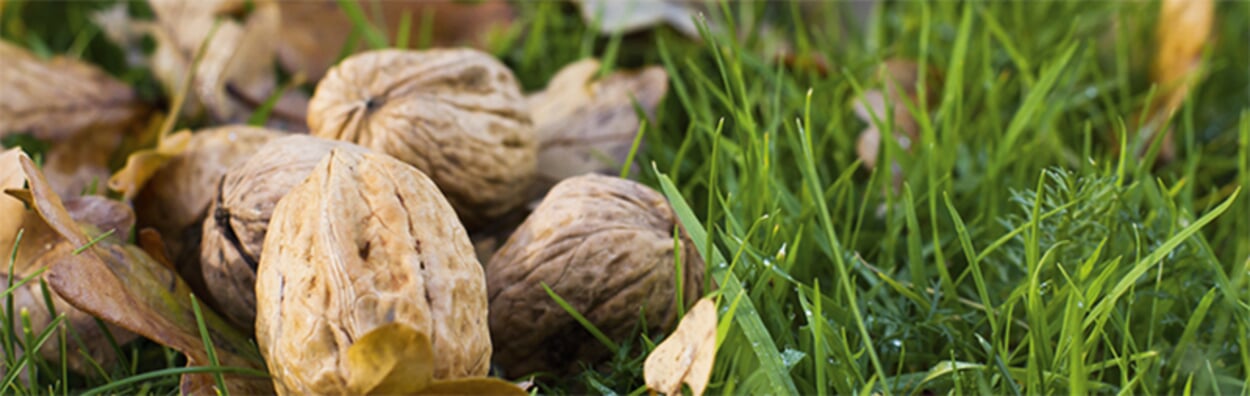
The harvest time for walnuts extends from mid-September to the end of October. The nuts are ripe when they fall from the tree and their shell bursts open; well dried and properly stored, they can then be stored for many months.
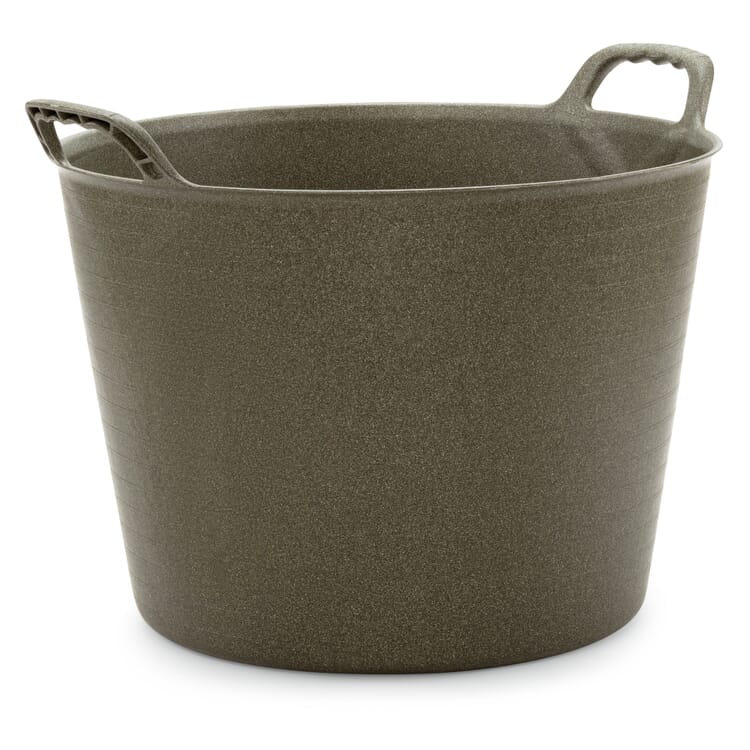
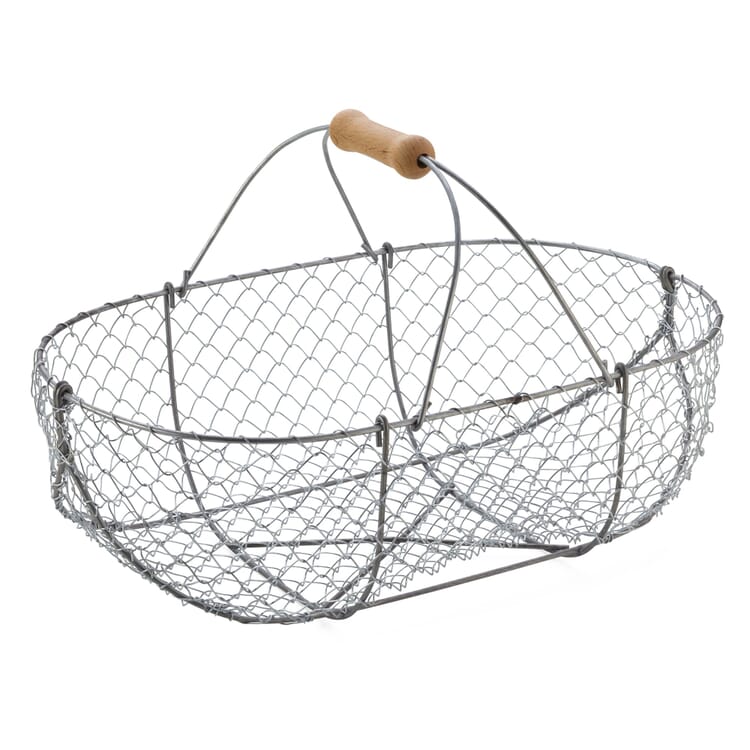
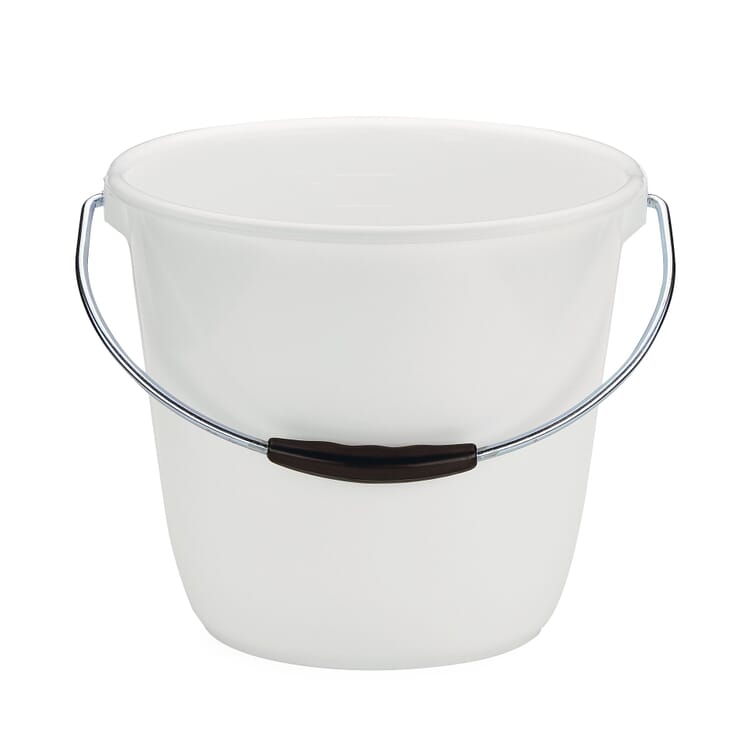
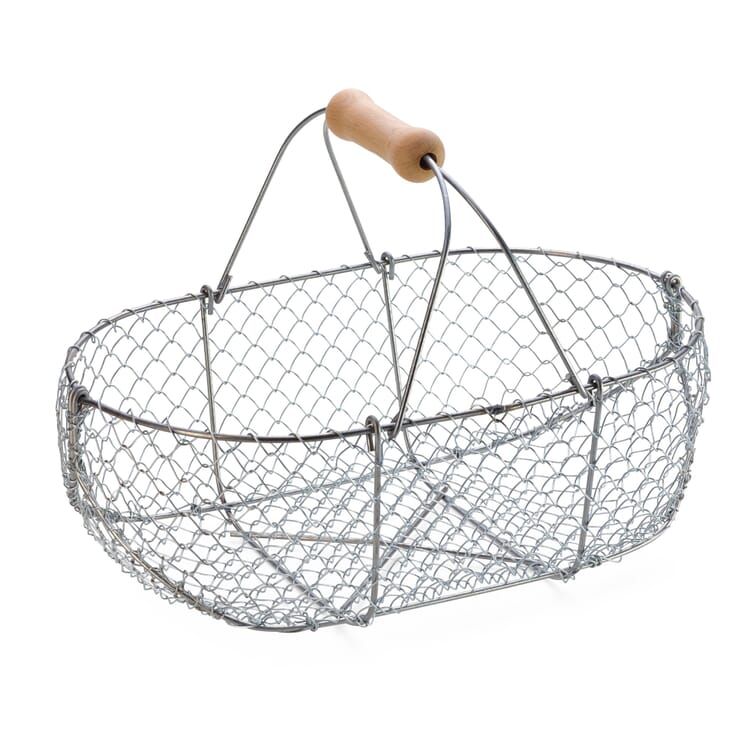
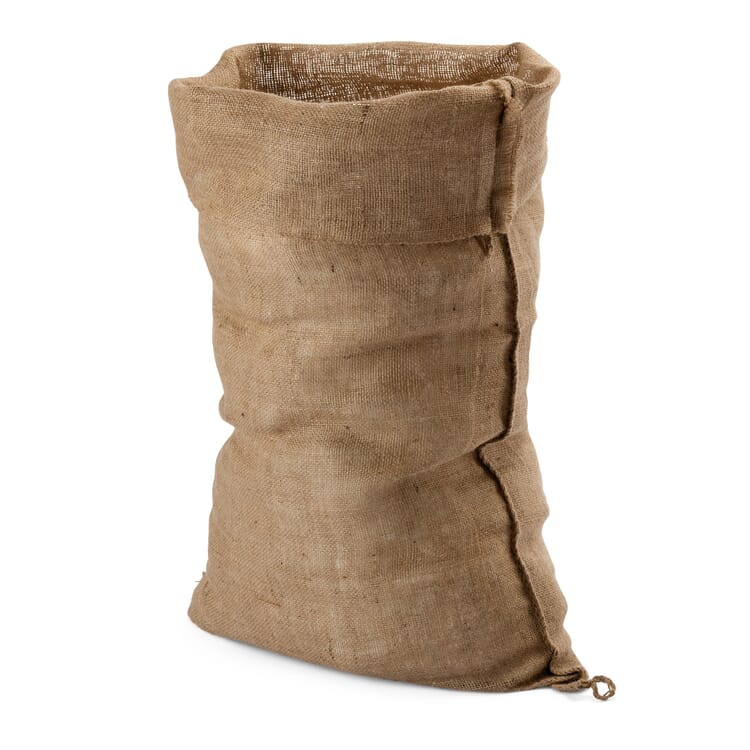
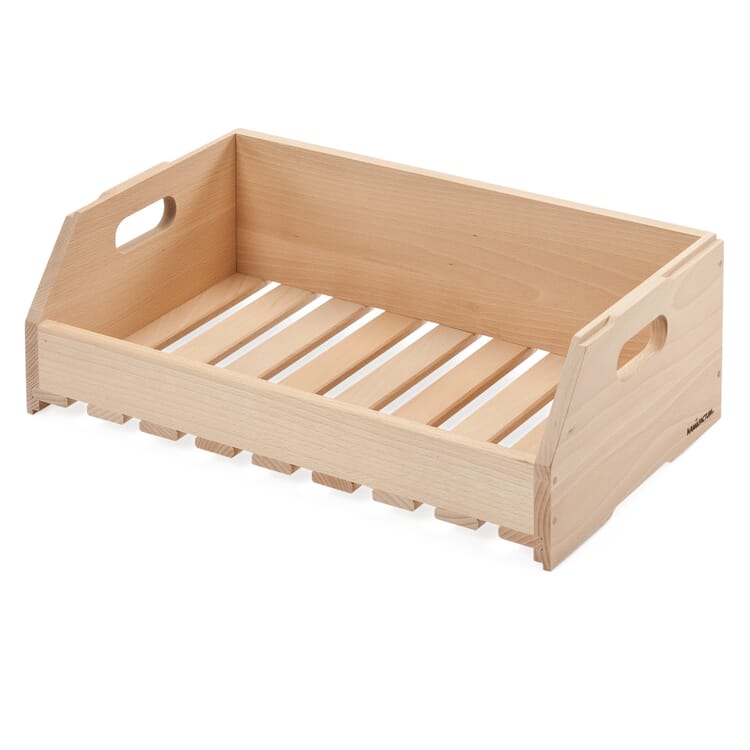
Accessories needed: Collection jars and storage containers, household gloves, shallow boxes, strainers, grates, burlap, old towels or similar for drying, bags, nets or suitable storage containers for storage.
Matching products






Instruction
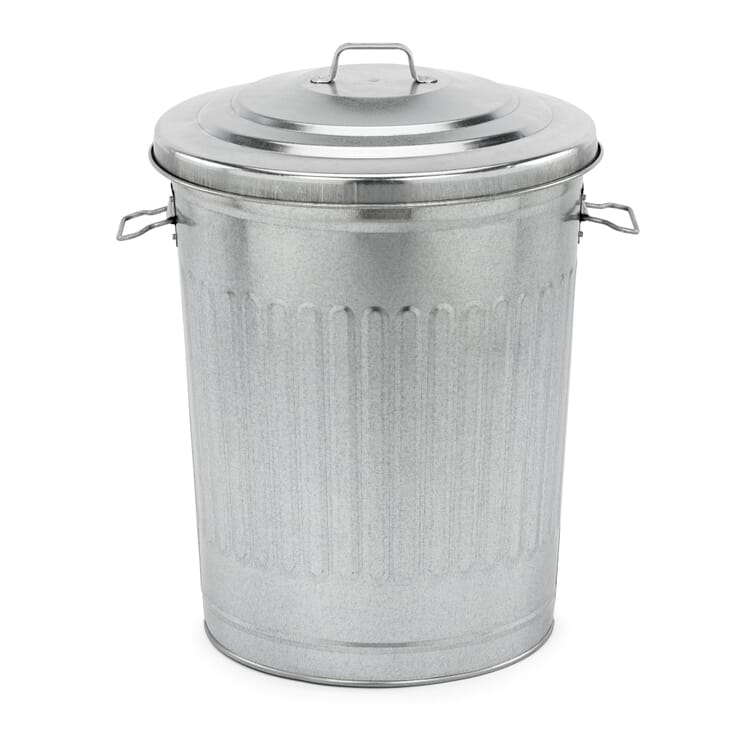
- Leave the nuts on the tree as long as possible; early frosts do no harm. Do not knock them off the tree, but wait until they fall to the ground by themselves. Only then is it certain that the nuts are fully ripe (also recognizable by cracking, shriveling and blackening of the soft outer shell) and consequently have developed their full flavor and can be stored for a long time. Ripe walnuts are very healthy due to the high content of vitamin C and omega-3 fatty acids. If possible, pick up the fallen nuts every day, so that they do not begin to rot or mold in the - possibly - moist grass. It is practical to keep the grass under the walnut tree short for this time. Pick up only healthy nuts. From time to time walnuts are infested with caterpillars. This is codling moth, which also attacks other types of fruit under certain circumstances. Meanwhile, a bigger problem is an infestation with the walnut fruit fly. Due to the feeding activity of the larvae, the flesh of the fruit rots, turns black and mushy; the crop loss can be 80% or more. **Pick up infested and rotten or moldy nuts carefully and dispose of them in the organic waste garbage can to reduce infestation. Walnuts taste particularly good immediately after harvesting. Before eating very fresh nuts, be sure to remove the thin white, very bitter-tasting skin, which lies around the fruiting body under the nut shell. In the case of dried nuts, this is not necessary, since the skin also loses the bitter substances with the removal of moisture - **Clean and dry carefully nuts intended for storage.

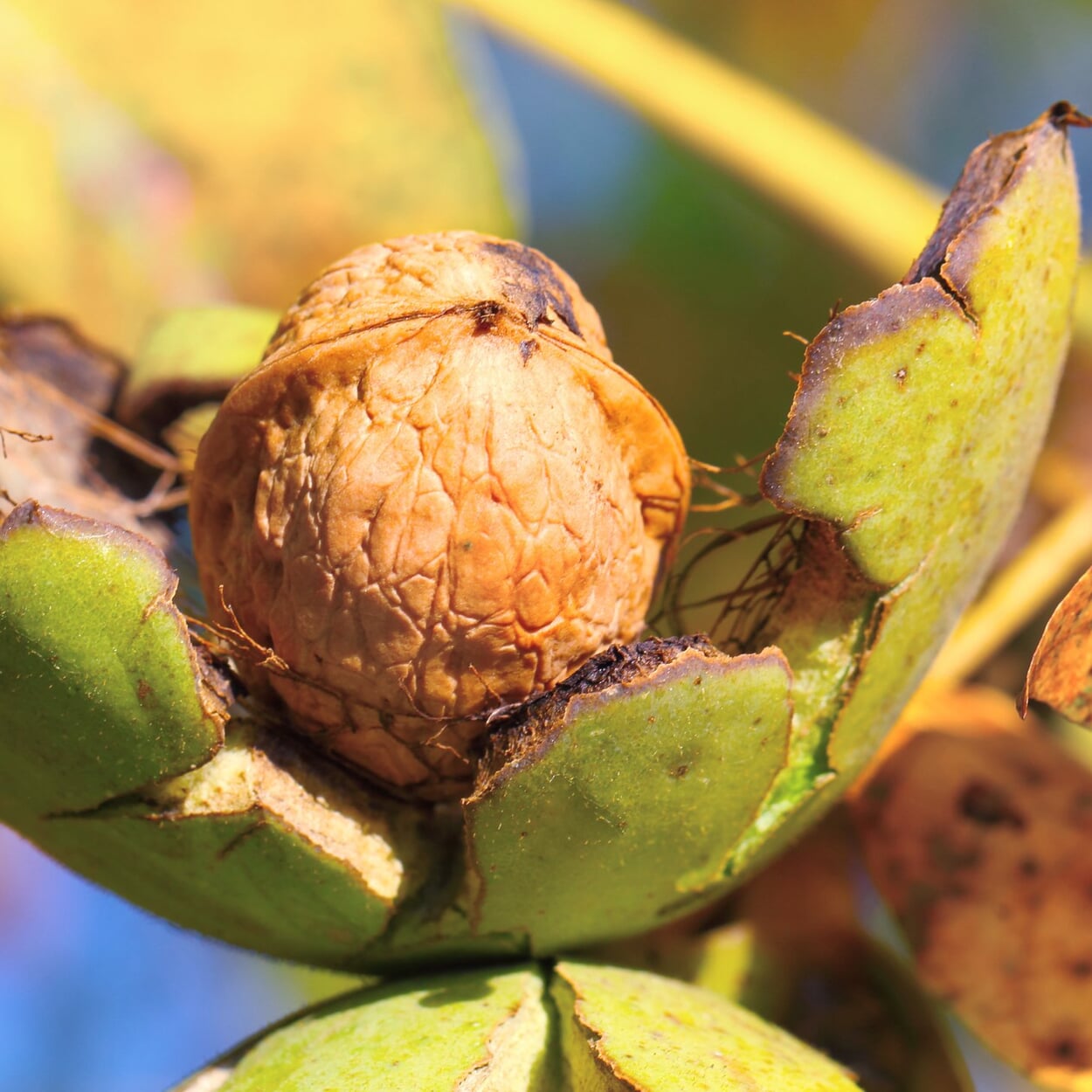
Walnuts are ripe when the green shell bursts open

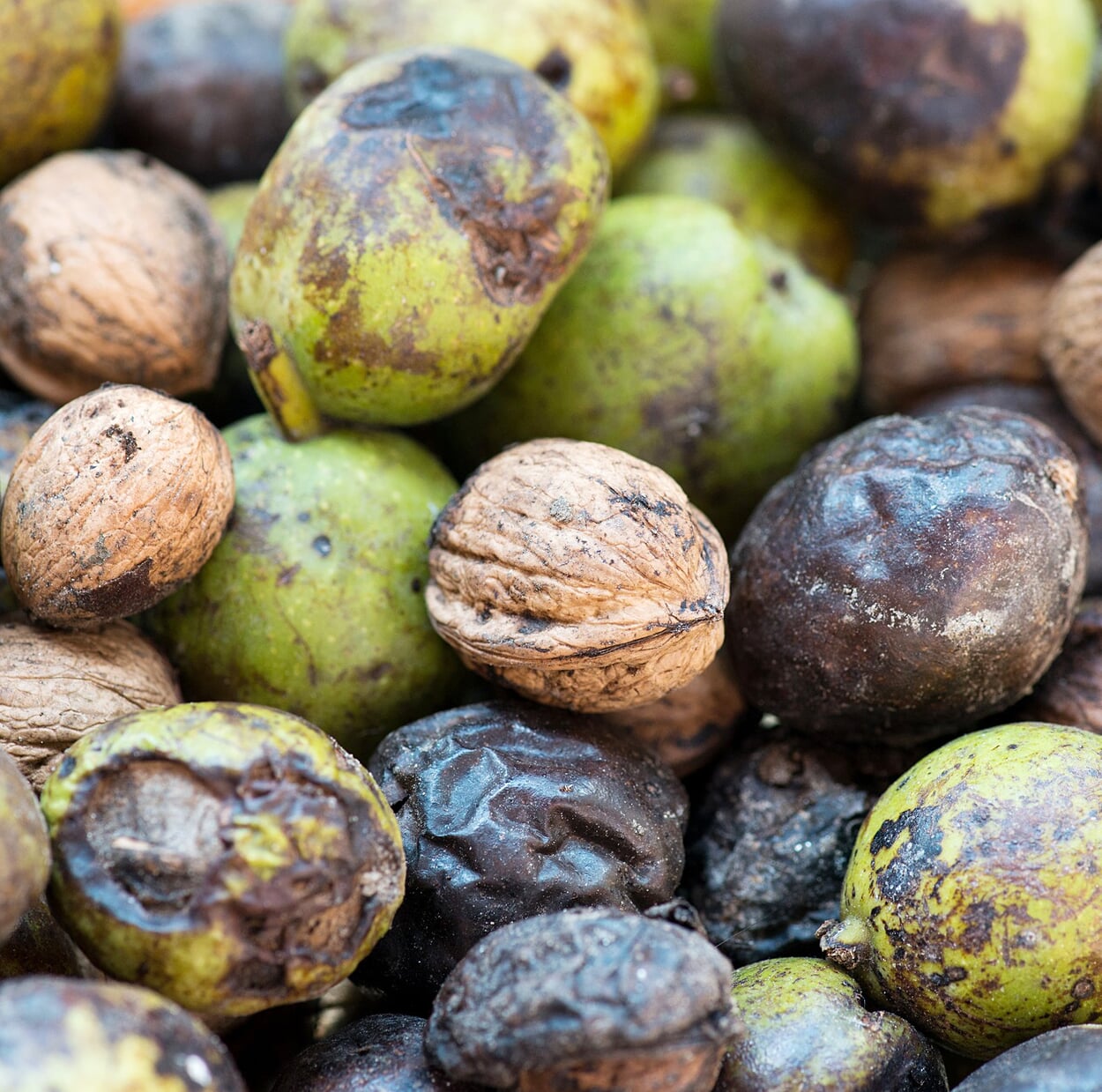
Pick up the fallen nuts; sort out rotten and diseased nuts

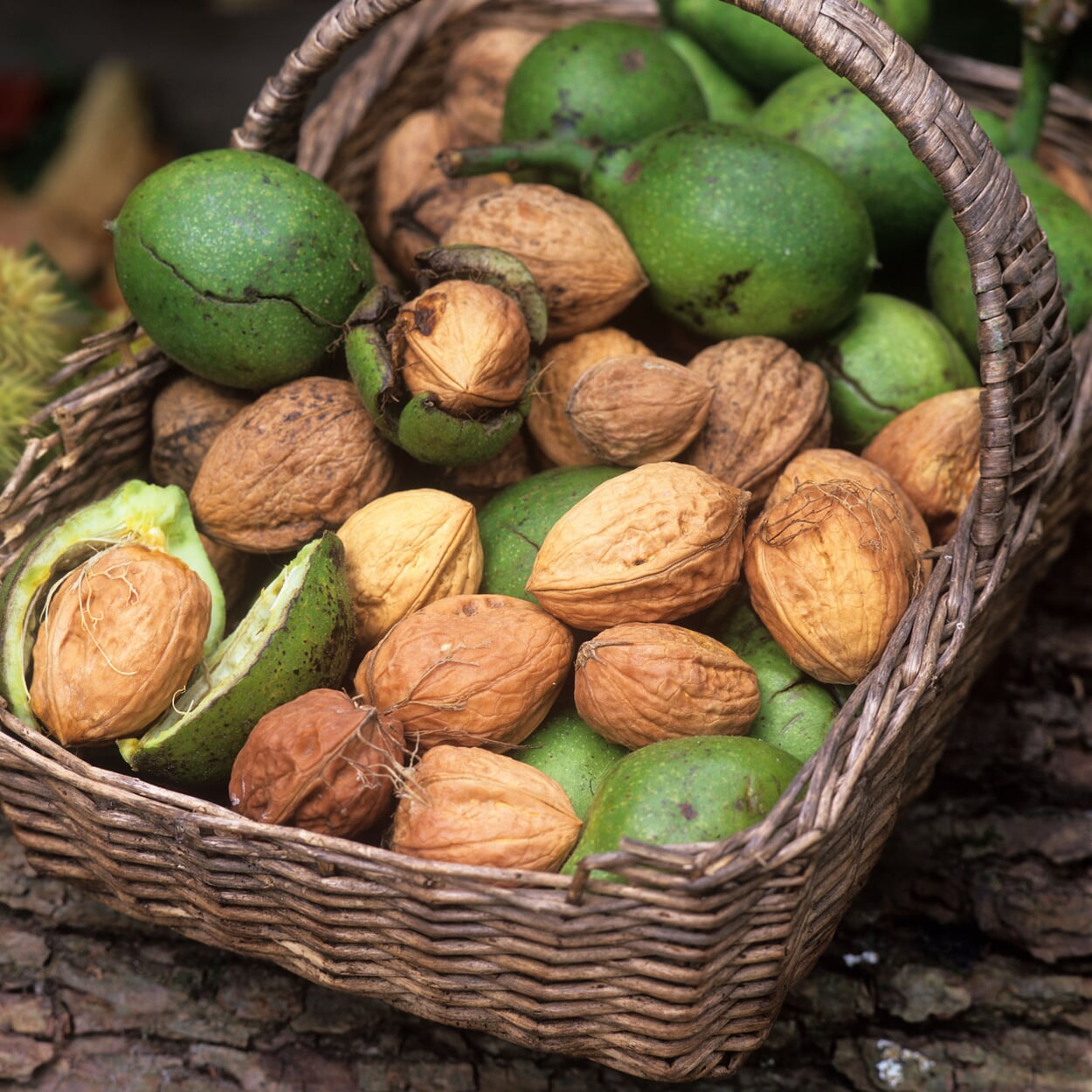
Before drying, carefully and completely remove the green peel
- Remove the soft (green) outer shells completely, to prevent mold infection during subsequent storage. Do not wash - this could allow moisture, and with it fungal spores, to penetrate the inside of the nut and lead to premature spoilage -, but "peel" with your hands and remove the remains with a coarse brush. Wear (household) gloves to prevent the tannic acid contained in the shells from staining your fingers Braun.
- Then dry the nuts well. Spread them out in a single layer in flat boxes, on sieves, grates, burlap or even an old towel and** or lay them out in a dry, warm (20-25 °C), airy place. The drying temperature should not exceed 30 °C, otherwise the nuts could become rancid. If the nuts are placed outside to dry, bring them inside overnight and only remove them the next day when the morning haze has dispersed. Dry quickly, otherwise the kernels will turn black or be covered with a layer of mold. Mix and turn the nuts preferably several times a day, so that they get air from all sides. The nuts are sufficiently dry when they have lost about 50% of their weight and the remaining shells (which could mold in storage) have fallen off. This takes between three and six weeks, depending on the weather - The dry nuts are best stored hanging in bags and nets, to ensure even ventilation. The storage place must not have too high humidity, otherwise mold growth is also possible. Walnuts can also be frozen. To do this, open the nuts, place the kernels on a baking tray, allow to dry well, pack airtight and freeze.

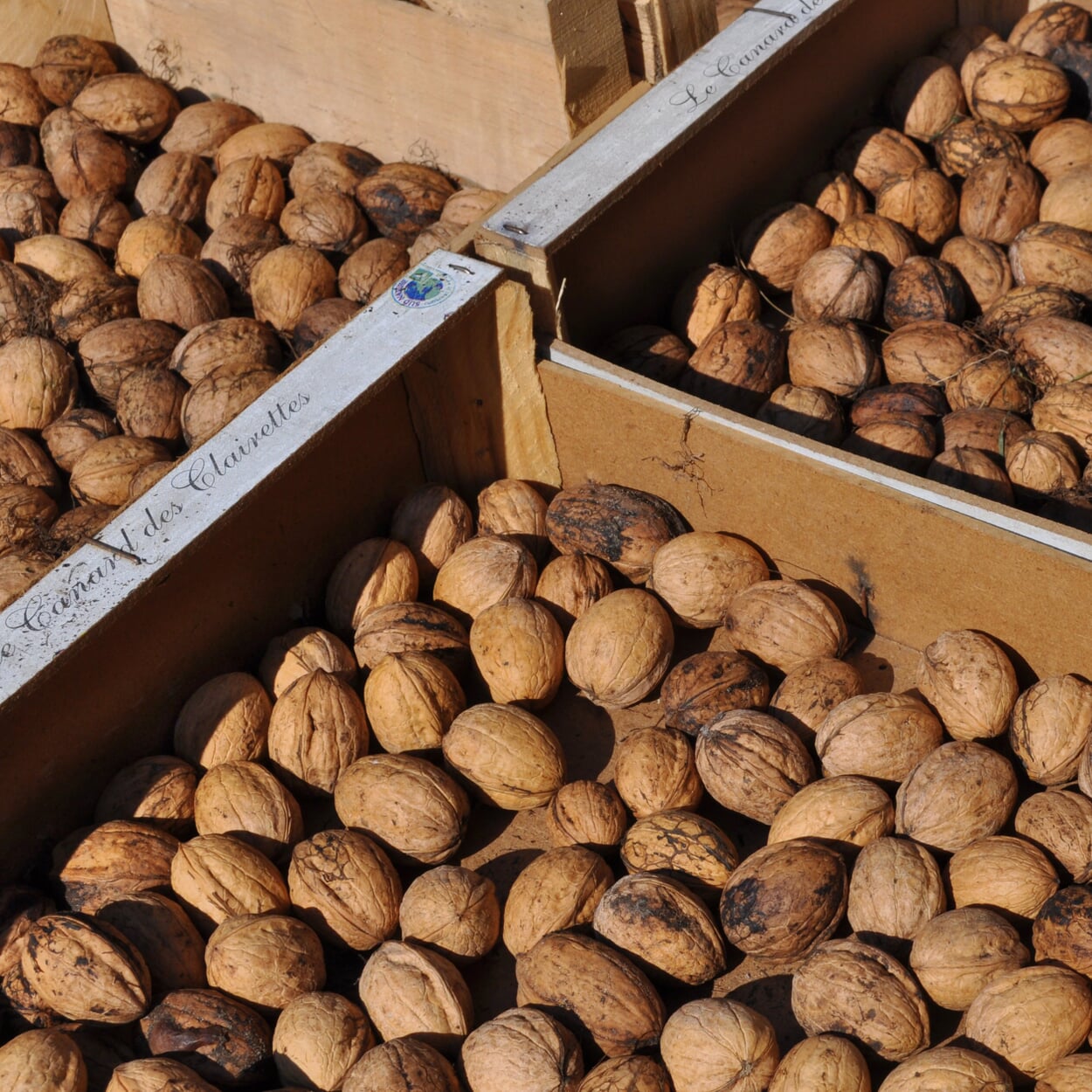
Dry the nuts in a single layer - for example, in flat boxes

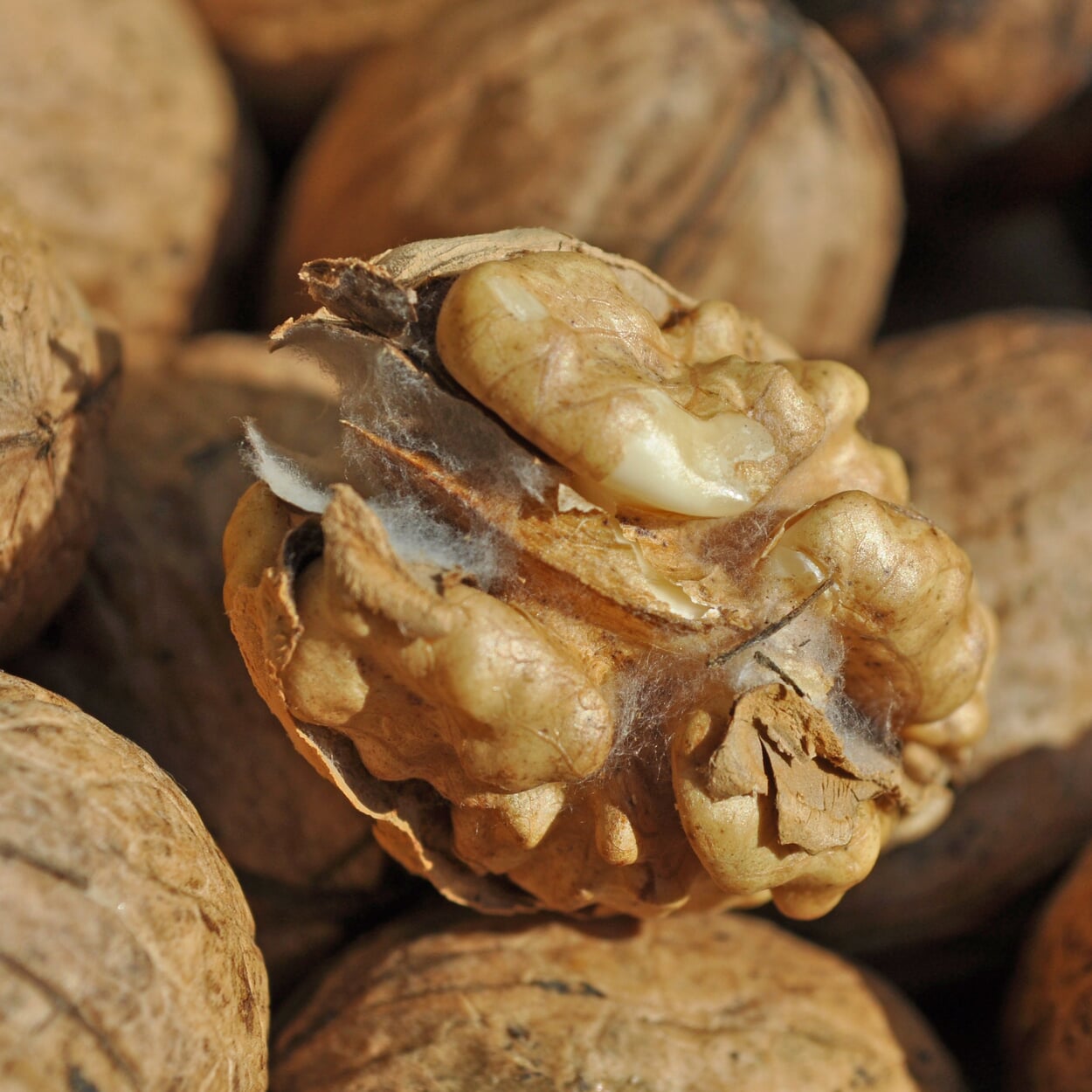
Dry as quickly as possible; otherwise there is a risk of mold

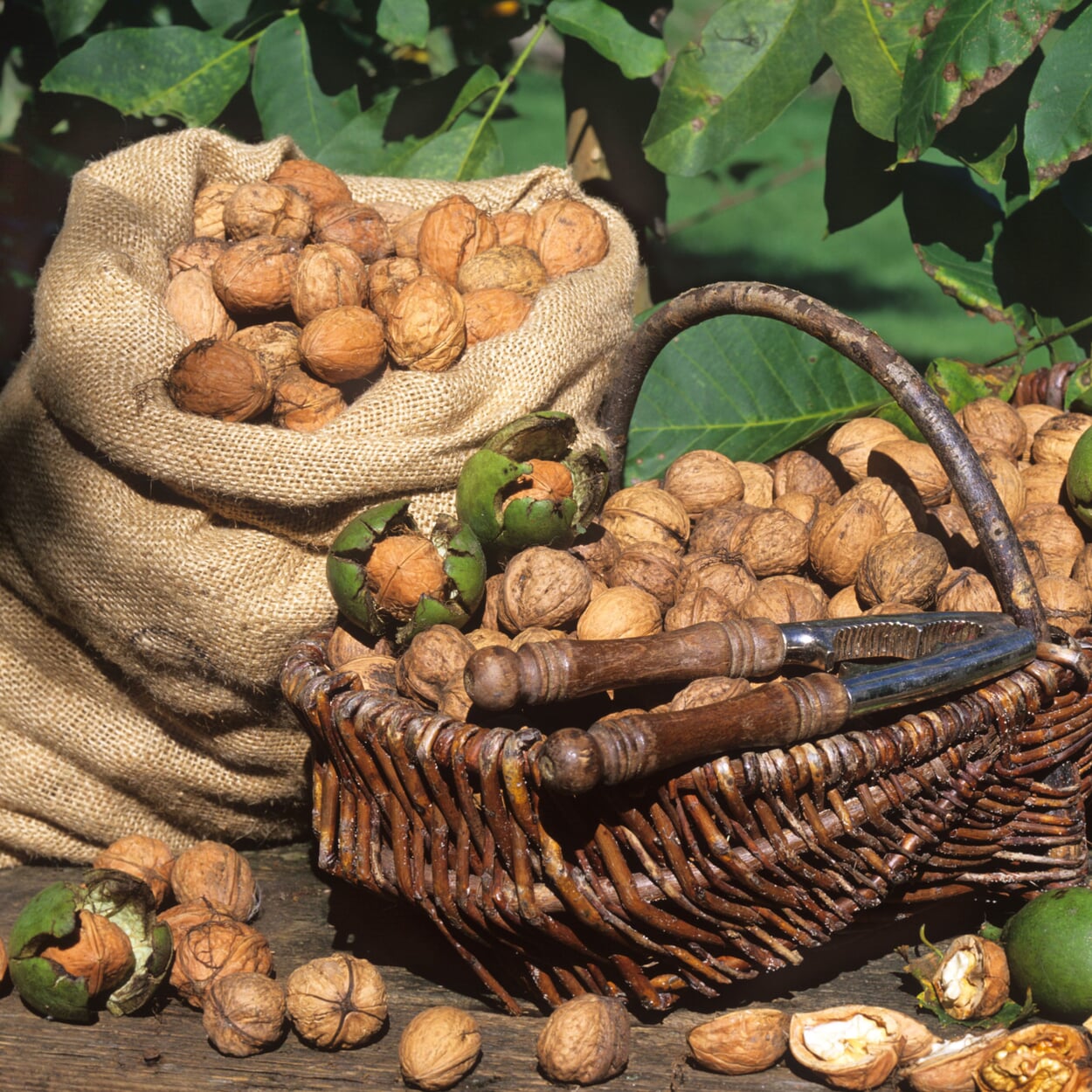
Store the dry nuts in bags