Garden Year
Order soil analysis

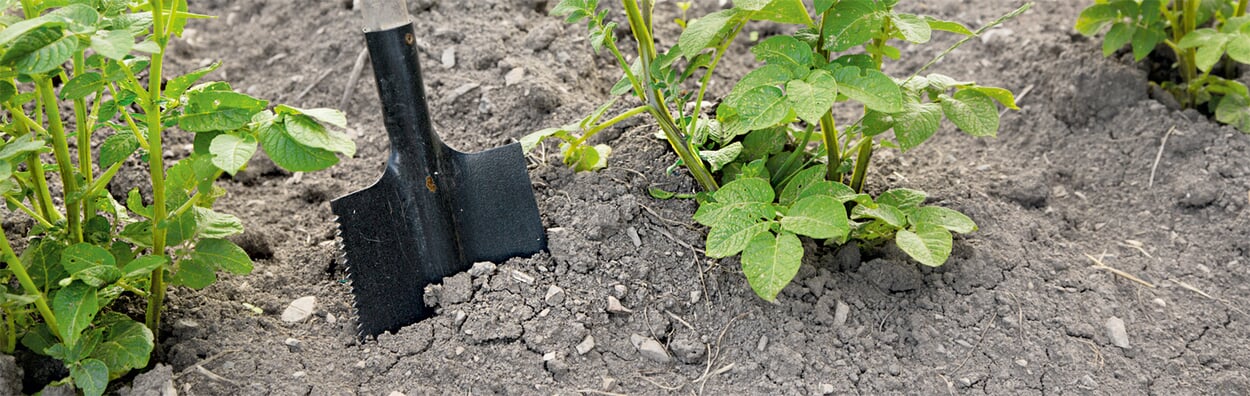
If growth was not satisfactory last season and more than three years have passed since the last soil analysis, a soil sample should be taken and tested. An examination now in the fall provides recommendations for pre-winter soil care (for example, the application of lime) and fertilizer planning for the coming spring.
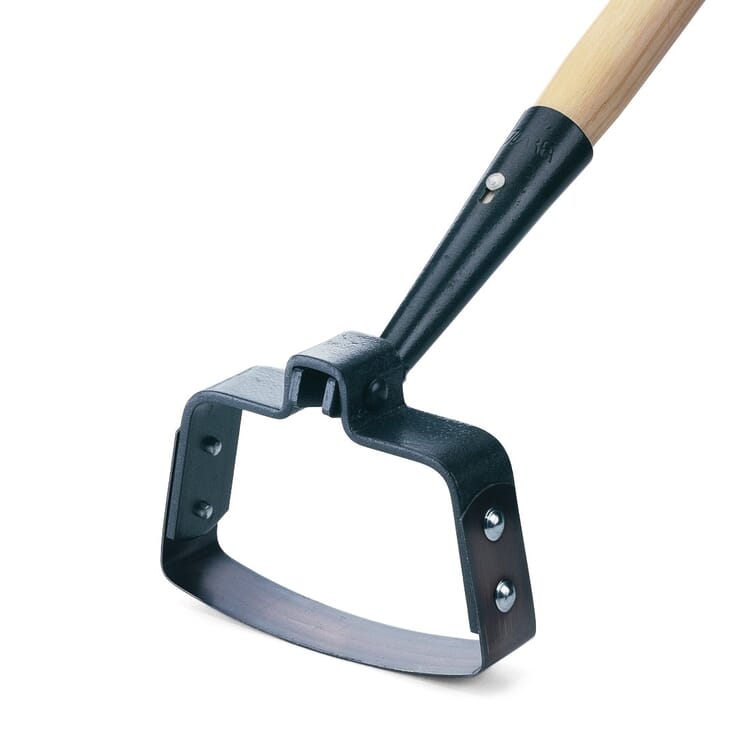
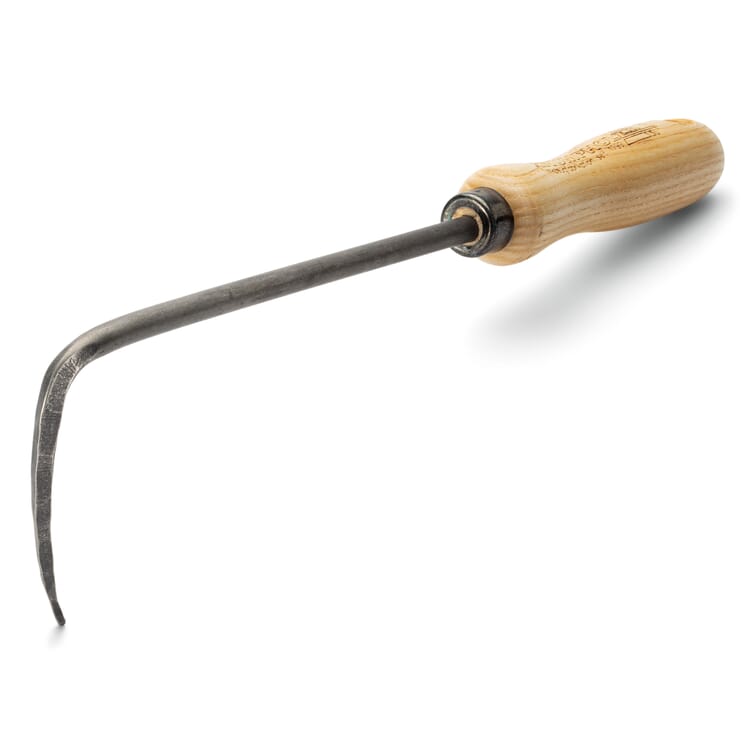
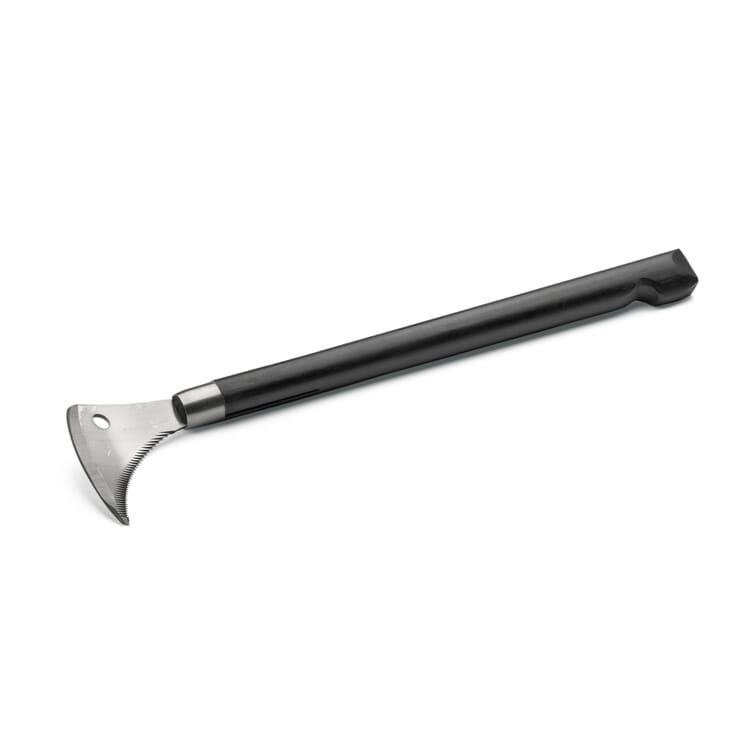
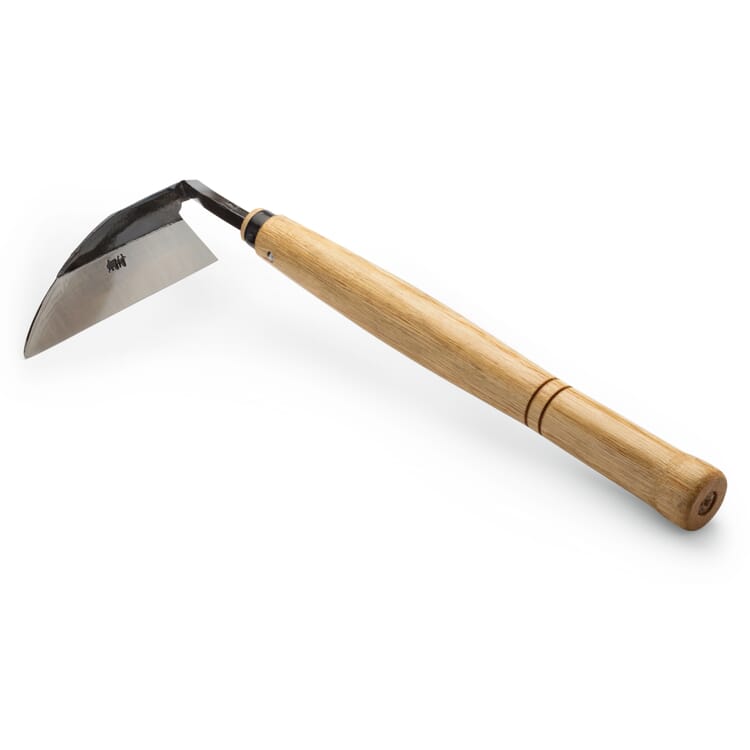
Tools and supplies needed: Spade, onion planter or weeder with long, narrow blade, bucket, sample bag and envelope (if not provided by lab), work gloves.
Matching products

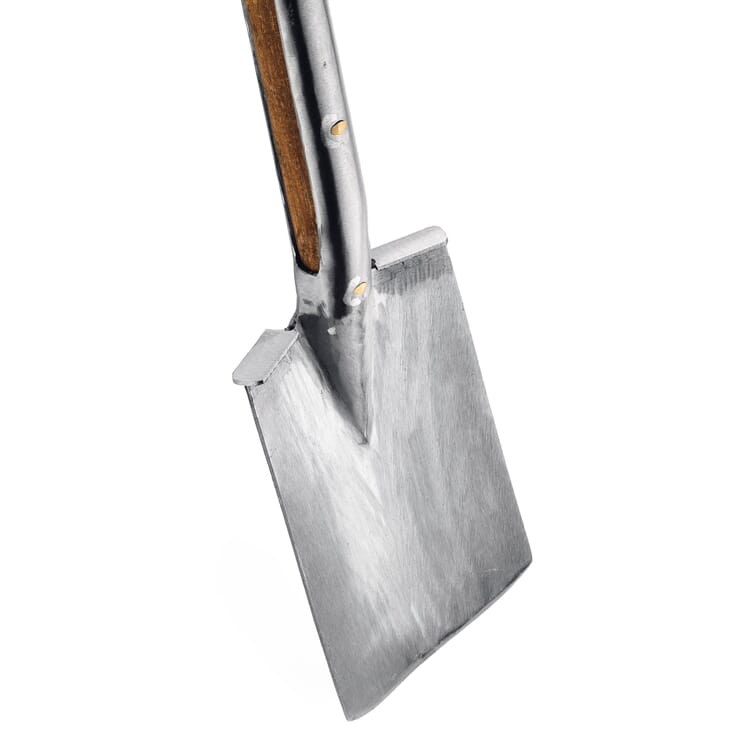

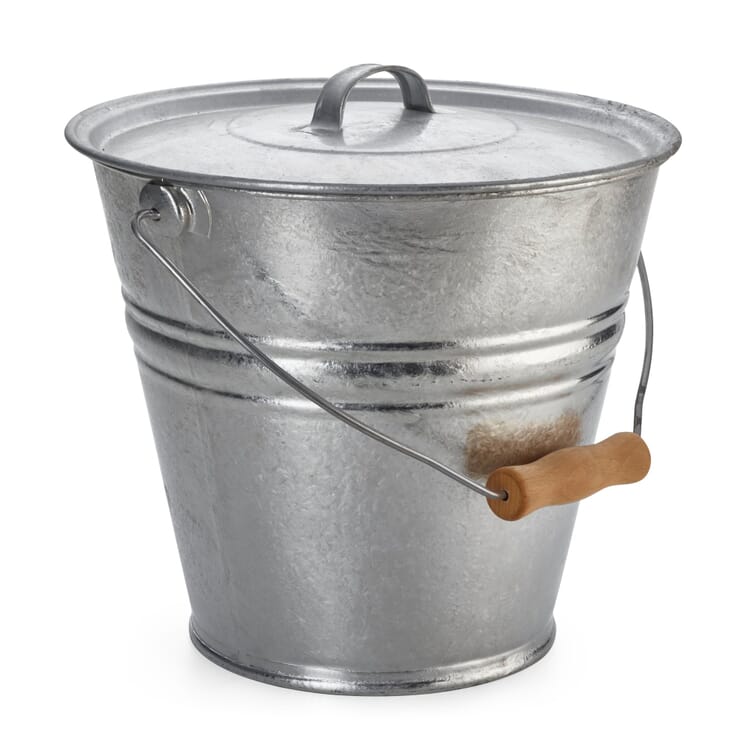

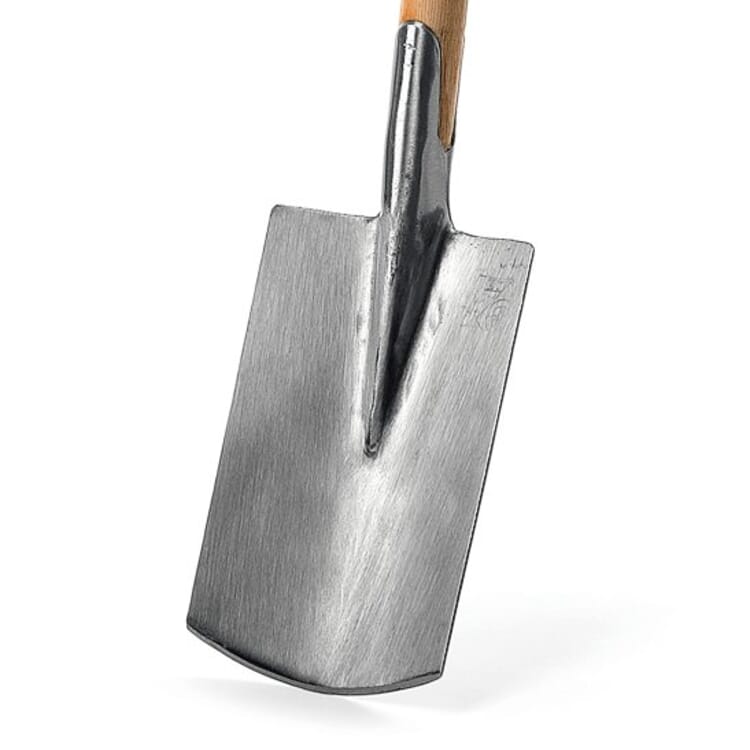

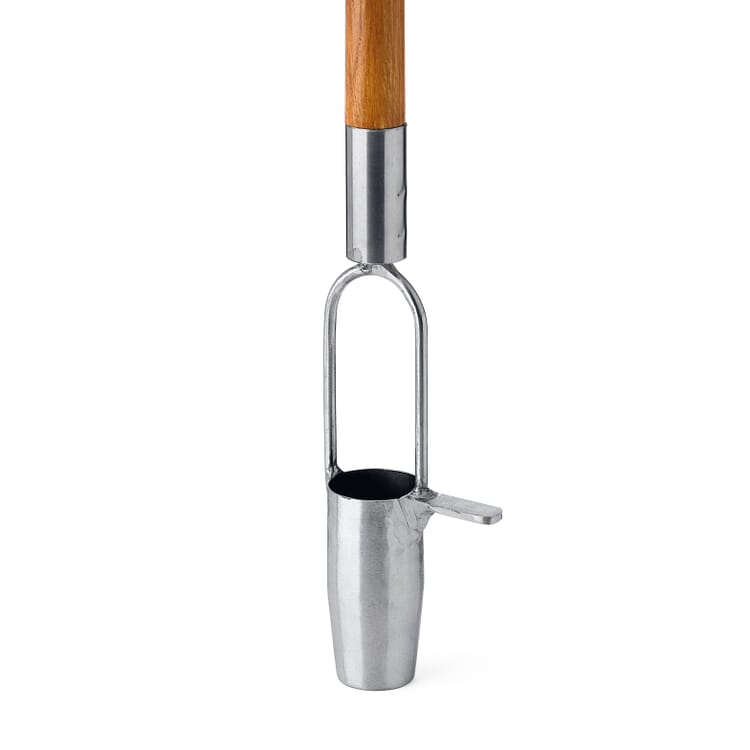
Instructions for taking a soil sample
- Knowing the condition and quality of your own garden soil is the prerequisite for "correct" fertilization: which optimally supplies the plants, protects the soil and groundwater from excess nutrient input and, last but not least, saves money. - There are two useful dates for a soil analysis: spring and fall. If the analysis in autumn shows a too low pH value, liming is still necessary in late autumn/early winter so that the winter precipitation can dissolve the lime and distribute it in the soil. If the humus content is too low, manure or compost should be applied now; the material can deposit over the winter and make the nutrients it contains available to the plants in the spring - when soil activity begins again. In addition, nutrients such as phosphorus or potassium can then be selectively applied in the spring. A meaningful analysis includes determining the following values: humus content, pH value, calcium, phosphorus, potassium, magnesium, copper, iron, manganese and zinc content, as well as the biological activity of the soil. - This results in specific recommendations: which fertilizers should be applied in what quantity and when, how do certain soil conditions come about (compaction, salinity, phosphate reserve, pH, humus quality, or heavy metal contamination), and what should be done to optimize them? - Fertilizer recommendations should ideally consider mainly organic fertilizers (manure, compost, horn shavings, or bone meal) or advise the application of nettle manure or sowing of a suitable green manure mixture.


All relevant soil properties are measured in the laboratory

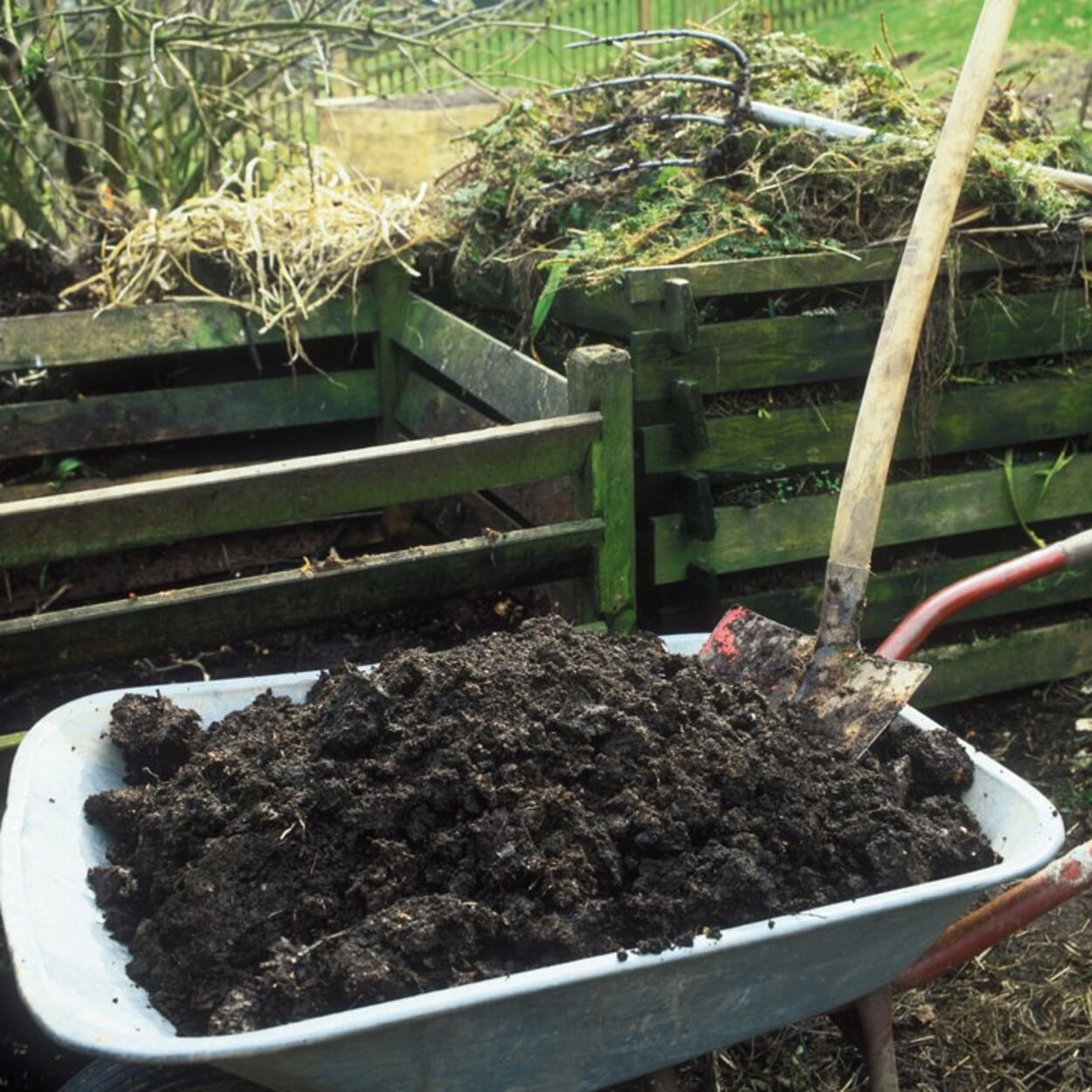
If the humus content is too low, apply compost or manure to the beds before the winter

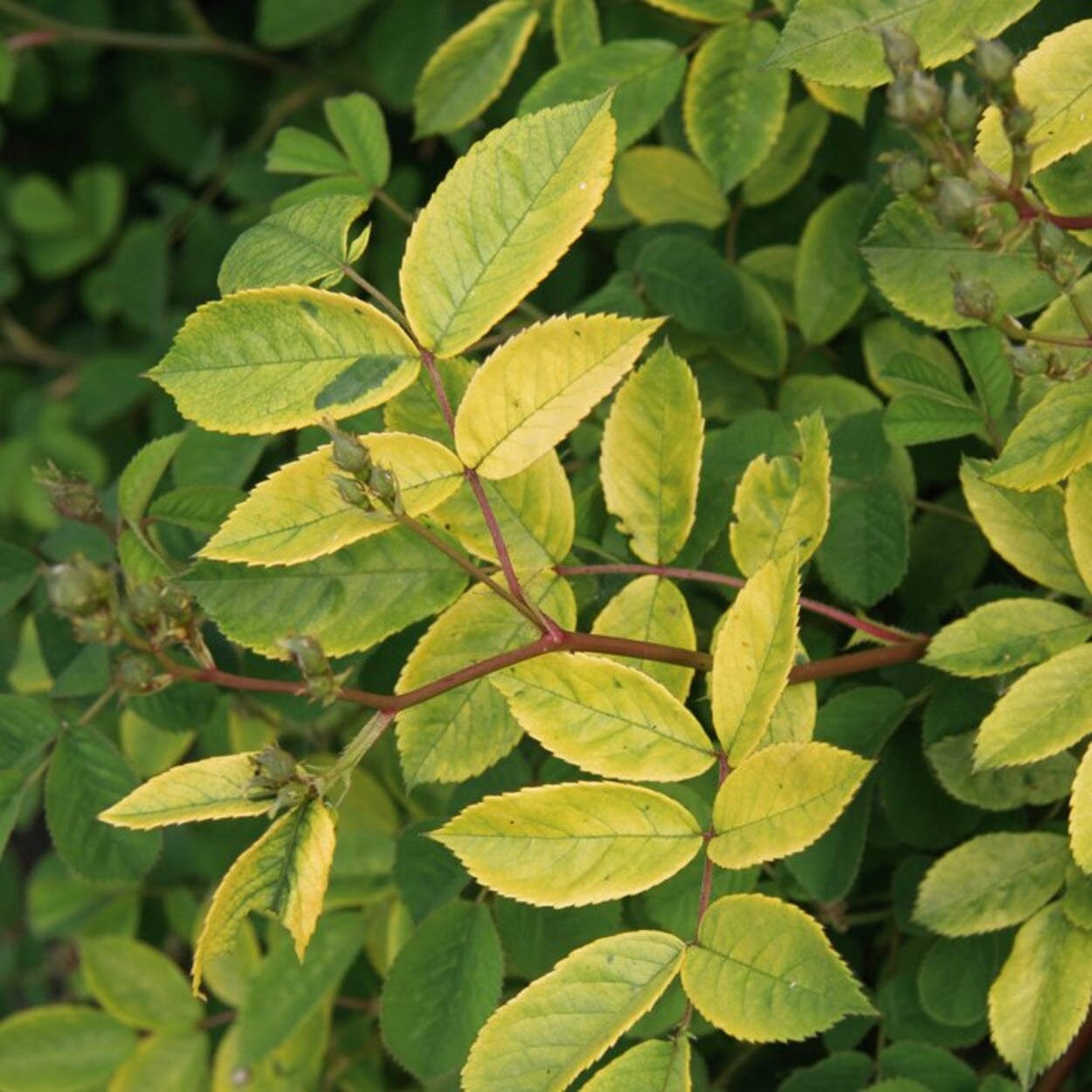
"Wrong" nutrient levels in the soil lead to plant damage (here: iron deficiency in a rose)