Garden Year
Put away and care for garden furniture

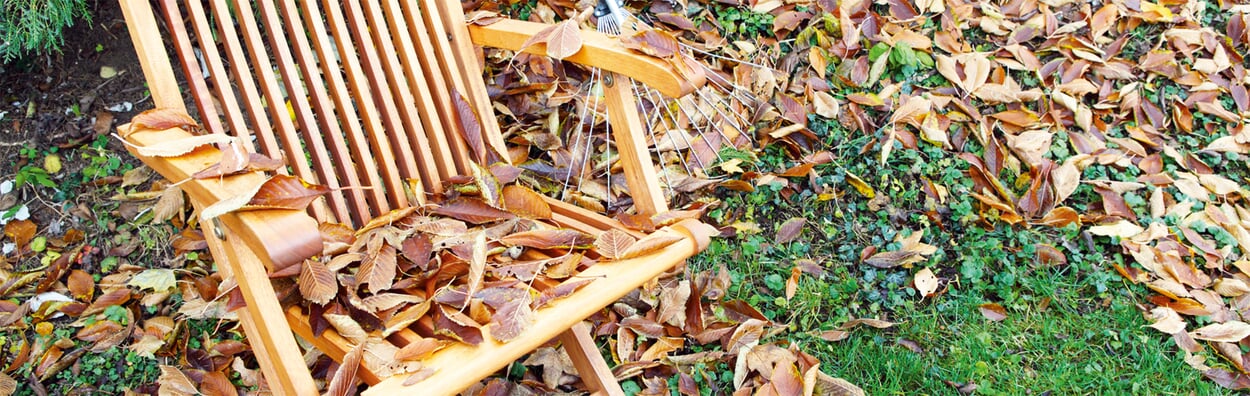
The life of most garden furniture can be significantly extended if it is cleaned, put away and protected from precipitation in late autumn. Furniture made of wood can now be treated with a maintenance oil, which can soak in during the winter.
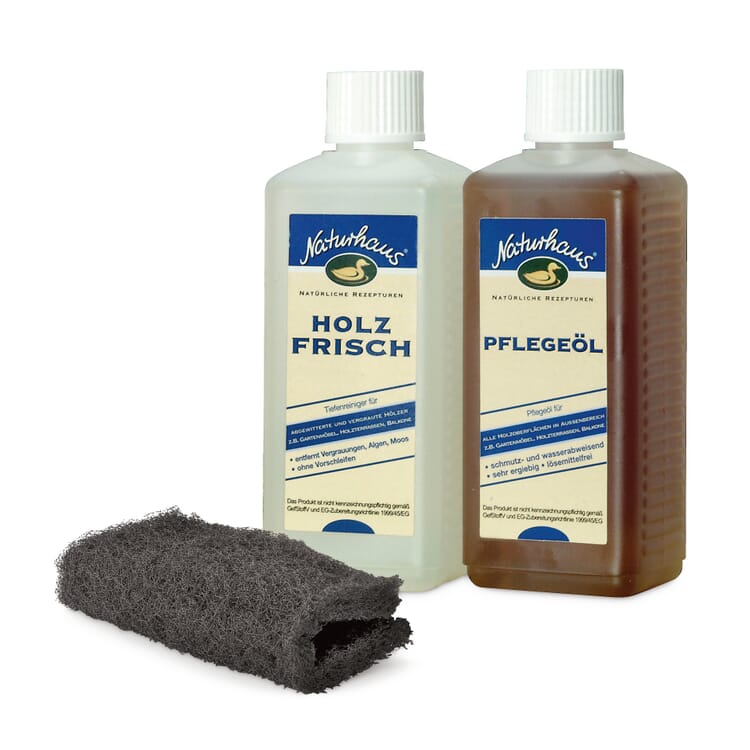
It is needed: 1. tools: root brush, rag or sponge, cleaning bucket. 2. accessories: means for the care and repair of oiled or painted wood or metal surfaces, neutral, vinegar cleaner, if necessary deep cleaner for wood surfaces, steel wool or abrasive fleece for rust removal, air and water vapor permeable tarpaulin, protective gloves.
Tools and accessories for garden furniture care


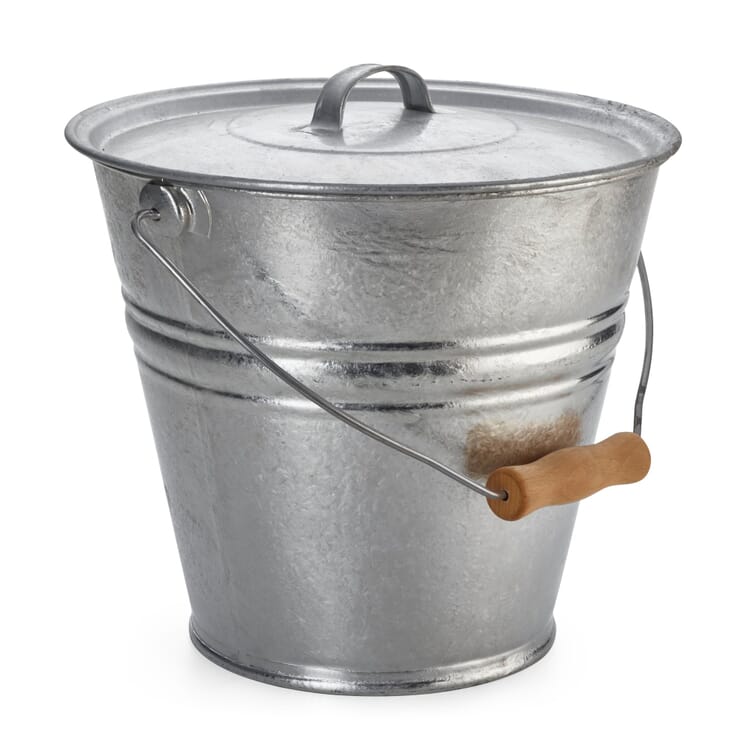

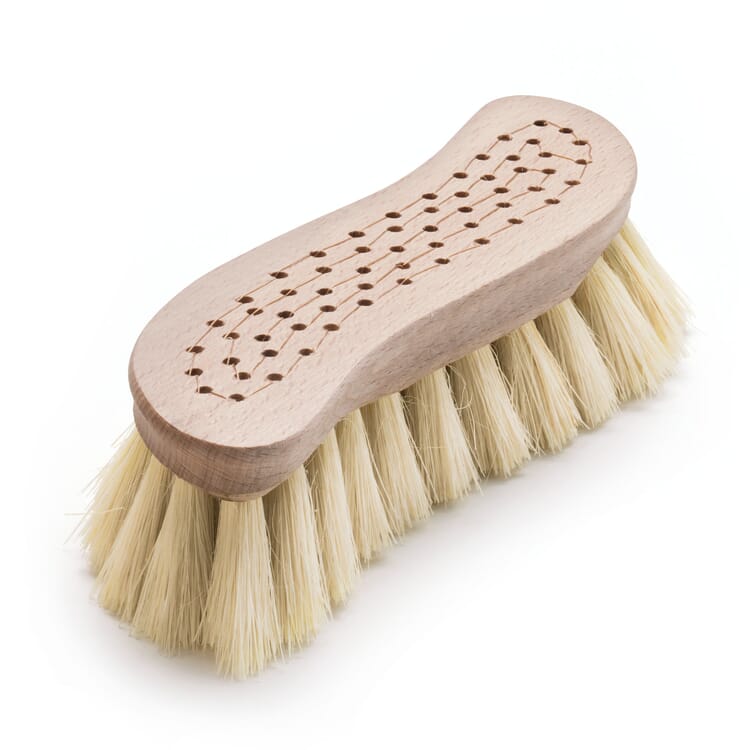

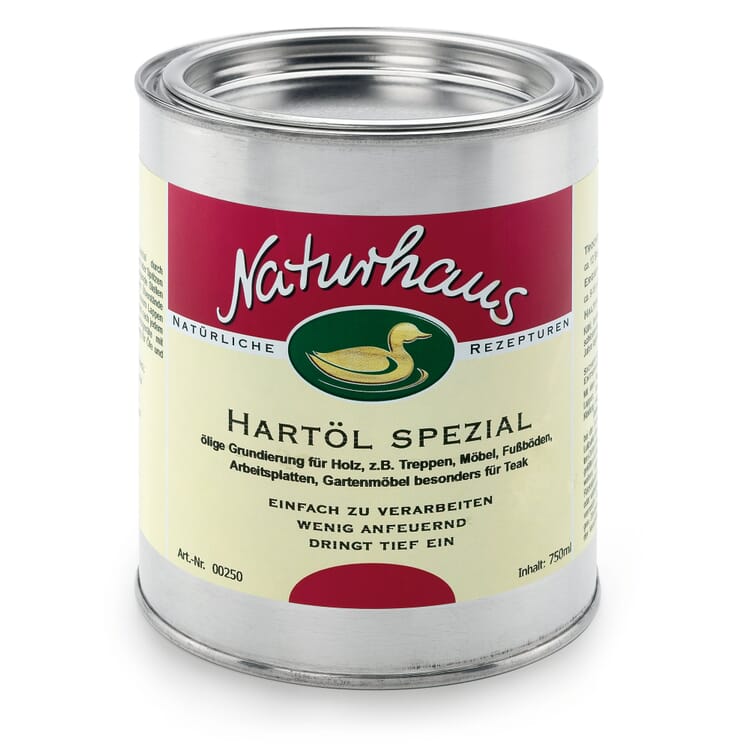

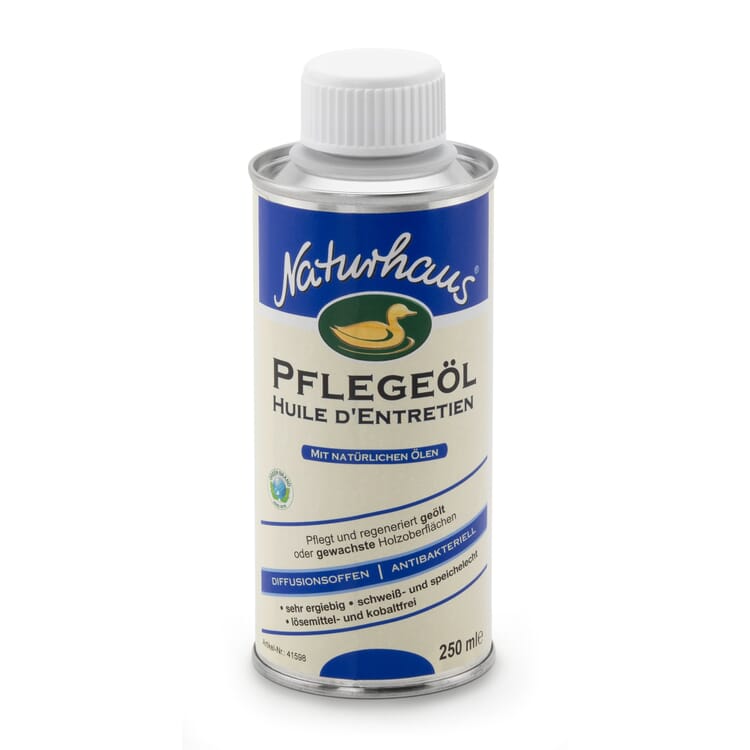
Instructions for handling wooden garden furniture
- Generally ensure that the furniture (also those made of weather-resistant woods) is not exposed to damp ambient conditions (soil moisture from below, continuous rain from above) for a longer period of time. When not in use for a longer period of time (especially during the winter season), cover the garden furniture with an air and water vapor permeable tarpaulin or better store it in a dry and well ventilated place * Clean more heavily soiled surfaces and let them dry well. Natural, untreated wood can be cleaned with a root brush, oiled or varnished wood surfaces with water, cloth or sponge and a little neutral cleaner. * Under no circumstances use a high-pressure cleaner to clean wood surfaces. ** Regular maintenance of untreated wood is not necessary, as these are usually weather-resistant woods such as larch, oak, teak or robinia. Due to the influence of rain and sun they weather and form a typical, mostly gray to silvery patina, but they do not suffer any damage. **If the furniture needs to be refreshed for visual reasons, sand the surface lightly with fine sandpaper or use a so-called deep cleaner, which brightens the wood and at the same time thoroughly removes algae and moss infestation. Oiled or lacquered surfaces should be treated at regular intervals, as they are attacked by sunlight and the agents are washed out by weathering. Moisture then penetrates under the oil or lacquer layer, which leads to further damage to the surface (it flakes off over a wide area) and rotting of the underlying wood.

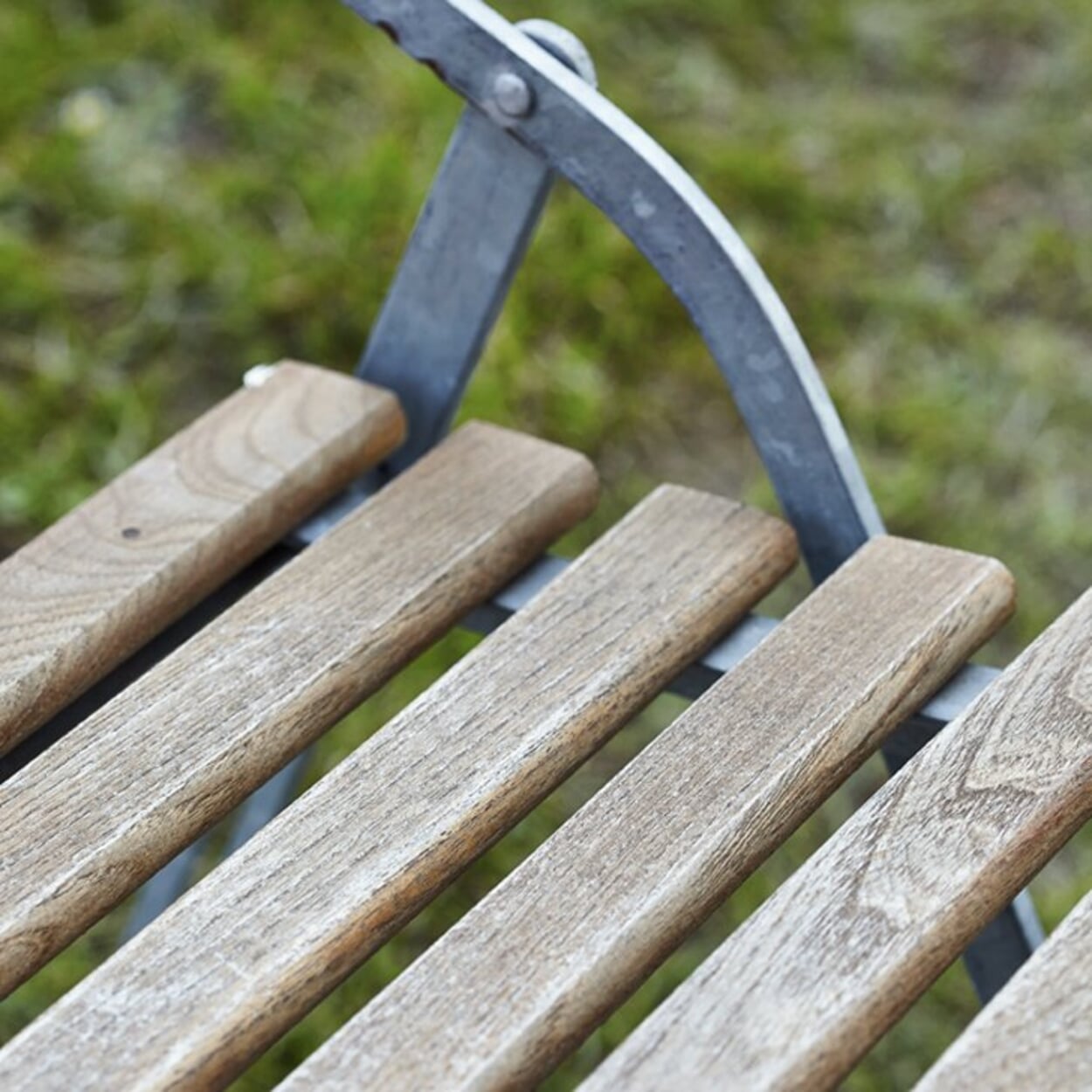
Greyed robinia wood seat

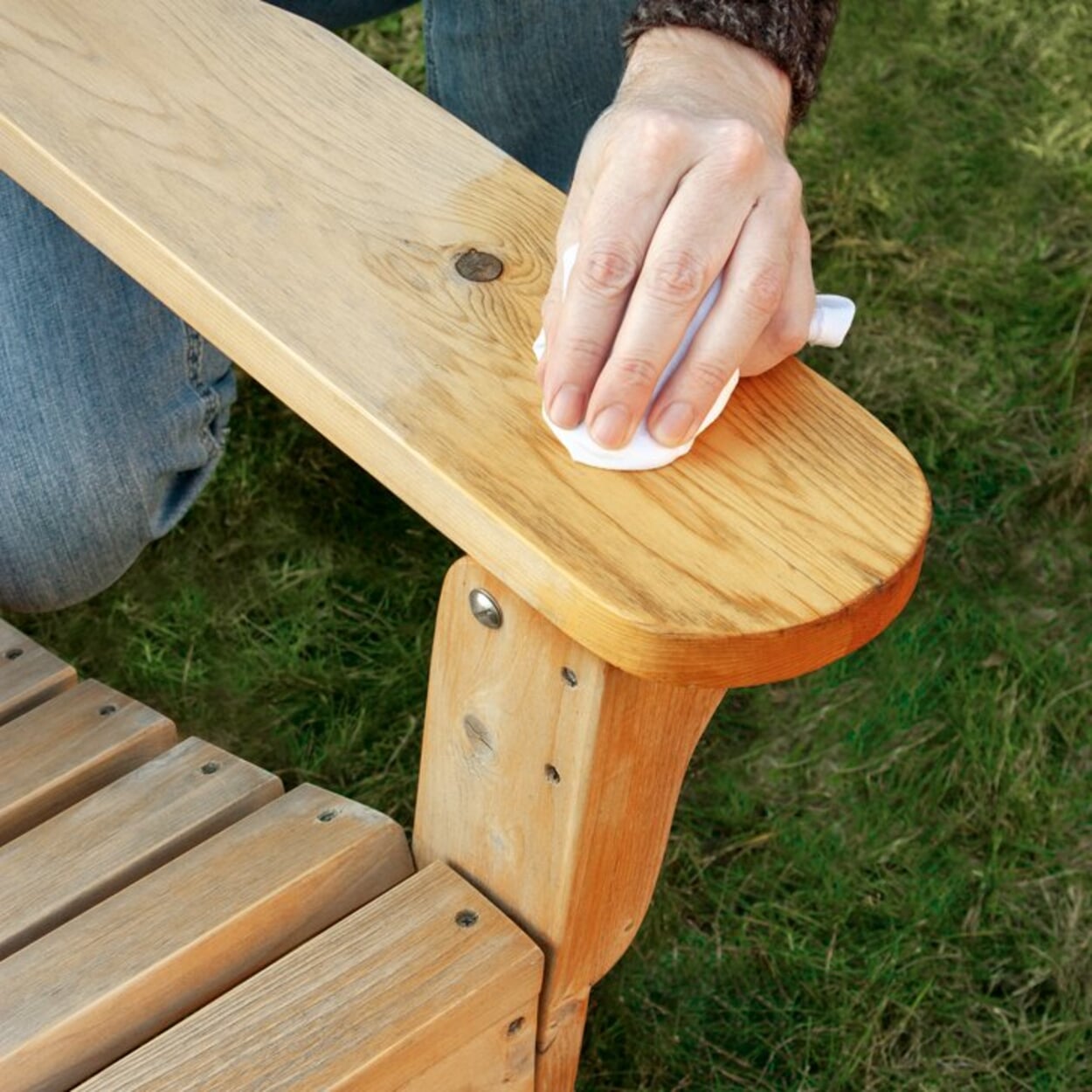
Refresh untreated cedar chair with deep cleaner

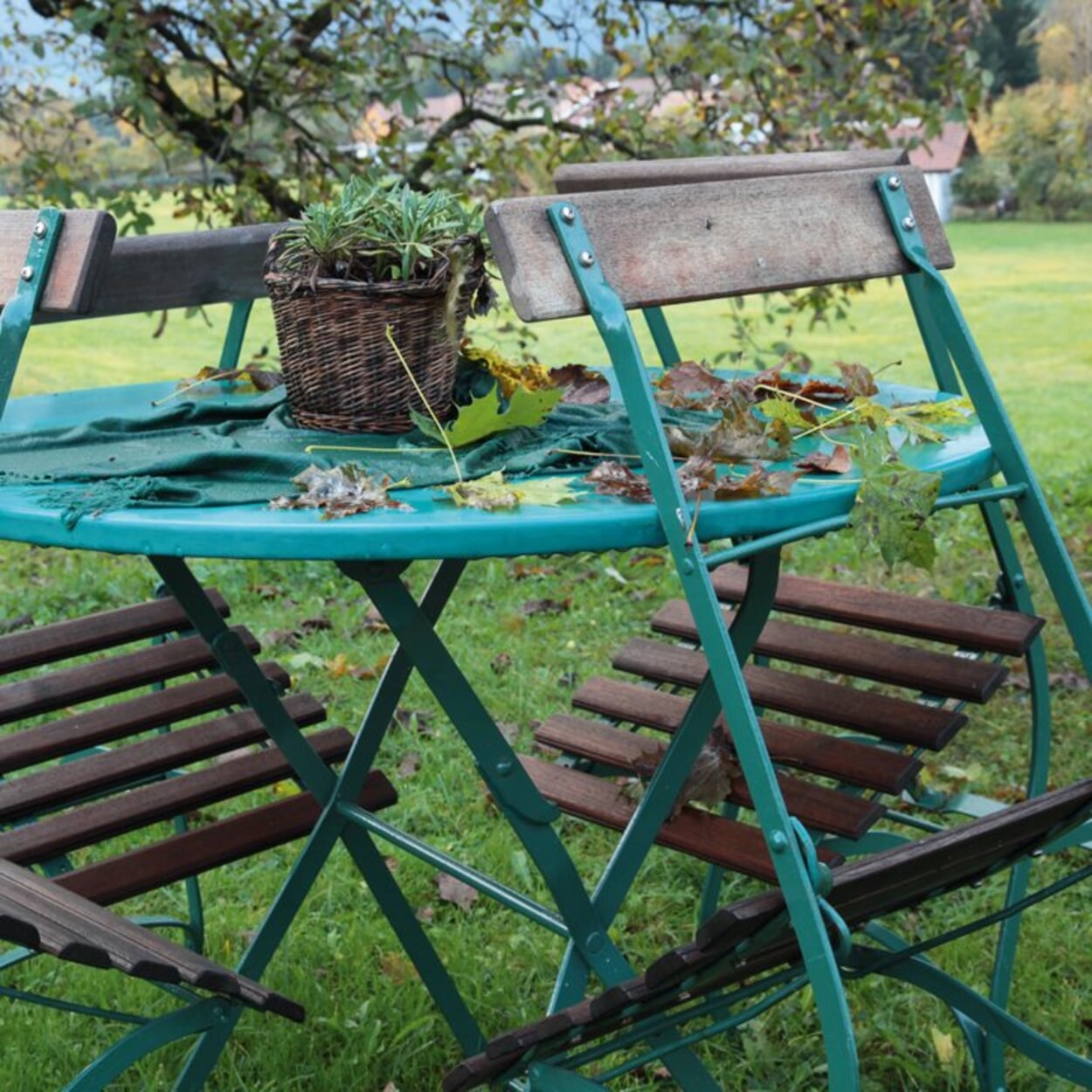
Protect chairs even from short-term wetness
Instructions for handling metal garden furniture
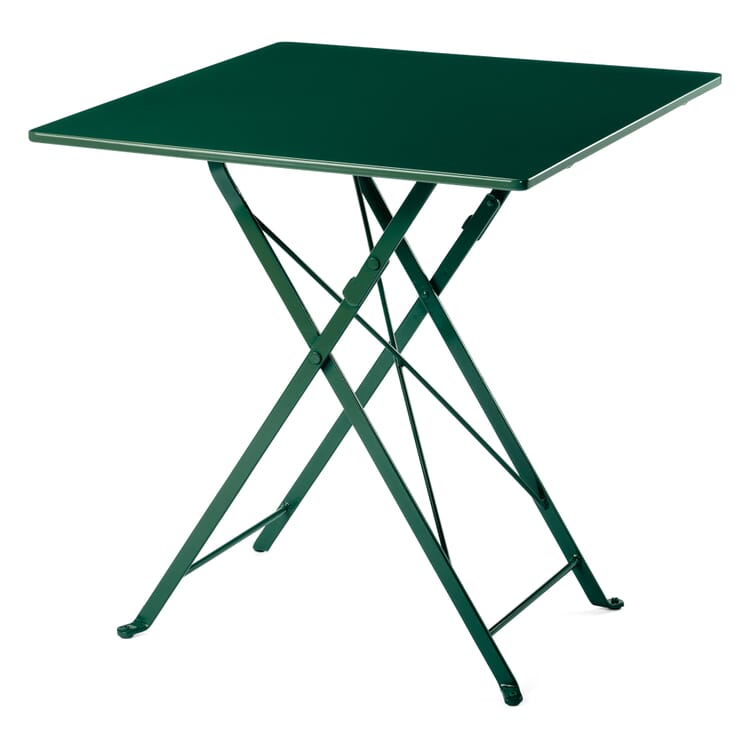
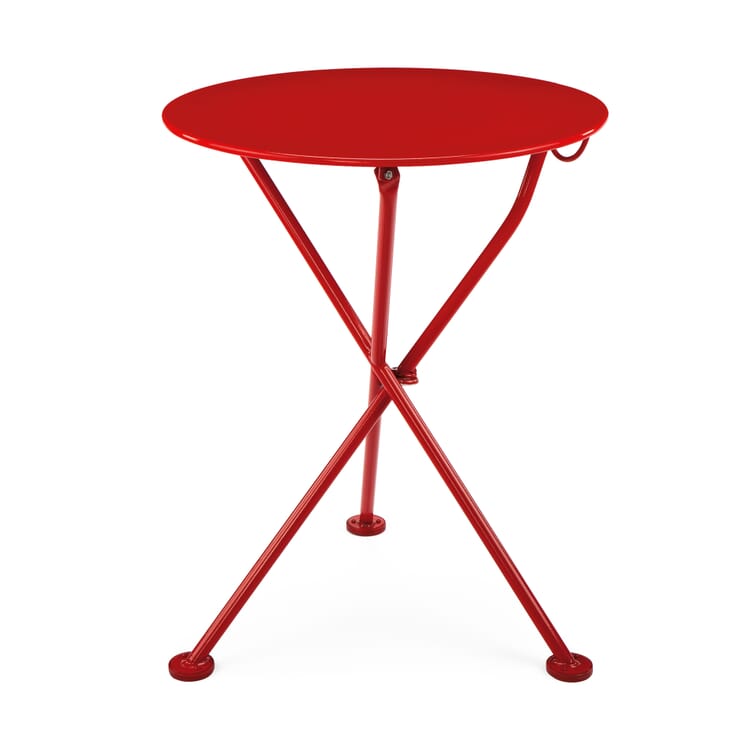
- Furniture made of stainless material (aluminum, stainless steel, hot-dip galvanized steel) does not require special care, except for an occasional cleaning of dirt, pollen or the like. * For painted steel furniture, take care not to damage the painted surface, the steel underneath is then exposed and will rust quickly. This furniture is better protected if it is first galvanized and then painted; make sure of this when buying it. * Protect metal furniture where there is a risk of rusting also from brief exposure to moisture. If necessary, use steel wool or abrasive fleece to remove rust and repaint defective areas.
Instructions for handling plastic garden furniture
- When cleaning be careful not to scratch the surface. Plastic furniture coated with a layer of varnish is much easier to clean than simple, uncoated models, which are very easily damaged. - It is best to clean the furniture with water and neutral soap only, with an additional splash of vinegar if necessary. Use a soft cloth or a microfiber cloth. In any case, avoid abrasive or solvent-based cleaning agents and scouring pads; both scratch the surface and make the furniture more susceptible to dirt, which can settle more easily in the resulting grooves. - Already at the time of purchase, remember that non-UV-resistant plastics fade in the sun and become brittle over time. Frost also makes many plastics brittle, so store the furniture during the winter.