Helpful tips
Making coffee. Completely without pressure


Coffee is Germans’ favorite beverage. This isn’t just a cliché—it’s been statistically proven beyond a doubt. Even people who don’t drink coffee themselves—yes, believe it or not, they do exist—usually find the aroma of freshly ground coffee beans or that of a freshly brewed cup of coffee to be downright enticing. Yet for a long time, making coffee wasn’t given the importance it deserves. Yet (aside from the raw material—the coffee beans)—the method of preparation and the care taken in the process are crucial to the coffee’s aroma and, consequently, to the enjoyment of the coffee.
It is therefore very welcome that manual coffee brewing has gained increasing importance in recent years—the possibilities for tailoring the flavor to one’s own taste are hard to beat with manual filters, French presses, and similar methods. A little time, knowledge, and practice are all you need to brew the perfect cup of coffee. And even for users of largely automated coffee and espresso machines (which serve as valuable time-saving aids in everyday life), the following tips provide important guidance.





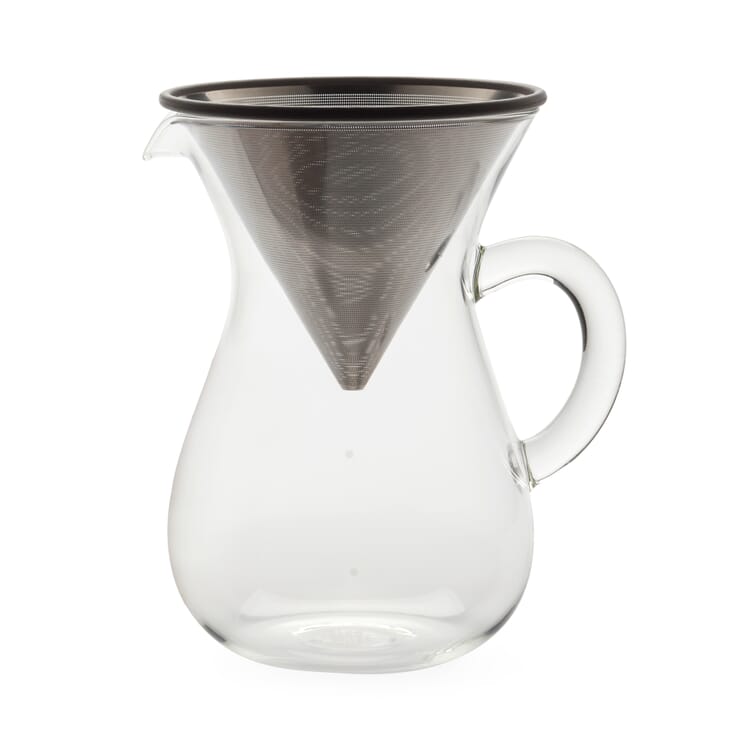
Making coffee begins with the selection of beans

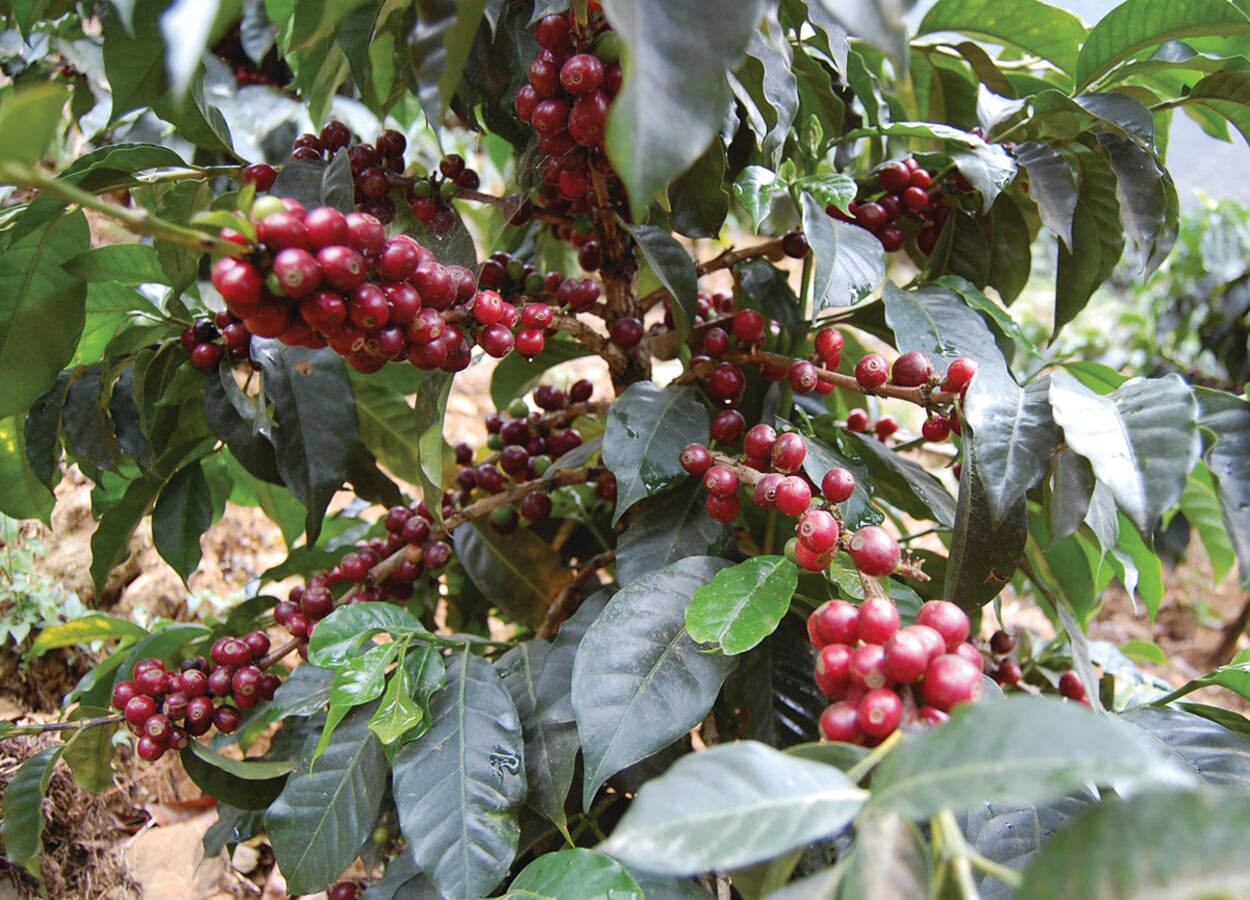
First of all, it is the variety, the degree of roasting and the quality of the coffee beans that essentially dominate the taste of coffee and also its compatibility. Before you make coffee, you should therefore ask yourself the question: What characteristics should it fulfill? Although there are a total of around 40 different types of coffee beans, only Arabica and Robusta are economically significant:
- The mountain coffee Arabica is basically considered the nobler variety and comes with a lower caffeine content and fewer tannins than the lowland competitor Robusta. However, it would be fatal to demonize the latter across the board, because even though almost all top coffees are made from Arabica beans, only 5% of the world's production is really high-quality raw material
- a good Robusta may therefore be a much better coffee than a bad Arabica. Robusta is more distinctive and stronger in taste and may even be the better alternative, especially for lovers of full coffee aroma
- Nevertheless: In the rarest cases it comes along solo. Good blends of the two varieties are able to combine the best of both coffee worlds. Especially for espresso blends, a proportion of Robusta is often added to the Arabica.
The following applies (regardless of the variety):
- Lightly roasted coffee is milder, but if you brew dark roasted coffee, it develops stronger aromas
- Roasting at low heat takes more time, but also lowers the amount of chlorogenic acids, which can cause stomach upset in sensitive people.
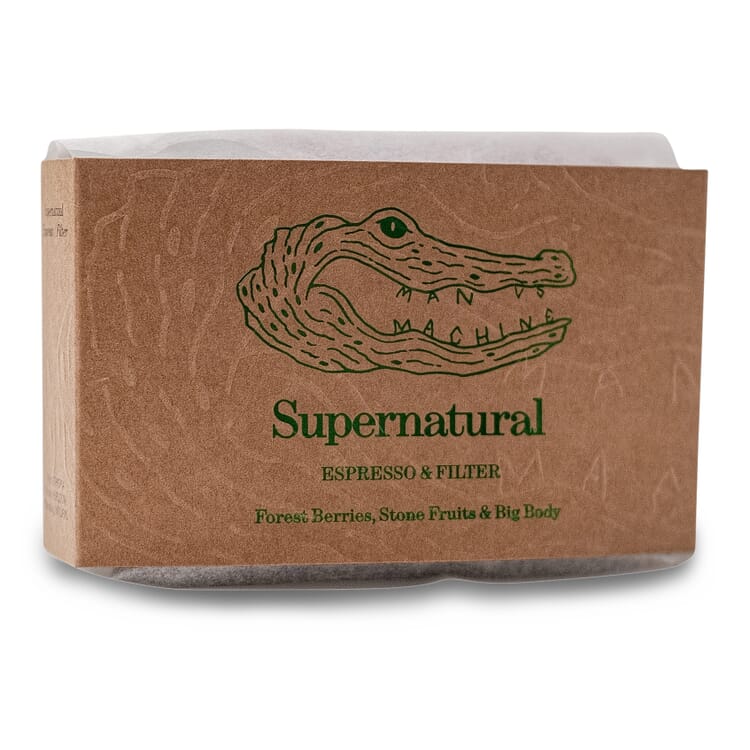
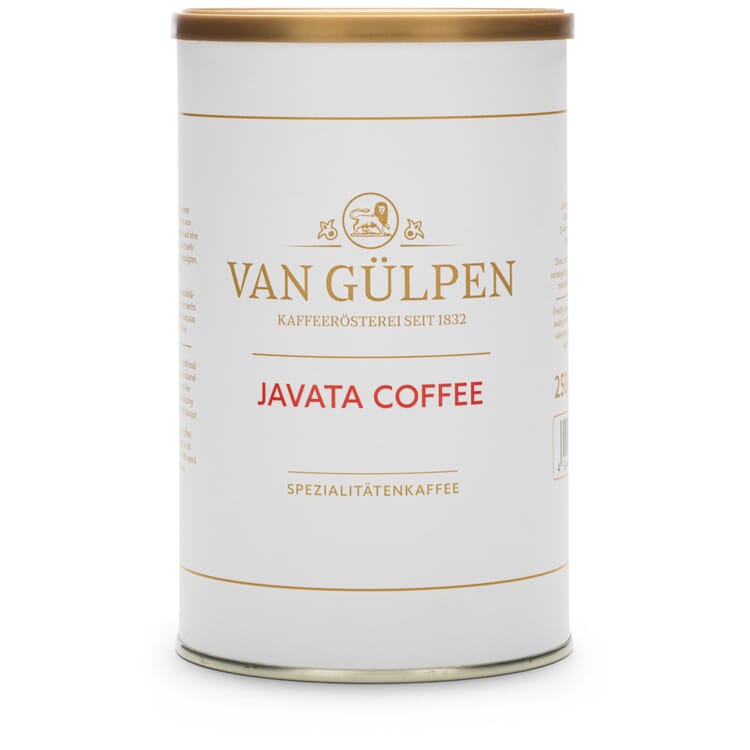
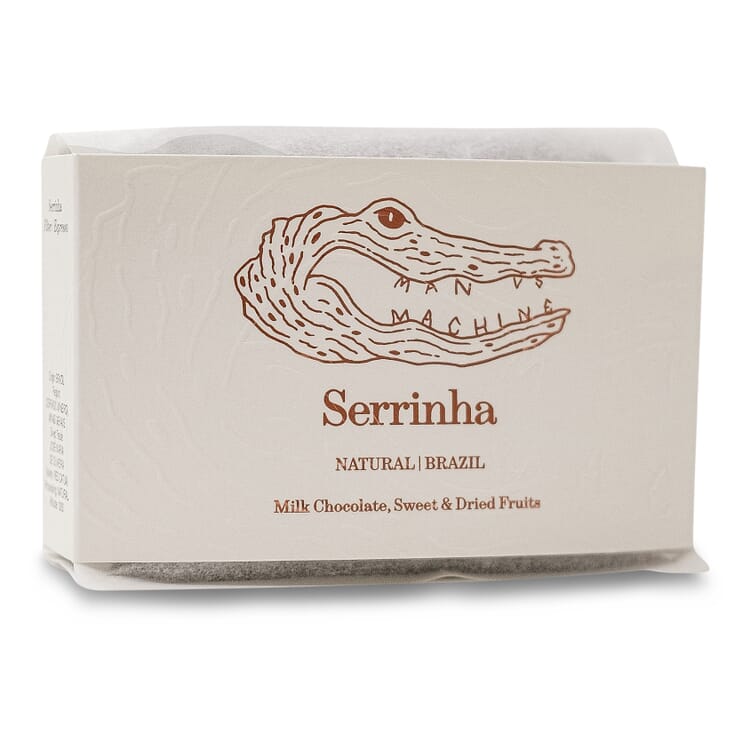
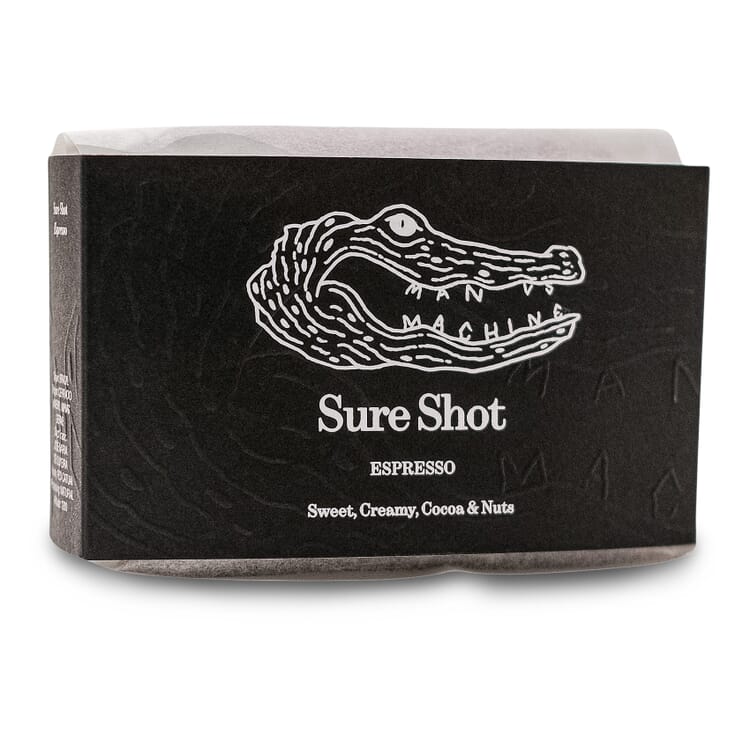
Handpicked coffee beans with fine flavors

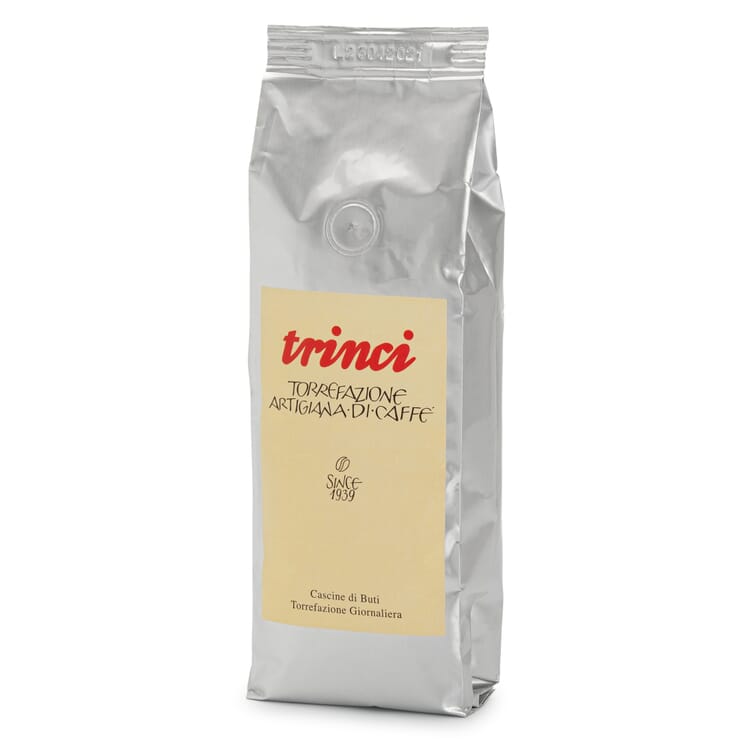

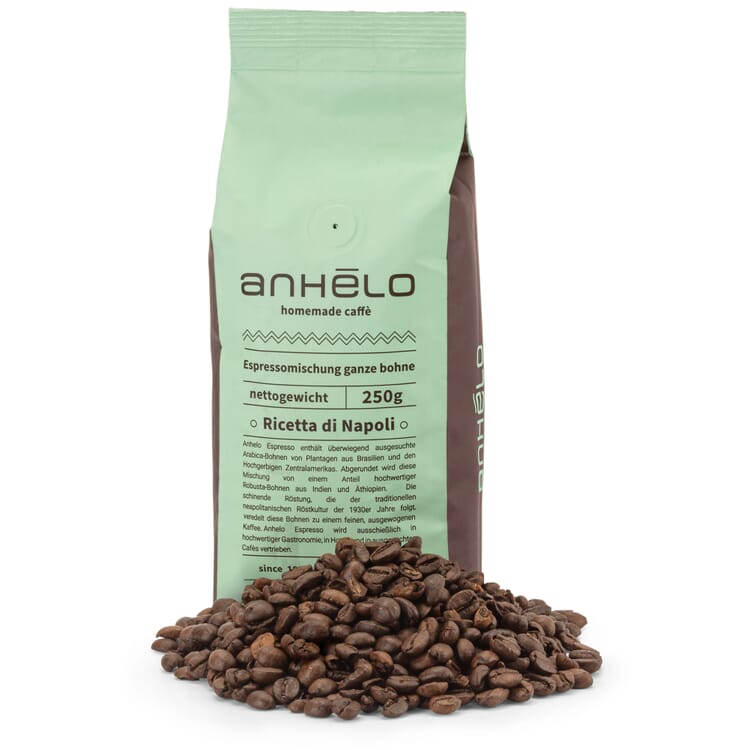






He who makes coffee, grinds first. Coffee grinders and grind
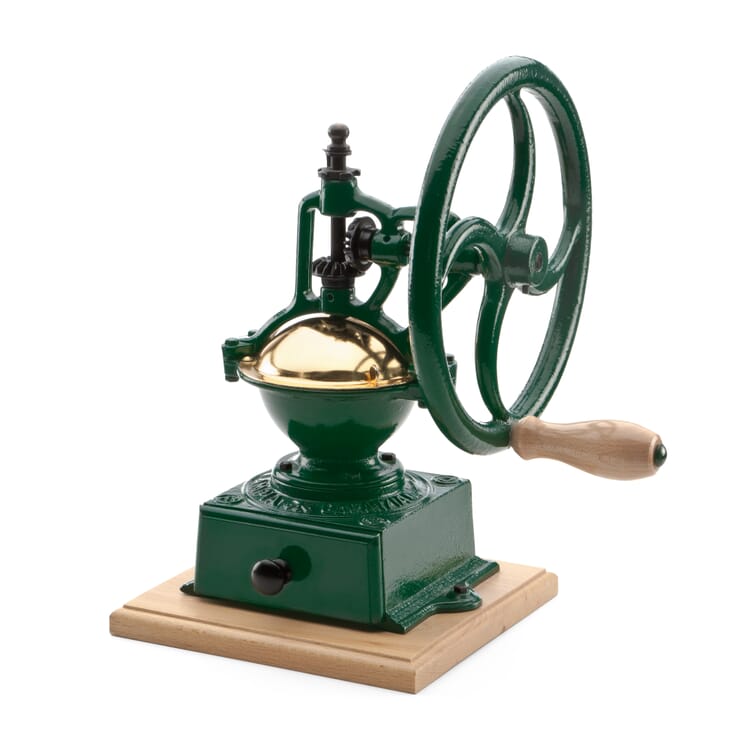
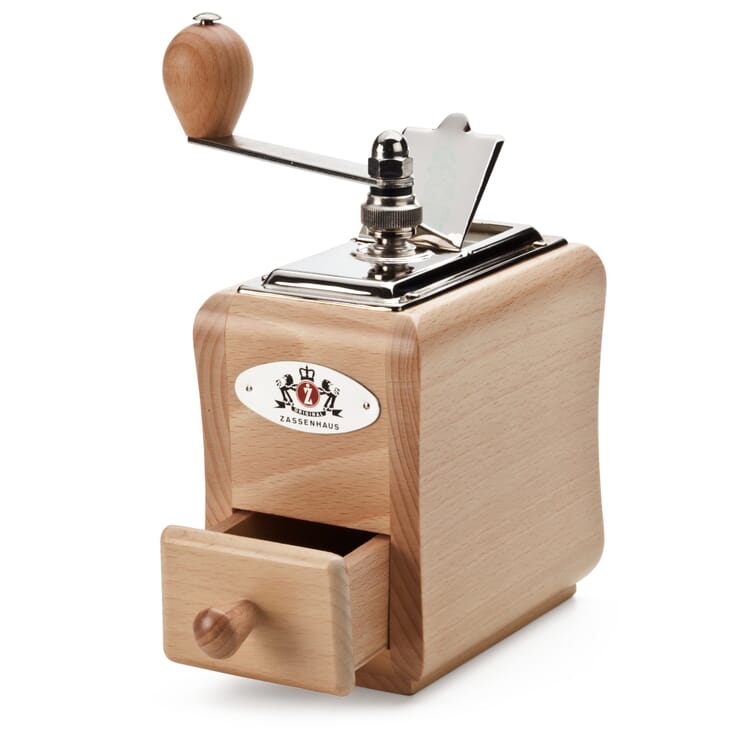
Since only fully automatic machines are capable of processing whole coffee beans, you’ll need to grind the beans before brewing coffee—no matter which of our machines you use. Of course, you can also buy pre-ground coffee; that’s entirely up to you and saves time in your daily routine. However, the aroma of your coffee depends crucially on how quickly the ground coffee is used, because the aroma-rich oils in the coffee beans are real divas. If they don’t receive immediate attention after grinding, they disappear faster than you can say “make coffee.” A coffee grinder is therefore a worthwhile investment, especially if you approach the process with a bit of leisure and a desire to savor the experience.
Whether store-bought or ground at home, the grind size of the coffee also has a decisive influence on the coffee’s aroma:
- If the grounds are ground too finely, the coffee quickly becomes too strong. The reason: The contact time between the grounds and the water increases, causing more of the bitter compounds in the coffee to be extracted.
- If the grind is too coarse, however, the water flows through too quickly and the coffee tastes weak.
- It is not possible to make general statements, however, because each brewing method has different requirements: Portafilter machines require finely ground coffee, a classic drip coffee maker requires a medium grind, and the Karlovy Vary coffee maker requires coarser ground coffee so that it isn’t washed out through the porcelain filter.
- Last but not least, personal taste preferences naturally play a decisive role here as well.
Pre-ground coffee is generally designed for filter coffee makers and is often unsuitable for other devices, especially manual coffee makers. (Not only) when you brew coffee manually is it doubly advisable to have your own coffee grinder.
Coffee grinders


Everyone boils with water. But it's the quality that counts

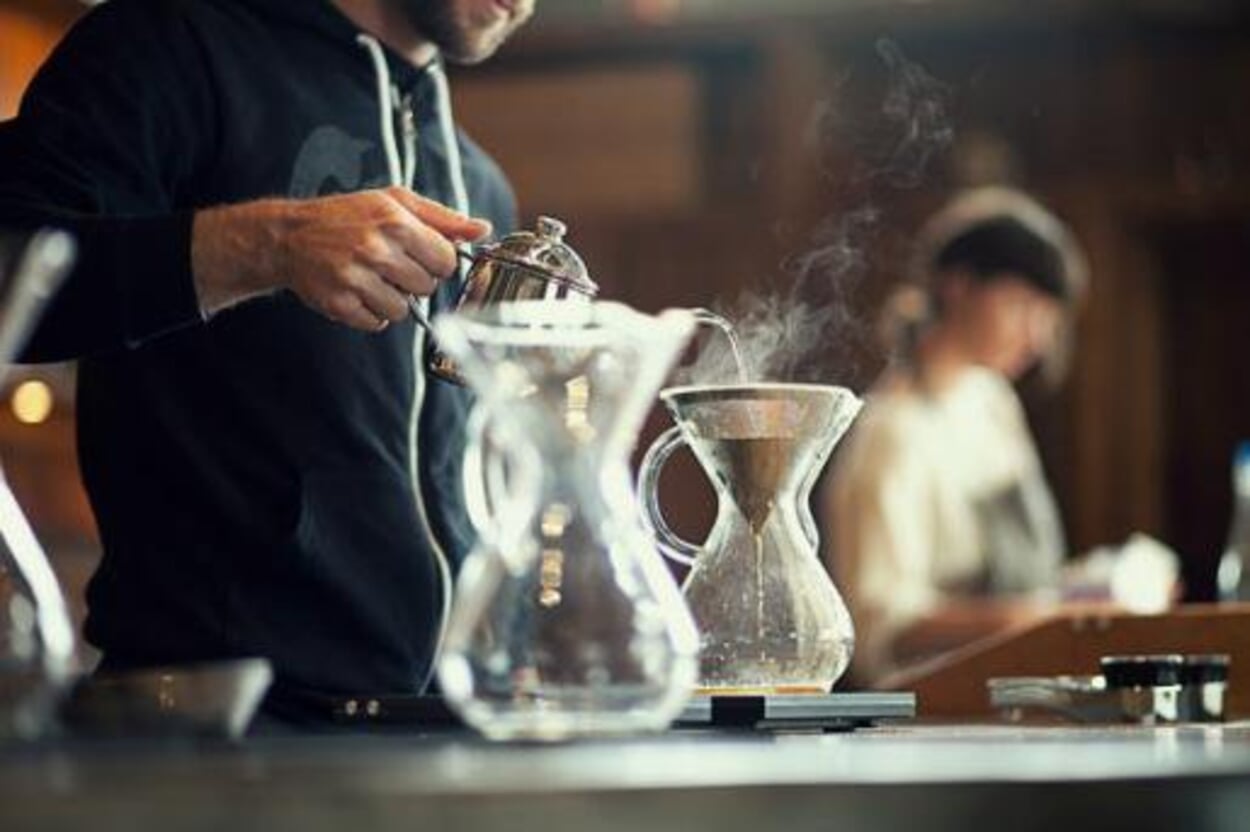
The groundwork is done and nothing stands in the way of making coffee. At least almost. Just as not all coffee beans are the same, not all water is the same. And since about 98% of a prepared coffee consists of the wet element, its quality also plays an important role
- good coffee water should always contain as much oxygen as possible, as this binds flavor notes. For this reason, always use fresh water and do not leave any residues in the tank of coffee and espresso machines
- Salts and minerals contained in water are also important flavor carriers. **Basically, German tap water offers everything that is conducive to good aroma. Only water hardness can negatively influence the aroma: While hard water neutralizes fine fruit acids, the use of too soft water leads to rather acidic coffee. The optimum water hardness is 8 °dH. Use a water filter if the value in your region is higher
- the pH value goes hand in hand with the water hardness. If you make coffee, it should ideally be in the neutral range between pH 6.5 and 7.5.
Preparation methods. Making coffee with pleasure

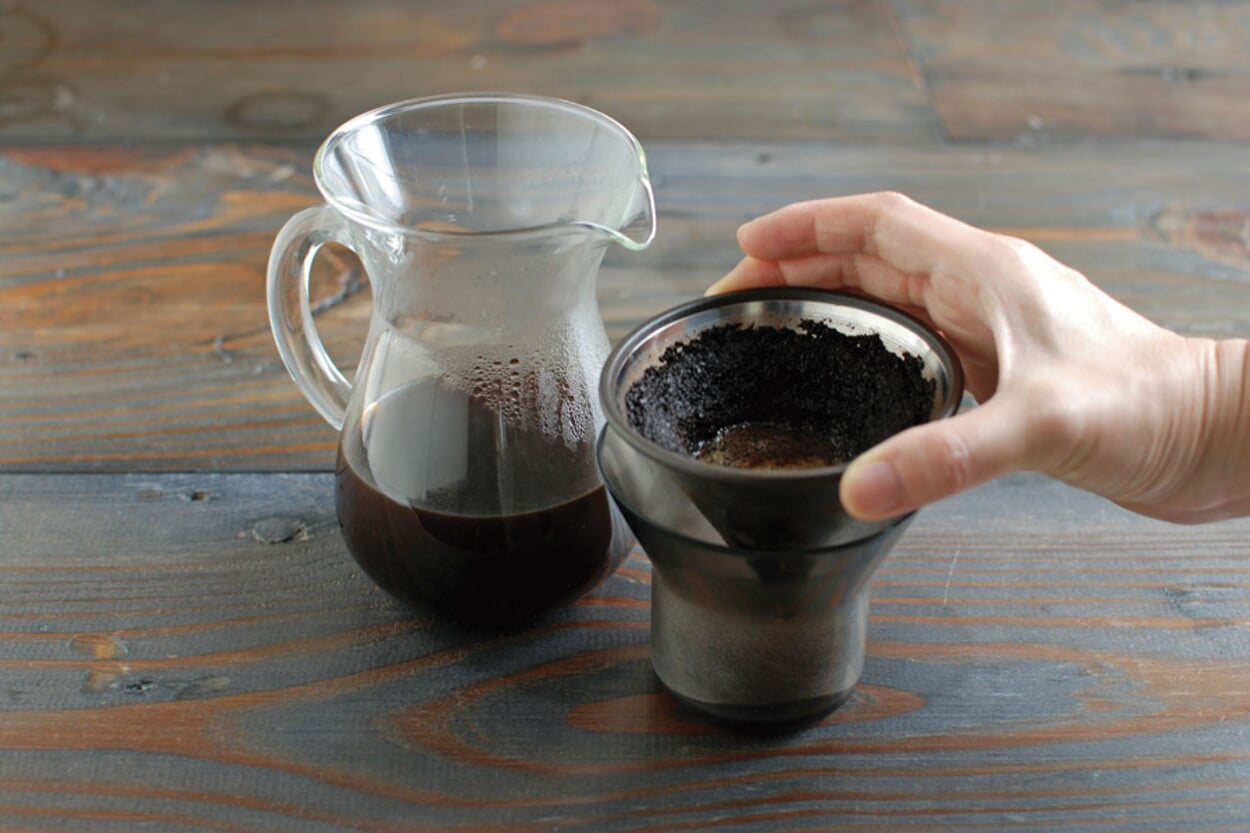
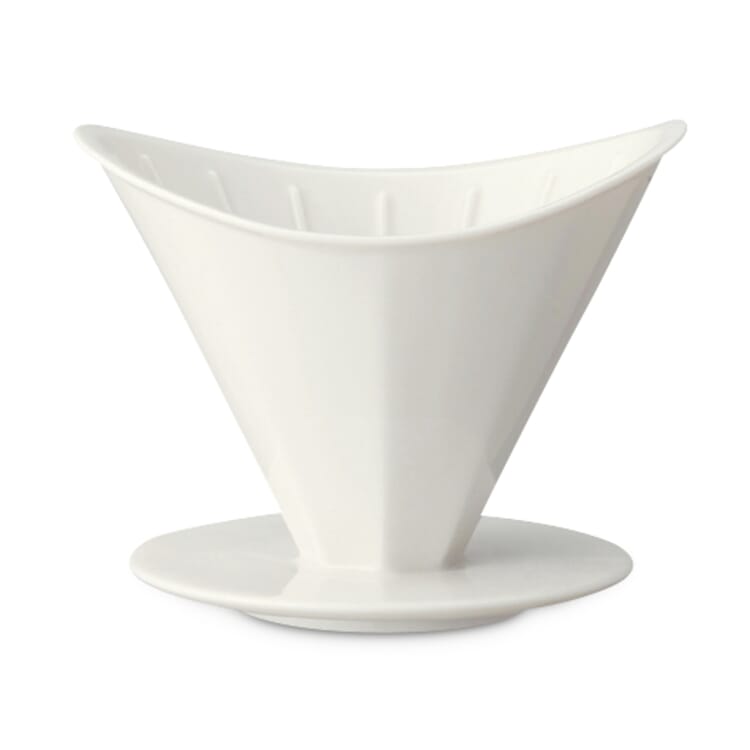
Once the coffee beans have been selected, ground to the right grind for the machine, and the water meets the aroma requirements, you're ready to go. Those who consume coffee for pleasure have numerous options for making their coffee without having to use a machine. Without any pressure at all, and in the truest sense of the word. Because whether it's a hand filter, a rod filter pot or the Karlsbad coffee maker - all of them (besides you) at most let gravity do the work for them.
Unlike a machine that automatically brings the coffee water to the required temperature, manual methods leave you in charge. For most brewing methods, it should ideally be between 92 and 96 °C.
- If the water temperature is too low, the coffee tends to become sour and thin.
- If it is too high, on the other hand, it can taste bitter and burnt.
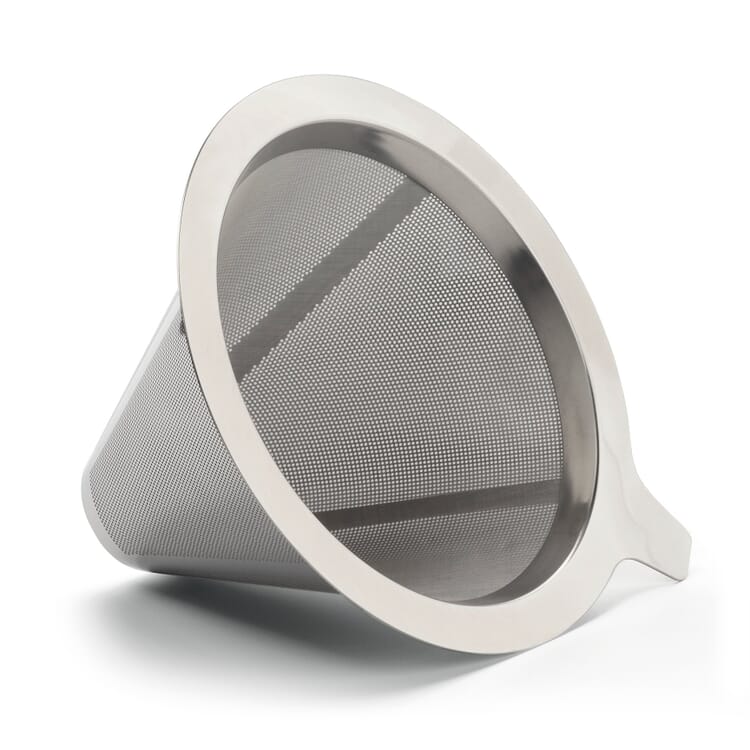
- After boiling, let the water stand for 30-60 seconds before pouring on the coffee to achieve the right temperature. For methods that work with a filter, you should first rinse or soak it once with hot water to prevent the paper taste that is otherwise noticeable in the coffee. Then pour away the excess water, filling it with the desired amount of coffee powder and ensuring a flat surface
- In the first step, pour on enough water (preferably in circular motions starting from the inside and working your way to the edge) so that all the coffee powder is covered with water. The coffee powder should be completely soaked and the water should be about one centimeter above the powder. Then pour the remaining water continuously and according to the same principle.
For the ratio of coffee powder to water, there are only rules of thumb: 60-65 g per liter of water or 12 g for a cup of 200 ml capacity. In the end, however, your personal taste is decisive here as well. Because even if there are many things to consider: Making coffee is not a science. It should be a pleasure. And above all, it should taste good. And it should taste good to you.
Matching products












Sign up for our newsletter and get a voucher for a value of 150 DKK
Recommended Topics

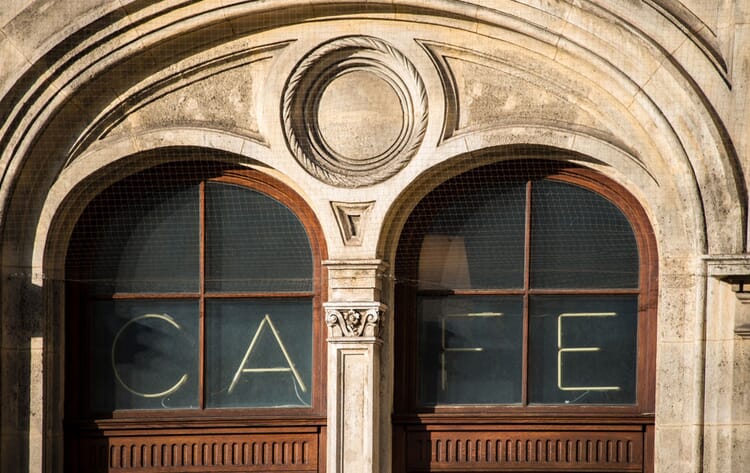
The Viennese were not the first to drink coffee, nor were their coffeehouses ever the only ones. Nevertheless, there is no city in this world that was and still is so closely associated with the word coffeehouse as the Austrian capital. In 2001, Vienna's coffeehouse culture was even designated an Intangible Cultural Heritage by UNESCO. As part of the opening of our first Austrian department store in Vienna, we take a look at the things that make the Viennese coffeehouse a real institution with a recognition effect and a must for every Vienna tourist.
View more
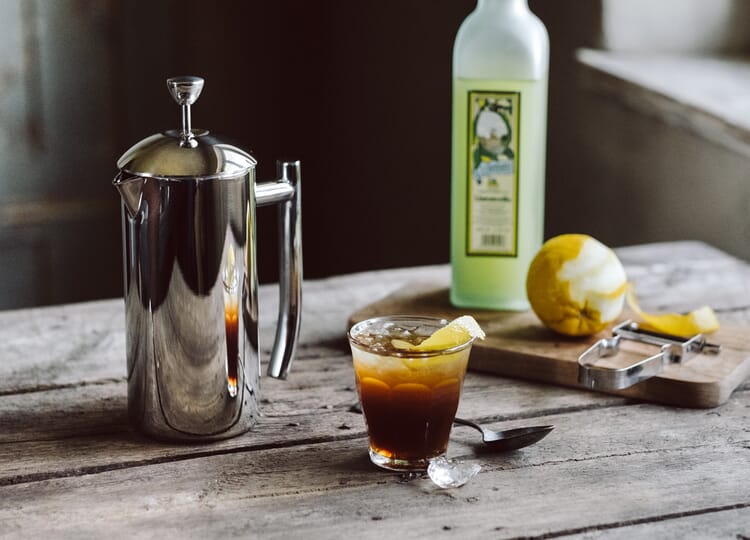
Cold Brew is a method of coffee preparation in which the ground bean is filtered with cold water. Sounds strange? But results in a fruity, mild, aromatic and invigorating drink that contains less bitterness and acidity than its hot water brewed counterpart. The taste secret lies in the slowness with which a Cold Brew is prepared.
View more
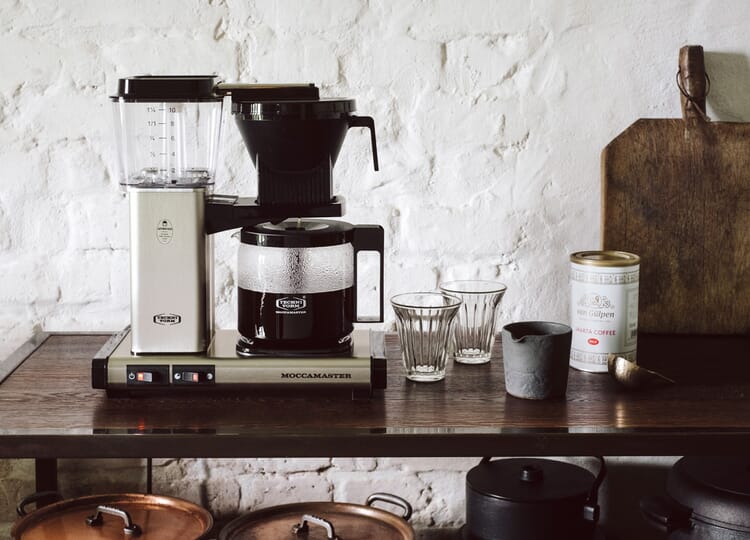
The choice of coffee machine has by no means only price, technical or aesthetic dimensions. The fact that the way coffee is prepared or enjoyed can often be seen as an expression of personal lifestyle ...
View more