Helpful tips
Plant propagation. About cuttings or seeds


Plants can be propagated in two very different ways: sexually via seeds and asexually via cuttings or other plant parts (leaves, shoots, or root segments).
Generative, or sexual, propagation occurs via seeds. The new plants contain genetic material from both the mother and father plants, and this genetic mixing allows new traits and characteristics to develop; the plants are variable. In evolution, this is essential for ensuring adaptation to changing environmental conditions and the colonization of new habitats. This factor is equally important for plant breeding, as it is the only way new varieties can be developed.
In vegetative propagation, on the other hand, an offspring is produced from a part of the mother plant. With this method, the new plant will be identical to its mother in all characteristics, since there is no mixing of genetic material—there is no father plant. This is therefore also referred to as asexual reproduction. This is, for example, the method of choice when valuable varieties need to be preserved, and it has the advantage that plants propagated in this way generally develop more quickly and bloom or bear fruit earlier.
Plant propagation at home
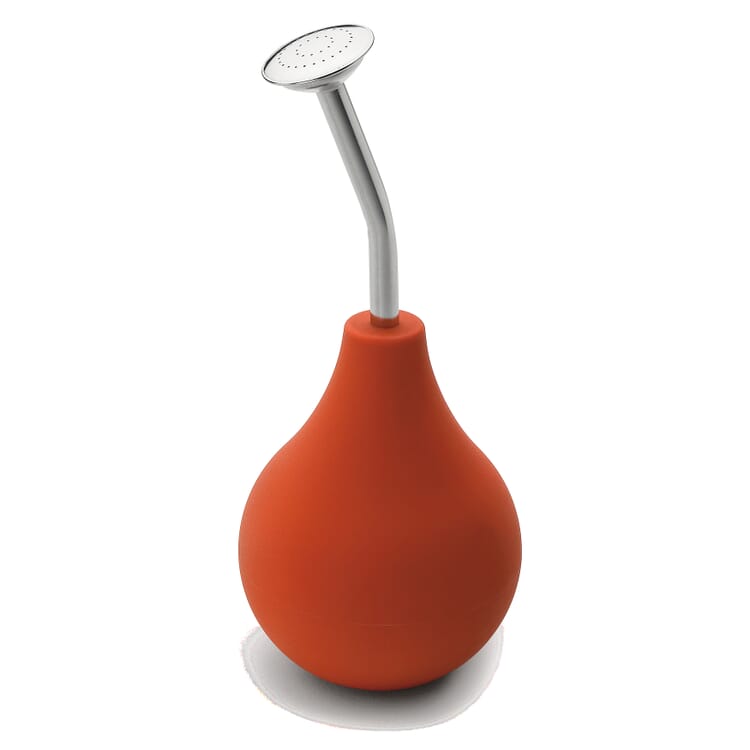
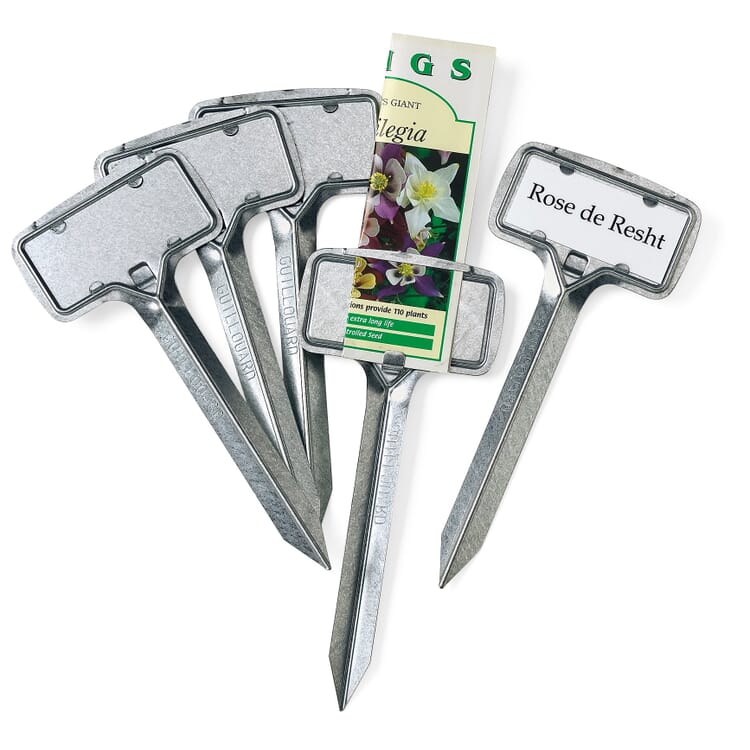
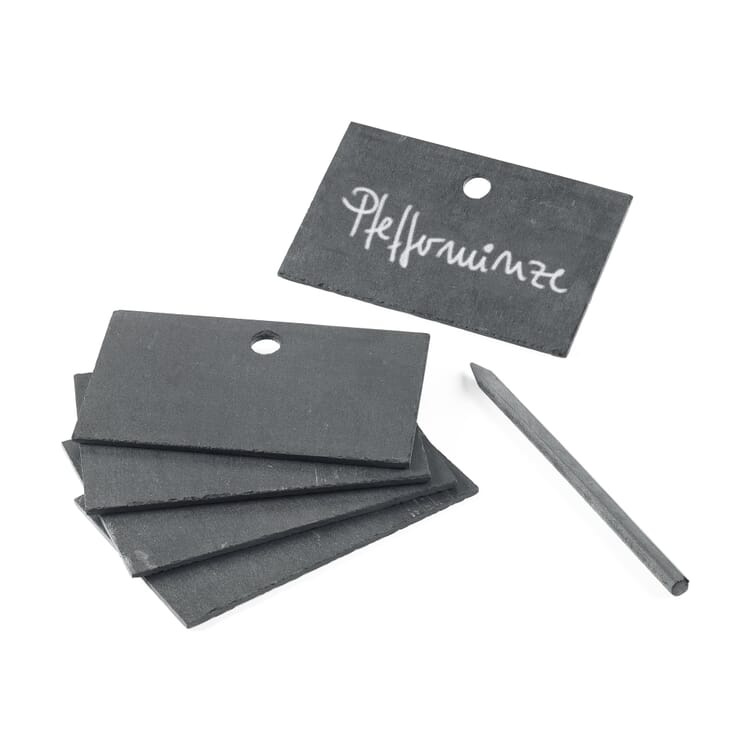
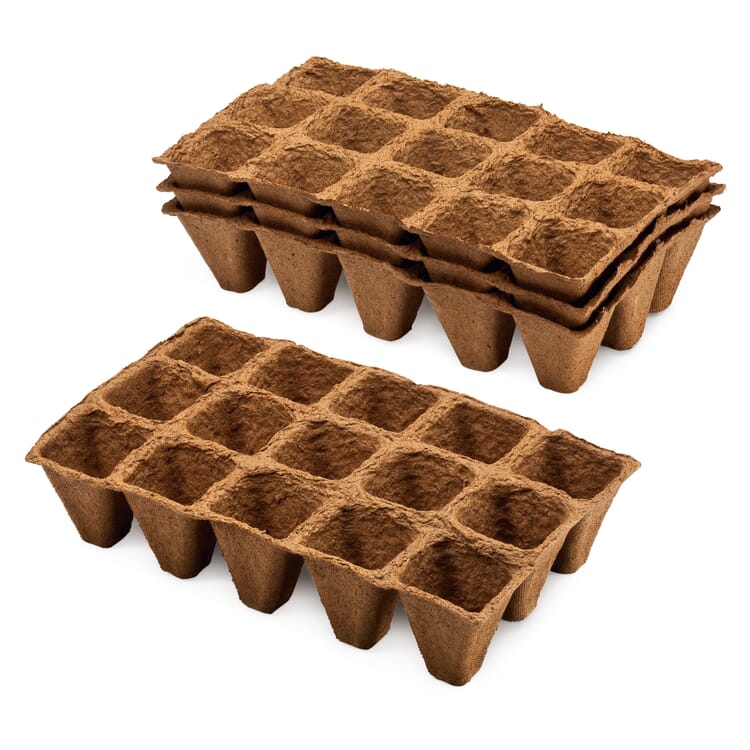
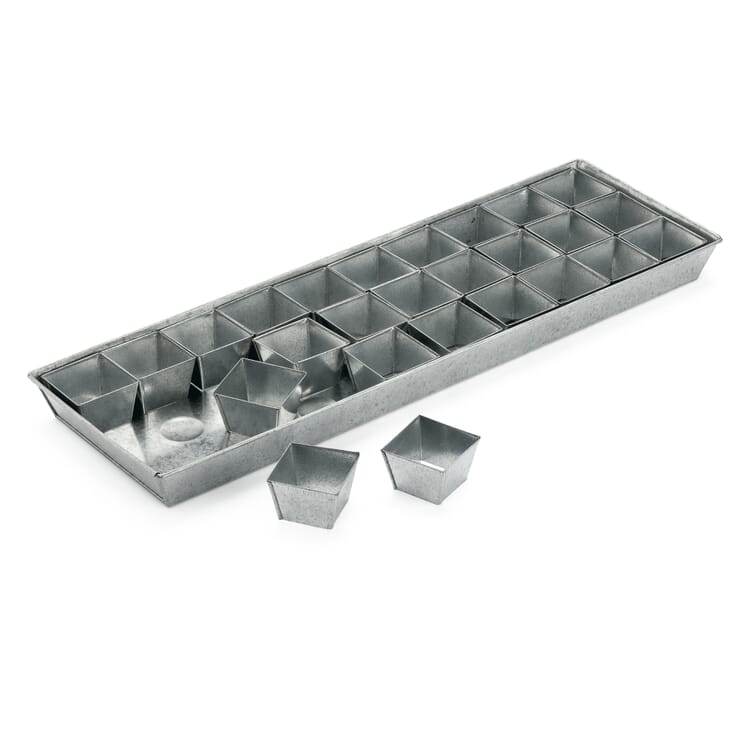
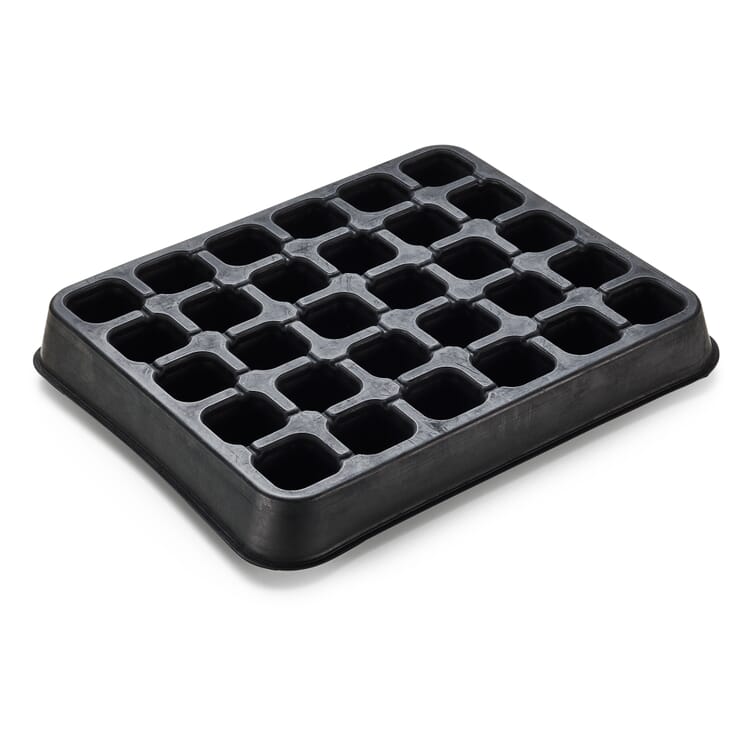
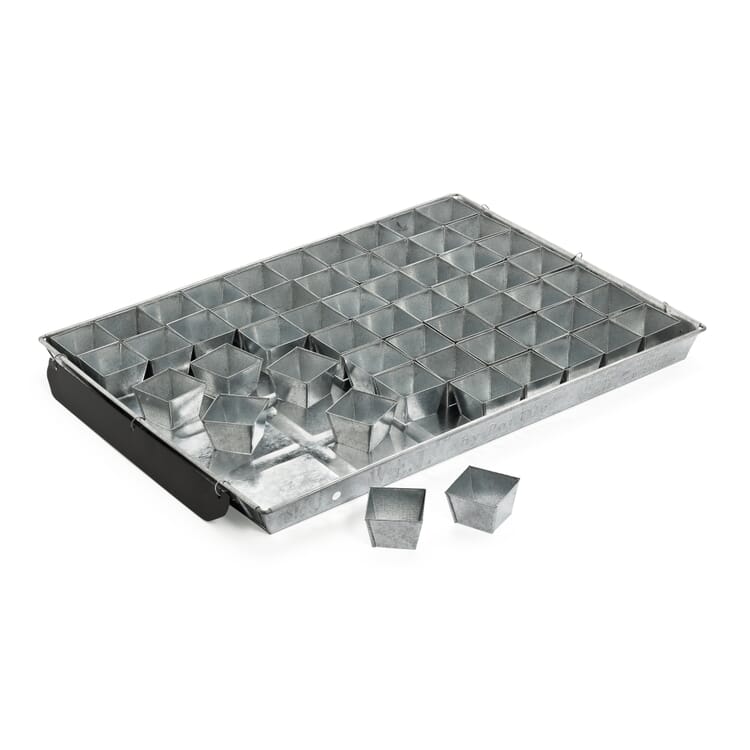
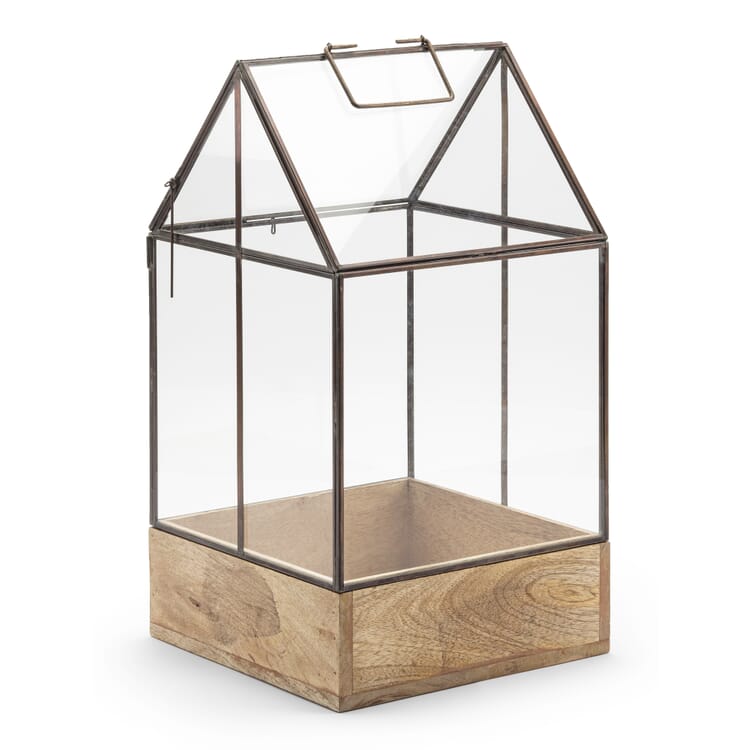
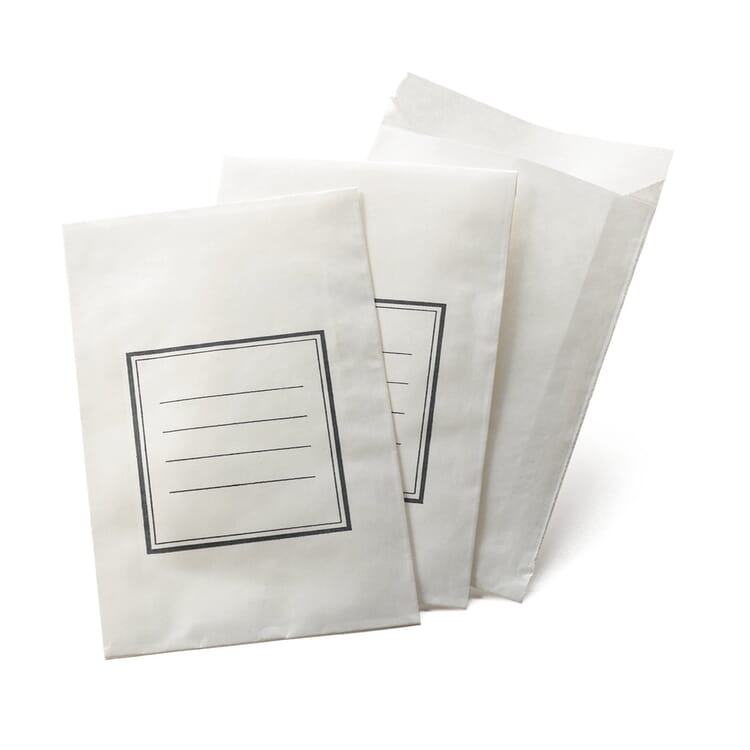
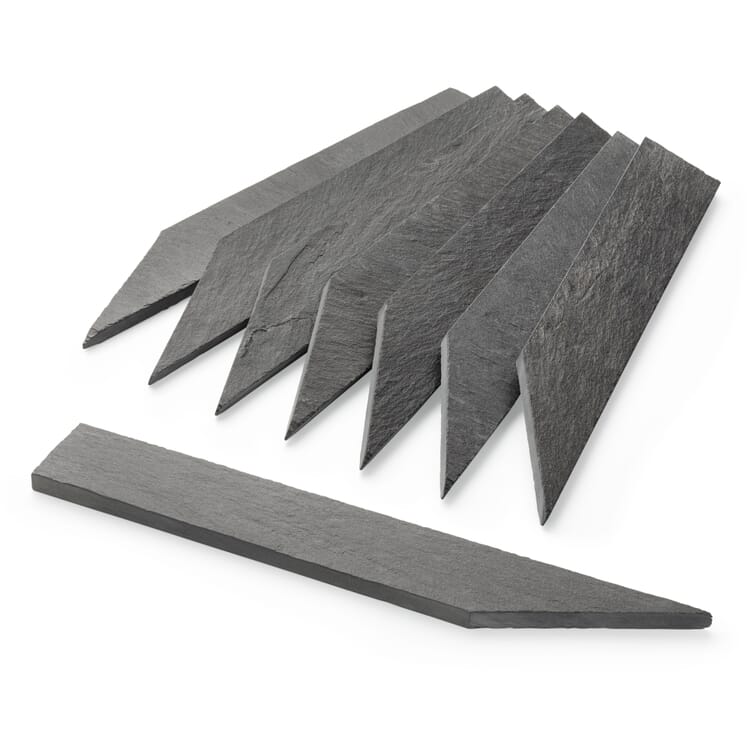
However, other factors are usually decisive for the choice of cultivation method in amateur gardening. In the spring, plant cultivation in our latitudes must take place indoors (the so-called pre-growing), and those who do not have a greenhouse, have to cope with cramped space on the windowsill. Sowing in this case has the advantage that seedlings take up less space and can be accommodated in greater numbers. In summer, plant propagation can also take place outside and herbs or balcony plants can be propagated with the help of cuttings. In addition to a greenhouse or cold frame, the necessary utensils include pricking out wood, a sieve, propagation containers and labels, as well as suitable source pots or (germ-free and low-nutrient) soil.








Potting soil. Choose alternatives to peat
When choosing a potting soil, it is important to consider one important criterion. Although in professional conventional horticulture - despite the immense disadvantages for the environment - continues to rely on peat substrates and peat swell pots, it is now easy for the amateur gardener to get good quality alternatives that work: Soils made from coconut and wood fibers, humus and compost are available, and growing utensils are made from pressed wood, paper or coconut fibers.
Matching products
















Recommended Topics

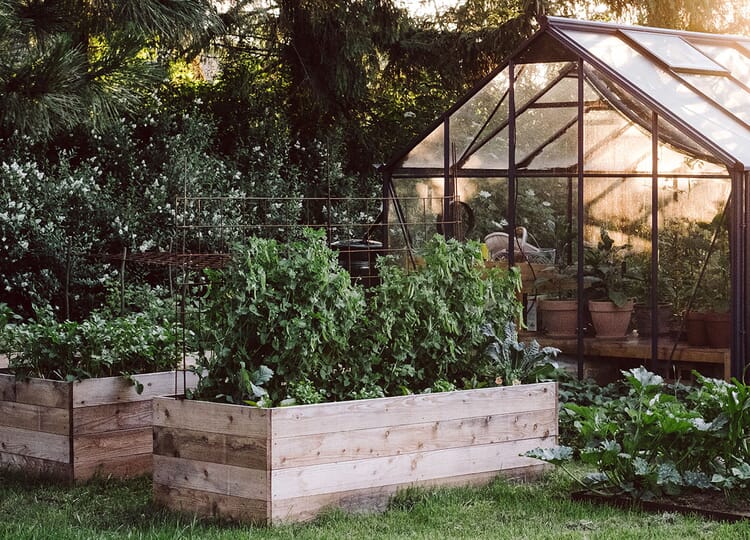
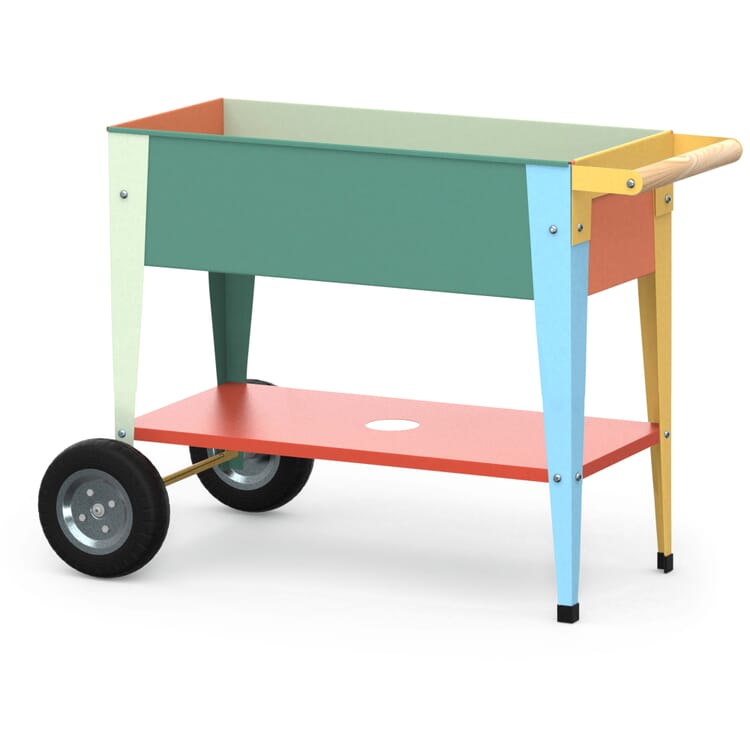
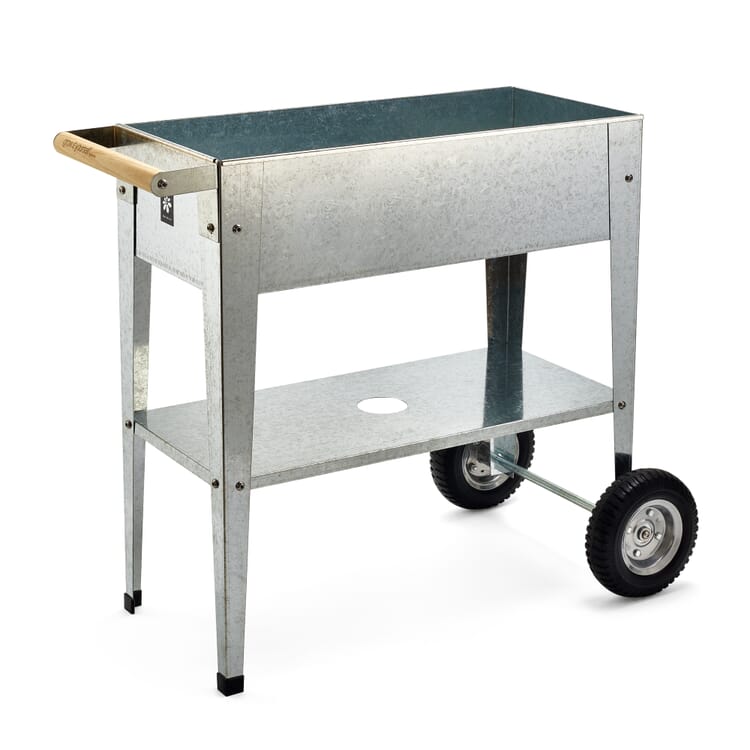
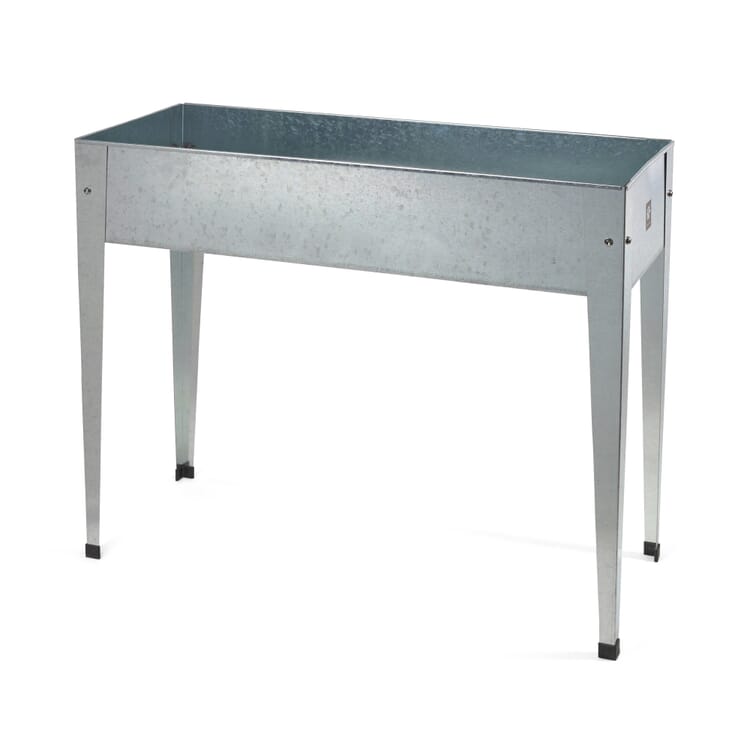
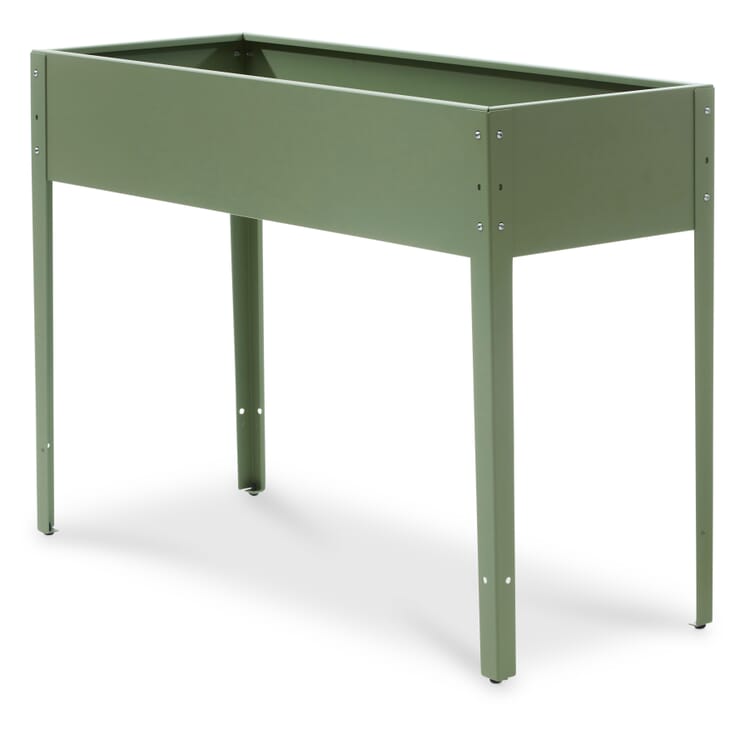
Especially when space is limited, whether on a balcony, terrace or in the garden, the old horticultural technique of the raised bed offers the possibility of intensifying gardening in a natural way and multiplying the harvest without adding additional fertilizer ...
View more
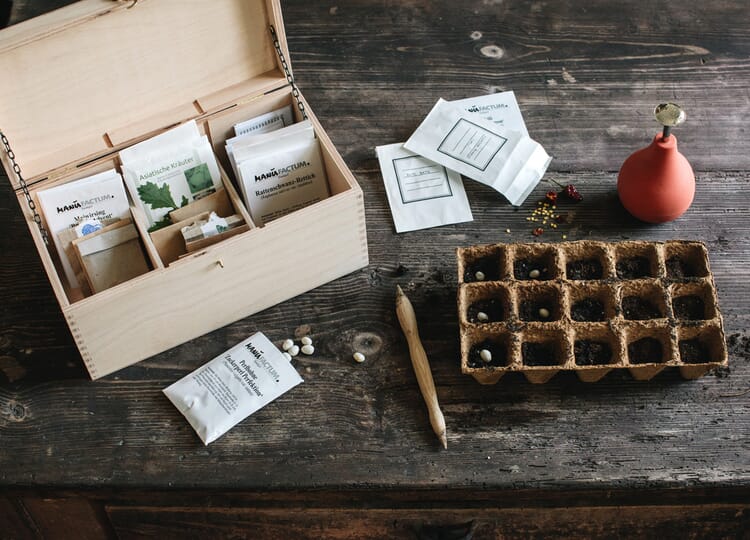
In the early spring sowing and pre-growing vegetable plants herald the new garden year. For both, we have gathered on this page some useful tools - along with a selection of seeds of rare tomato varieties, so you can start gardening right away and harvest earlier this year.
View more