Advisor
Make soap yourself. With natural ingredients


Classic soaps are currently experiencing a real renaissance. If you want to consume with as little packaging as possible, reach for a bar of soap. Solid soaps are economical to use, do not require preservatives due to their low water content and can be packaged without plastic. So it's no wonder that bars of soap are particularly popular in the age of sustainability. When it comes to production, it is not only the long-established soap factories that rely on centuries-old craftsmanship and traditional recipes, but the new manufacturers are also turning to the tried and tested. Because good things are often so close at hand.
Sustainably clean. Our recipe for your personal bar of soap
You want to try your hand and discover the magic of soap making for yourself? It doesn't take much at all: high-quality ingredients, a little flair and a good dose of love. We'll tell you how you can easily create your own delicately scented bars of soap based on good old bar soap. And since our recipe uses no chemicals at all, even the little ones can get in on the fun. Creatively packaged in stylish paper or in a homemade cardboard box, the soaps make a successful hostess gift. It hardly gets any more sustainable than this.

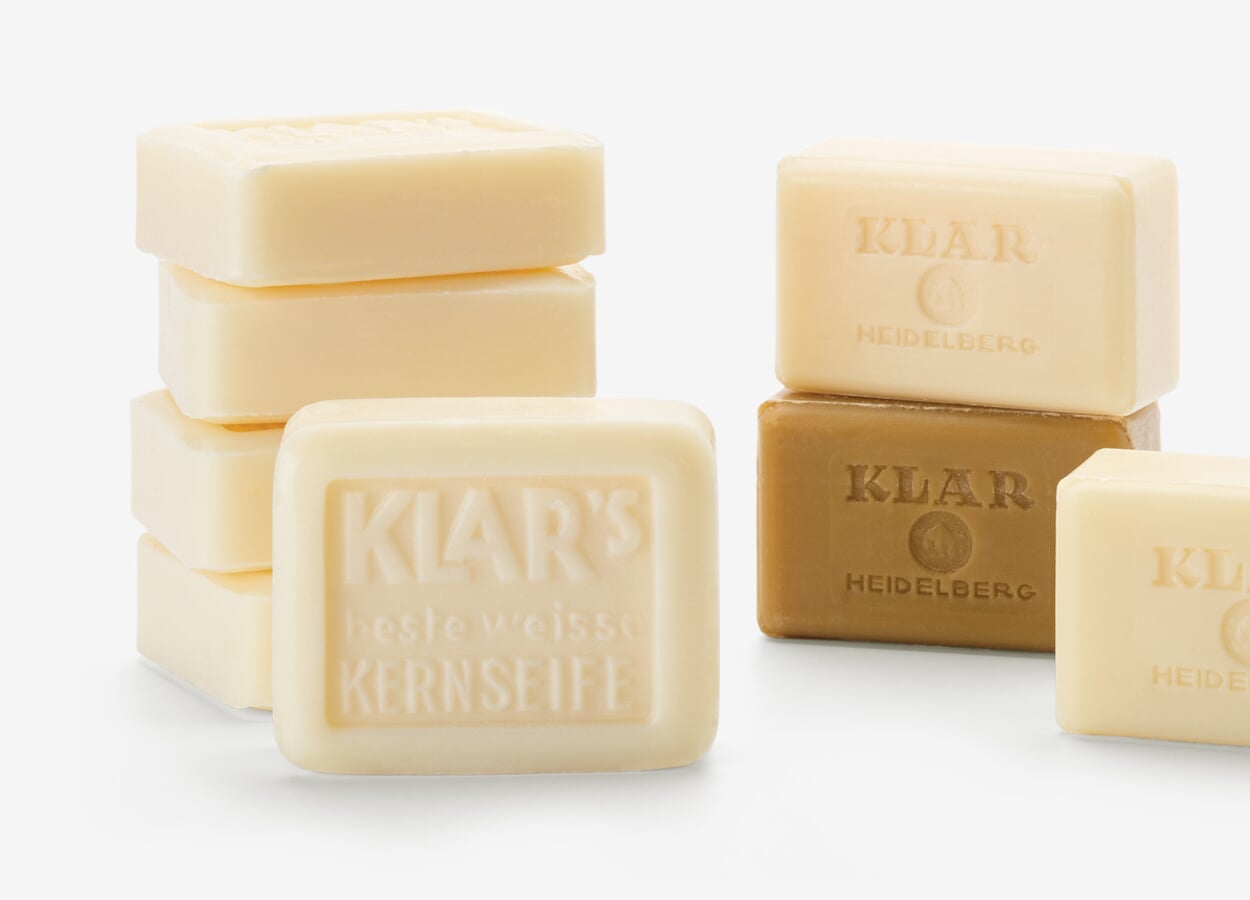
Ingredients
- 100 g curd soap (alternatively, soap scraps or soap flakes)
- A little boiled water
- 20 g coconut, almond, or sesame oil
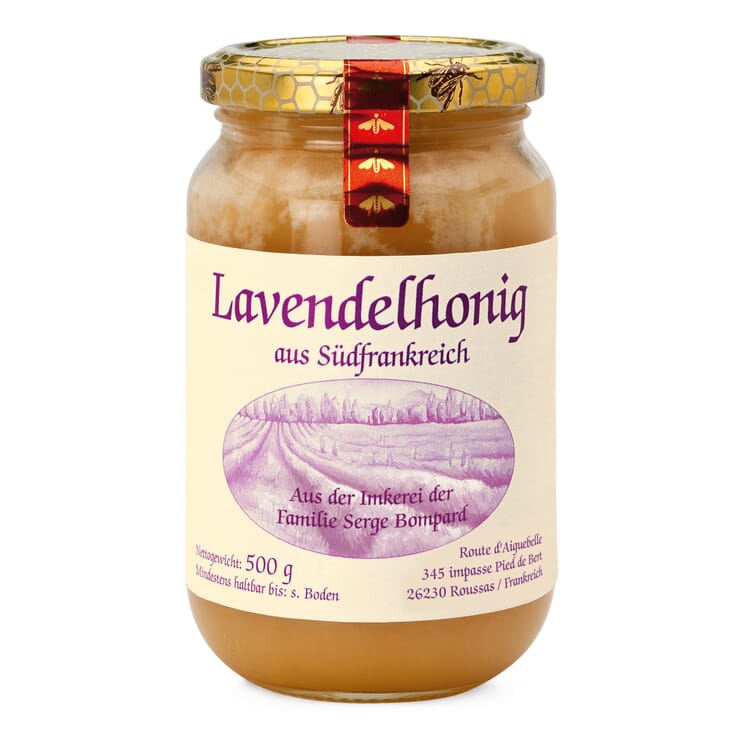
- 1 tsp honey (optional)
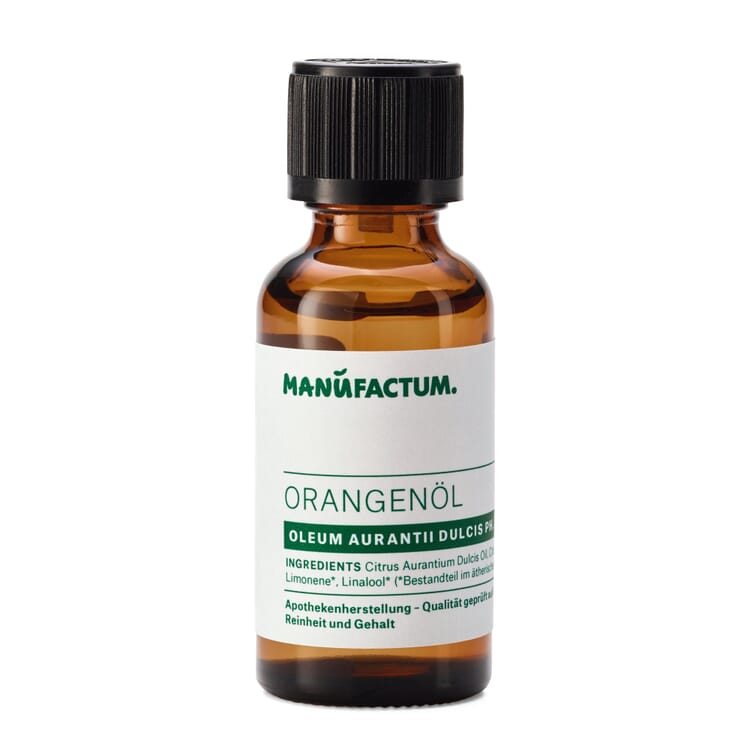
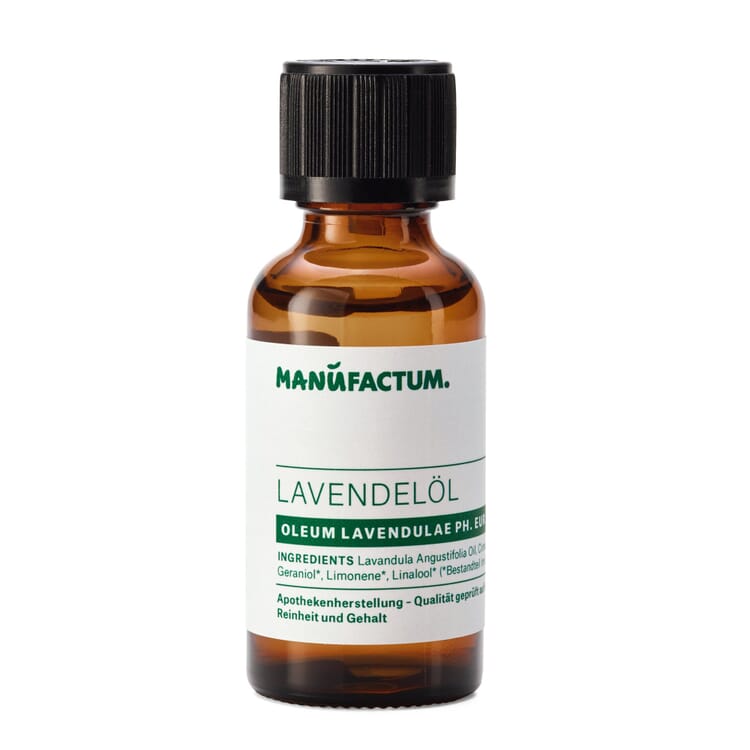
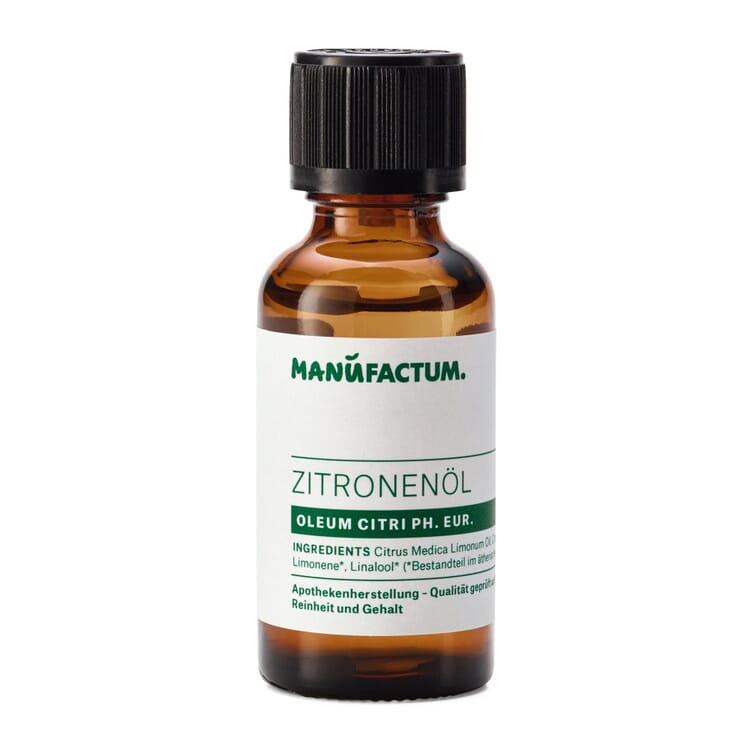
- Essential oils such as orange, lavender, or Swiss stone pine oil (optional)
- Ground coffee or coarse sea salt (optional)
- Dried lavender flowers, zest from an organic orange or lemon (optional)






Step by step to the bar of soap
- It’s best to finely grate the soap using a kitchen grater and melt it over low heat—either directly in the pot or in a double boiler—while stirring and adding a little water, until the mixture has a creamy, buttery consistency. This may take some time, so be patient.
- Once the soap has melted, you can add the nourishing ingredients and, if desired, a few drops of fragrance oil. Whisk the mixture vigorously with a hand blender or mixer. This gives the soap a particularly creamy texture.
- If you’d like to create a gentle exfoliating effect, add some ground coffee or coarse sea salt.
- Your bar of soap will turn out especially pretty and delicately scented if you add lavender flowers or grated, dried orange or lemon peel.
- Next, pour the thick mixture into a mold. As an alternative to special soap molds, you can use empty and sterilized cream cheese containers, yogurt cups, or milk cartons (cut lengthwise).
- Now let the soap harden in a cool place. If the soap doesn’t come out of the mold easily afterward, place it in the freezer for a few hours. Then take it out and let it sit for a short while. This makes it easier to remove the soap from the mold.
- If you like, you can cut the soap bars into pieces with a knife or use cookie cutters to shape them into stars, moons, hearts, and more. But don’t forget to clean the molds thoroughly before you start your Christmas baking. Otherwise, you’ll end up with sour faces at the holiday celebration.
- Now the soap should cure in an airy, dark, and cool place for about three to four weeks. And your bar of soap is ready.

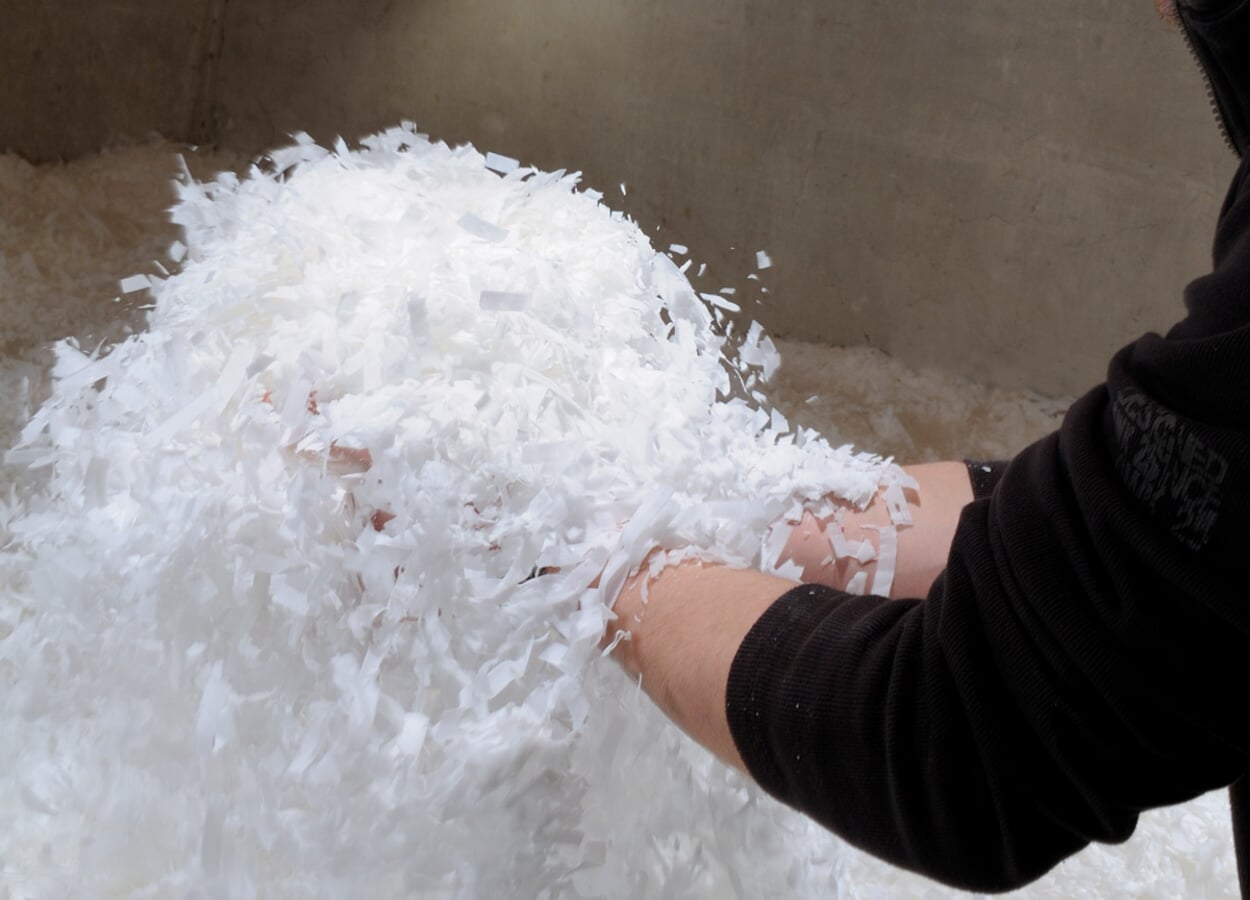
If you plane the soap very finely, it melts all the better in the water bath.

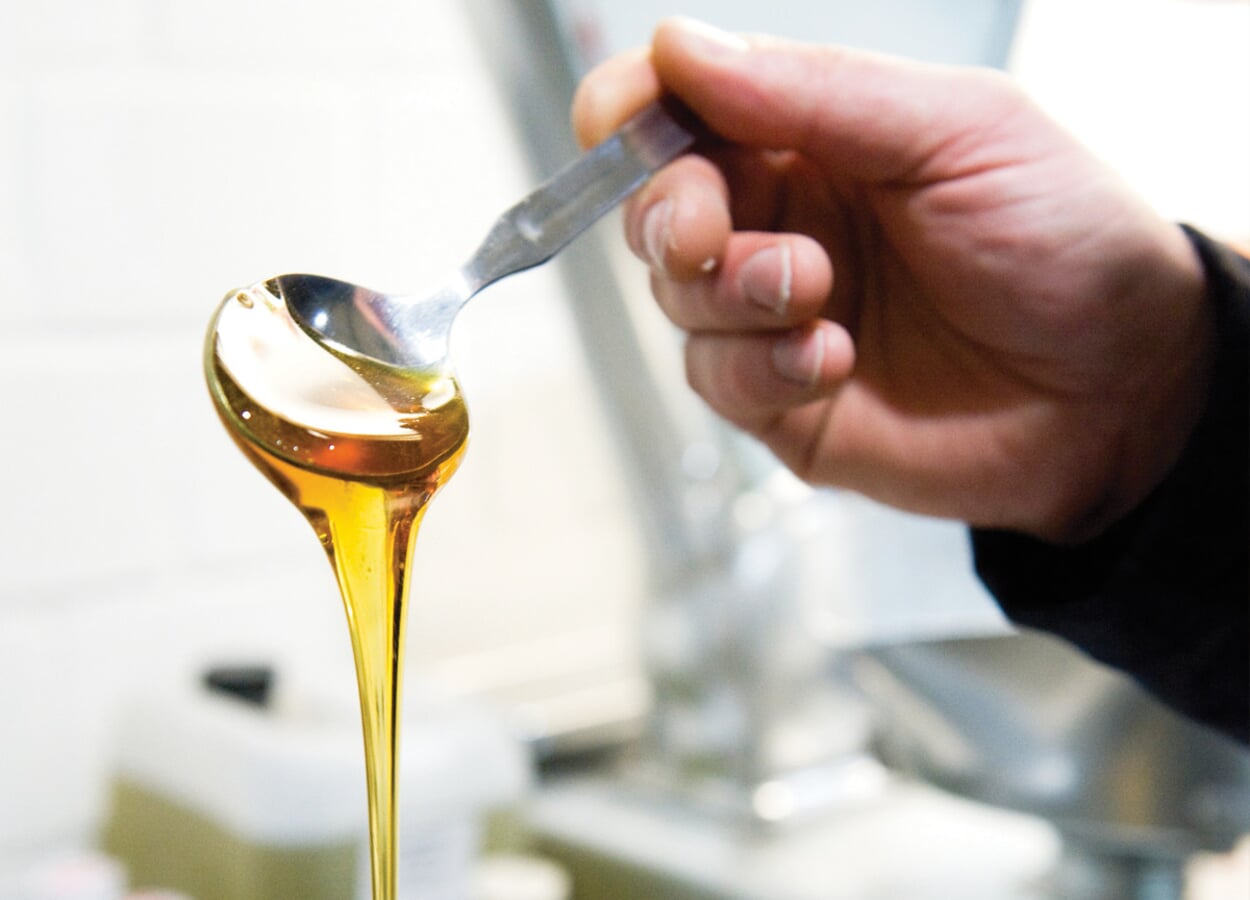
A little honey as an addition nourishes the skin and gives the soap a fine fragrance.

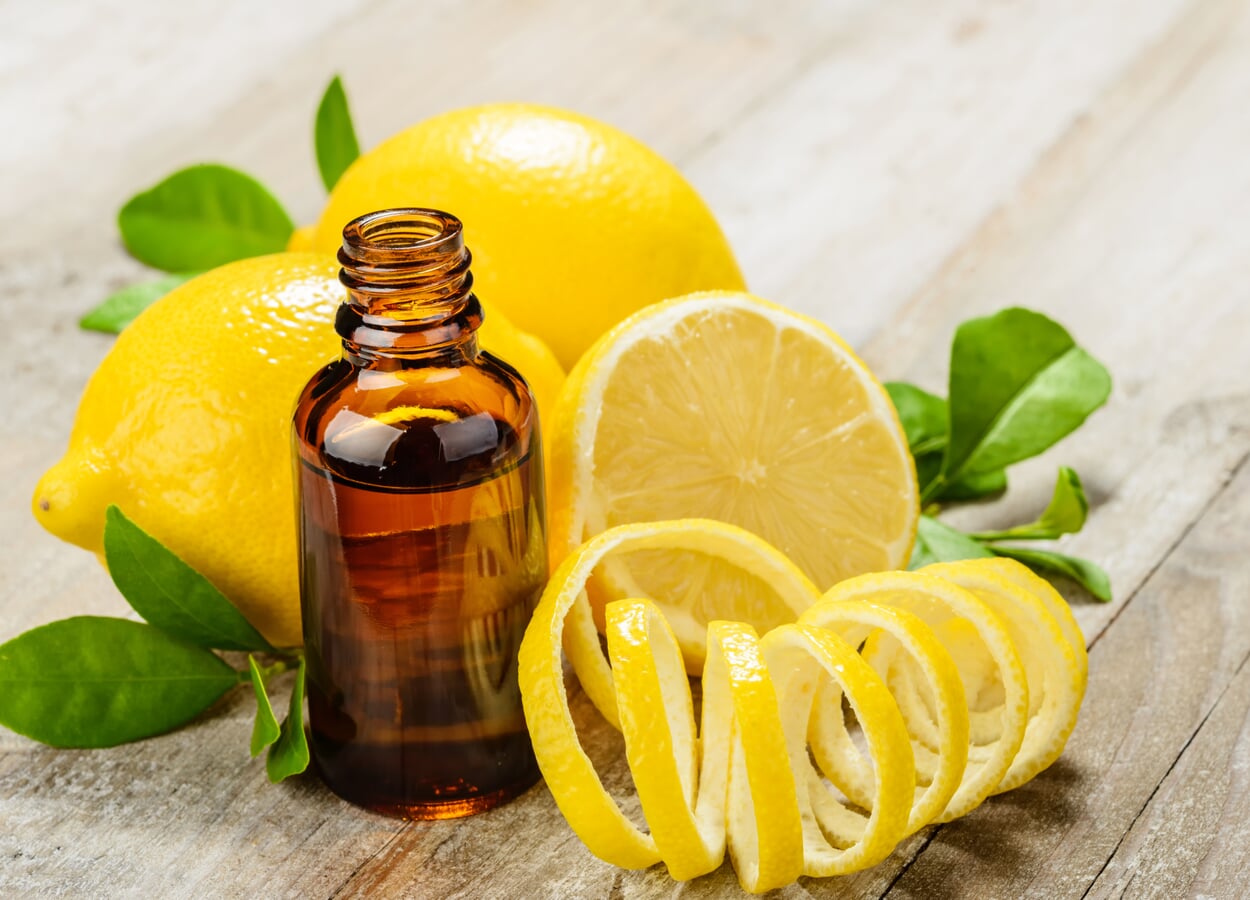
With pure essential oils, as we offer them, already one to two drops provide the characteristic note.
Soaps at Manufactum
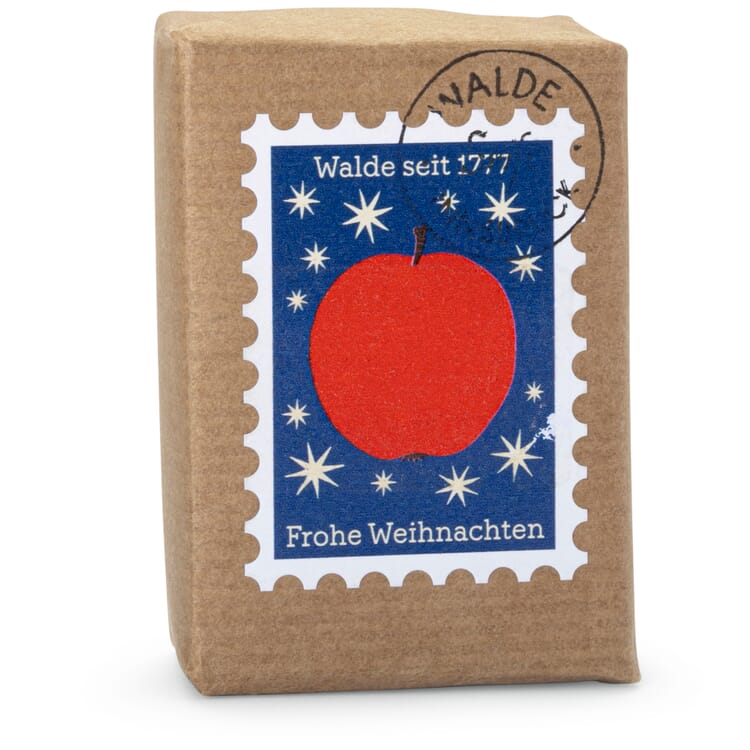
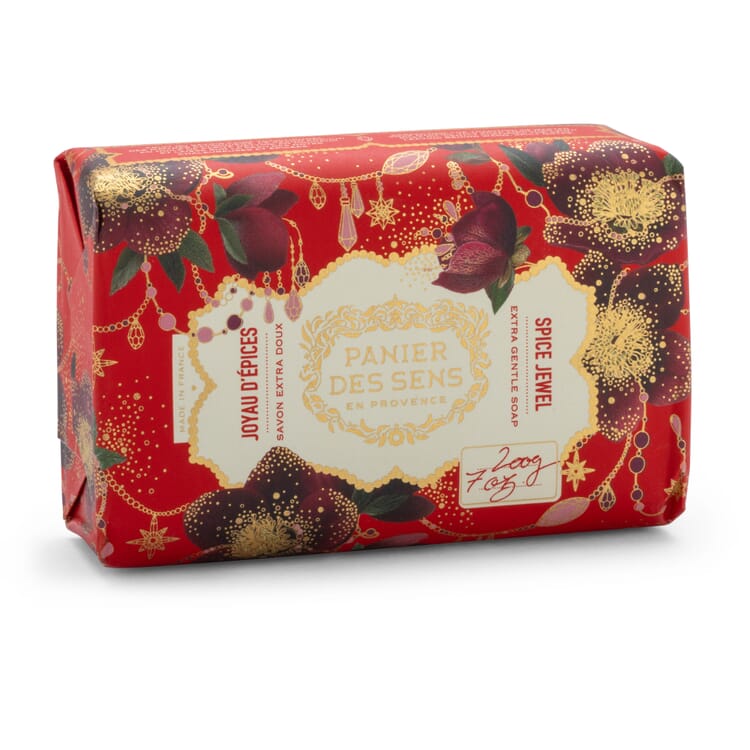
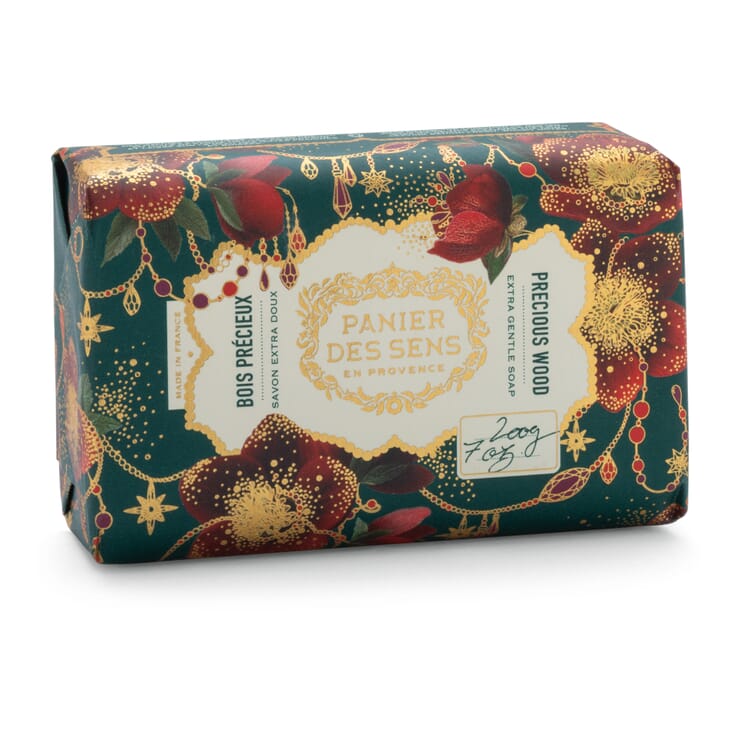
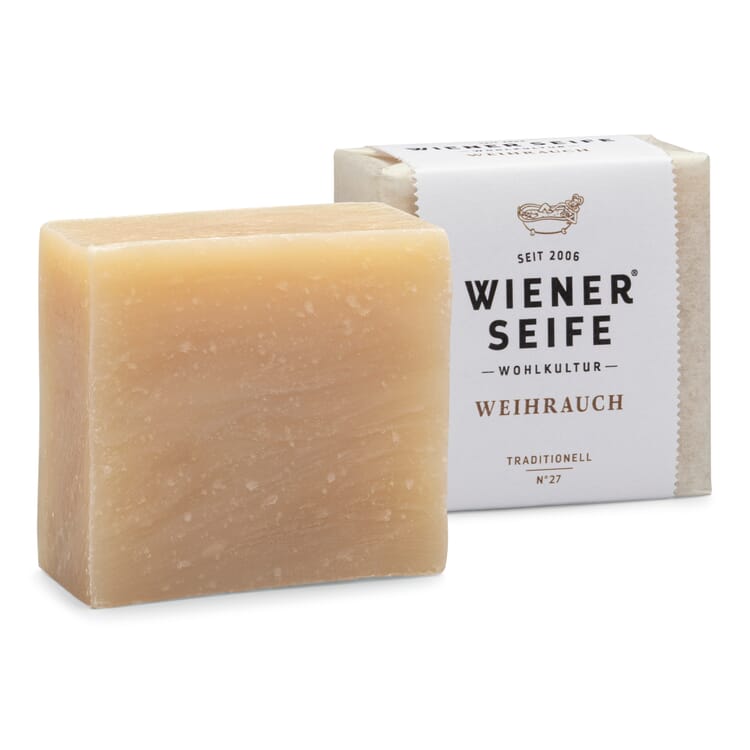
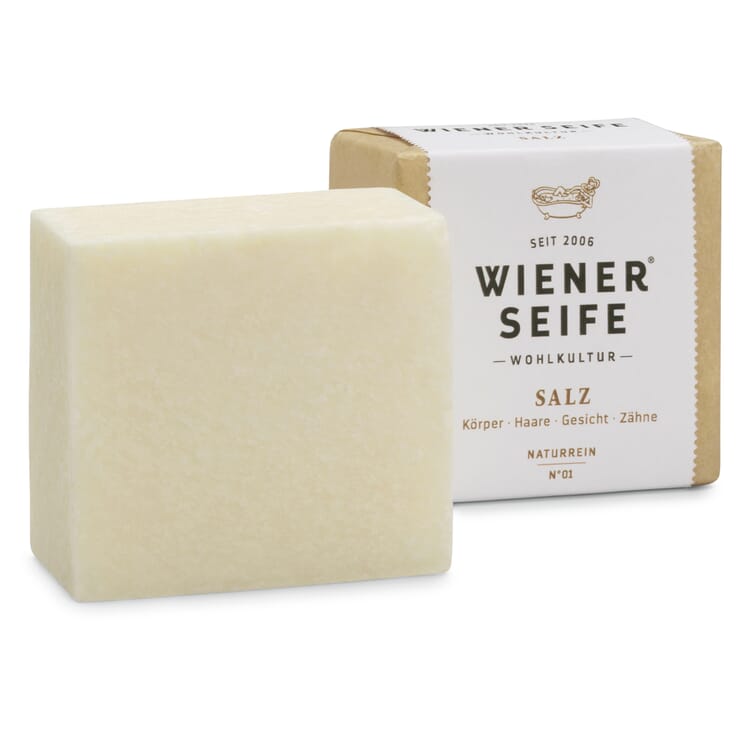
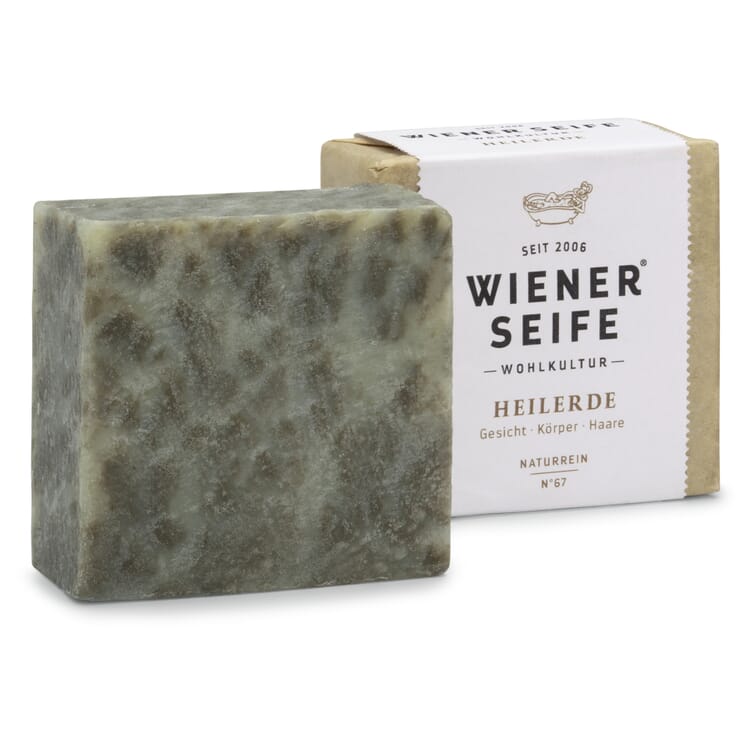
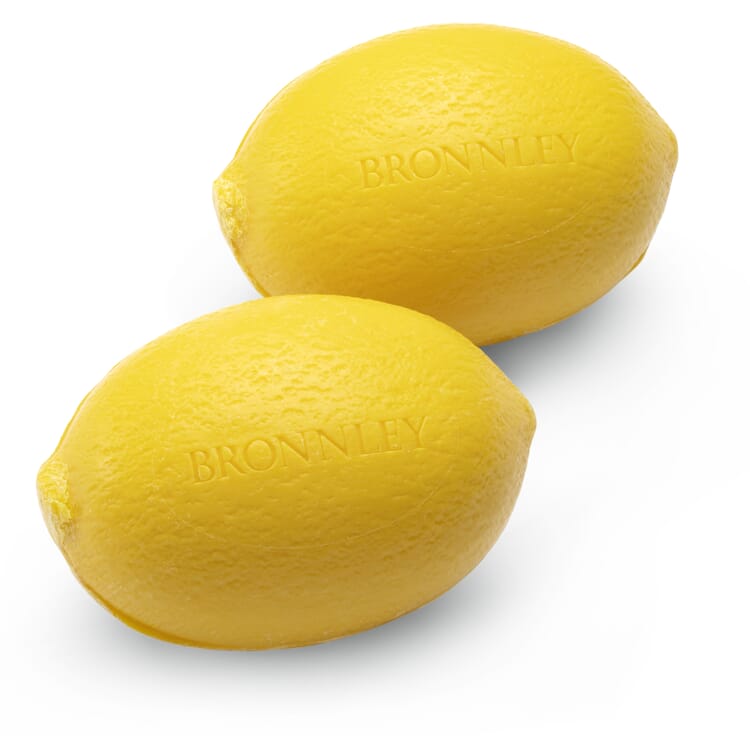
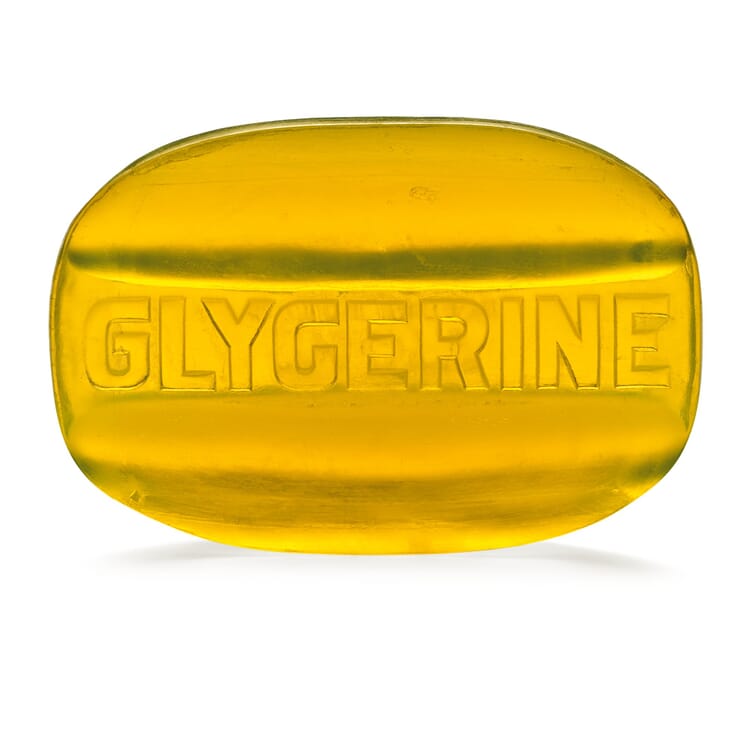
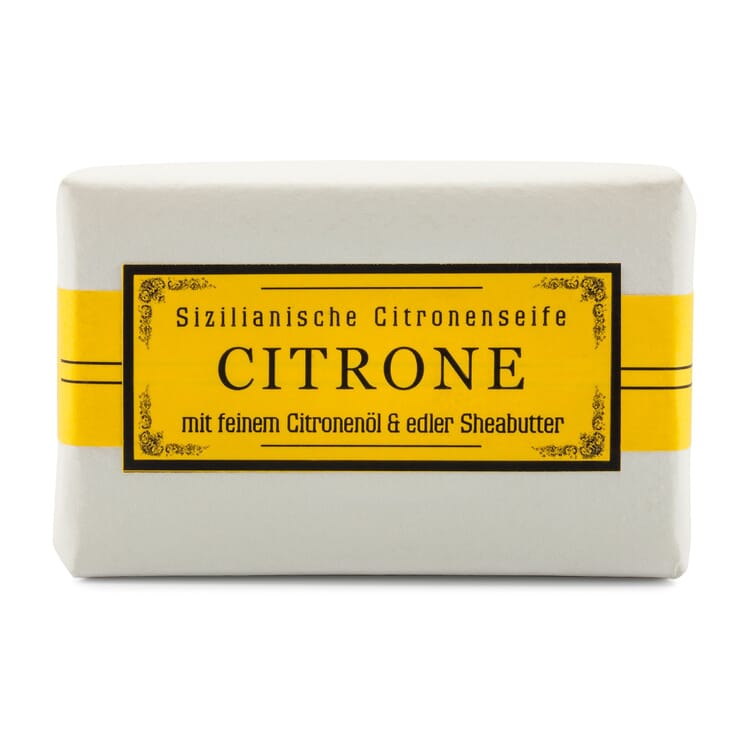
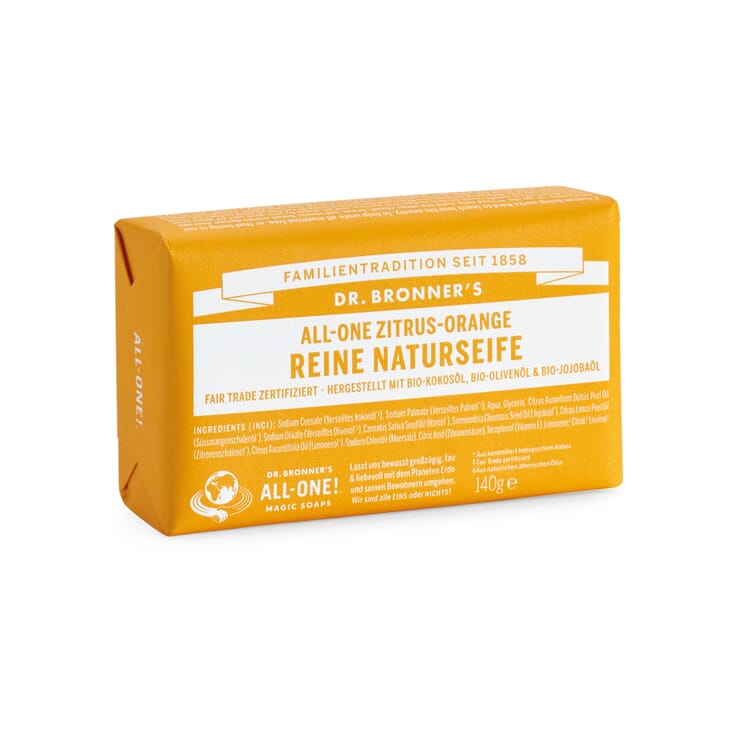
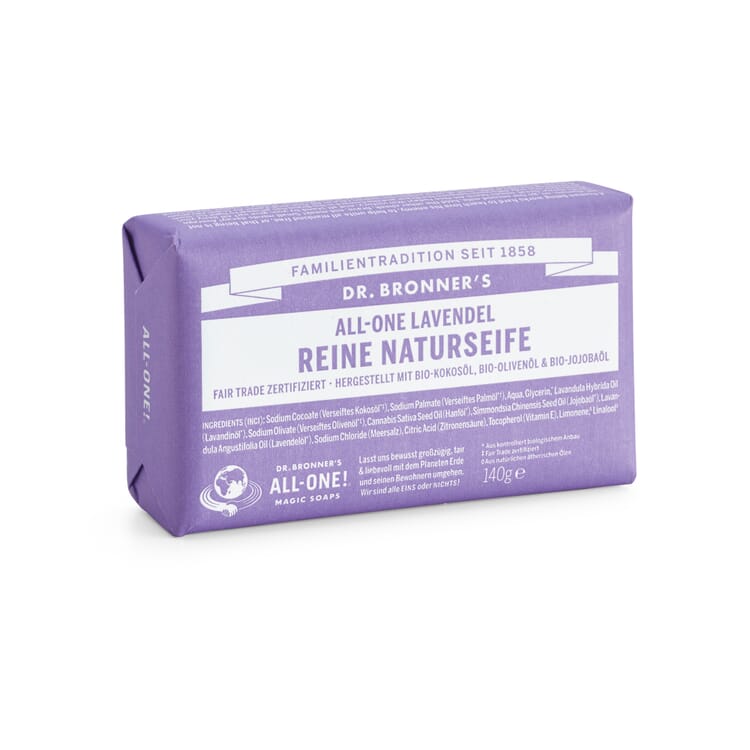
Our soaps come from small manufactories where the soaps are made according to ancestral methods and recipes with great care and attention to detail. They gently cleanse and are made in the majority on the basis of olive or coconut oil, enriched with nourishing ingredients such as shea butter, almond or argan oil, goat or camel milk. They are characterized by a pleasant fragrance, which they owe to high-quality essential oils or ingredients such as honey and royal jelly. And for sensitive or allergy-prone skin, we also offer plant soaps entirely without fragrances.























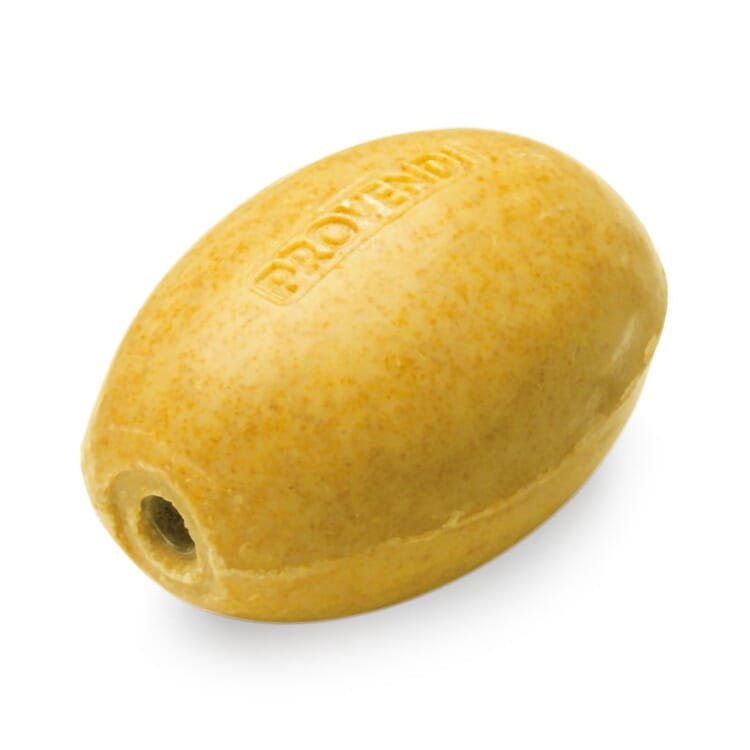
Recommended Topics

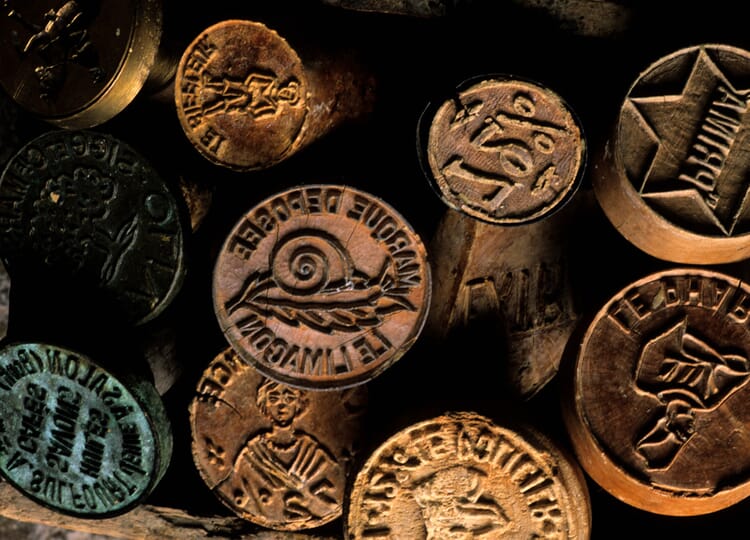
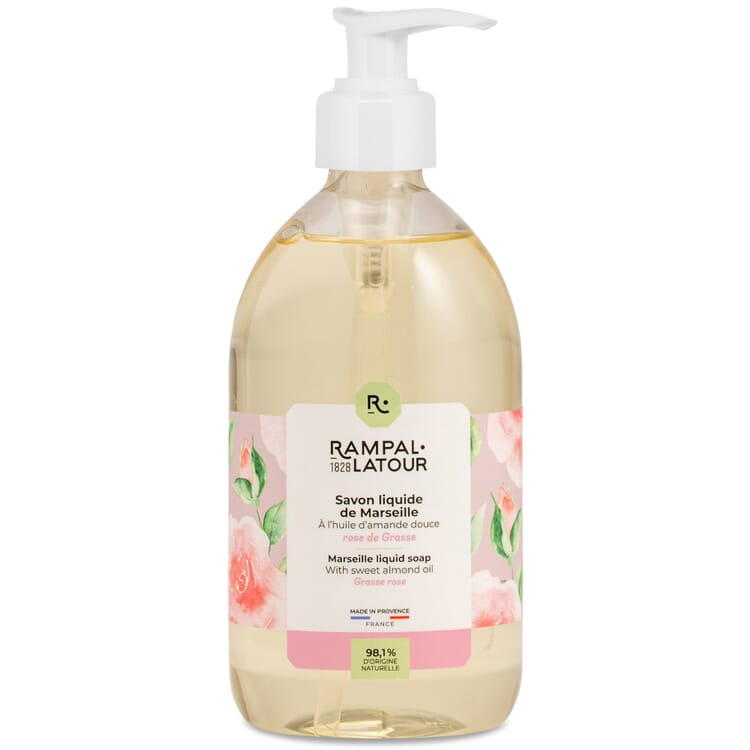
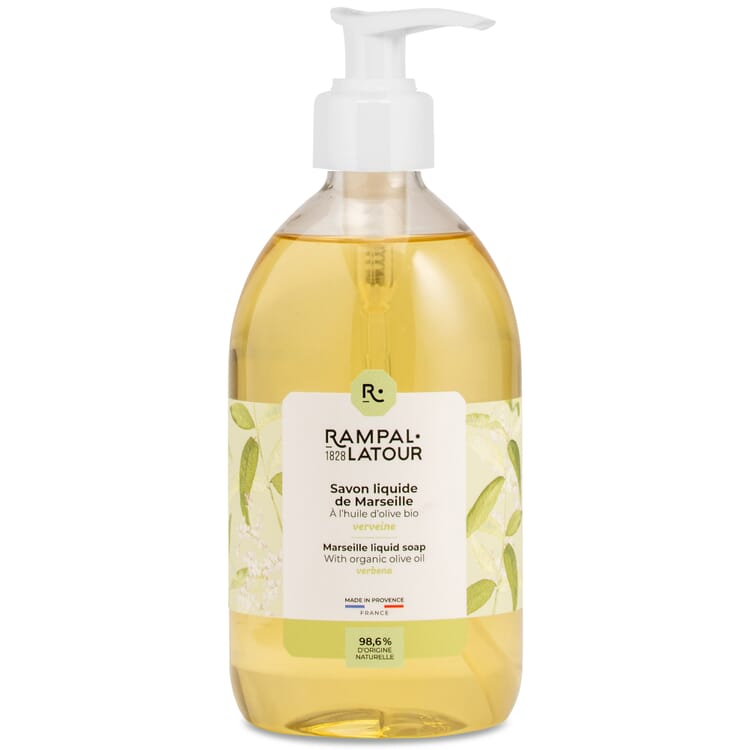
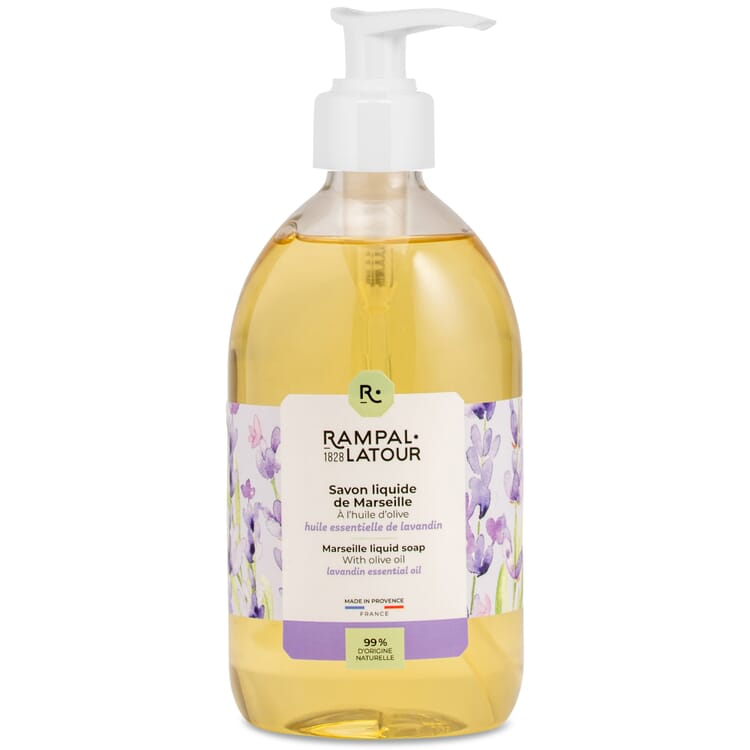
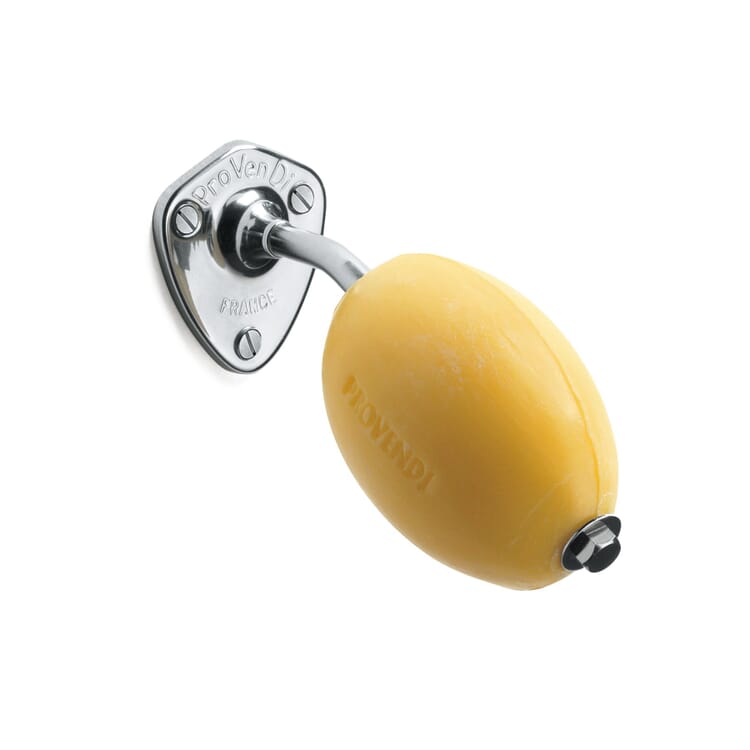
Soap manufacturers are not few - but those where a long company tradition coincides with superior manufacturing and product quality are very rare. In the whole of Provence, there are only three truly old soapmaking companies. The oldest of these is the Rampal company, which has been producing soaps according to an unchanged recipe since 1828.
View more
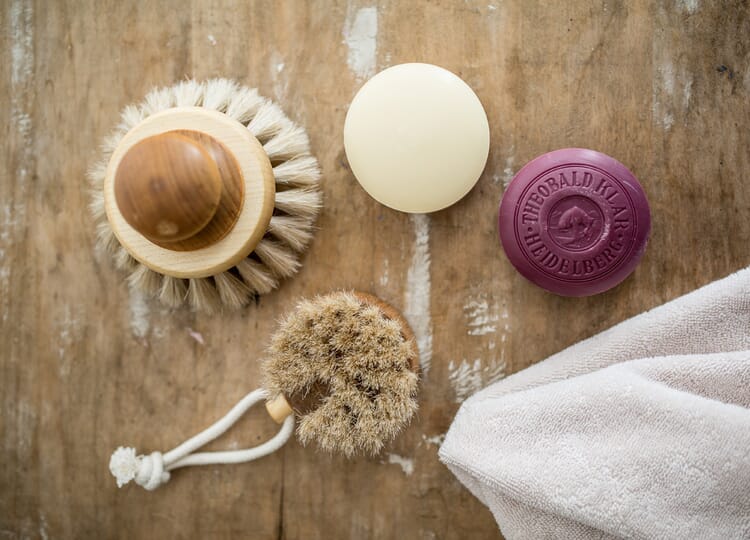
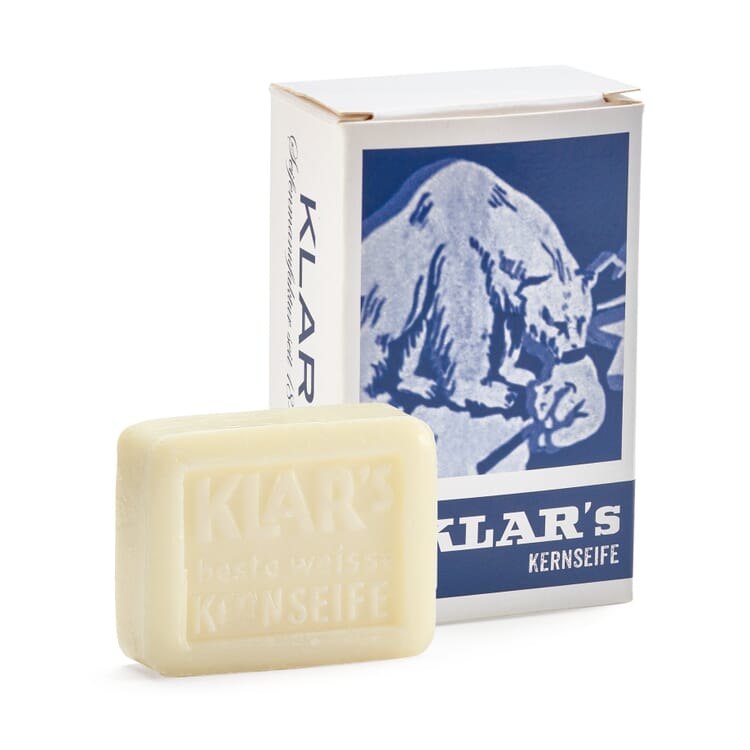
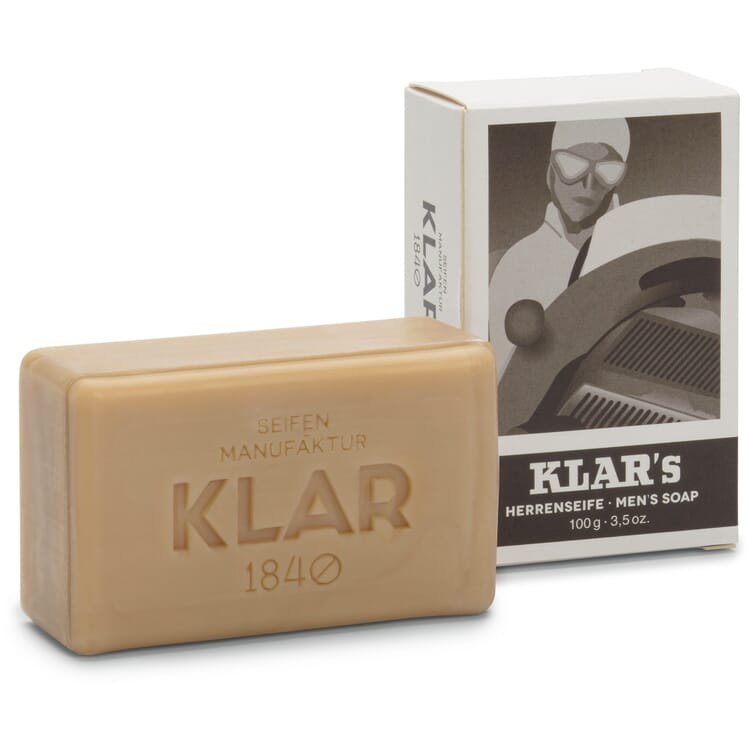
Klar has 250 to 300 soaps in its range, and they are produced both in large quantities and in very small batches, according to traditional or new recipes. In the case of the latter, the soap is mixed, rolled and dried until it is perfect - in the traditional Heidelberg manufactory, quality comes first, not quantity. Fascinated by this tradition-conscious, artisanal production and the history of the company founded by Philipp Klar in 1840, Jan Heipcke finally took it over completely in 2019.
View more