Plant pots


A terrace is not a bed, a balcony usually offers only a few square meters, a room is not a greenhouse. And yet all these spaces can be used much more flexibly for gardening than it might at first seem: with the help of plant pots. Putting plants in containers not only makes it possible to keep them in the apartment, on the terrace or the balcony. Plant pots are also useful in the garden, because they can be used to create specific conditions that would not be found in a bed. Plants with special requirements can also be kept in pots - or non-hardy exotics. Because potted plants are transportable and can be moved to a sheltered place, especially in winter.

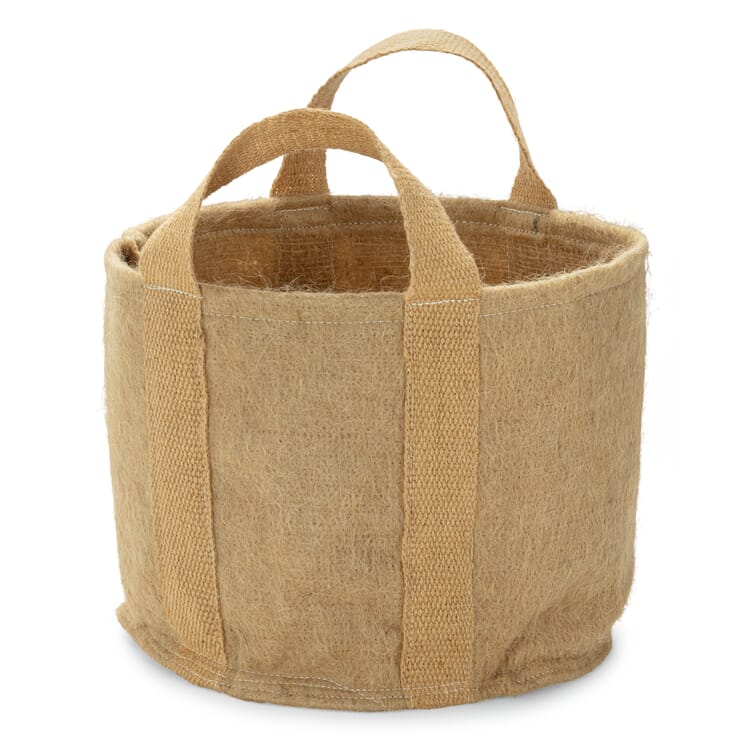

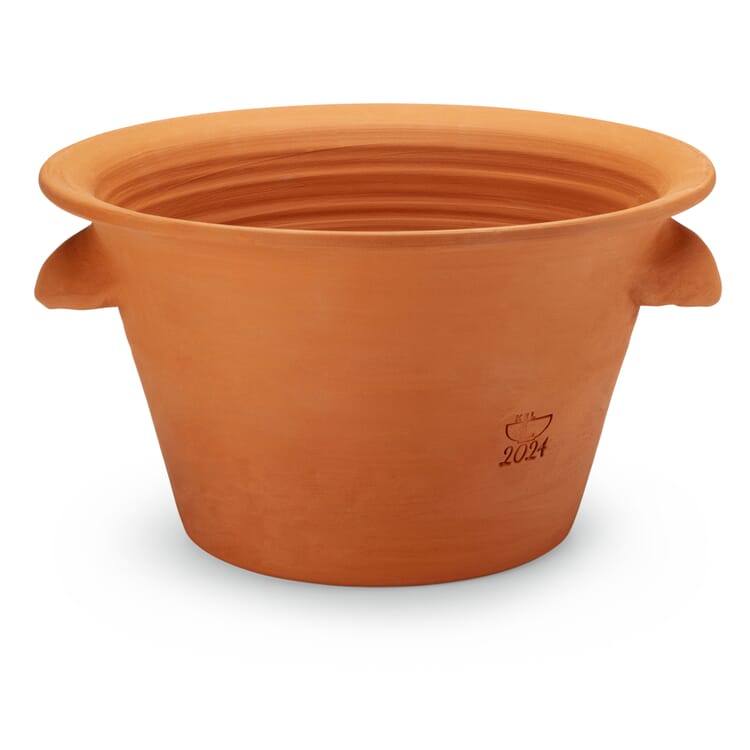

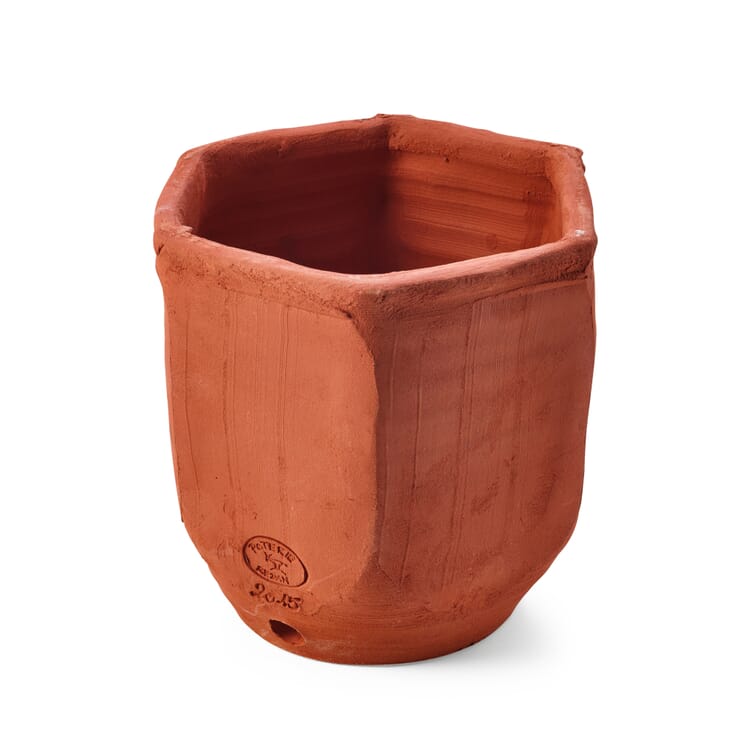

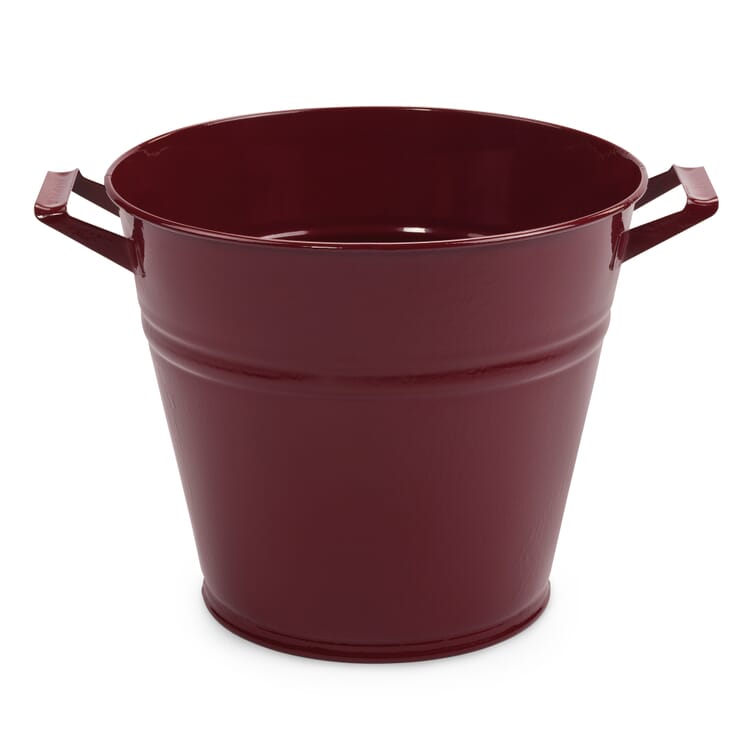
Narrow and high or wide and flat? The perfect plant pot
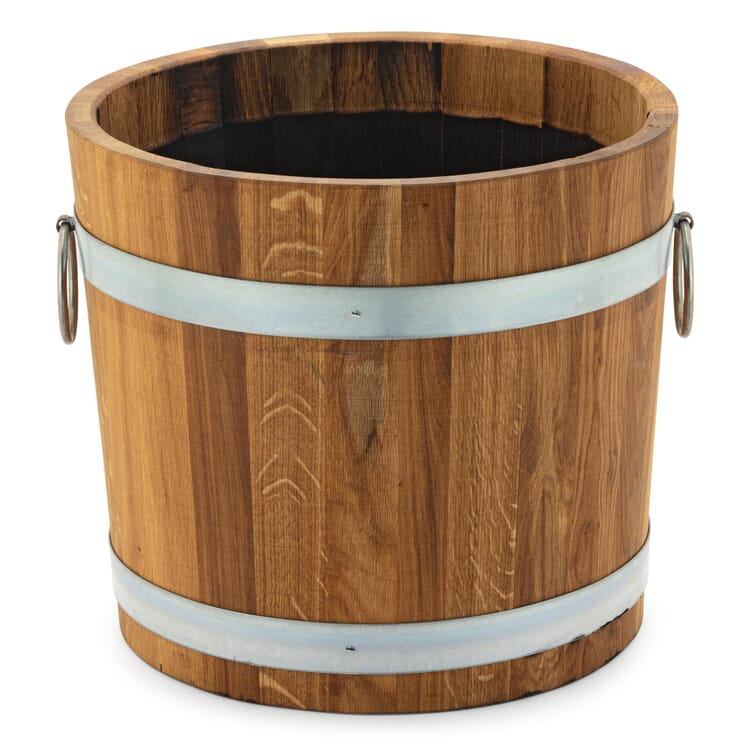
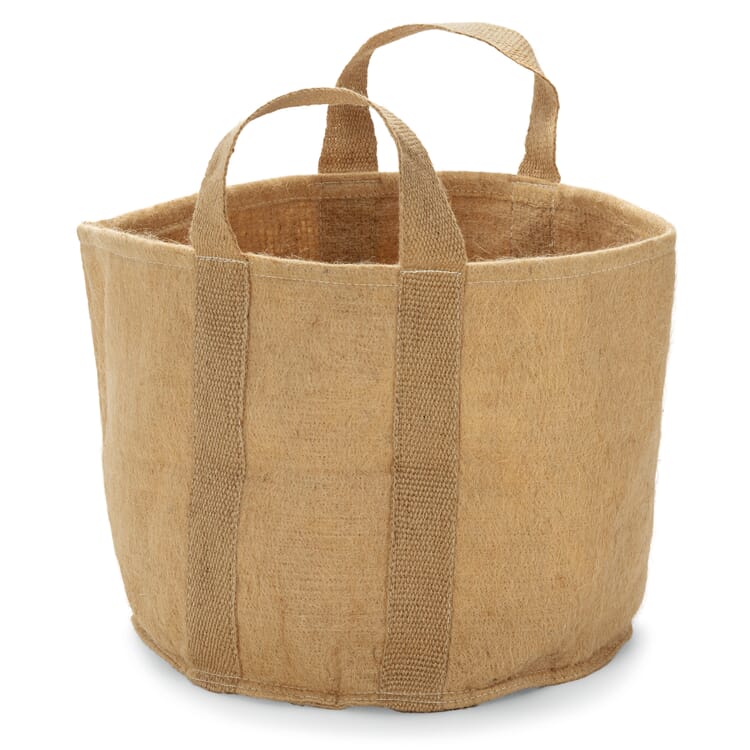
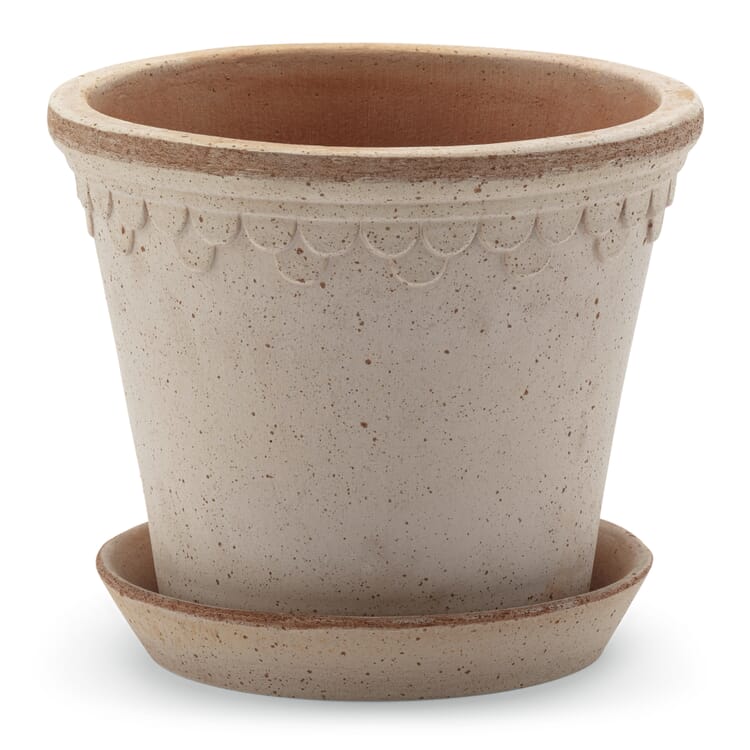
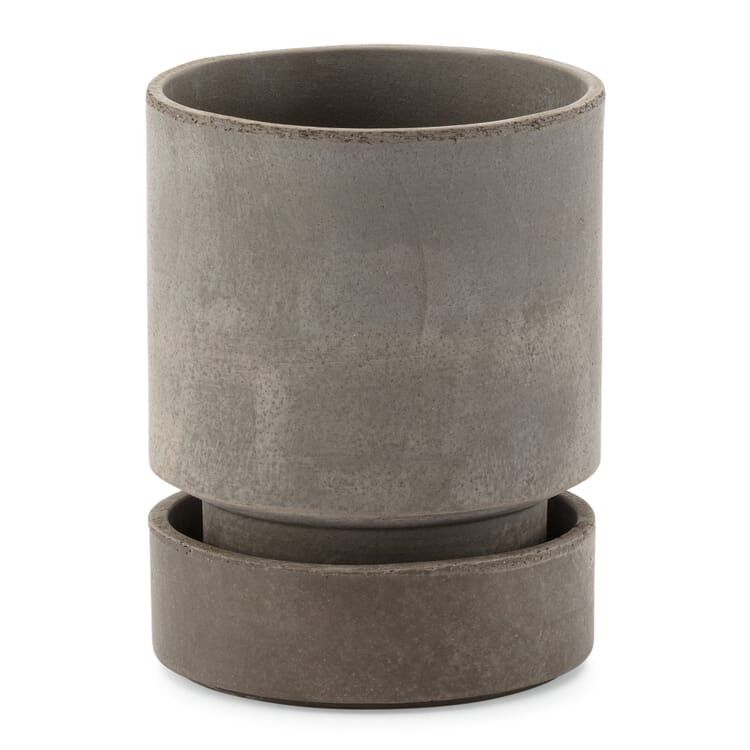
Properly planting in pots and planters starts with choosing the right container: It should be the right size and take the plant’s growth habits into account.
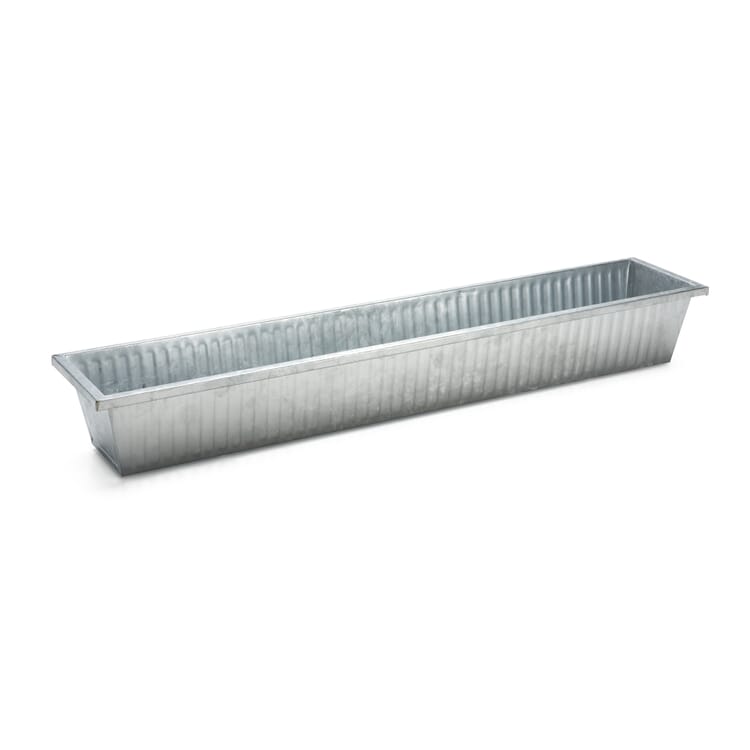
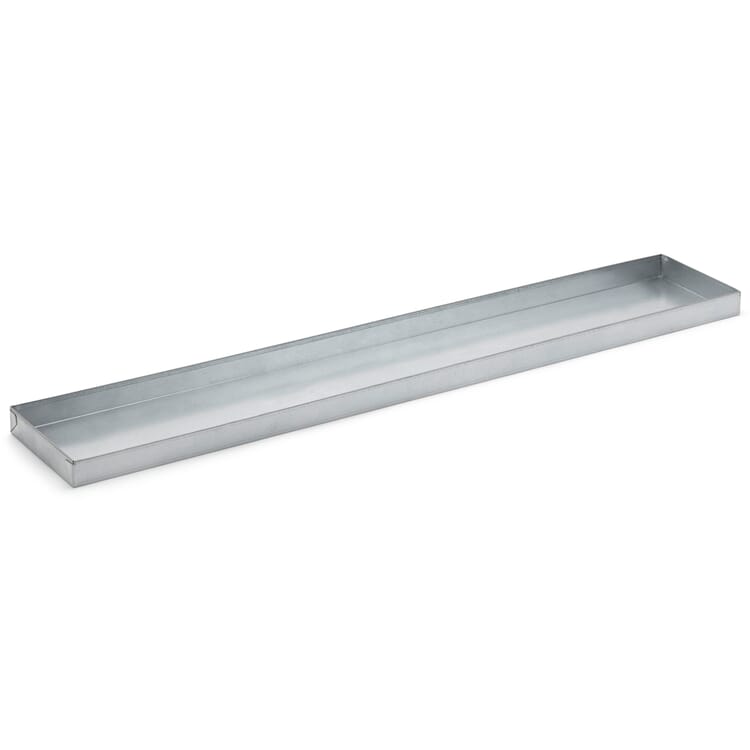
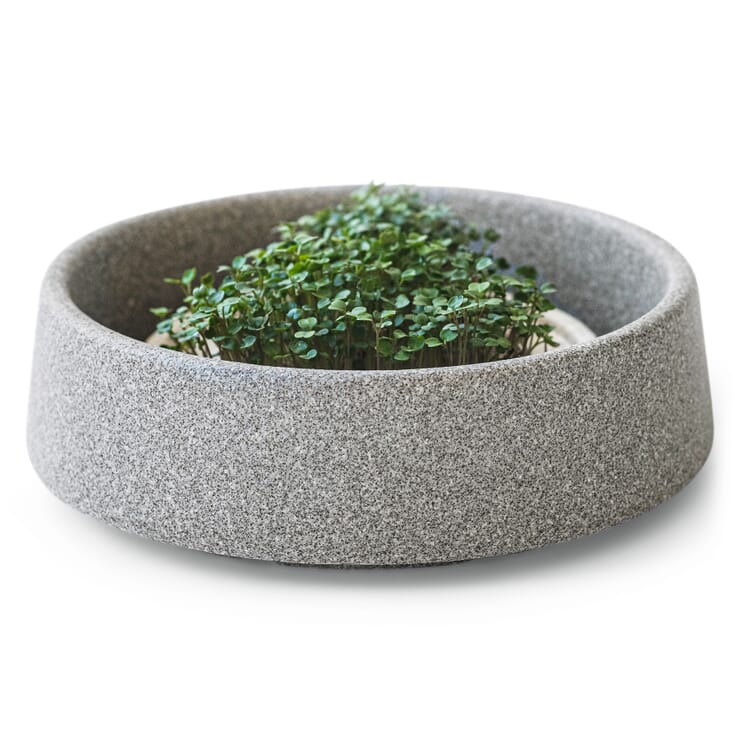
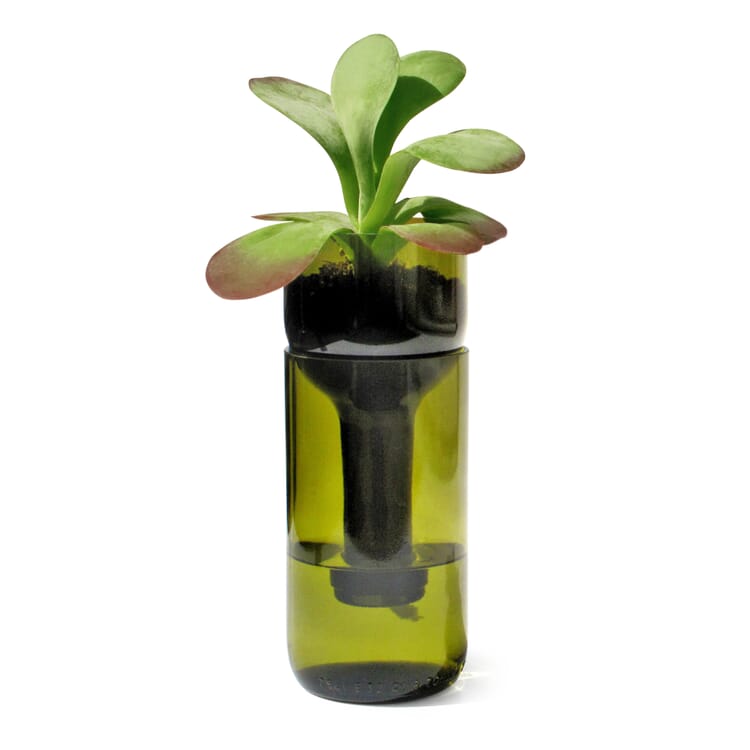
For fast-growing plants, the planter can be slightly larger. For slower-growing plants, however, it should be only slightly larger than the root ball so that the plant doesn’t “drown” in the wet soil when it rains. For plants that prefer dry locations (such as succulents or some Mediterranean herbs), containers with a small volume—such as shallow bowls or troughs—are the better choice.
Similarly, when planting roses, the shape of the container must be taken into account. Since roses root primarily downward and less outward, they require tall, narrow containers. The opposite is true for flower bulbs: They root only shallowly and would not be able to make full use of taller planters. Since they’re usually planted in groups, the pot’s diameter should be larger.
To prevent waterlogging, the planters should also have plenty of large drainage holes. And choose frost-resistant containers for plants that will overwinter outdoors.
Well prepared layer by layer. Insert the plant

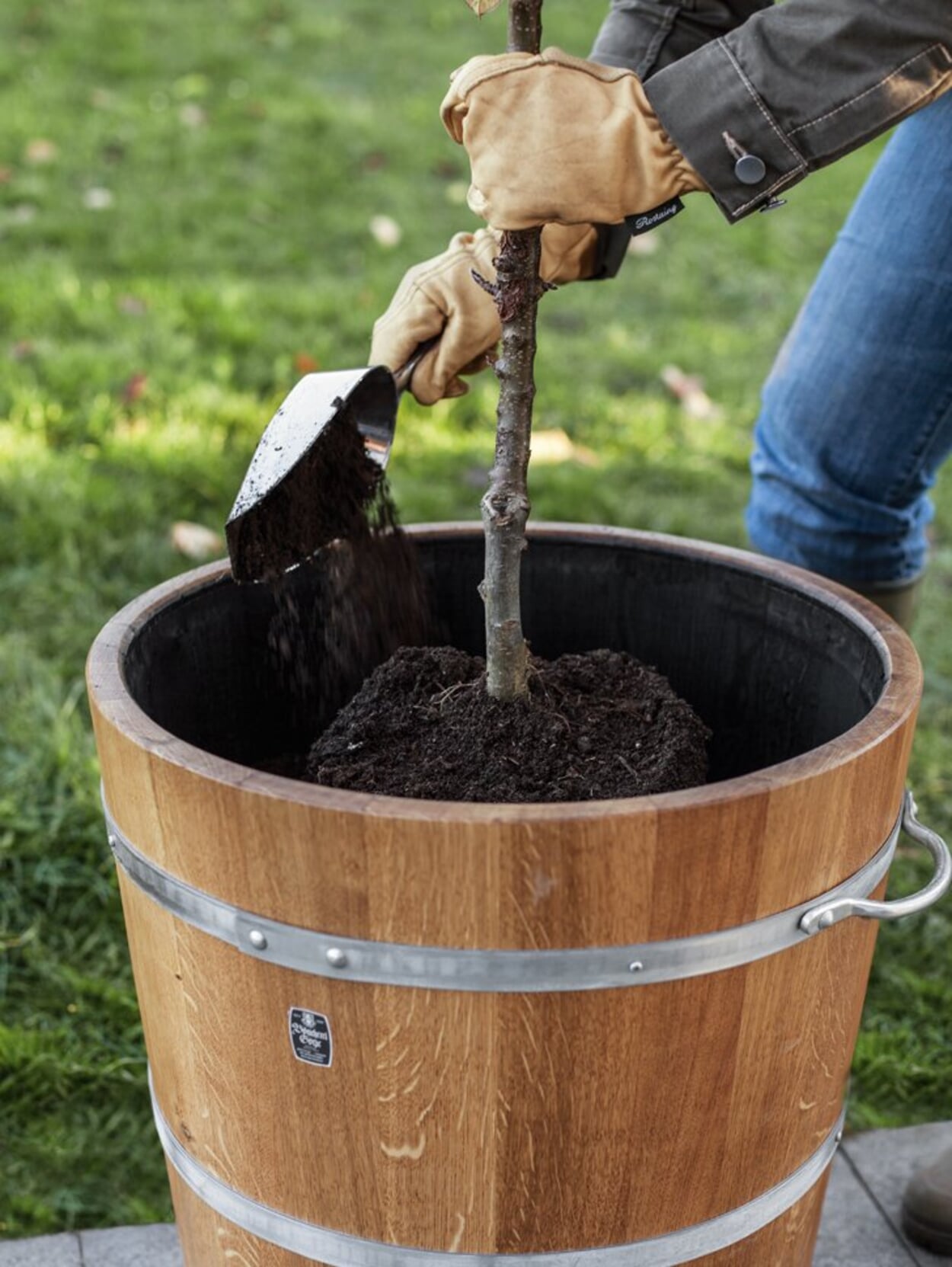
Large planters should first be filled with a 5 to 6 cm thick drainage layer (made of expanded clay, clay shards or gravel). This ensures that water can drain off well and that the moisture does not accumulate in the plant's root zone during prolonged precipitation. To prevent soil from being washed into the drainage layer later on - this would impair its effect - it is best to lay a water-permeable barrier on top of it, such as fleece or similar. When selecting the potting soil, make sure it is of very good quality. It must be structurally stable, should contain a slow-flowing depot fertilizer and - for environmental reasons - be peat-free. By mixing different materials such as sand, potting soil, clay, lime, gravel or compost, a wide variety of soil conditions can be created. Heavily compacted root balls must be carefully loosened or scored with a knife before placing the plant in the plant pot, and roots that are too long must be shortened. When filling in the soil, make sure that the cavities between the root ball and the pot wall are closed. Finally, press the plant well and water it thoroughly.