Manufacturer
Support Trade, Not Aid. O My Bag Amsterdam


Support trade, not help. These words, which Paulien Wesselink had heard during her studies, were once to be the basis for her bag brand O My Bag. Since 2011, the philosophy behind her company has been based on principles that are as simple as they are ambitious: to create beautiful bags that are made with respect for the environment and people. But this does not only apply to O My Bag. The Amsterdam-based label works exclusively with companies that follow the same principles. Production takes place in Kolkata, India - a conscious decision to offer local producers and their families fair wages and access to the global market. The design is created in Amsterdam.
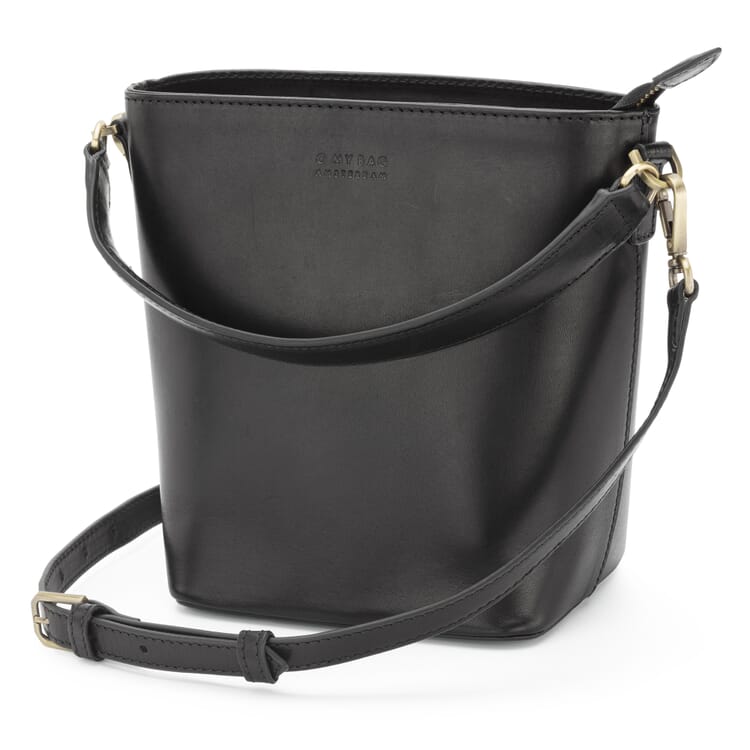
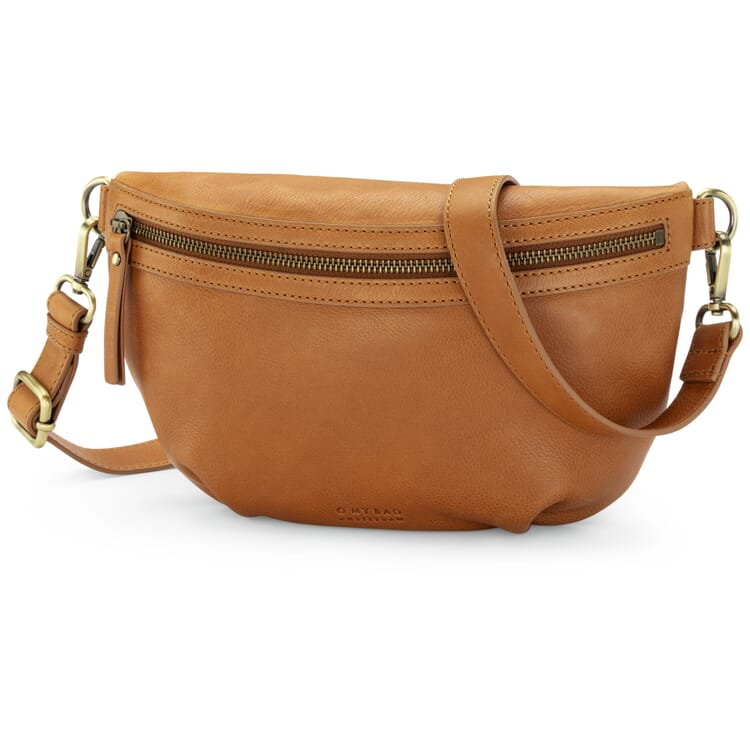
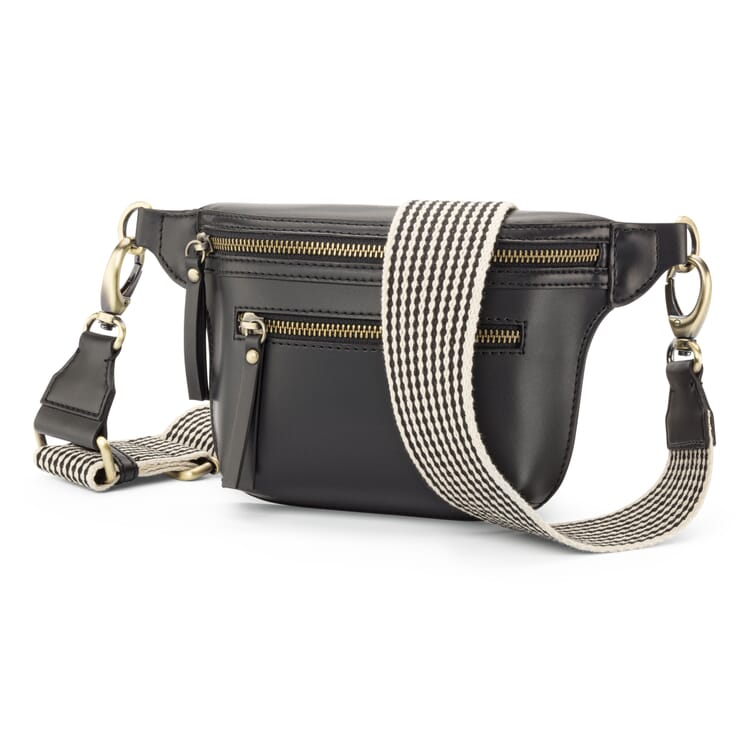
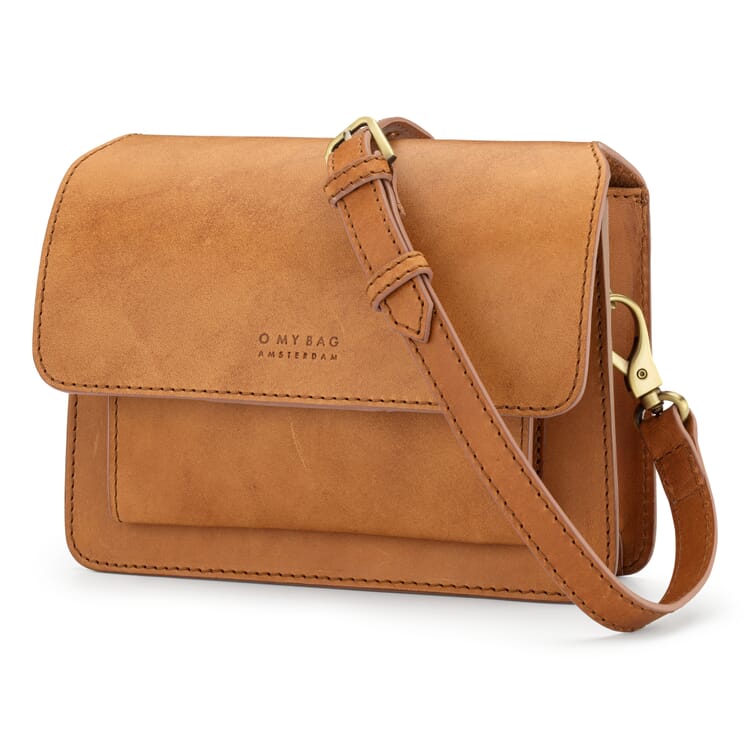
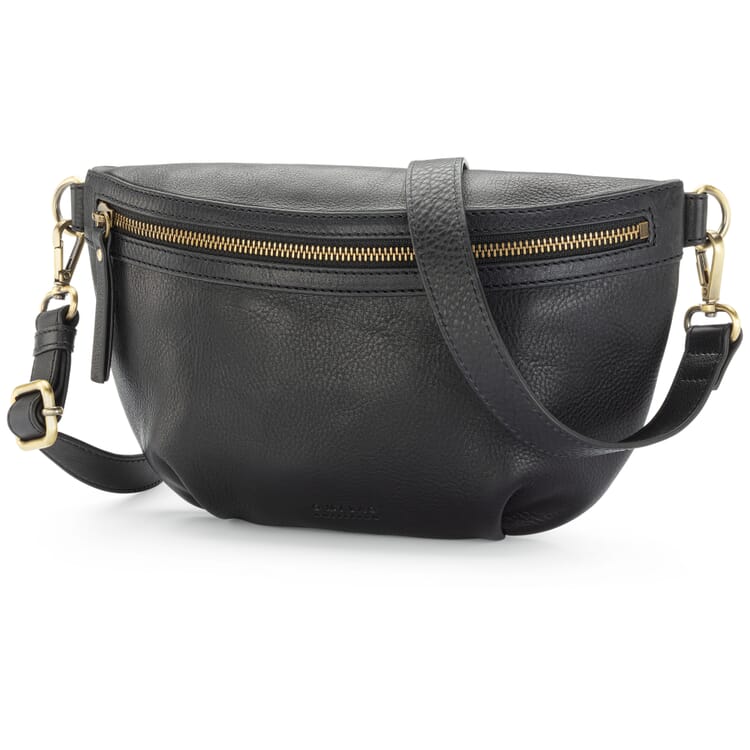
O My Bags are characterized by a clear, functional style that is timelessly contemporary and in keeping with the durability of the material from which the bags are made: high-quality, vegetable-tanned leather. For Paulien Wesselink, leather is still the most sustainable option due to its low environmental impact - provided that it is tanned and dyed in an environmentally friendly way. In addition, GOTS-certified cotton is used, but the label is also open to innovative, environmentally friendly materials: since 2021, O My Bag has been making bags and wallets from AppleSkin™, a vegan leather alternative.
AppleSkin™. When apples become an alternative for leather
As traditional as the tanning of leather is, the tanning processes (for example with olive leaf extract) and the materials used as alternatives to animal skins are currently innovative, ranging from mango and pineapple to cactus, corn and mushrooms. The Italian company Frumat uses apples as a base material and manufactures AppleSkin™ from them, which serves as paper, book cover material and as a vegan leather alternative in the fashion and furniture industries. "AppleSkin" is made from the leftover fruit (peels, stems and fibers) that are produced during juice production and normally end up in organic waste - thus closing the cycle and turning waste into resource-conserving raw material. In the process developed by Frumat founder Hannes Path, the apple residues are first dried and finely ground. The cellulose-rich powder is mixed with polyurethane and polyester and applied to a tear-resistant carrier fabric made of cotton and viscose, which is dyed with natural pigments and finally heated to make it weather-resistant and hard-wearing. Depending on how the AppleSkin™ is used, different textures can be embossed on the otherwise smooth surface to make the leather look perfect. Unlike real leather, however, AppleSkin™ is lighter and also feels slightly cooler. Like leather, it also shows the traces of use over time: It can get scratches and becomes slightly darker.