Recipes
Homemade pasta with kale pesto


Mallureddus or gnocchetti sardi are a typical Sardinian pasta shape. They originate from the Medio Campidano region in the south of the island. The recipe is simple: Mallureddus are made from durum wheat, water and a touch of olive oil. It is believed that their name is of Latin origin. "Mallolus" means something like a ball or mass of dough - a dumpling or dumpling. They are characterized by their shell shape with deep grooves on the outside, which absorb any kind of sauce particularly well. Traditionally, baskets made of straw or raffia, the su ciuliri, are used to shape the pasta. This is where we use our untreated oak pasta board, which is a more than worthy carved substitute. Brings color and vitamins to your plate in winter: the ready-mixed kale pesto that we serve with the mallureddus.
The ingredients for 2 portions
For the pasta:
200 g durum wheat flour or semolina
180-200 ml lukewarm water a little olive oil a pinch of salt
If you don't want to make the pasta for this dish fresh, dried pasta from our Cavalieri range is a good alternative.
For the pesto:
200 g kale (cleaned and weighed)
100 ml olive oil
1 clove of garlic
Juice of ½ organic lemon
50 g Parmigiano Reggiano delle Vacche rosse
70 g walnuts
Pepper, salt, chilli to taste
Also freshly grated Parmesan cheese to serve
Recommended products for preparation

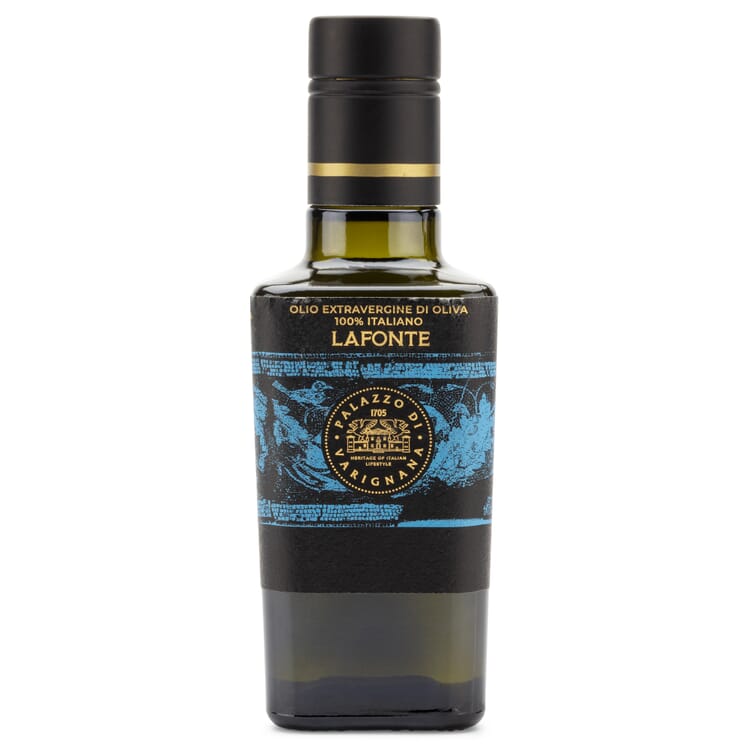

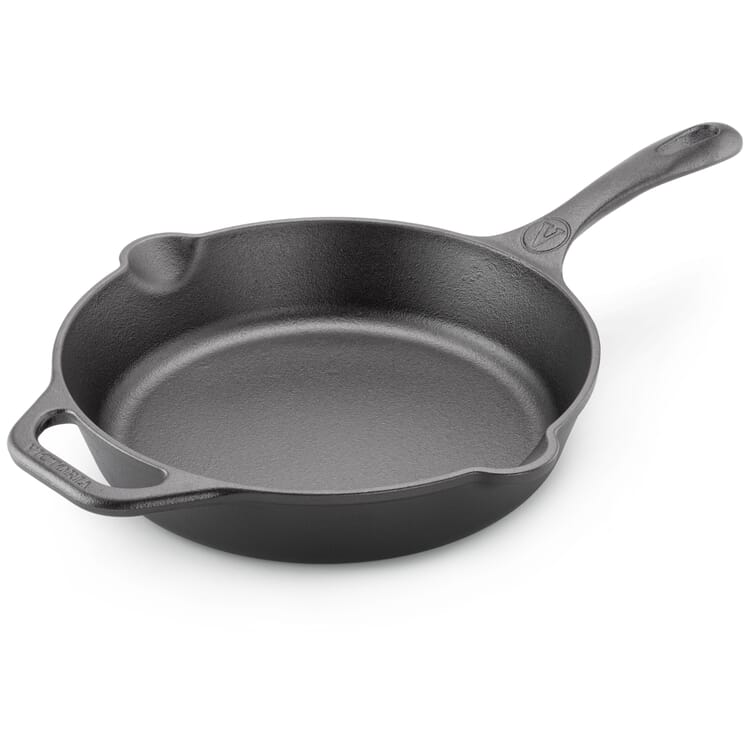

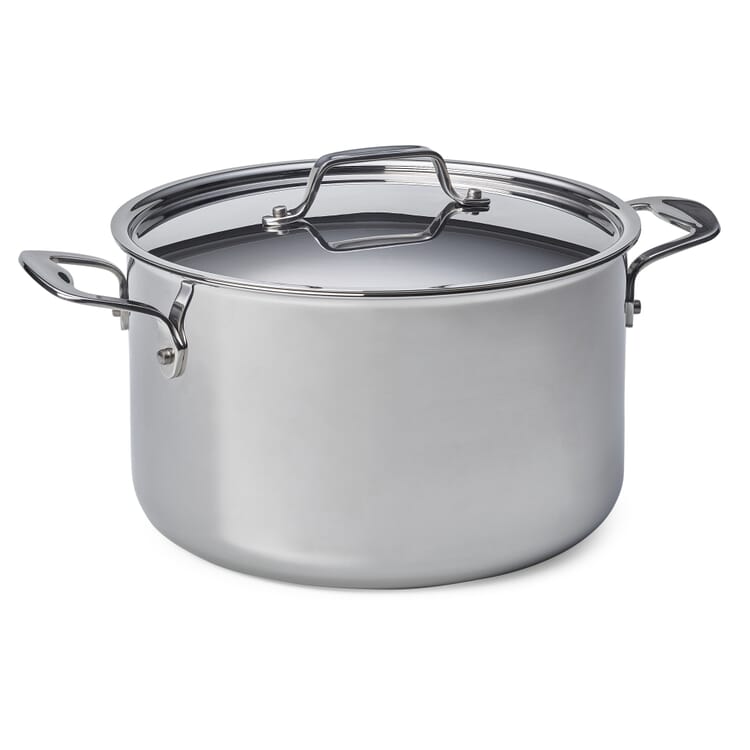

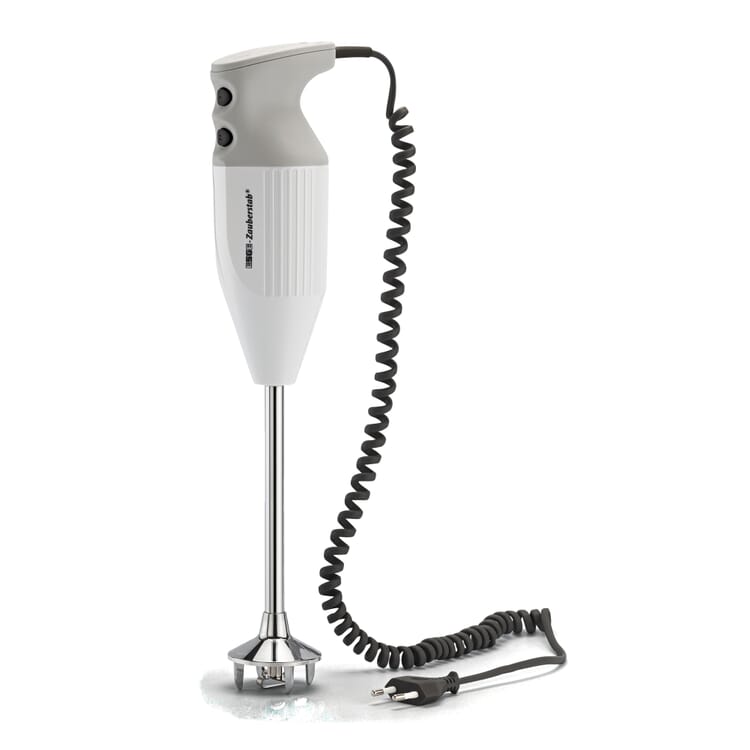




The preparation
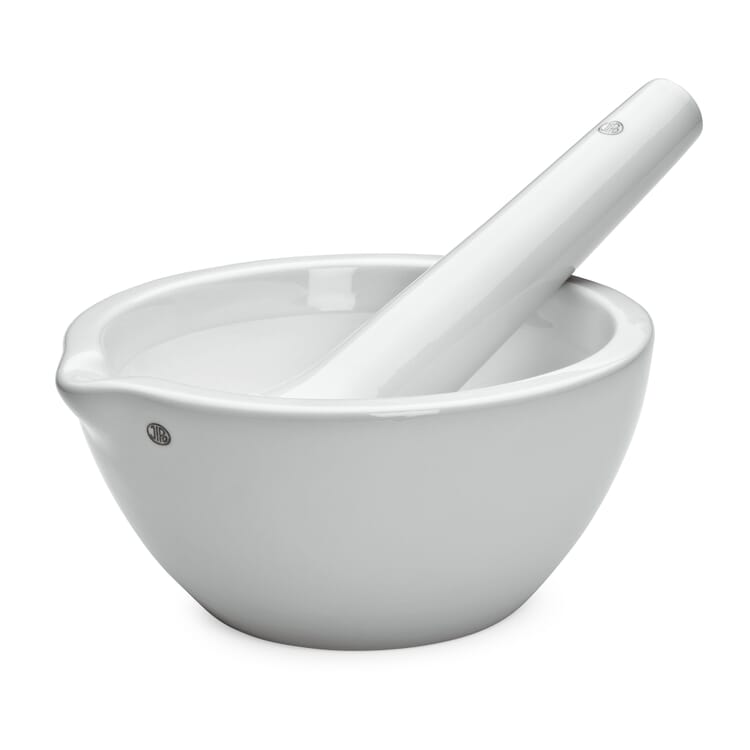
To make the pesto, first wash and tear the kale. Place the torn leaves in a food processor with olive oil, garlic, and lemon juice, and blend until a creamy consistency is achieved. Alternatively, you can use a hand blender for this step or pound the ingredients in a mortar, as is customary in Italy. Finally, add walnuts and Parmesan and blend or pound everything once more. Season to taste with salt and pepper.
Tip: If you like it spicier, add one or two dried chili peppers before blending.
For the pasta, knead the flour with water, olive oil, and a pinch of salt into a smooth dough. Shape the dough into a ball, cover it, and let it rest for about half an hour.
Keep in mind: You may not need the entire amount of water listed in the ingredients. This depends, among other things, on whether you’re using durum wheat semolina, durum wheat flour, or a mixture of both. So here’s our tip: Add the lukewarm water in small sips and gradually work it into the dough. This way, you’ll literally have the consistency of your pasta dough under control and can ensure that it doesn’t become too wet overall, which would make it difficult to work with.
Making mallureddus begins by cutting a slice about 1 cm thick from the dough ball. Roll this into a strand about as thick as your finger, then divide it into pieces about 1 cm long—small dough pillows. Using a pasta board and a bit of dexterity, the dough pillows are then shaped: Roll out each piece individually on the board, pressing firmly into the dough once with your thumb. To prevent them from sticking together, place the finished pasta on a floured cutting board or baking sheet until ready to cook. Continue this process until the entire ball of dough has been used up. And don’t forget: Keep covering the ball of dough periodically in the meantime so it doesn’t dry out.
Finally, cook the Mallureddus until al dente—this takes only two to three minutes—drain them, and toss them with the pesto while still hot in a large bowl or pan. The pesto will become a creamy sauce if you reserve a little of the pasta cooking water and stir it in at this point. Arrange on plates and serve with freshly grated Parmesan.
Buon appetito!