New home. Nesting aids in the garden


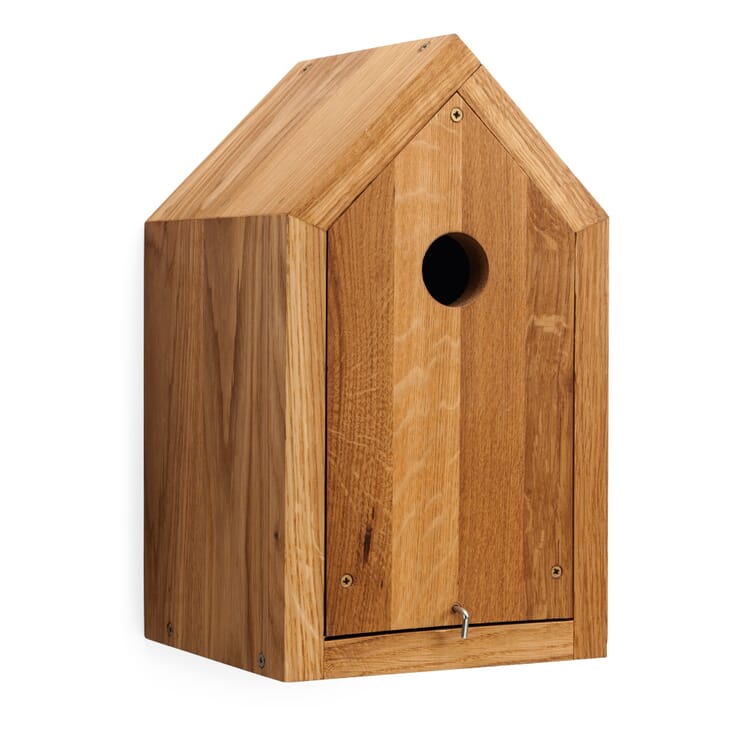
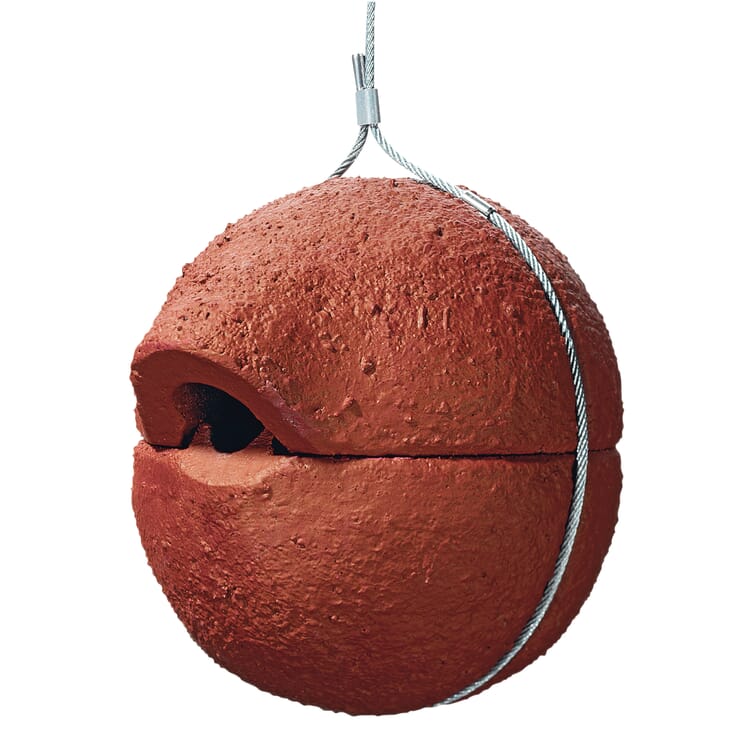
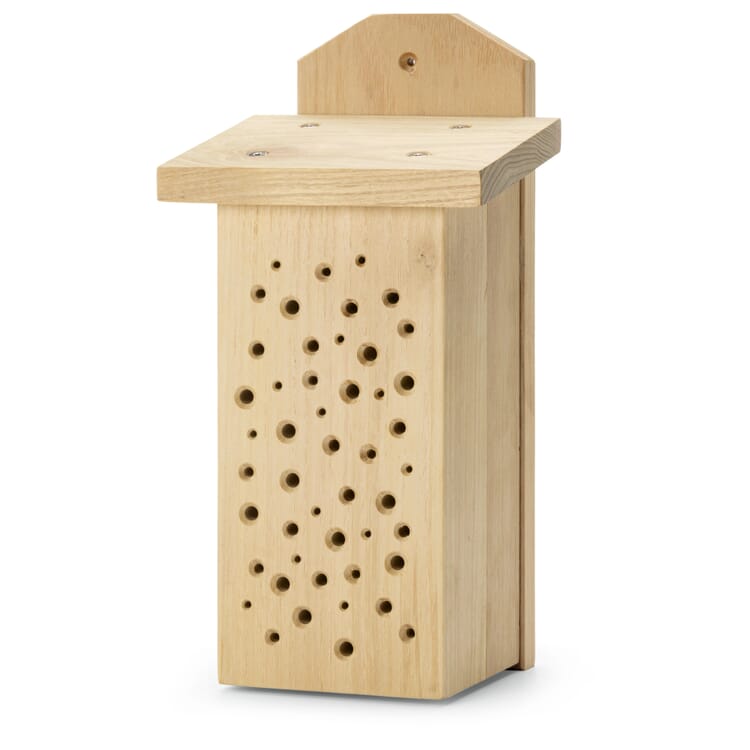
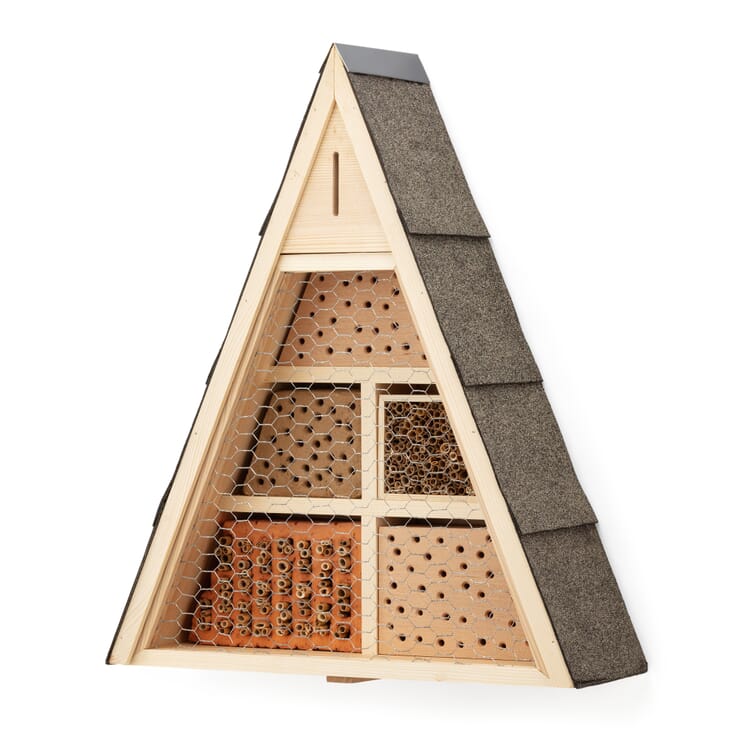
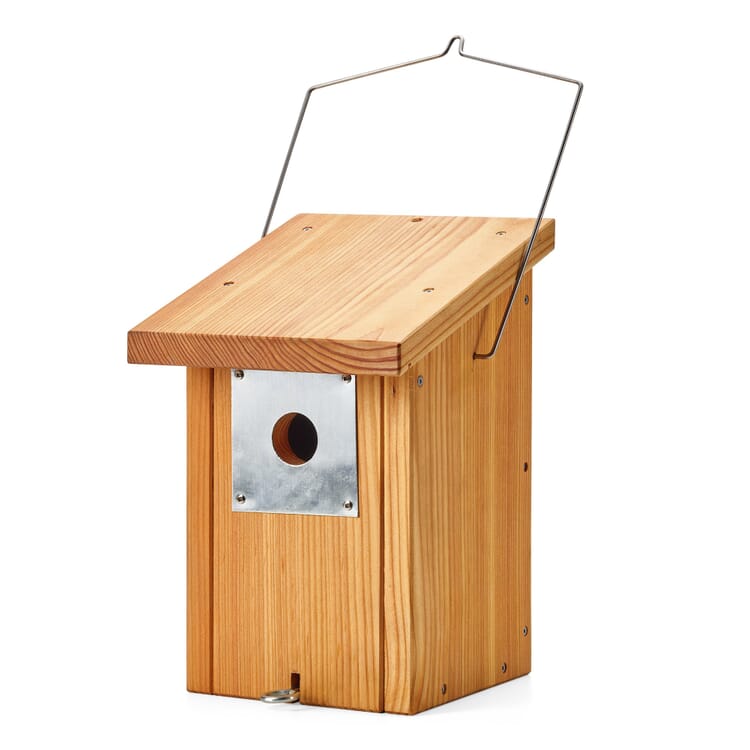
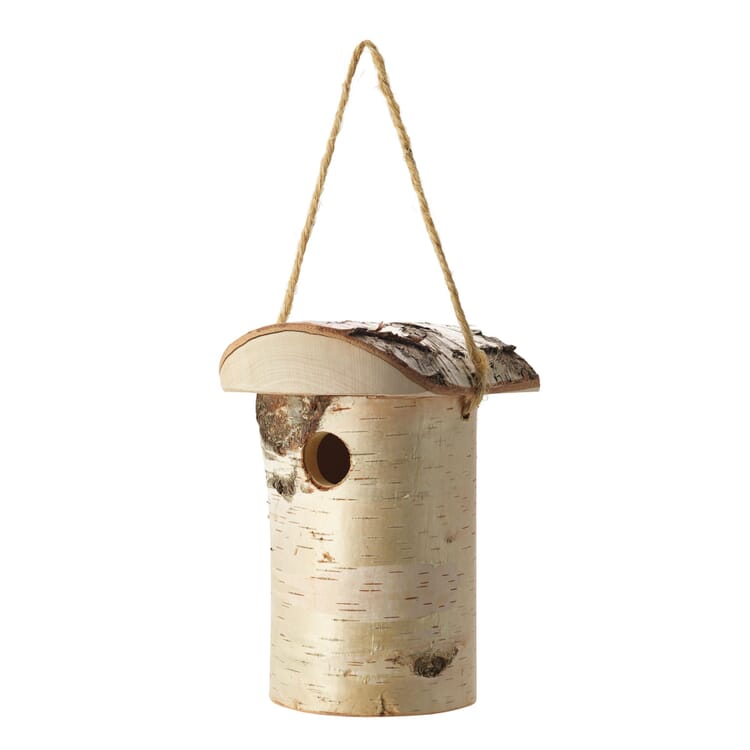
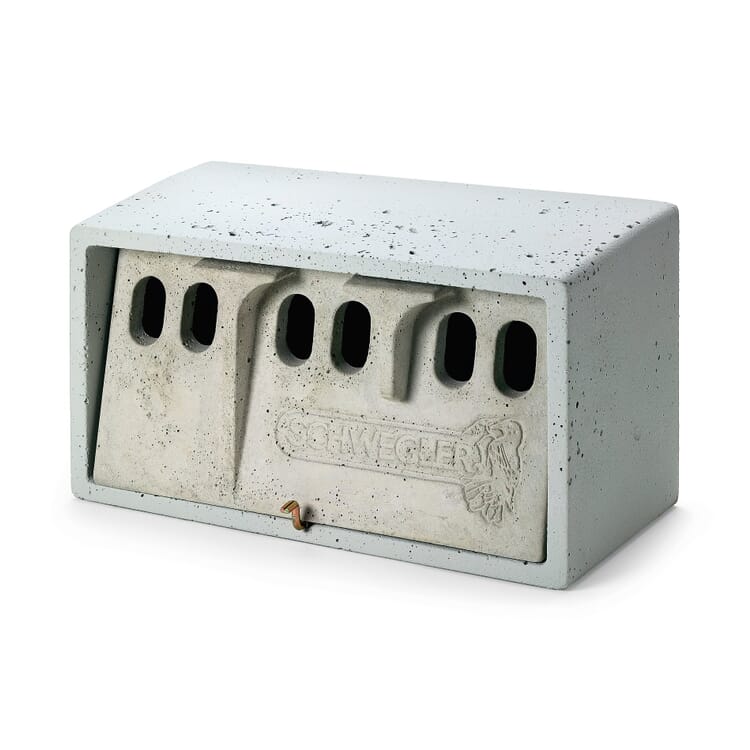
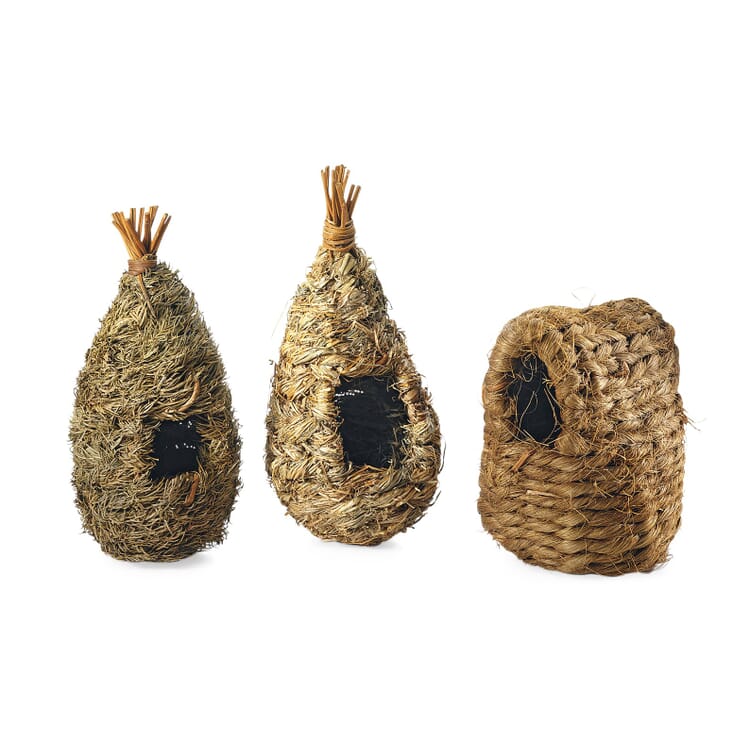
In horticulture and agriculture, "beneficial insects" are the natural counterparts of so-called pests (which, due to their way of life, damage plants cultivated by humans). Beneficial insects feed on insects, caterpillars or slugs and thus contribute naturally to the growth of cultivated plants. The organic gardener therefore does well to establish such beneficial insects in the garden and to keep them there by offering food, shelter as well as winter quarters and to promote their flourishing. Since the animals prefer individual formats, one can promote already by the choice of the Nisthilfe relatively purposefully certain kinds. Our nesting aids are made of environmentally friendly, durable and attractive materials such as larch and robinia wood and the equally breathable and indestructible wood concrete.








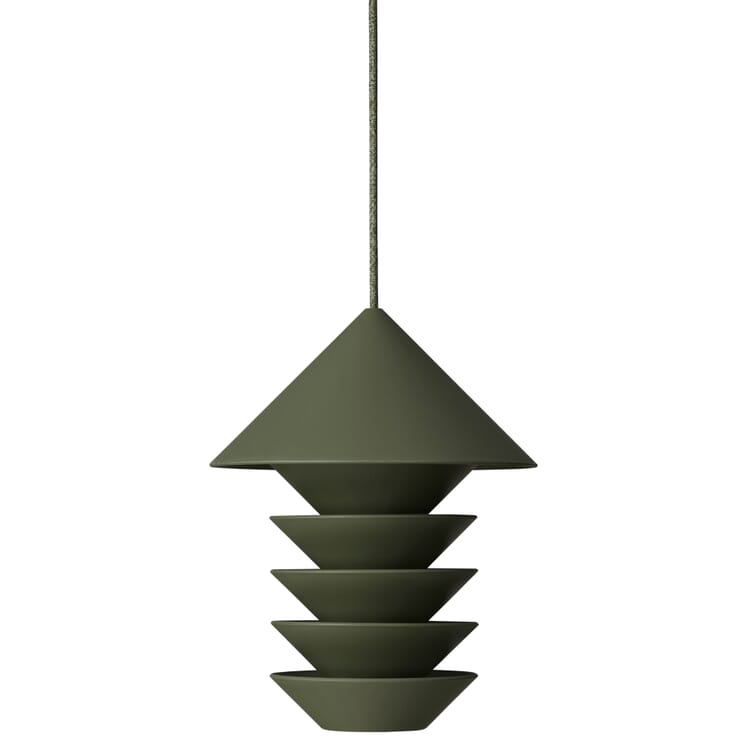
The lacewing

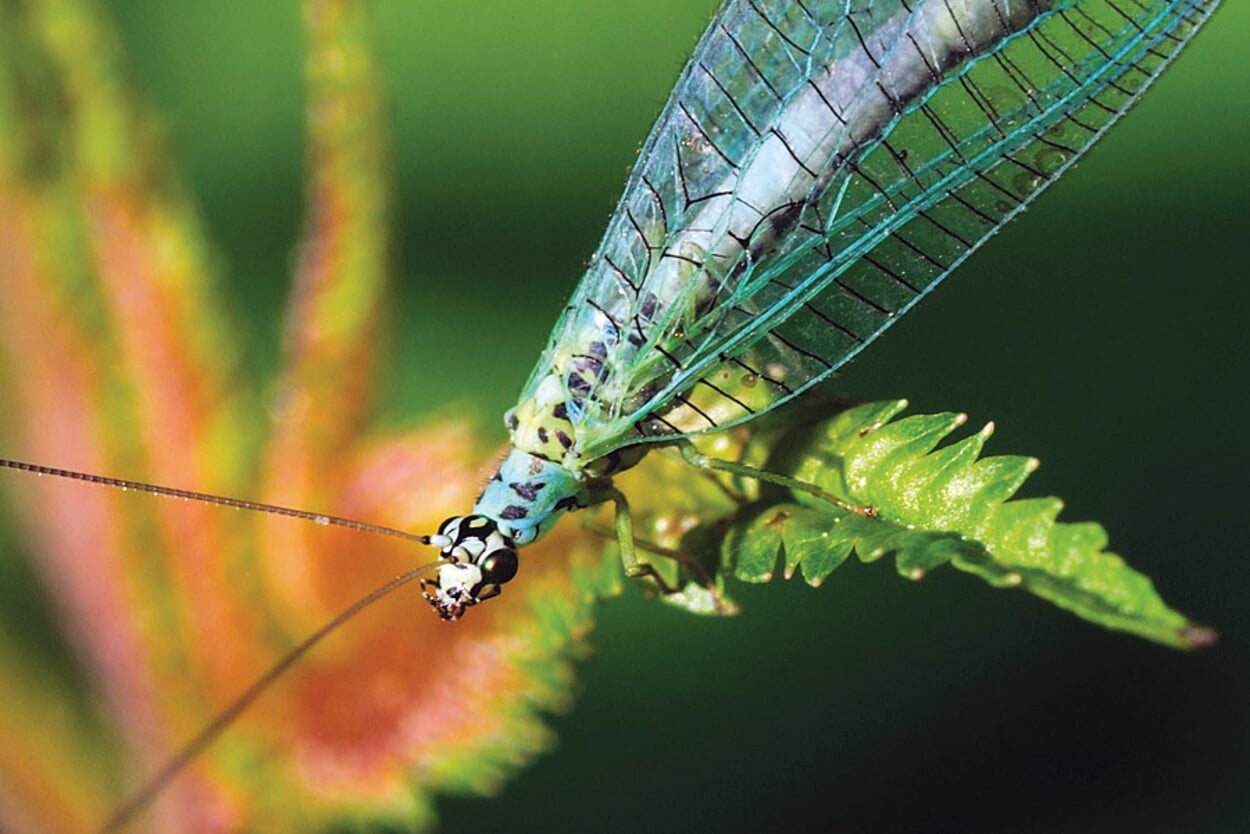
Their larvae are masters at fighting aphids: During their two- to three-week growth period, they eat up to 500 aphids, often significantly more. The adult lacewings also feed on plant lice, thrips, mites, and small caterpillars. During the day, they rest in hedges and field margins and fly out to nearby crops at dusk. To attract and provide food for lacewings, avoid using chemical pesticides in the garden and sow wildflower mixes.
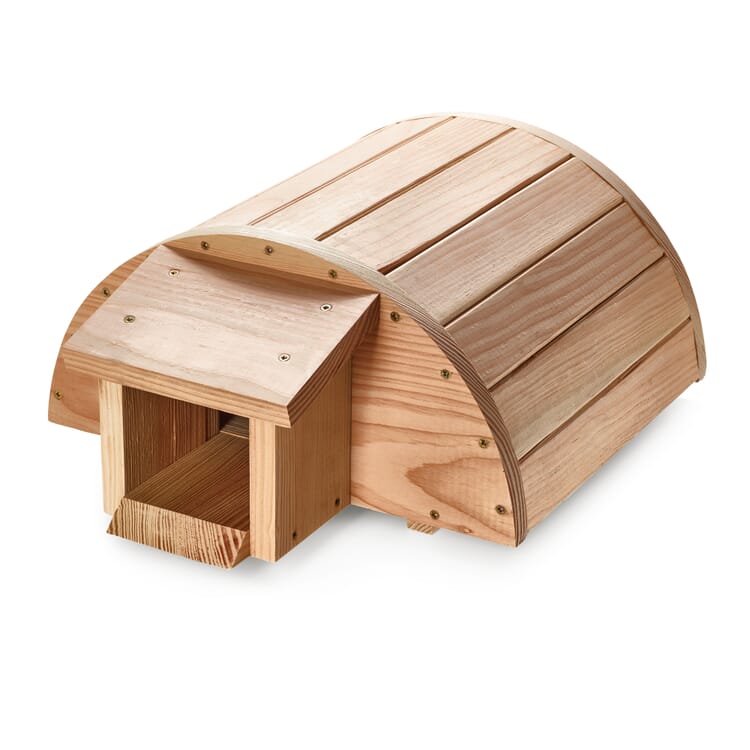
The hedgehog

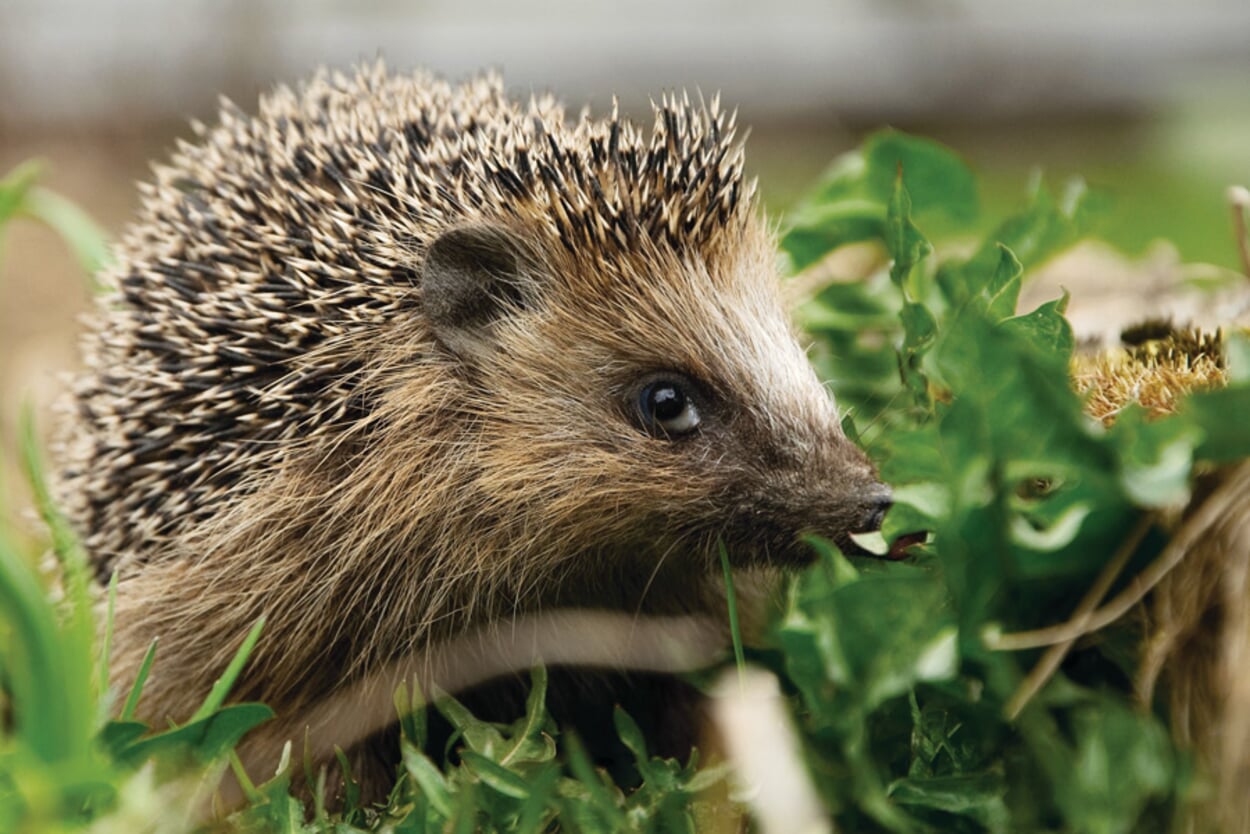
He is one of the very few allies in the fight against slugs - and for this reason alone should find a shelter in every garden. He also eats larvae, caterpillars and numerous insects. The hedgehog needs some "untidy" garden places with piles of leaves or dead wood; during the day as a shelter throughout the year, but especially as a frost-protected quarter for hibernation.
The ladybug

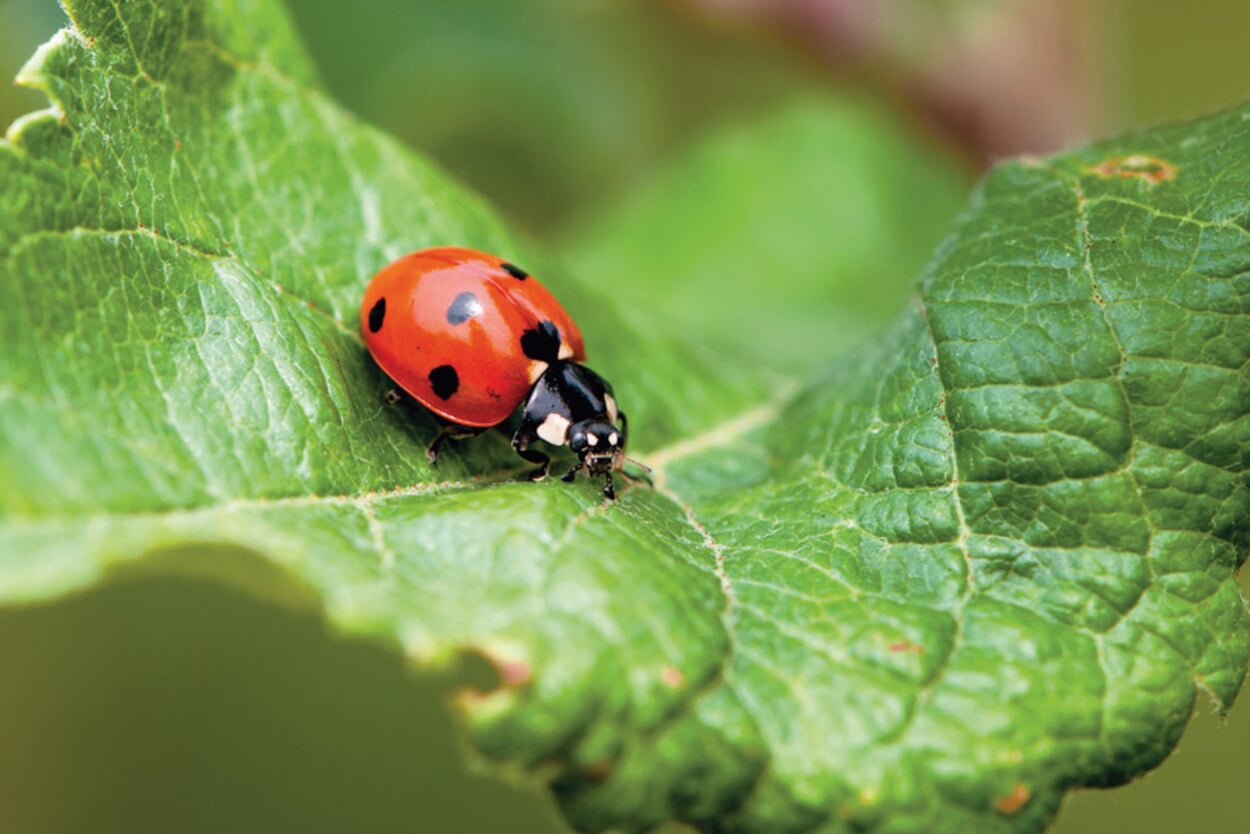
It is one of the best-known beneficial insects, feeding—both as a larva and as an adult beetle—on aphids (up to 150 per day), spider mites, and other (pest) insects. It requires suitable habitat structures: natural meadows and hedge edges that also provide appropriate overwintering sites in leaves, grass, bark crevices, or under (pebble) stones.
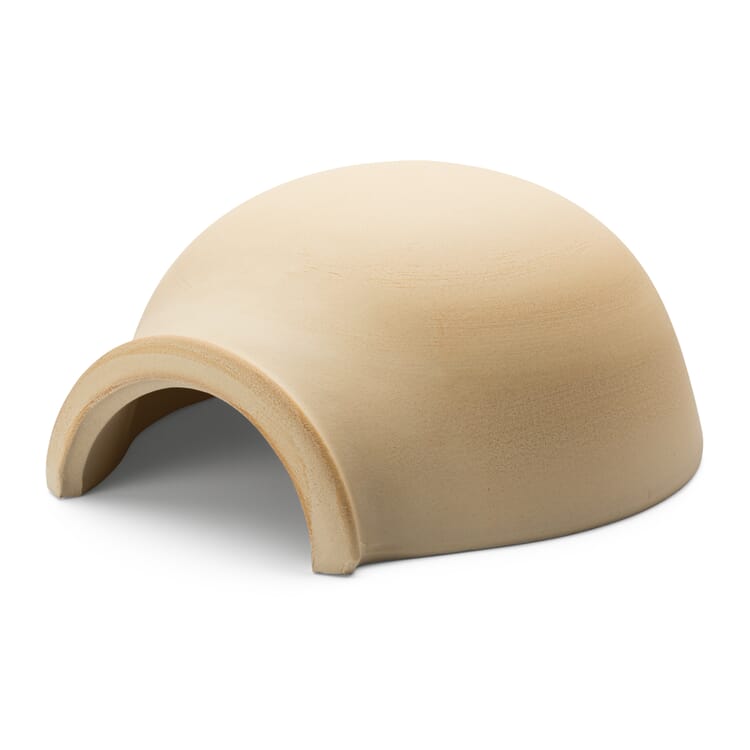
The earworm

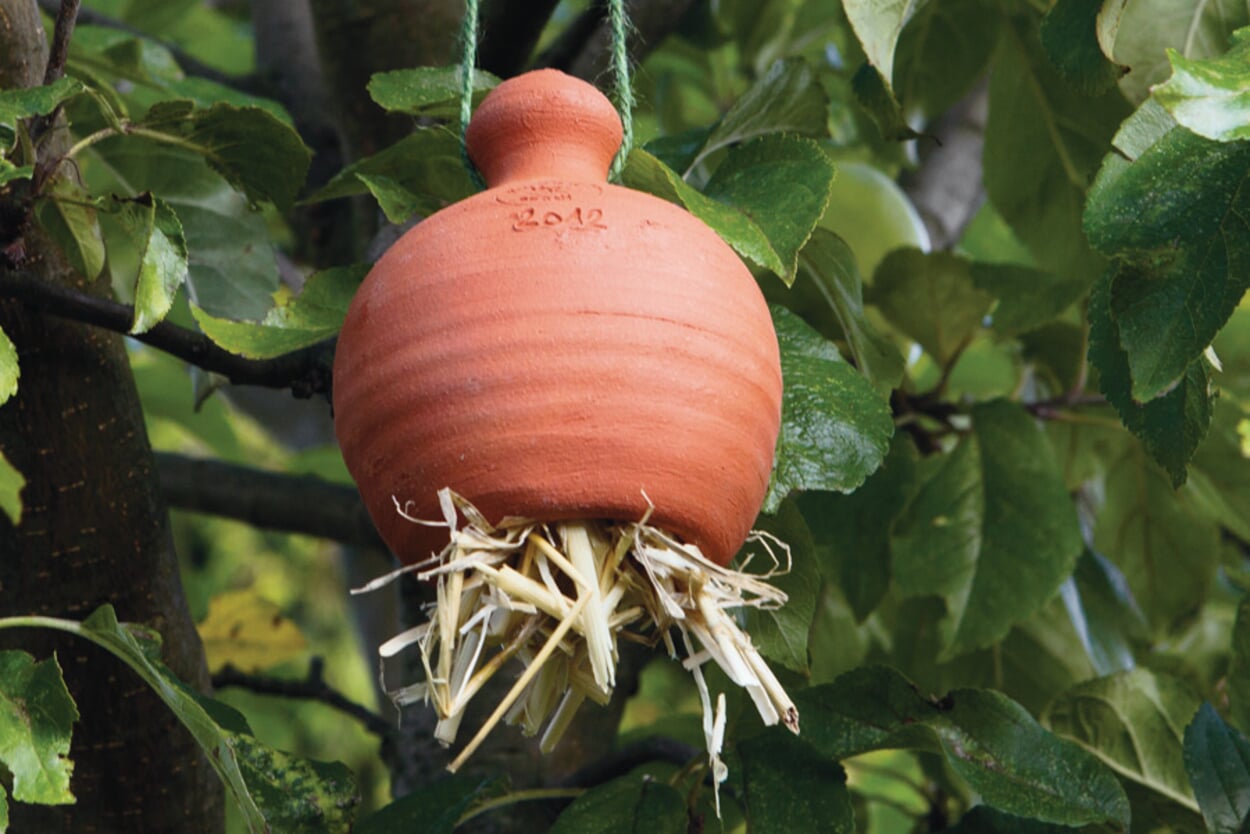
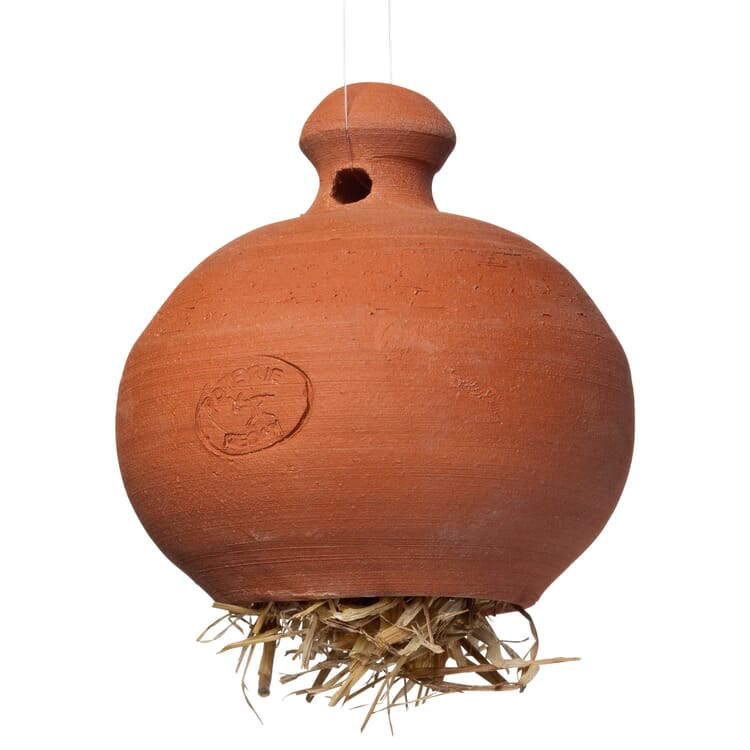
Earwigs are the natural predators of aphids, spider mites, and small caterpillars. They are primarily nocturnal and spend the day in cracks in walls or under wood and stones. Adult earwigs can consume up to 120 aphids per night. You can help them out with some pretty simple methods: A clay pot filled with hay, straw, or wood shavings serves as a shelter during the day; if you hang it in a fruit tree, the earwigs that swarm out at night will be right “on the spot.”
The bat

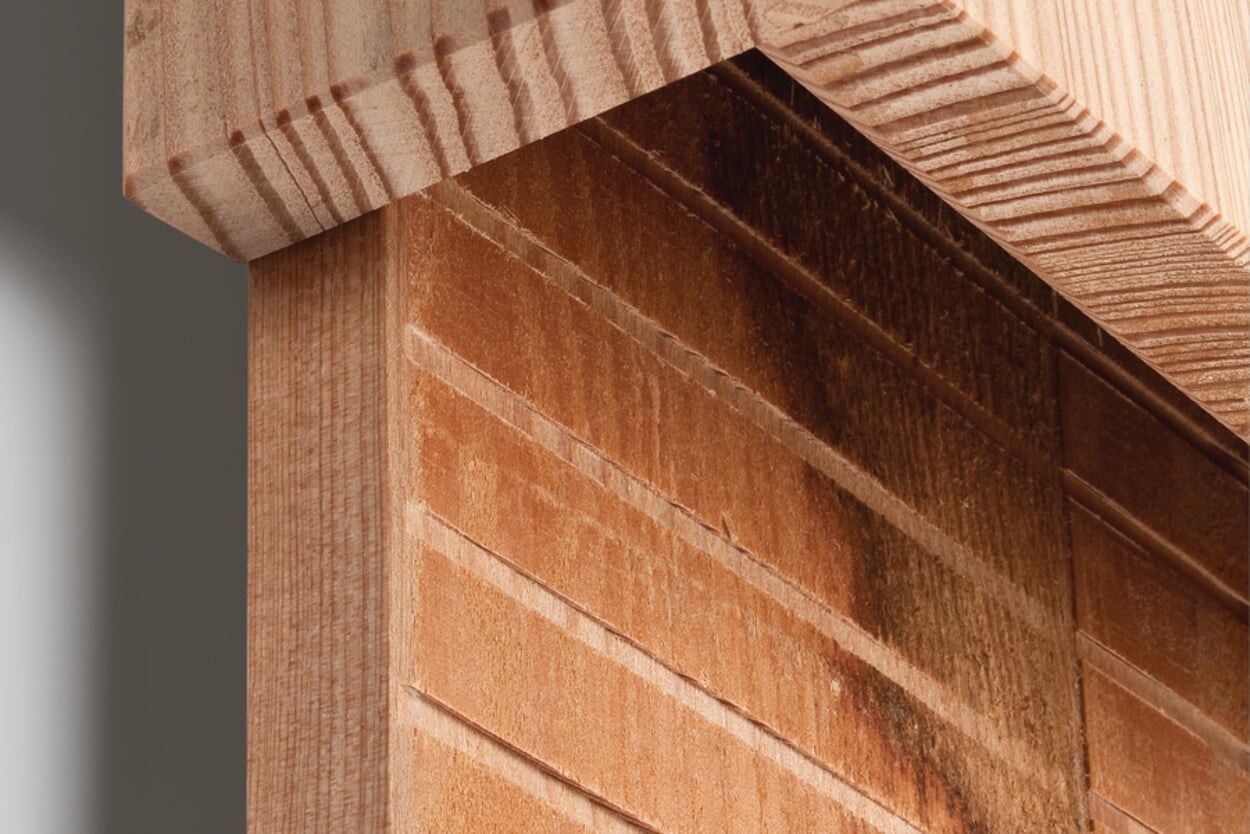
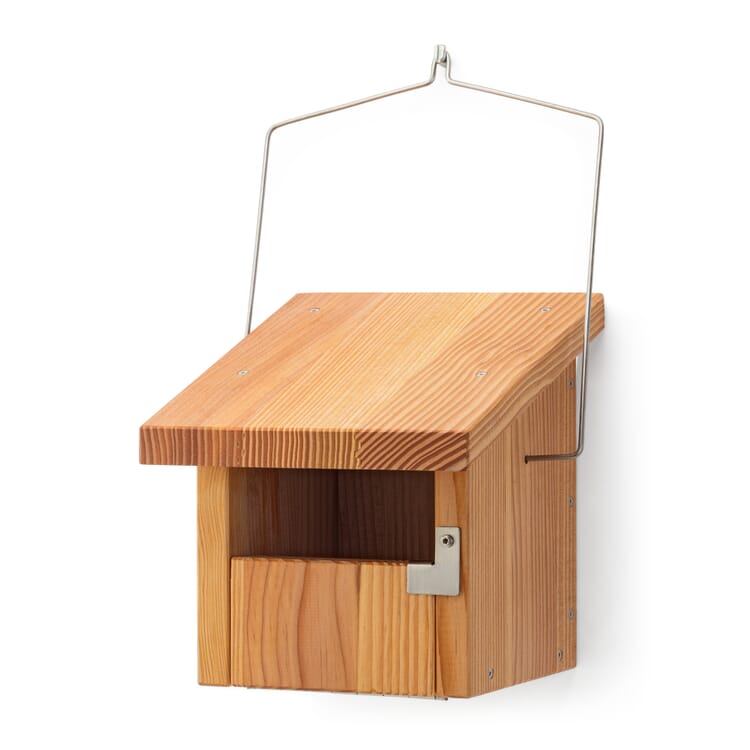
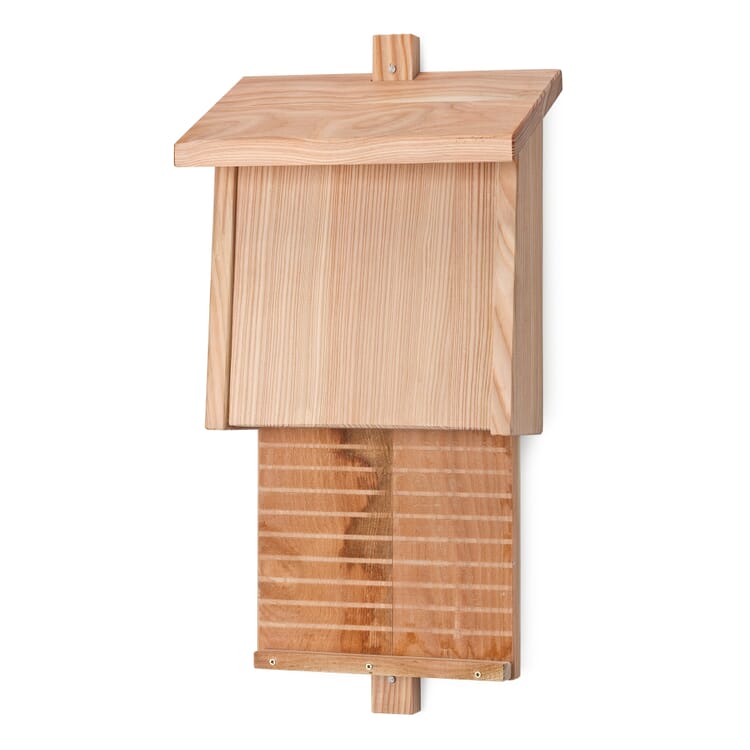
Bats are nocturnal mammals that consume numerous (also) nocturnal pests such as moths, peepers, chiggers, gnats or mosquitoes. During the day, they hang upside down in their shelters: rock, earth or tree cavities, rock crevices, but also in uninhabited buildings such as barns or warehouses. However, such places are becoming increasingly rare, which is why the installation of a bat box is one of the most important measures for the settlement of bats in the garden.