Clothing
World-class shoes—comfortable on your feet

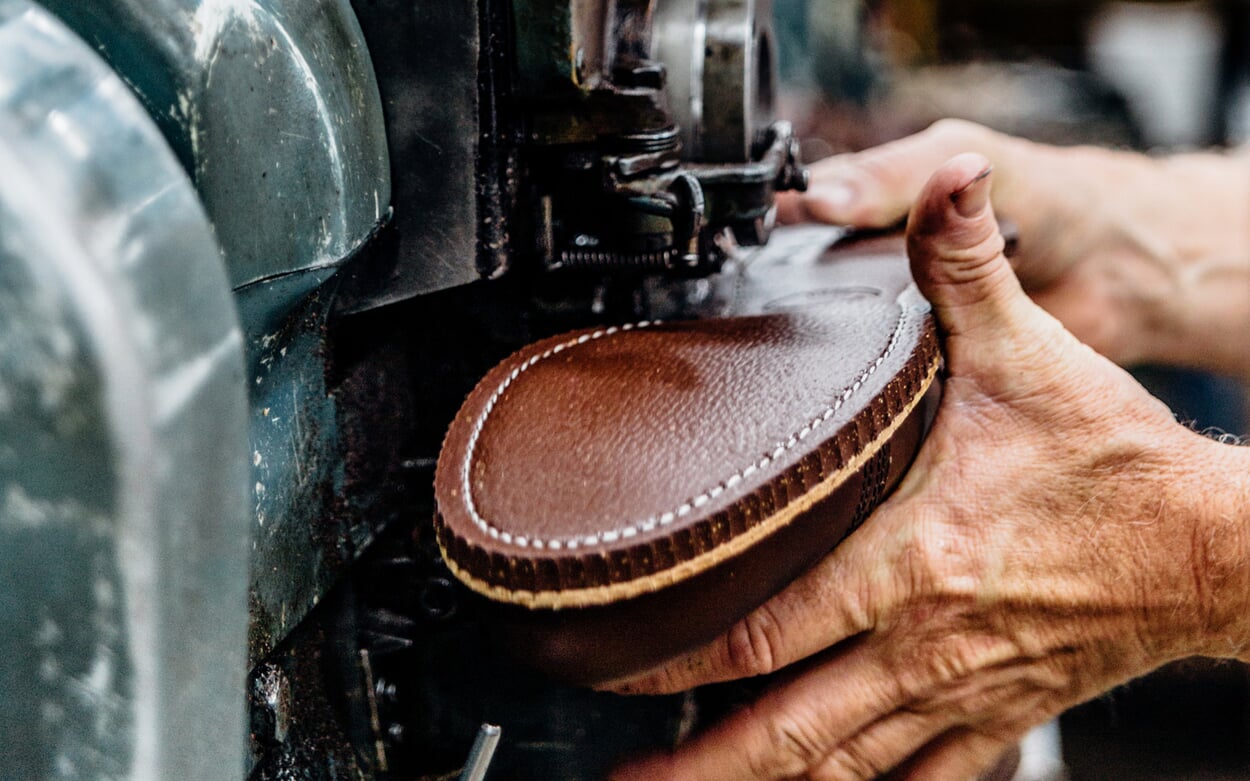
The reputation of welted shoes precedes them: high quality, long-lasting, and comfortable to wear are just three of the attributes they rightfully claim. But beware: Black sheep in the shoe industry try to capitalize on this reputation without possessing the qualities that are at the heart of welted shoes. With our time-honored manufacturers like Dinkelacker, Heschung, or Schuh Bertl, you can be confident in the craftsmanship. And should you ever find yourself in a heated discussion about welted shoes, we’re providing you with in-depth knowledge here that might also come in handy the next time you buy shoes.
World-class hand-stitched shoes at Manufactum

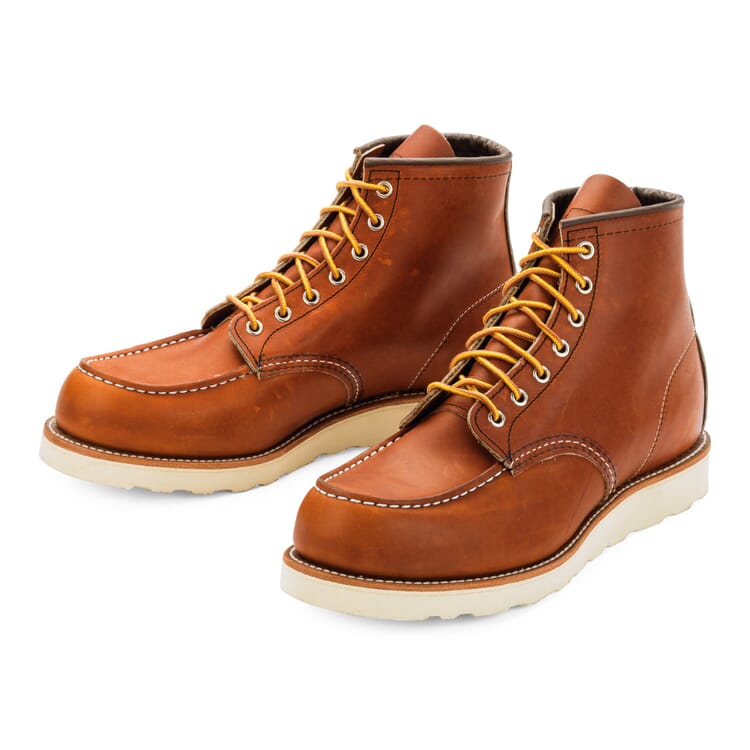

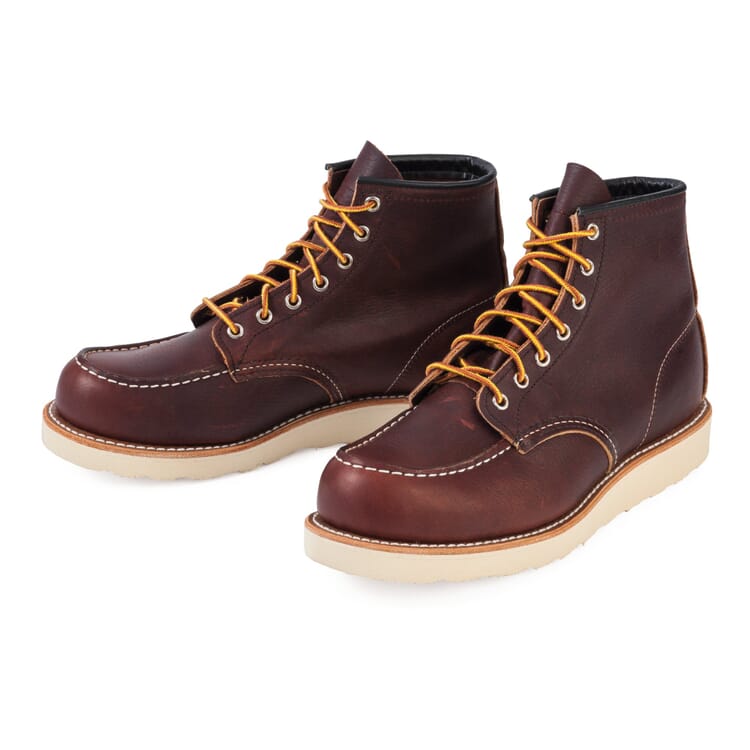

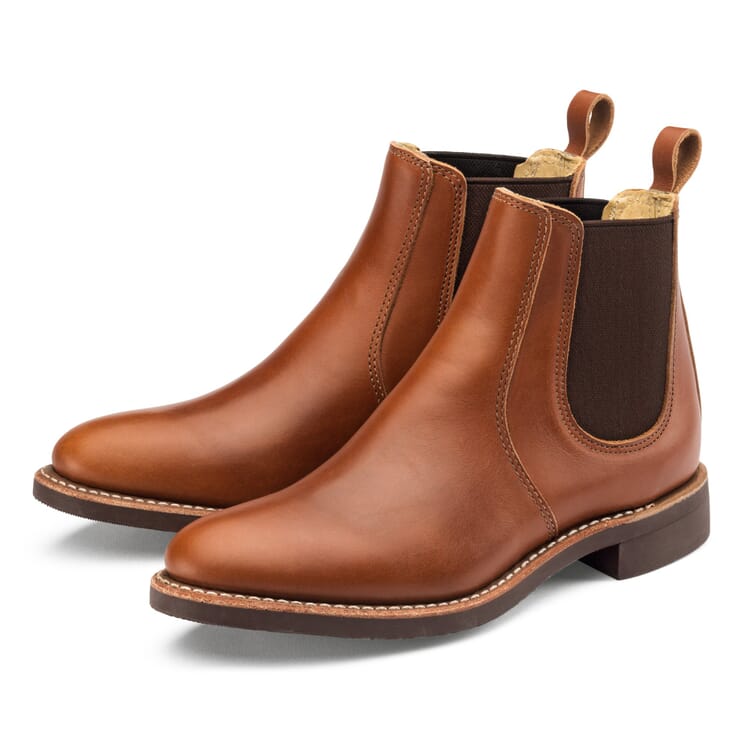

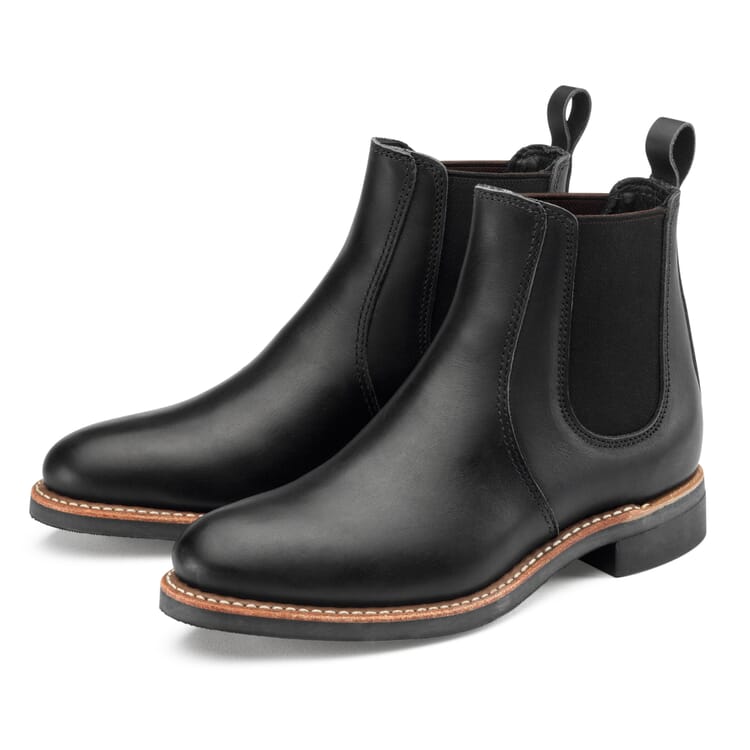

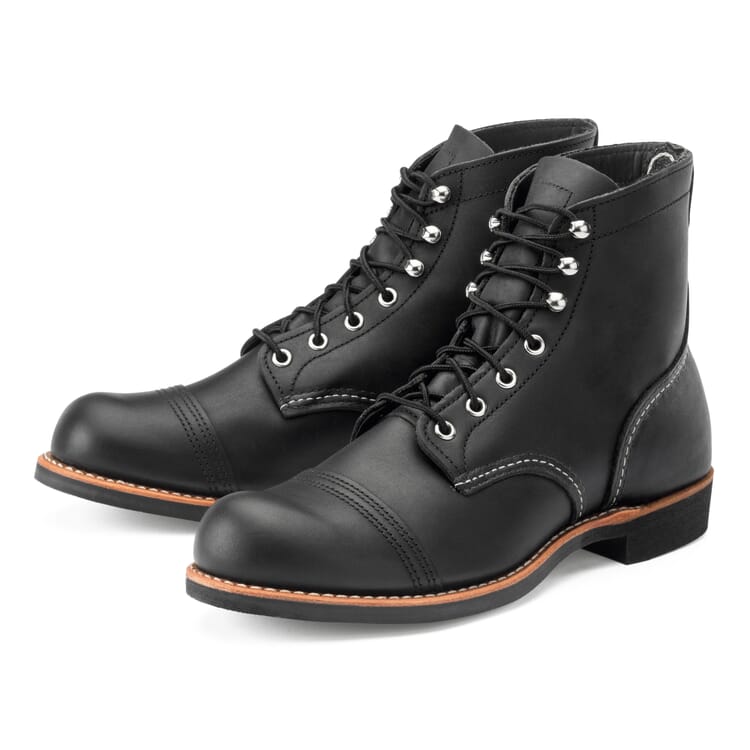

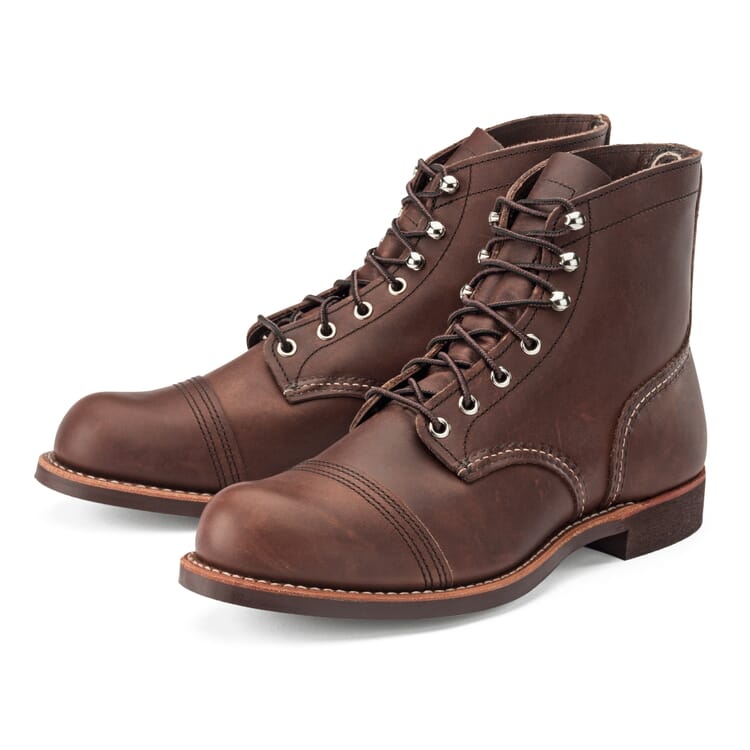

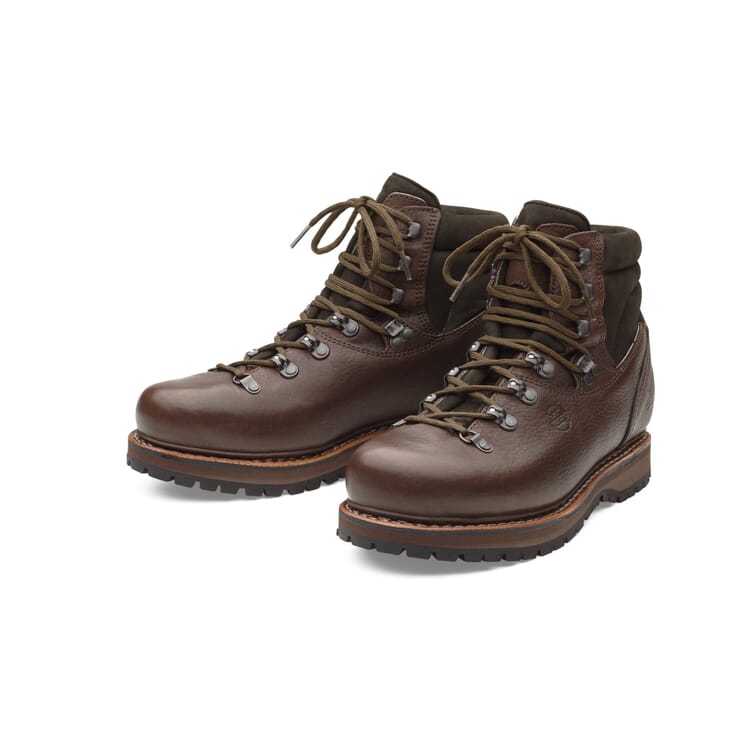





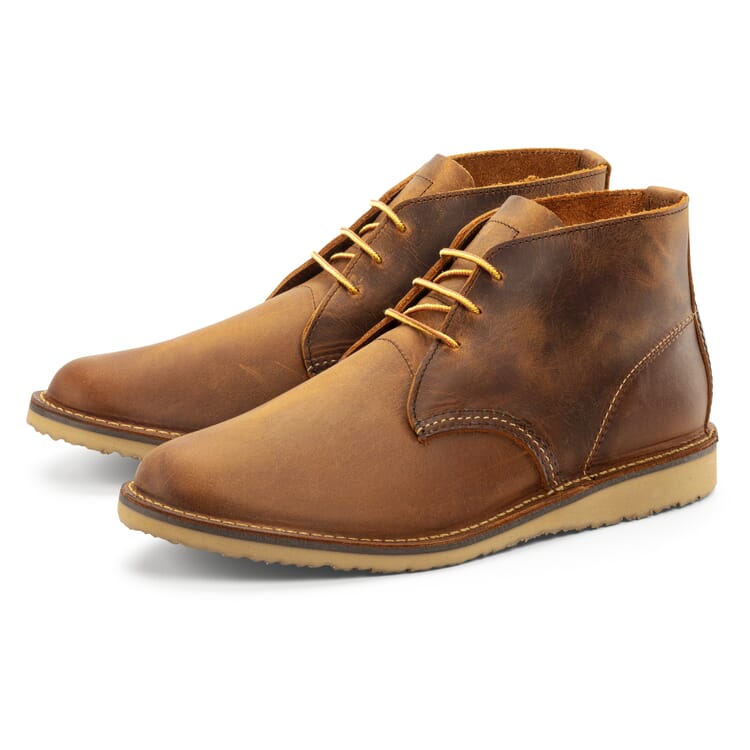

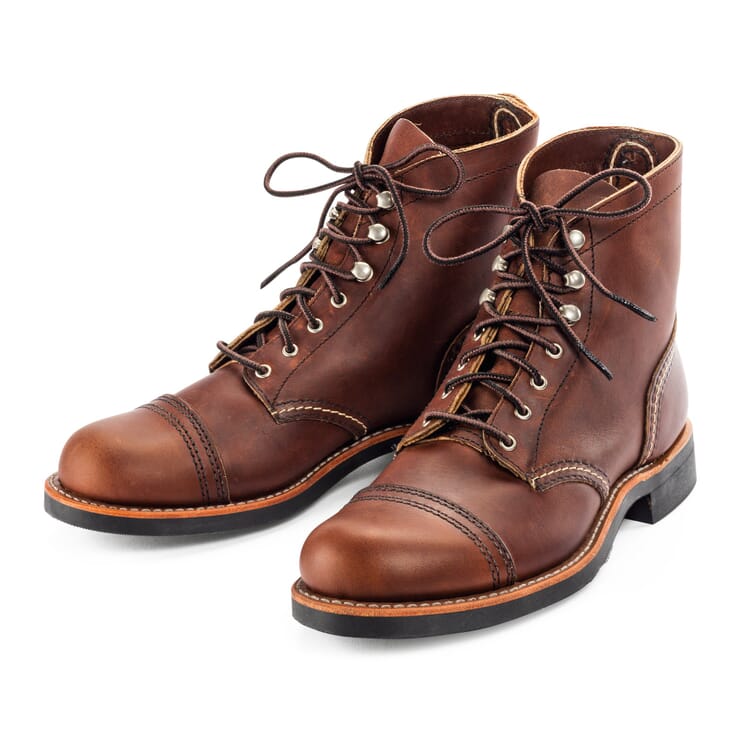

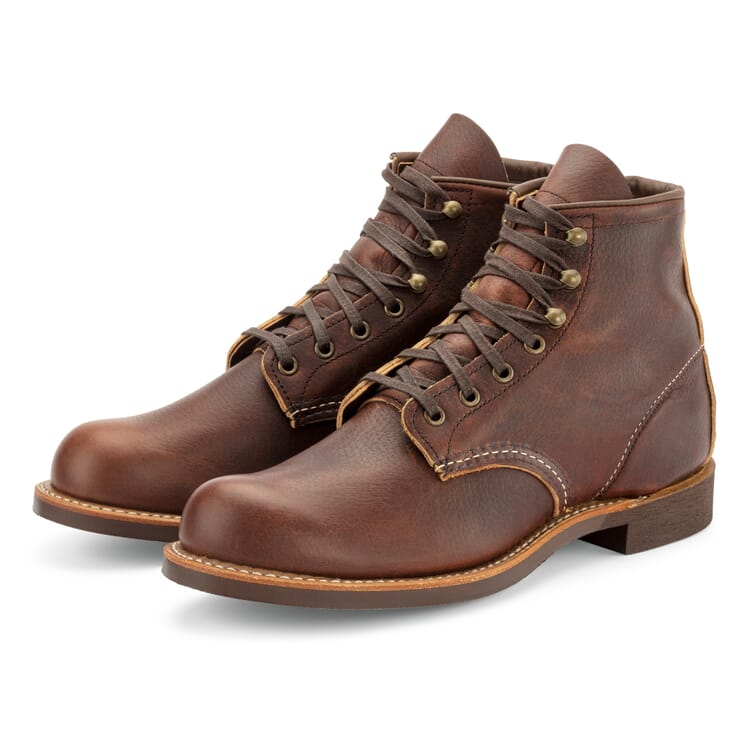

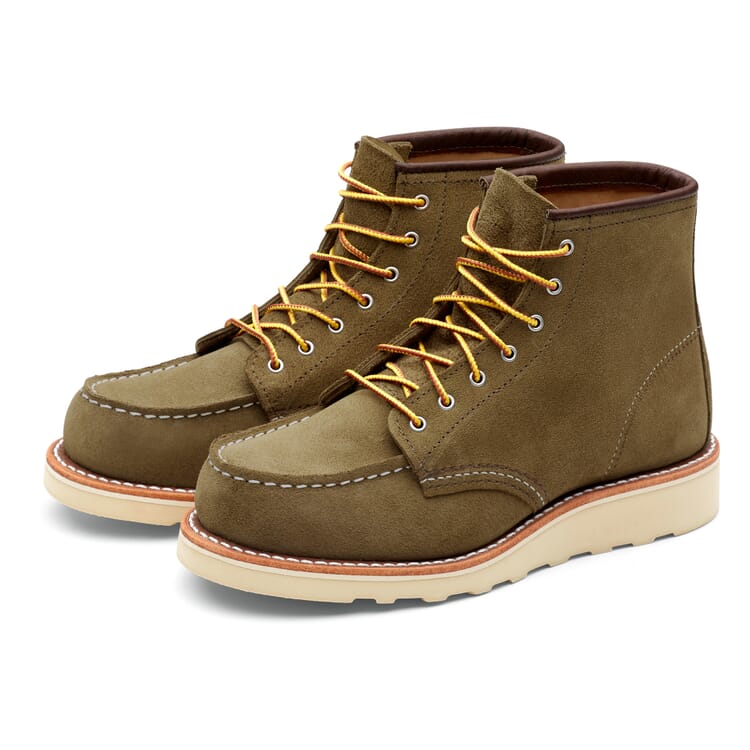

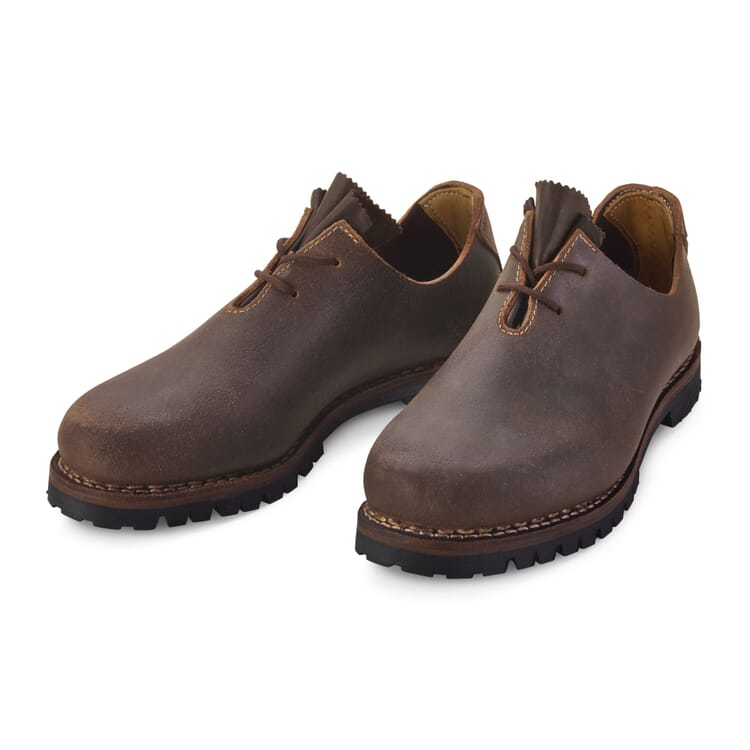

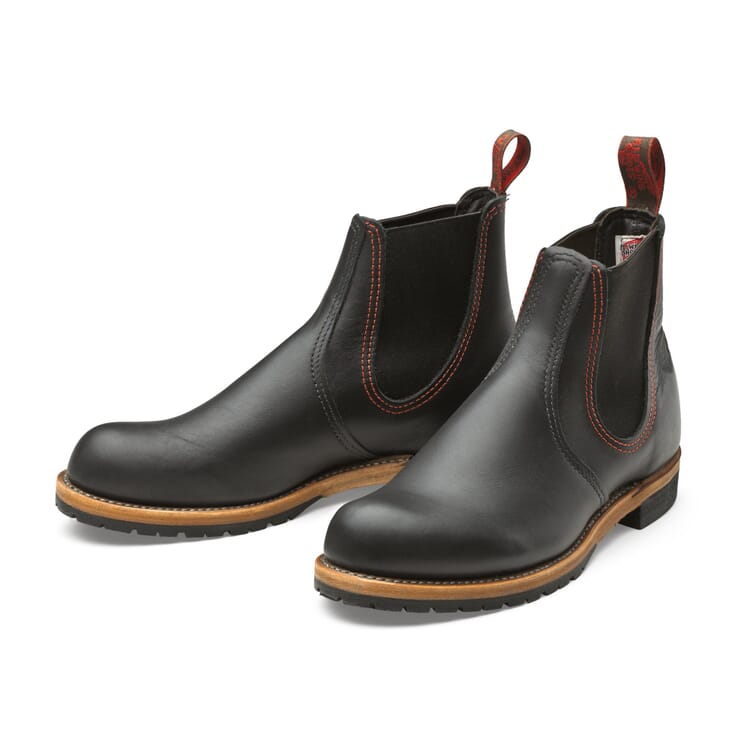

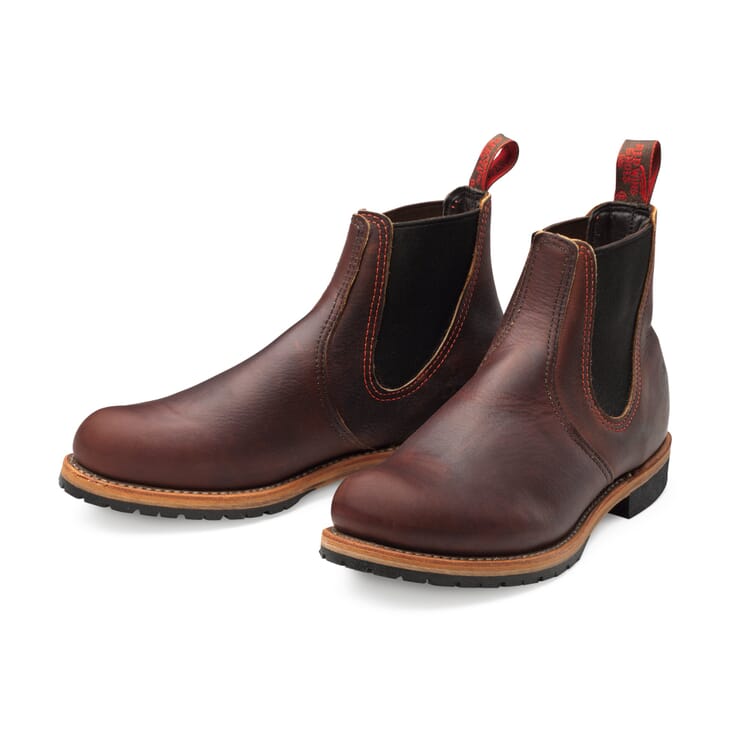
World-class hand-stitched shoes. Here’s how a shoe is made.

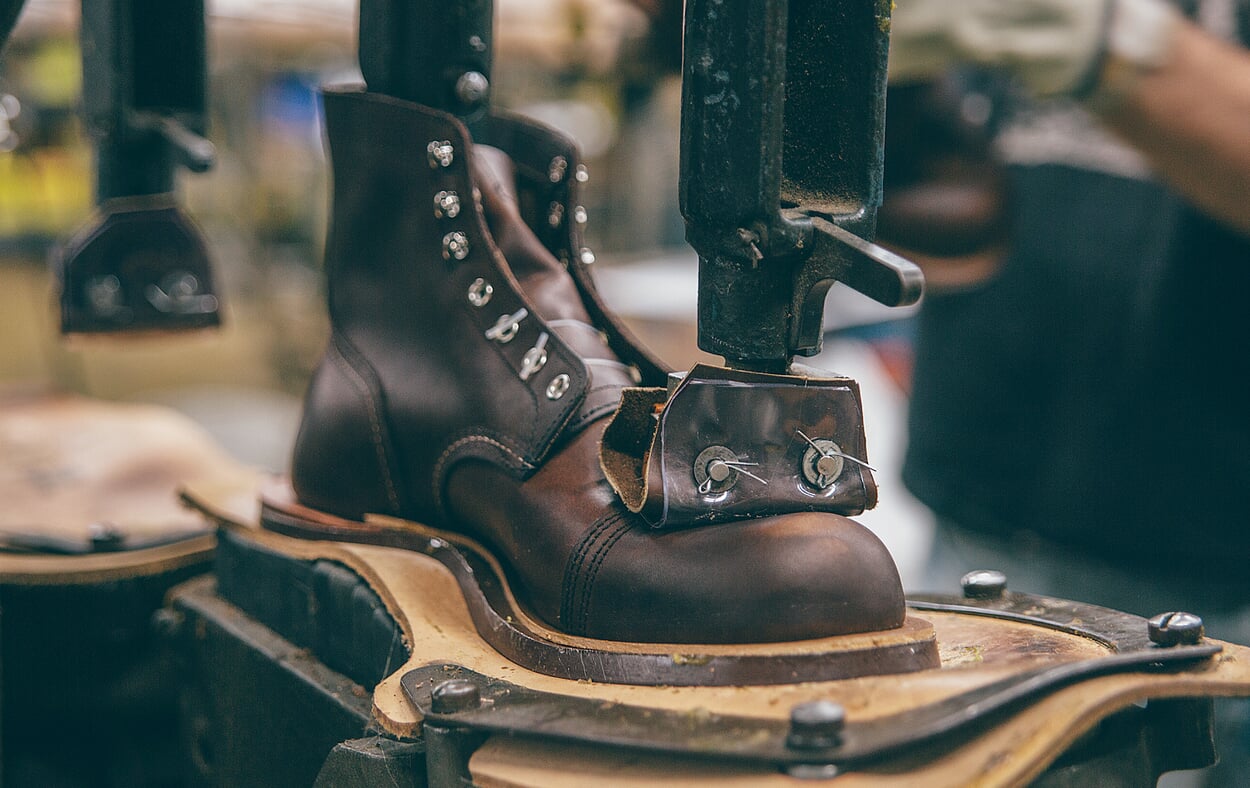
Anyone who disparagingly refers to this as “cobbling together” has likely never delved into the intricate craftsmanship behind the production of a welted shoe. Without a schematic sketch of a cutaway example of this construction, the exact process can really only be fully explained in great detail. Nevertheless, we’ll try to keep it brief and rely on your keen understanding.
Basically, every shoe consists of two parts: the upper, which encloses the foot, and the sole, which is composed of several layers. Widespread cost-cutting trends have led to the two parts—referred to in technical terms as the “construction”—being joined today primarily through vulcanization, injection molding, or gluing. Traditionally, however, and considered the highest quality method, is stitching, with welt stitching holding the top spot among these techniques. Originally performed by hand, the process is now almost always carried out by machine: the method patented by Charles Goodyear Jr. in the 1870s replicates the manual process in an equally sophisticated manner. The descriptive term “Goodyear welted” can therefore be regarded without hesitation as an equivalent synonym for welted shoes. Those specifically looking for hand-sewn pairs will find them labeled as “hand-stitched” or “hand-welted.”
In general, the production of a welted shoe involves many different steps. The defining element of this construction method, however, is the stitching that is invisible from the outside. This stitch is used to sew the insole—referred to by experts as the “brandsohle”—to the underside of the upper and lining leather of the shoe upper, and in the same step, the eponymous frame—a narrow, circumferential strip of leather that protrudes slightly on the outside—is attached. The outsole—which is also slightly wider than the upper—is then attached to this frame with an additional stitch. In this way, the insole and outsole are connected only indirectly through the frame.
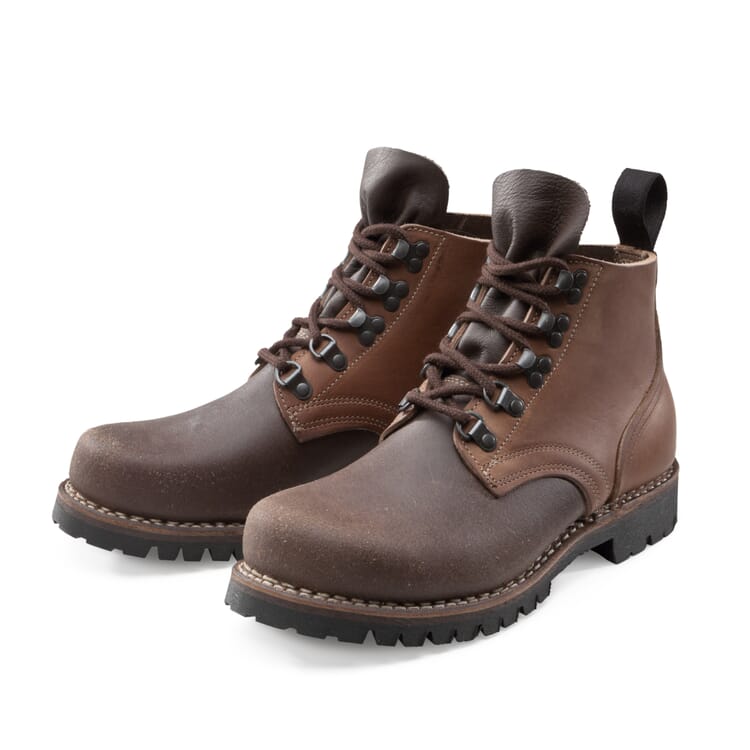
While classic welt stitching is primarily characteristic of fine footwear, its variant—the double-welted construction—is typically used for more rustic shoes. Here, too, the separate instep seam is a defining feature; however, instead of being sewn between the insole and outsole, the welt is sewn along the outside of the upper, so that in this case the instep seam is visible alongside the so-called double seam that connects the welt to the outsole. This feature is clearly visible in our work boots from Bertl.
Shoe Care at Manufactum





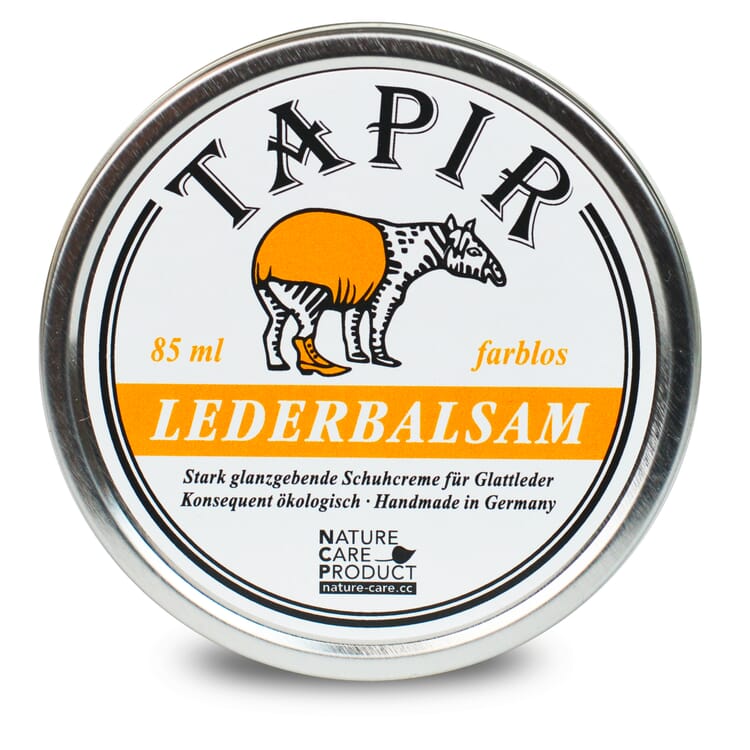



I’ll take that shoe. The benefits of welted shoes.
Buying welted shoes is a worthwhile investment, especially given their long durability and the fact that their construction makes them easy to repair. At first glance, the purchase may seem a bit more expensive here and there, but the costs quickly even out when you consider that these shoes are designed to last for years and, thanks to the double stitching, can be resoled or even completely rebuilt at any time while the rest of the shoe remains intact—provided, of course, that you don’t wait too long to take the necessary restoration measures. In addition, the separate seams prevent a direct connection between the outer and inner layers, effectively blocking moisture from penetrating.
While not directly influenced by the construction method, other aspects—which stem primarily from the demanding manufacturing process itself—are nonetheless crucial for a welted shoe. After all, those who choose the highest-quality construction will be inclined to apply the same care and commitment to quality to the rest of the shoe. Thanks to the use of the finest materials, the shoe adapts individually to the wearer’s foot anatomy, ensuring optimal comfort while maintaining a precise fit. The foot does not tire, and so the wearer of the shoe never tires either.
Out of the ordinary. How can you tell if a shoe is welted?
Even though we’d like to claim otherwise: welted shoes aren’t recognizable at first glance—and even at second glance, clear identification isn’t always possible. The assumption that a clearly visible double seam on the welt would unquestionably indicate good shoes is, unfortunately, incorrect. Today, manufacturers often try to simulate higher quality by using a glued-in midsole with a fake seam. Yet it is solely the—and here we come full circle—invisible stitching that unequivocally identifies a welted shoe as such.
This hidden identifying mark is most likely to reveal itself when strong pressure is applied to the upper above the welt. However, the better the shoes are crafted, the more effectively they will conceal their true size and quality. The safest bet is to rely on the “Goodyear welted” label. Or on the carefully curated selection in the Manufactum range.